
🔴 Texas Star Mayhaw
What it looks like
Why this variety
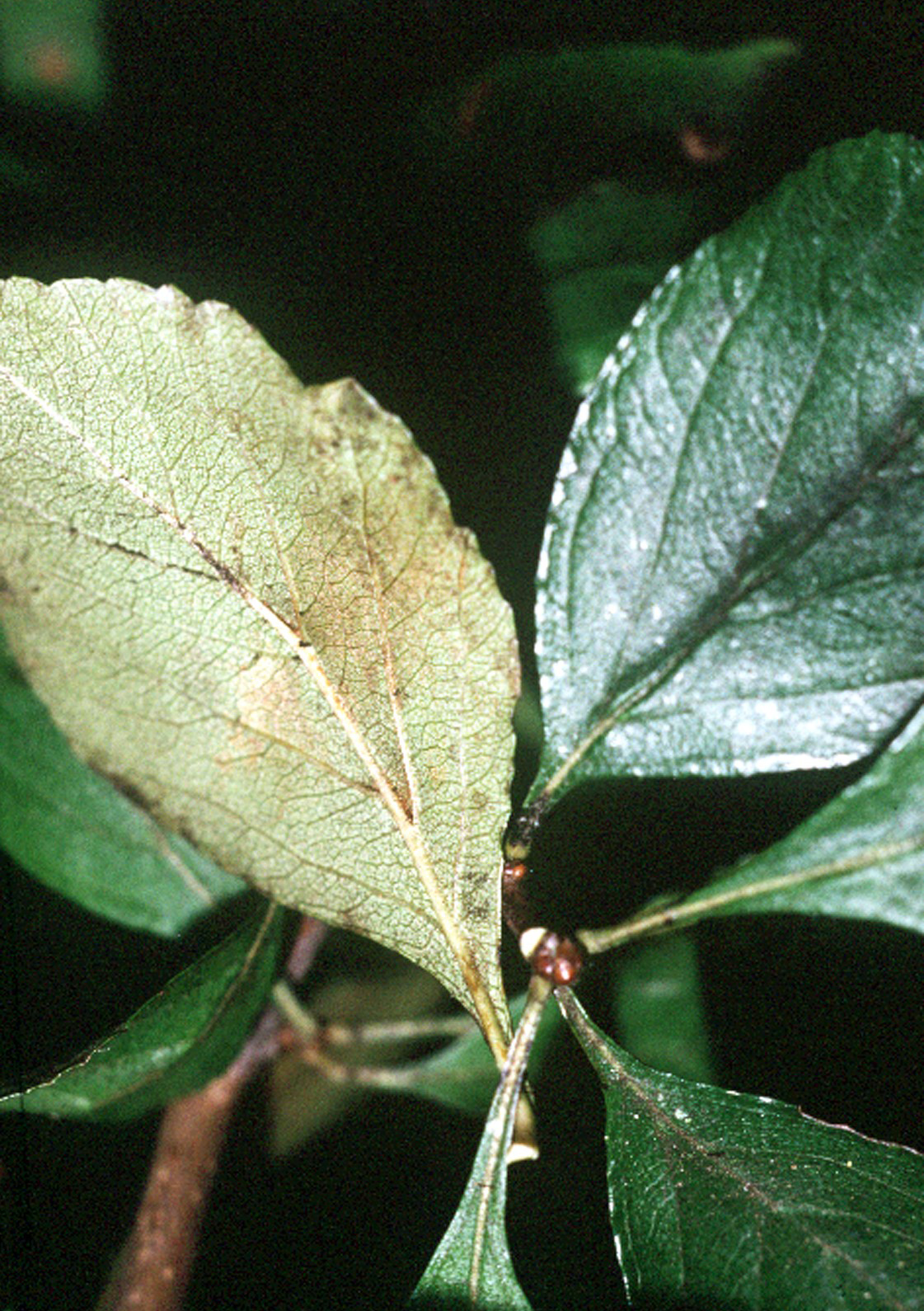
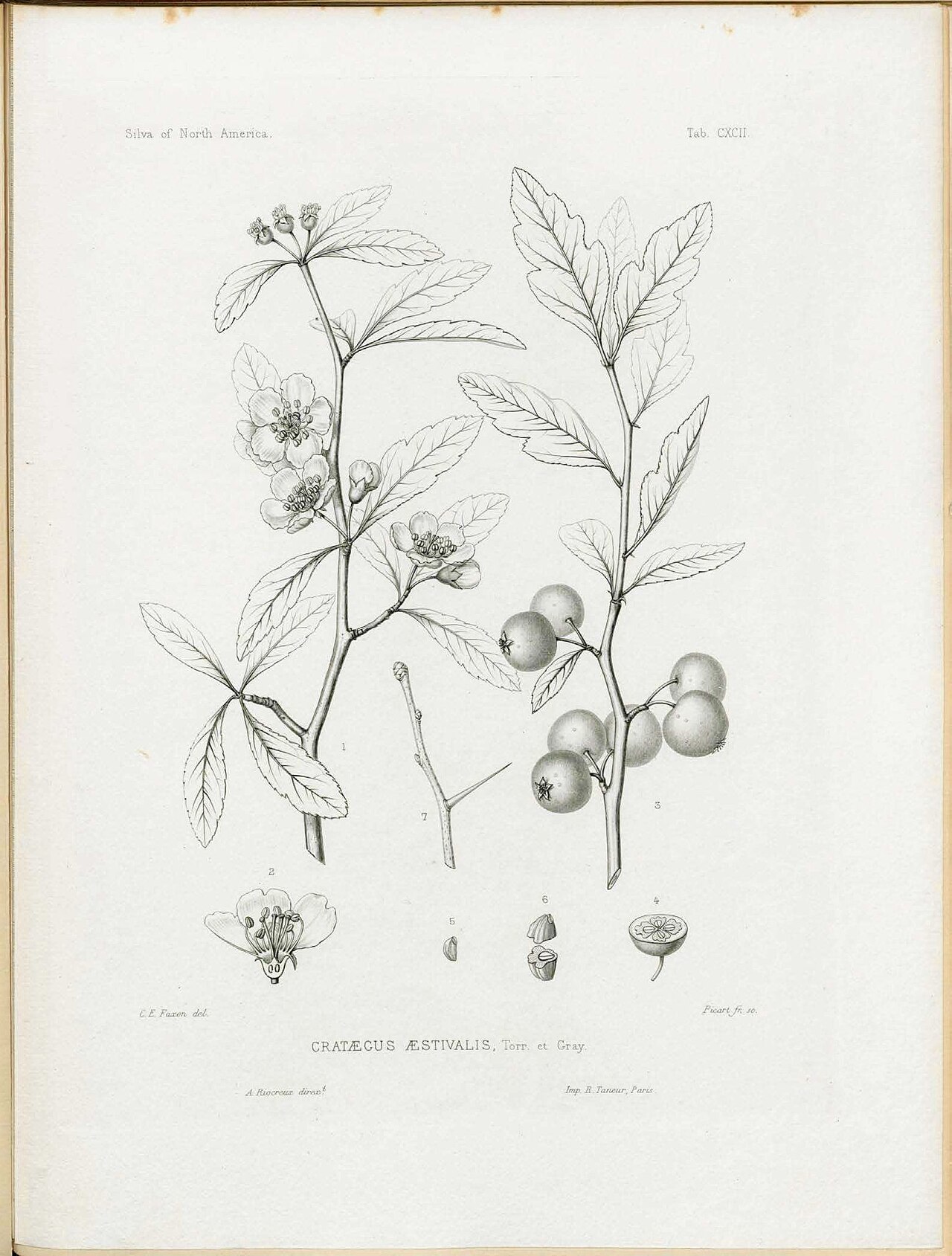
Texas Star — also sold as Texas Superberry or Mason’s Superberry — is the mayhaw for gardeners who want large fruit early. It is one of the earliest-flowering mayhaw varieties, with large, deep red fruit and pink flesh, and it is among the most widely planted named mayhaws for a reason: the fruit is big, the tree is productive, and the jelly is excellent. Early flowering is a double-edged trait, and this guide will not hide that: early flowers meet more freezes, so site matters as much as variety.
The fruit is classic mayhaw: tart, fragrant, and built for jelly rather than fresh eating, with size that makes picking and processing faster than small-fruited seedlings. Texas Star’s earliness also means it is often the first mayhaw ripe in a planting, which spreads the harvest if you grow it alongside a later variety like Big Red — a practical reason to plant two varieties beyond the pollination requirement.
How to grow
Here is the honest Florida part first: mayhaw is a southern native, and the eastern mayhaw’s range reaches into the Florida Panhandle, so north Florida is its true home in this state. It wants wet feet, or at least reliably moist soil, and it wants another mayhaw nearby for cross-pollination. Central Florida is a trial; south Florida is too warm and too dry in the wrong seasons. Plant it where the ground stays damp and the spring flowers will not meet a late freeze unprotected.
Plant in fall or winter in full sun to part shade, in moist soil, 15–20 feet apart, with at least one other mayhaw variety nearby for cross-pollination. Water through establishment and in dry springs, mulch widely, and prune lightly for shape and dead wood. Texas Star’s early bloom means frost-pocket avoidance is critical: plant on a gentle slope or high ground where cold air drains, not in a low hollow where frost settles.
Water & feeding
Feed lightly with castings or compost in spring, water during fruit set if rain fails, and avoid heavy nitrogen that invites fire blight. Mayhaw’s water needs are higher than most fruit trees’, and a tree planted in naturally damp ground will out-produce a tree on a dry site that you water when you remember.
Common problems
- Fire blight is the headline disease, and extension trials rate Texas Star poor for fire blight resistance — the worst rating among the varieties listed here — so this variety demands vigilance: inspect in spring, prune out blackened shoots well below damage in dry weather, disinfect tools, and do not overfeed with nitrogen.
- Cedar-apple rust also occurs.
- Late freeze damage to early flowers is the other real risk; a lost bloom is a lost crop for that year, which is why Texas Star is best planted as one of two varieties rather than the only mayhaw in the garden.
Harvest
Harvest large, deep red fruit when fully colored and slightly soft, typically April to May, shaking onto sheets or picking by hand, and process promptly into jelly, syrup, or juice, or freeze the pulp. Texas Star’s large fruit makes it one of the fastest mayhaws to pick a bucket of, which matters when the harvest window is measured in days, not weeks.
Browse all plant & pest guides
Saving seeds
Texas Star — also sold as Texas Superberry or Mason’s Superberry — is the mayhaw for gardeners who want large fruit early. It is one of the earliest-flowering mayhaw varieties, with large, deep red fruit and pink flesh, and it is among the most widely planted named mayhaws for a reason: the fruit is big, the tree is productive, and the jelly is excellent. Early flowering is a double-edged trait, and this guide will not hide that: early flowers meet more freezes, so site matters as much as variety. The fruit is classic mayhaw: tart, fragrant, and built for jelly rather than fresh eating, with size that makes picking and processing faster than small-fruited seedlings. Texas Star’s earliness also means it is often the first mayhaw ripe in a planting, which spreads the harvest if you grow it alongside a later variety like Big Red. As a named mayhaw it is kept true by grafting, not by seed — plant a grafted tree, because a seedling mayhaw will not give you Texas Star’s large, early, deep red fruit. Here is the honest Florida part first: mayhaw is a southern native, and the eastern mayhaw’s range reaches into the Florida Panhandle, so north Florida is its true home in this state. It wants wet feet, or at least reliably moist soil, and it wants another mayhaw nearby for cross-pollination. Central Florida is a trial; south Florida is too warm and too dry in the wrong seasons. Plant in fall or winter in full sun to part shade, in moist soil, 15–20 feet apart, with at least one other mayhaw variety nearby for cross-pollination. Water through establishment and in dry springs, mulch widely, and site it where spring flowers will not meet a late freeze unprotected. The full method is in the Saving seeds section of the Mayhaw guide.