
🫐 Princess Diana Serviceberry
What it looks like
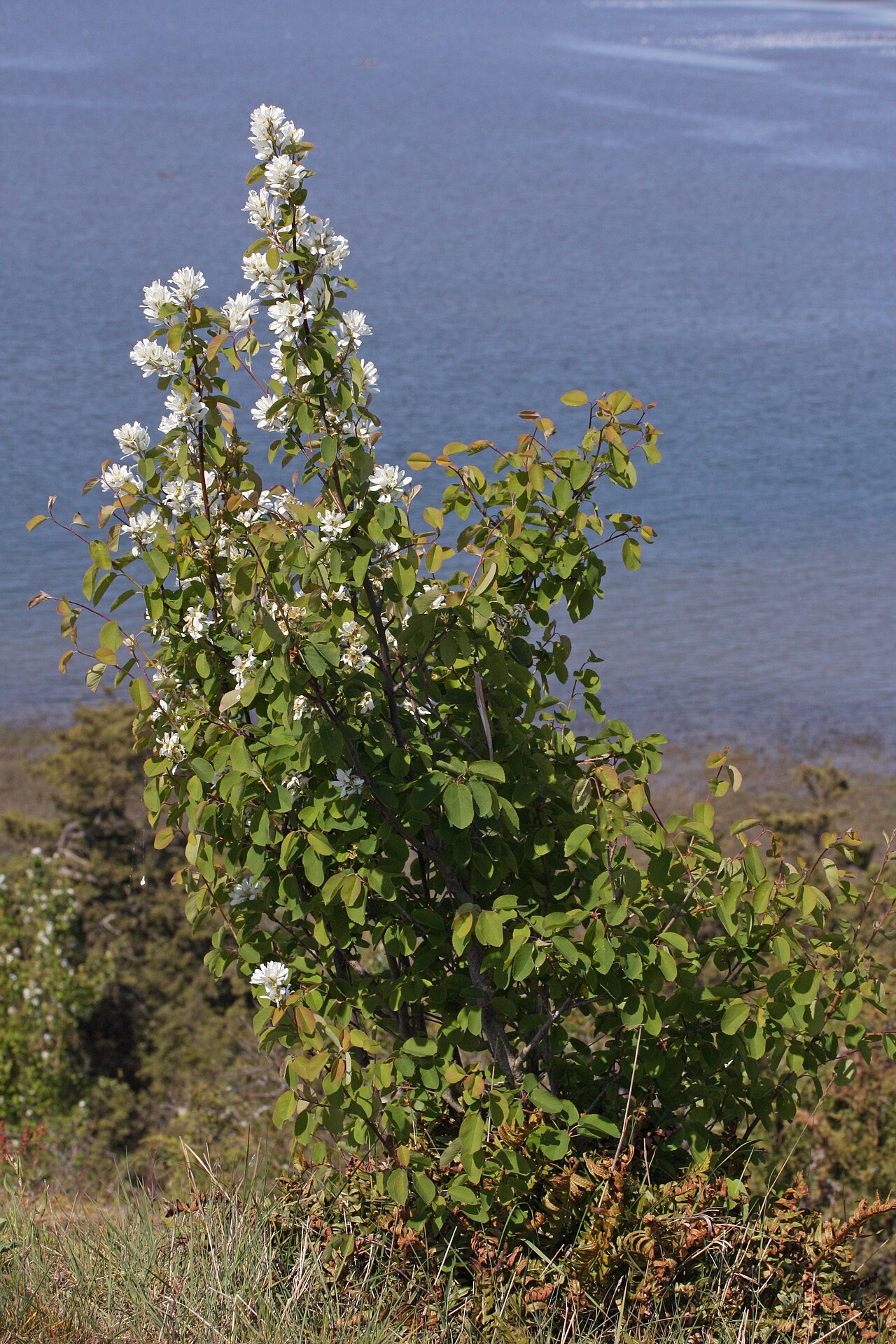
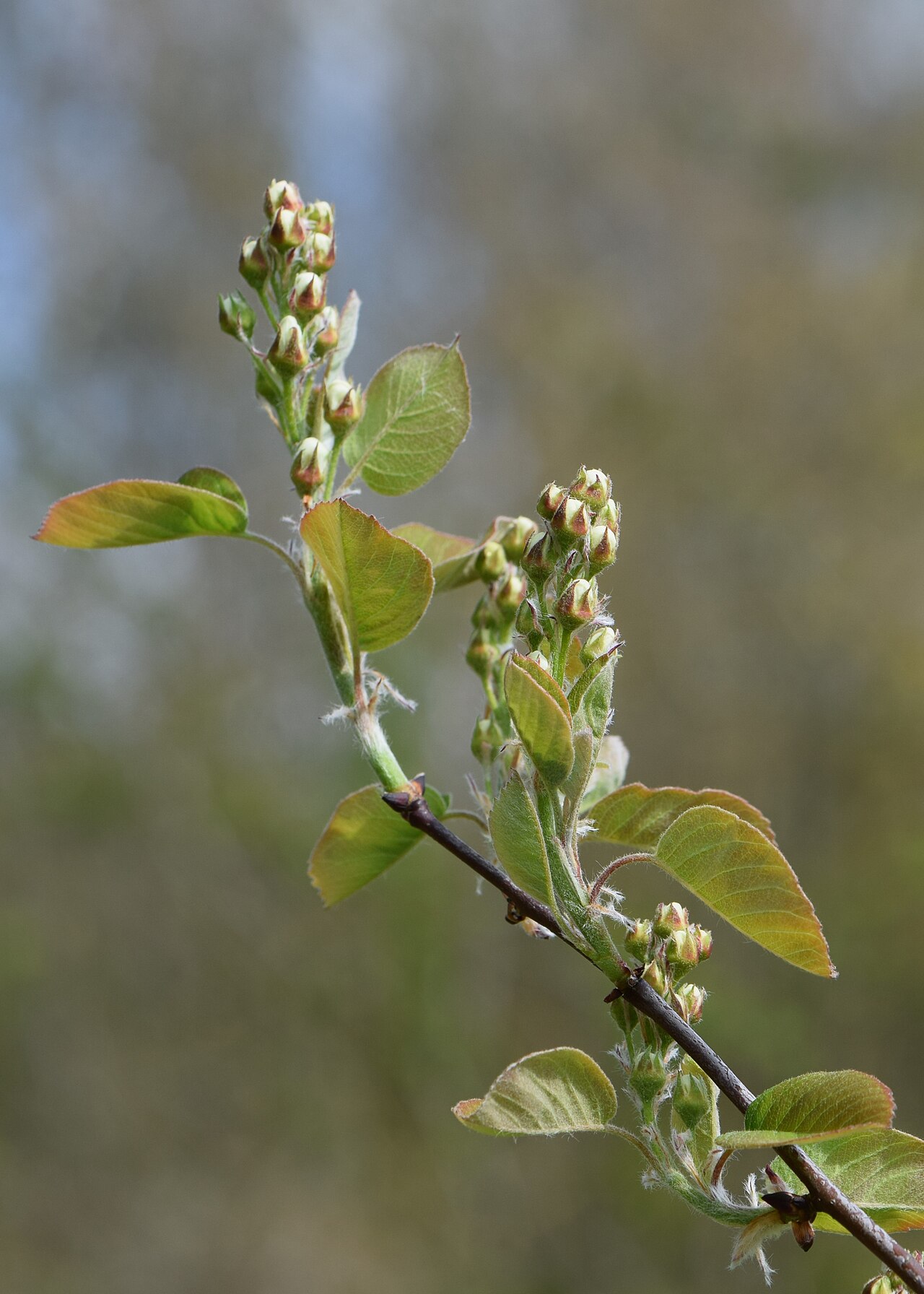
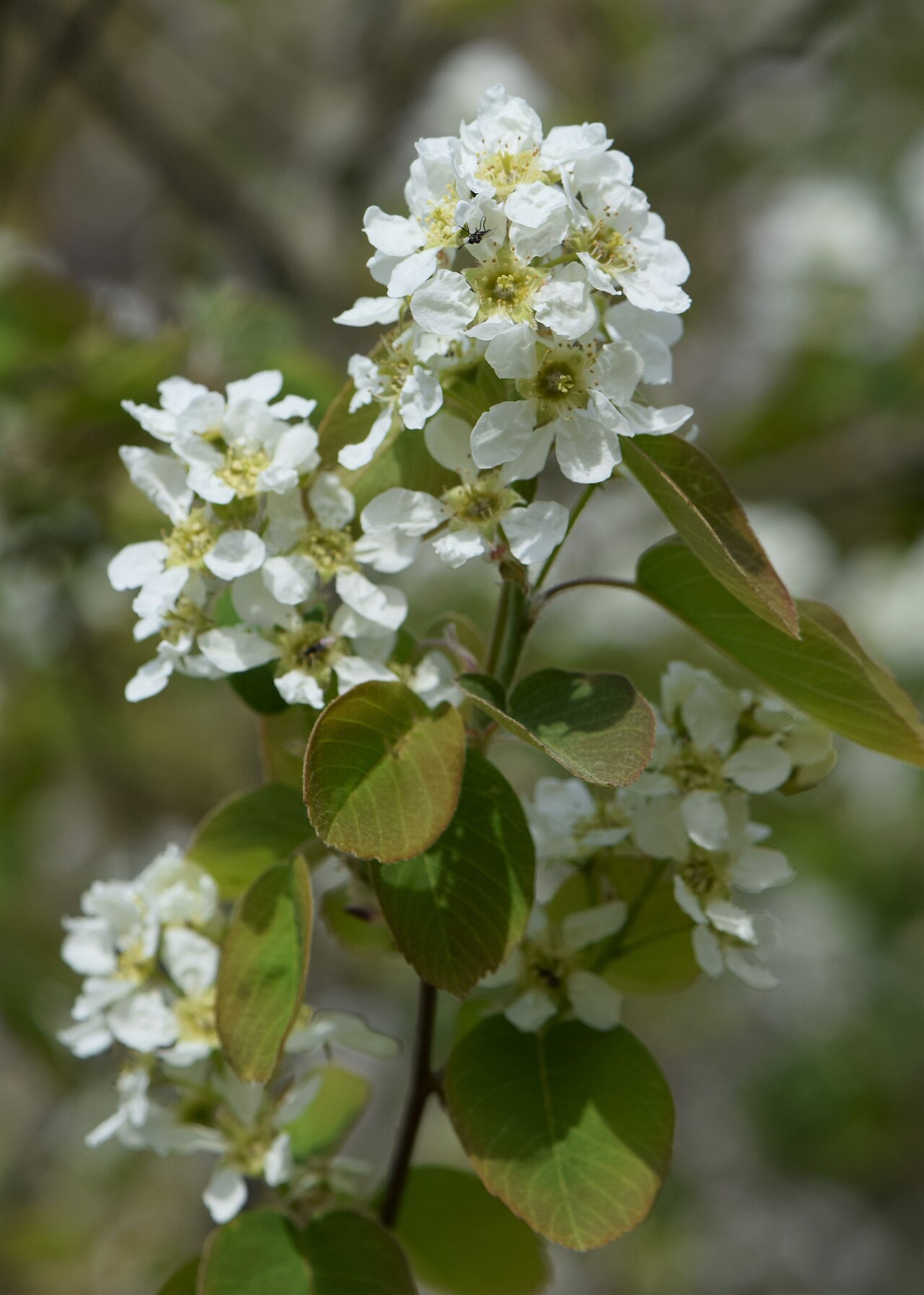
Why this variety
Princess Diana is the serviceberry for gardeners who want Autumn Brilliance’s virtues in a slightly different shape. It is another cultivar of apple serviceberry (Amelanchier × grandiflora), the same hybrid parentage, but with a more spreading, graceful habit and a reputation as an ornamental first and a fruiting tree second — white spring flowers, sweet purple-black summer berries, and vivid fall color, on a tree that is often described as more elegant and less upright than its famous cousin.
The fruit is the same kind of Juneberry: small, sweet when fully ripe, blueberry-like, good fresh and in pies and jams, and equally beloved by birds. The reason to choose Princess Diana over Autumn Brilliance is form and fall color nuance rather than fruit superiority — a spreading canopy that shades a patio, a silhouette that suits a front garden, and fall foliage in reds and oranges that rivals any ornamental tree. If Autumn Brilliance is the serviceberry you plant for a spectacular fall, Princess Diana is the one you plant for a beautiful tree that also happens to fruit.
How to grow
Here is the honest Florida part first: serviceberry is a zones 3–9 shrub or small tree, but the zone number flatters its Florida chances: named selections like the ones below need roughly 800–1,000 chill hours, so only north Florida is a plausible trial, and even there a mild winter can mean a light crop. Plant it in the coolest, moistest part of a north-Florida garden, give it afternoon shade, and do not promise yourself a Juneberry harvest further south.
Plant, space, water, and prune as Autumn Brilliance: full sun to part shade, moist well-drained soil, 10–15 feet apart, deep watering through establishment, thick mulch, light pruning for form. In a north-Florida trial, the same rules apply — coolest, moistest spot, afternoon shade, best soil — and the same honesty: this is a zones 4–9 tree with a real chill requirement, so a mild winter can mean a light crop even on a healthy tree.
Water & feeding
Feed with castings or compost in spring, water about an inch a week, and mulch to keep roots cool. Princess Diana’s spreading habit means it benefits from a wide mulch ring and from pruning that keeps the center open for airflow, which also helps with disease in humid air.
Common problems
- Birds, rust, leaf spot, and fire blight are the same cast as for Autumn Brilliance, with the same management: net young trees for a harvest, prune out affected wood, and give the tree air.
- Chill insufficiency and heat stress are the Florida-specific limits, and a north-Florida Princess Diana that leafs out beautifully and fruits sparsely is not a failure of care — it is a northern tree in a southern climate, doing its best.
Harvest
Harvest fully purple-black, soft berries in early summer, picking every few days as they ripen, and use fresh, in pies, or as jam. As with all serviceberries, wait for full ripeness — underripe fruit is tart and astringent, ripe fruit is sweet and almond-like — and accept that the birds will take the top of the tree no matter what you do.
Browse all plant & pest guides
Saving seeds
Princess Diana is the serviceberry for gardeners who want Autumn Brilliance’s virtues in a slightly different shape. It is another cultivar of apple serviceberry (Amelanchier × grandiflora), the same hybrid parentage, but with a more spreading, graceful habit and a reputation as an ornamental first and a fruiting tree second — white spring flowers, sweet purple-black summer berries, and vivid fall color, on a tree that is often described as more elegant and less upright than its famous cousin. As a named serviceberry cultivar it is kept true by grafting and cuttings, not by seed — seedlings would not hold the spreading form or the fall color. Plant in full sun to part shade, moist well-drained soil, 10 to 15 feet apart, deep watering through establishment, thick mulch, light pruning for form. The full method is in the Saving seeds section of the Serviceberry guide.