
🌸 Alba Jacaranda
What it looks like
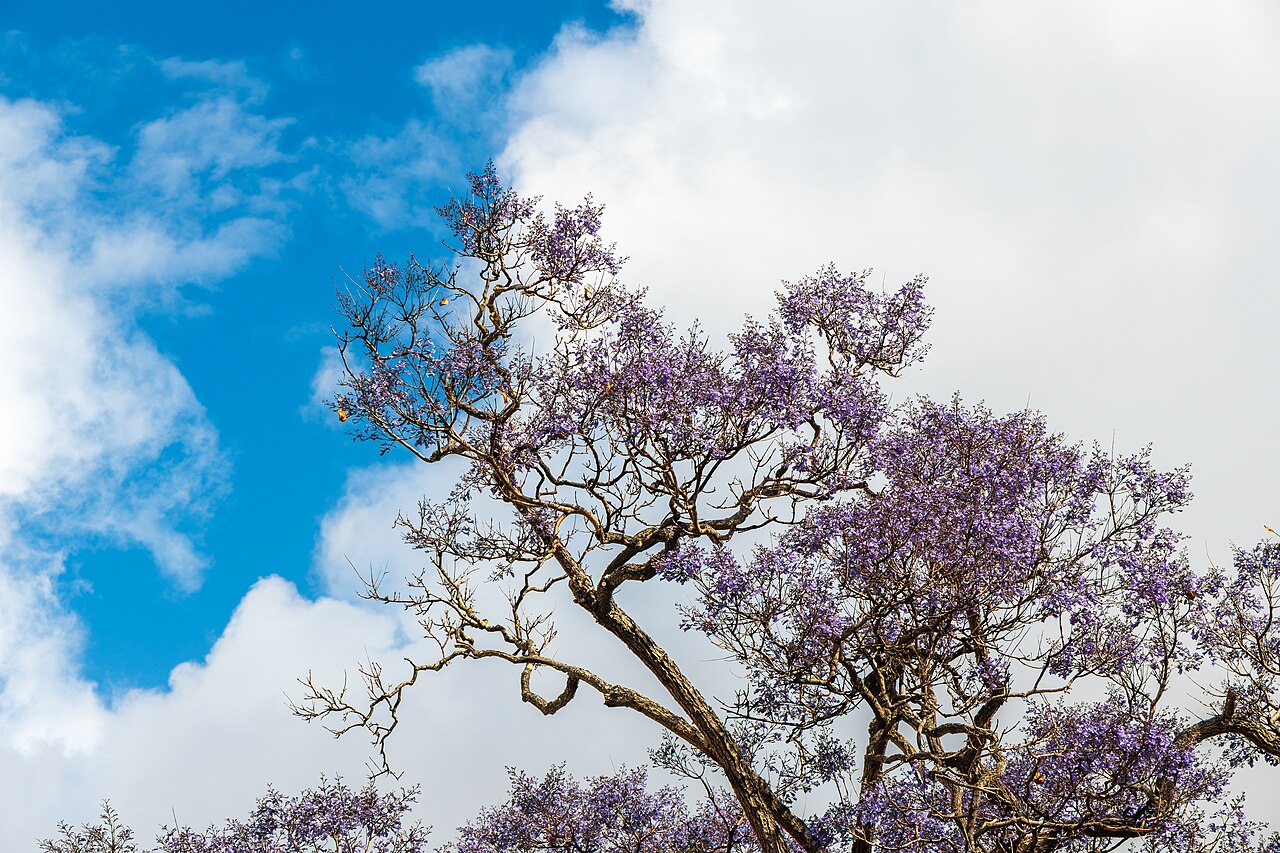
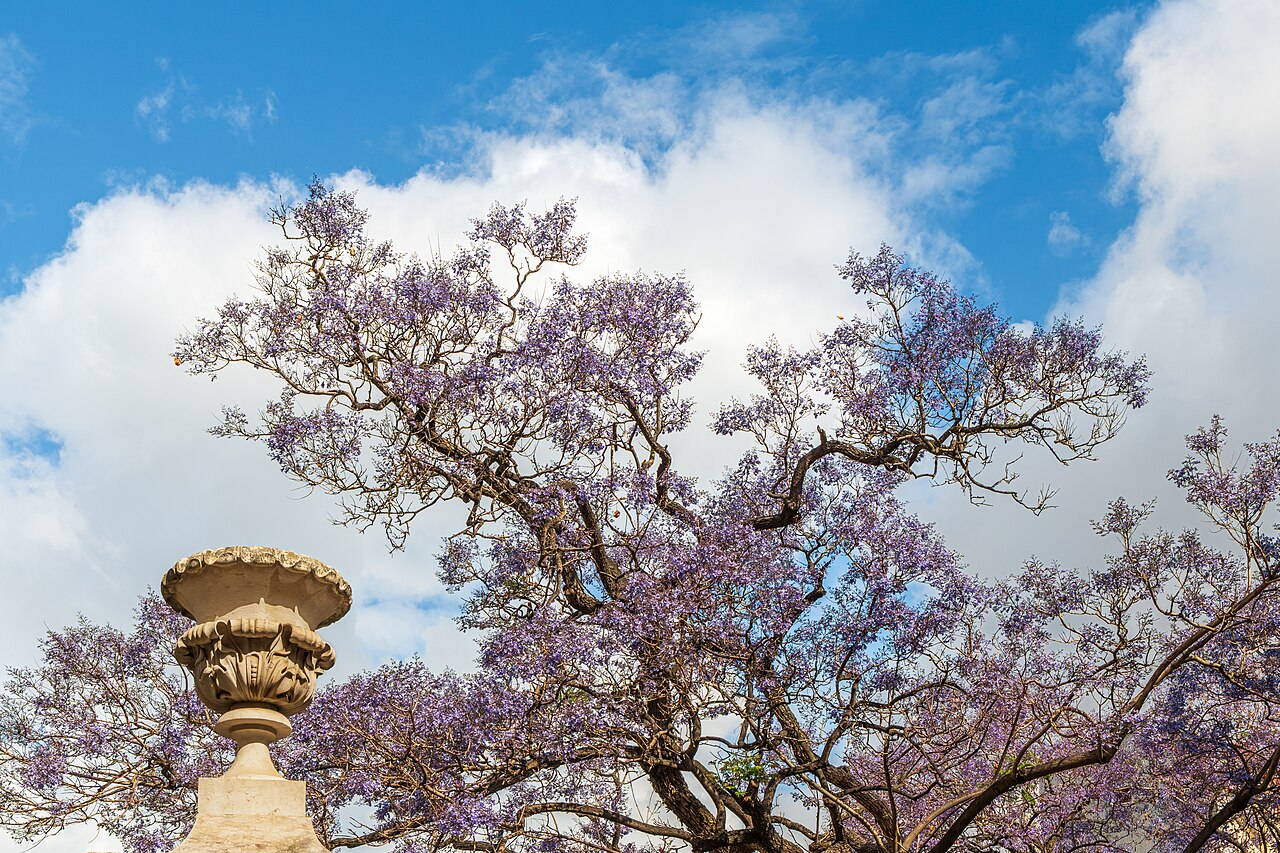
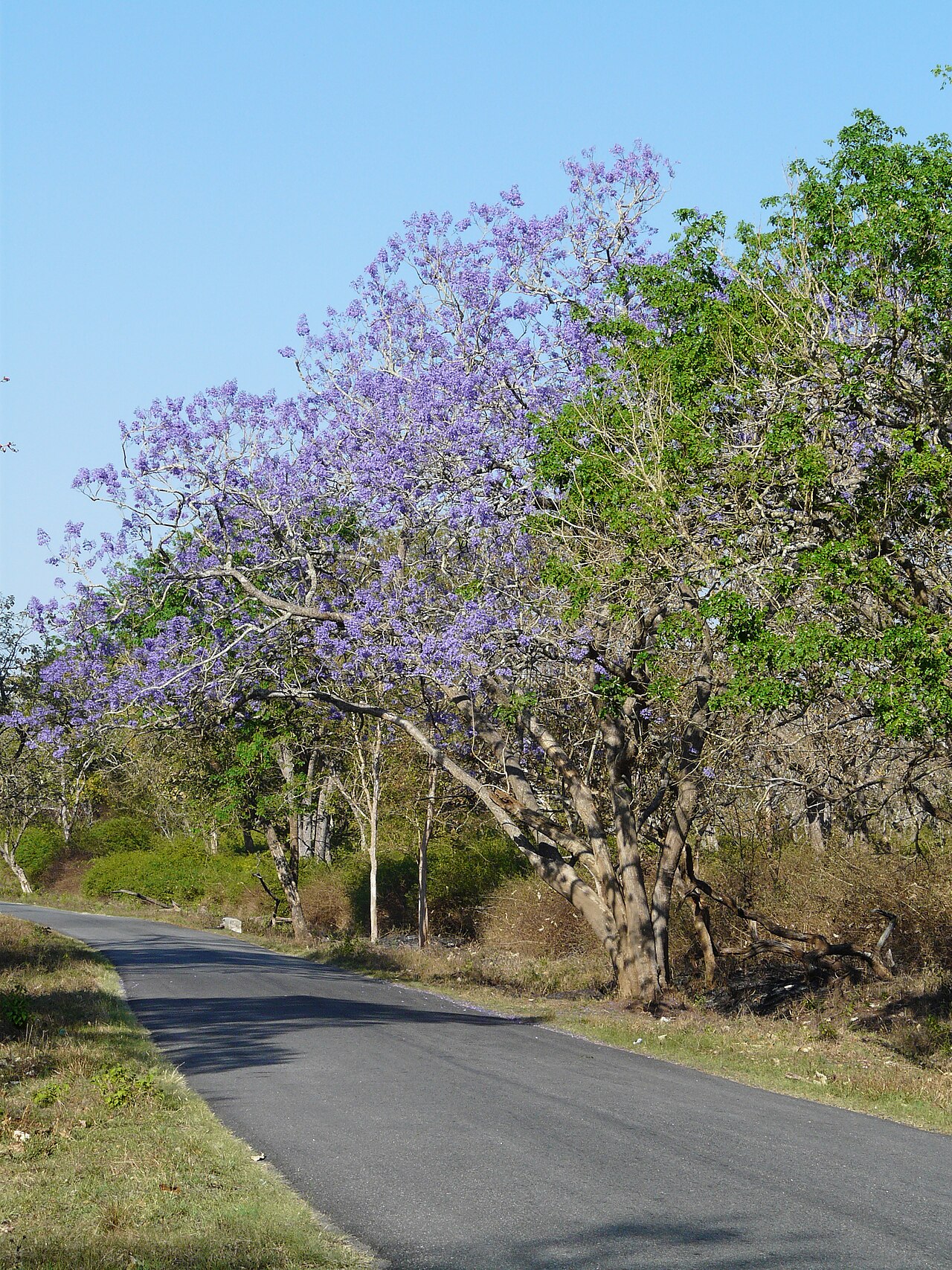
Why this variety
Alba is jacaranda in white: the same vase-shaped, open crown, the same finely divided fern-like leaves, and the same spectacular panicles of trumpet-shaped flowers in late spring and early summer — but creamy-white instead of lavender-blue. It is the jacaranda for gardeners who want the tree’s architecture and flower form without the purple, and for pale gardens where a white-flowered tree glows at dusk in a way a blue one cannot. It is rarer in the trade than the blue form, which is part of its charm and part of its price.
In Florida, Alba belongs in the south peninsula, in full sun and well-drained soil, 25–30 feet from structures and paving. Like all jacarandas it has no meaningful frost tolerance — a hard freeze can kill a young tree outright — so plant it where freezes are rare, train a strong central leader while young, and site it where flower litter falls on mulch or lawn, not on a pool or a pale patio.
How to grow
Jacaranda is a tropical flowering tree, 25–50 feet tall, with a vase-shaped, open crown, finely divided fern-like leaves and spectacular panicles of lavender-blue, trumpet-shaped flowers in late spring and early summer, often before the new leaves emerge. Plant in full sun in well-drained soil, 25–30 feet from structures and paving, and train a strong central leader while young — jacaranda’s branches can be brittle, and a well-shaped young tree is a safer old tree. Water deeply through the first two years; after that it tolerates drought, though steady moisture gives the best growth. Do not plant it where a hard freeze is a regular event: jacaranda has no meaningful frost tolerance, and one bad freeze can kill a young tree outright.
Water & feeding
Water deeply through establishment, then in dry spells; established jacaranda is moderately drought-tolerant. Feed lightly in spring. Avoid overwatering in winter, when growth slows, and avoid planting in ground that stays wet.
Common problems
Few serious pests. Mess is the main complaint — flowers and fern-like leaflets litter the ground in season, so site it over mulch or lawn, not over a pool or a pale patio. Branch breakage in storms is reduced by early structural pruning. Cold is the real killer: a jacaranda planted in north Florida is a gamble, and the honest advice is to plant it where freezes are rare or not at all.
Harvest
The harvest is the late-spring flower show, white against fern-like green, and the shade that follows. Prune while young for structure — jacaranda branches can be brittle, and a well-shaped young tree is a safer old tree — and avoid heavy pruning of mature trees, which invites weak regrowth.
Nerdy fact: White jacarandas are not a different species but a colour form of Jacaranda mimosifolia, and they are noticeably rarer than the blue form in cultivation — a white-flowered jacaranda in full bloom is a sight that stops even people who think they have seen every jacaranda.
Saving seeds
Alba is a named white form, so seed saved from it won’t come true to white — buy a named tree from a nursery. The Saving seeds section of the Jacaranda guide covers seed for the straight species.