
🌸 Brackens Brown Beauty Magnolia
What it looks like
Why this variety
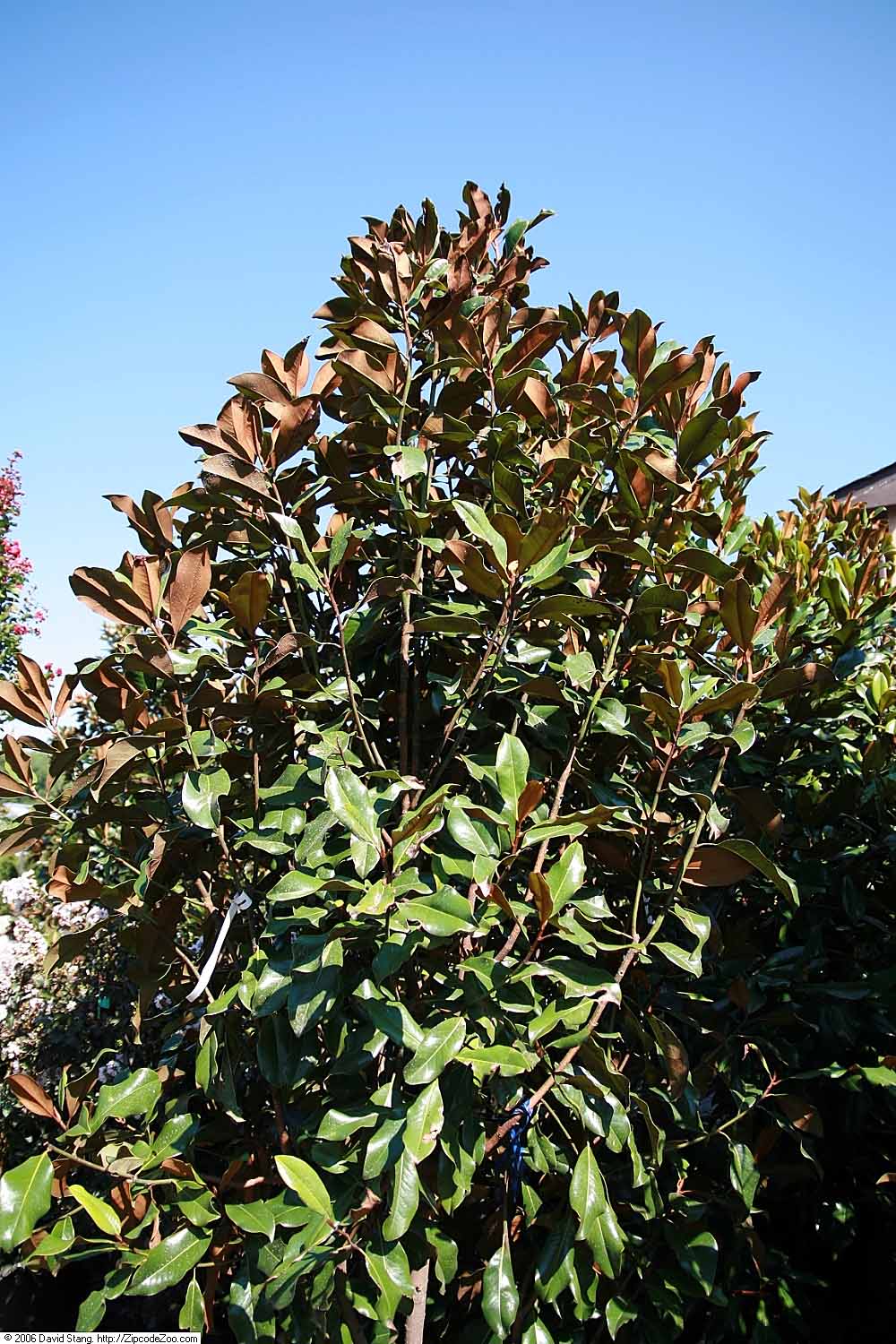
Bracken’s Brown Beauty is Southern magnolia selected for the qualities gardeners actually want: a denser, more compact crown than the species, leaves with a rich brown, felted underside that flashes in the wind, and notably better cold hardiness — it holds its foliage through winters that defoliate lesser magnolias. It grows 30–50 feet tall, still a proper tree, but a more manageable and more handsome one than the species, with the same huge, fragrant white flowers in summer.
In Florida, Bracken’s Brown Beauty is at home statewide, and its cold hardiness is a bonus rather than the point — the point is the dense crown and the brown-backed leaves, which give the tree a two-tone shimmer in a breeze. Plant it in sun to part shade in moist, well-drained, slightly acidic soil, 20–30 feet from structures, and water deeply through establishment.
How to grow
Plant Southern magnolia in spring in moist, well-drained, slightly acidic soil with room to reach its full spread — this is not a foundation shrub, whatever the nursery tag’s optimism suggests. Southern magnolias drop leaves year-round, so site them where leaf litter is mulch, not a lawn-care grievance, and where the huge, fragrant white flowers can be smelled from the driveway. Water deeply for the first two to three years; established trees tolerate heat and brief drought but grow best with steady moisture. In zones 4–6, gardeners plant saucer or star magnolia instead, but in Florida the Southern magnolia is the native, and it belongs here.
Water & feeding
Water deeply through the first two to three years, then in dry spells; established magnolias are heat-tolerant but not drought-proof. Mulch widely with pine bark or leaves — magnolia roots are shallow and resent disturbance, so do not cultivate under the canopy. Feed lightly in spring if growth is pale.
Common problems
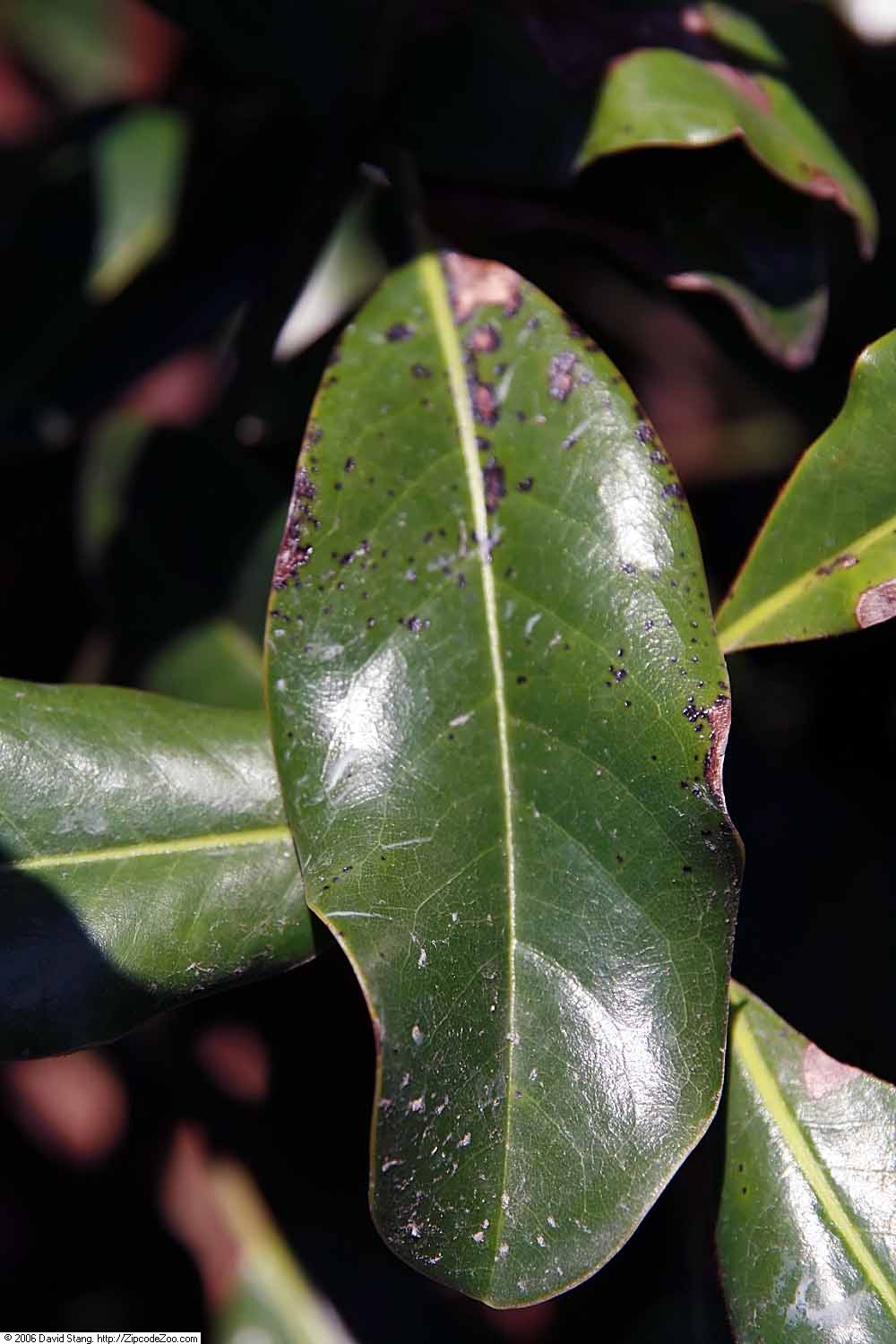
Few serious pests. Scale insects and sooty mould may appear on stressed trees; horticultural oil and better watering usually settle them. Leaf spot freckles leaves in wet years but rarely matters. The real problems are siting ones — a magnolia planted against a house, over a septic field, or where its year-round leaf drop will be resented daily.
Harvest
Summer fragrance and year-round evergreen structure, on a tree that holds its leaves better than most magnolias. Prune lightly while young for form; mature trees need little. The leaf drop is year-round and lighter than the species, but still site it where leaf litter is mulch, not a complaint.
Nerdy fact: The brown felt on the underside of a Southern magnolia leaf is a dense mat of tiny hairs called trichomes, which reduce water loss and deter insects — the tree wears a fur coat on the underside of every leaf, and Bracken’s Brown Beauty wears a particularly thick one.
Saving seeds
Bracken’s Brown Beauty is a selected cultivar, so seed saved from it won’t come true — buy a nursery tree instead. The Saving seeds section of the Magnolia guide covers seed for the straight species.