
🍈 Thai Lessard Sugar Apple
What it looks like

Why this variety
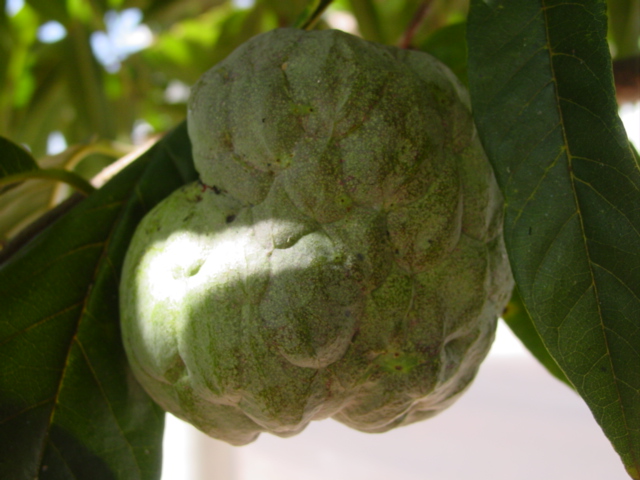
Sugar apple — sweetsop — is the most widely grown annona in the tropics, and ‘Thai Lessard’ is the green type UF/IFAS lists among the main sugar apple selections grown in Florida. The fruit is knobby and green, 8 to 16 ounces, with white, custard-like pulp that segments like an orange made of dessert: sweet, soft, and vanilla-scented, with small black seeds. Extension rates it excellent in quality and recommends it for home planting, which is the strongest endorsement a sugar apple gets.
Most sugar apples are grown from seed, and within a selection like ‘Thai Lessard’ there is little variability among seedlings — which means a seedling of this type is a reasonable bet, unlike most annonas. Still, a grafted or known-source tree is the surer path to the fruit described here.
How to grow
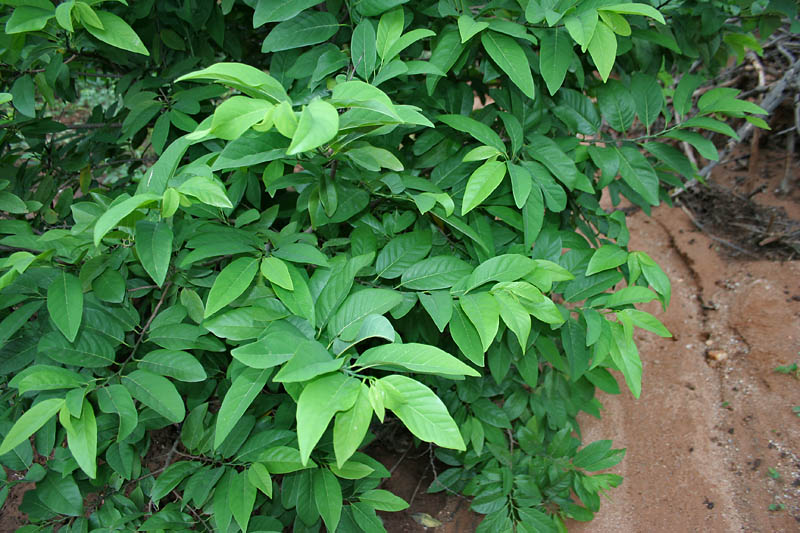
Here is the honest Florida part first: sugar apple is a zone 10-11 tropical, less cold-tolerant than atemoya, and in Florida it belongs in the southern counties. It is a small tree (12-20 feet), which makes it one of the most manageable annonas — prunable to a pickable height, protectable when young, and fittable in a yard that could never hold a mamey.
Plant in full sun and well-drained soil, prune to keep the canopy open and pickable, and hand-pollinate if fruit set is light — sugar apple shares the annona family’s pollination quirks, and a few minutes with a paintbrush at dawn can double a crop. Harvest season runs mid-summer through fall in South Florida.
Water & feeding
Water deeply but infrequently once established — a long soak that reaches the root zone, then a drying interval, beats daily sprinkles that keep the surface wet and the roots shallow. Young trees need steady water for their first year or two; mulch 3-4 inches deep (kept off the trunk) to hold moisture in sandy soil. Feed with worm castings worked into the mulch ring a few times a year plus a balanced citrus/tropical-fruit fertilizer on the schedule your local extension recommends — and go easy on nitrogen, which grows leaves at the expense of fruit.
Common problems
- Freeze damage — zone 10-11, less cold-tolerant than atemoya; protect young trees and plant warm.
- Poor fruit set — hand-pollinate if flowers drop without setting; it is the standard annona fix.
- Fruit splitting near maturity — inconsistent water causes splitting; mulch and water steadily through fruit development.
- Annona seed borer and mealybug — inspect fruit and treat promptly; destroy fallen fruit.
Harvest
Sugar apple is ready when the knobby segments loosen and the fruit yields to gentle pressure, often with a slight color lightening between segments. Pick at that stage and ripen a day or two indoors — ‘Thai Lessard’ eaten at the right moment pulls apart into custard segments, each with its seed, like a dessert orange.
Eat fresh with a spoon or fingers, or blend pulp (seeds removed) into shakes and ice cream. Mid-summer through fall ripening makes sugar apple a warm-season reward, and a small tree can produce far more than one household eats fresh.
Browse all plant & pest guides
Saving seeds
Thai Lessard is the green sugar apple UF/IFAS lists among the main selections grown in Florida — a knobby green fruit, 8 to 16 ounces, with white, custard-like pulp that segments like an orange made of dessert: sweet, soft, and vanilla-scented, with small black seeds. Extension rates it excellent in quality and recommends it for home planting, which is the strongest endorsement a sugar apple gets. Most sugar apples are grown from seed, and within a selection like Thai Lessard there is little variability among seedlings — which means a seedling of this type is a reasonable bet, unlike most annonas. Still, a grafted or known-source tree is the surer path to the fruit described here, so save seed with that honest caveat: your seedling will very likely be a good sugar apple, but only a graft guarantees Thai Lessard itself. The full method is in the Saving seeds section of the Sugar Apple guide.