
🌰 Kau Macadamia
What it looks like
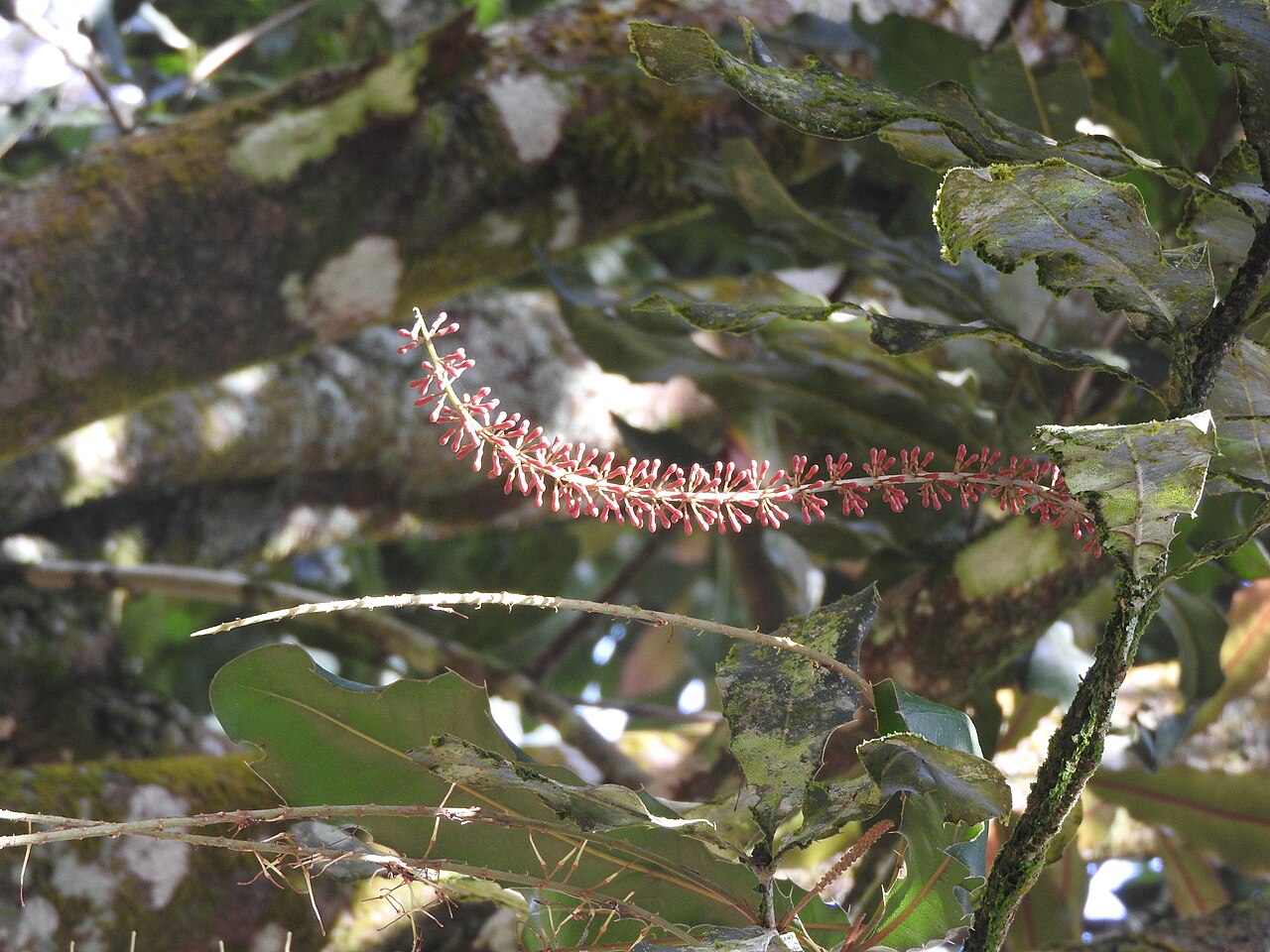
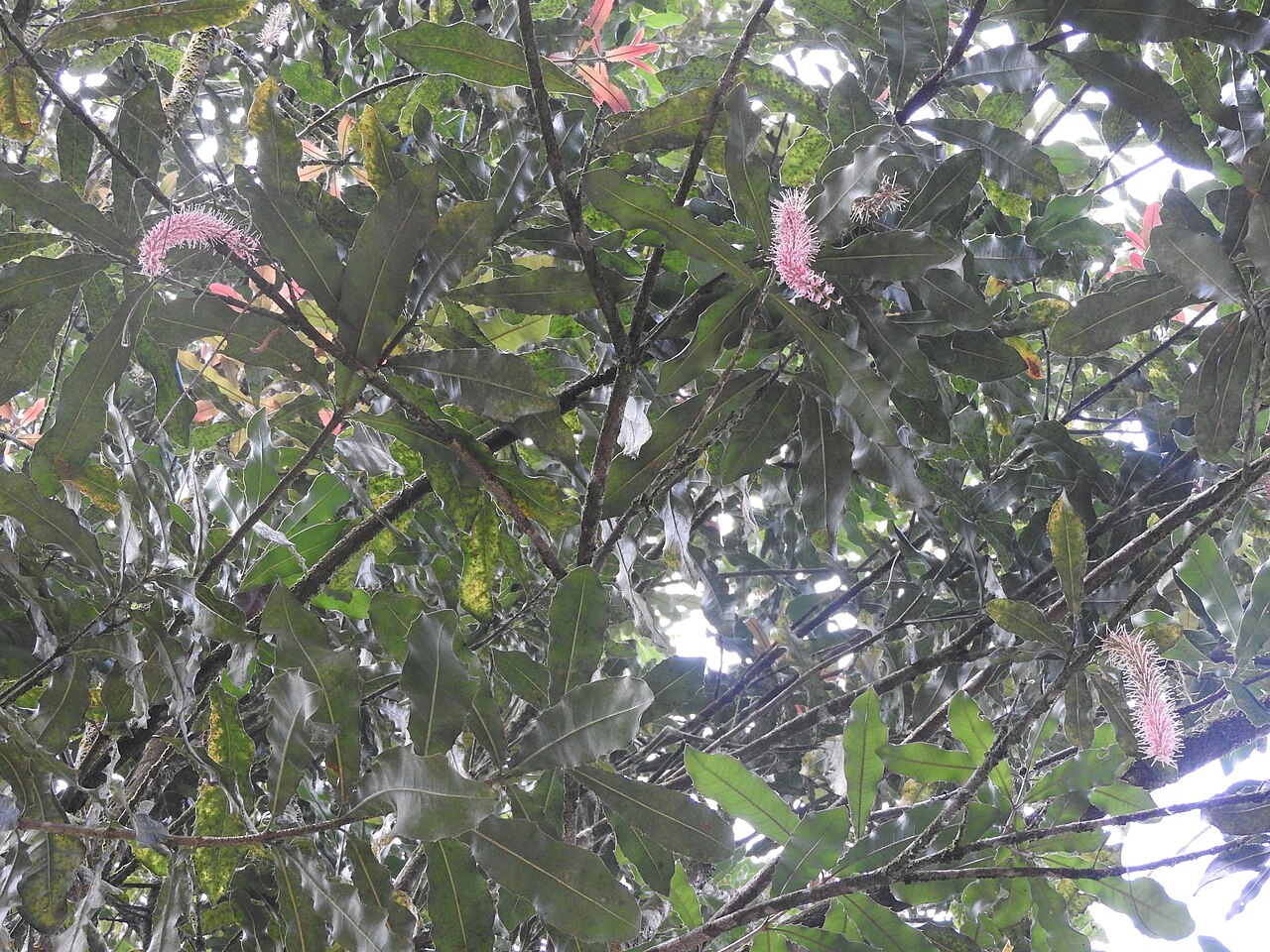
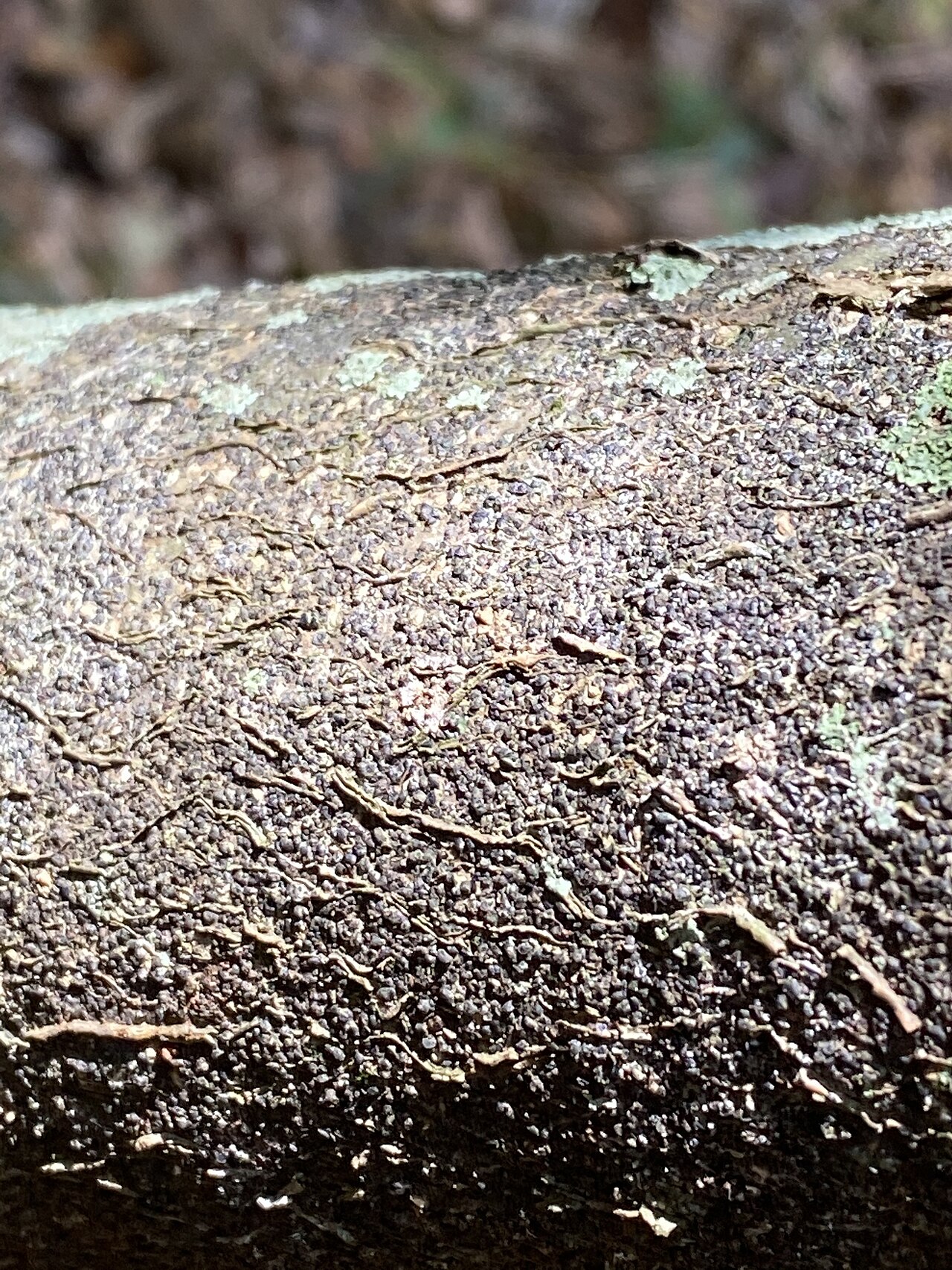
Why this variety
Kau is a Hawaiian macadamia selection from the state’s breeding program, chosen for nut quality, yield, and orchard performance rather than as an ornamental curiosity. The nuts are smooth-shelled, high-quality, and buttery — the classic Macadamia integrifolia profile — and the tree is productive in the warm, humid, frost-free conditions of Hawaii, which makes it an interesting reference point for South Florida growers wondering whether macadamia can work outside its Australian home.
Kau’s advantage over a seedling is the same as every grafted macadamia’s: known nut quality, earlier bearing, and a tree whose behavior is documented rather than guessed. Its disadvantage is shared with all macadamias — frost sensitivity, brittle wood, and a multi-year wait for nuts — so it is a commitment, not an experiment you finish in a season.
Hawaiian-bred, smooth-shelled, high-quality nuts. Productive in warm, humid, frost-free climates. Frost-sensitive; shelter from wind.
How to grow
Grow as for Beaumont: sun, consistent moisture while young, heavy mulch, minimal root disturbance, wind shelter. Harvest fallen nuts promptly — nuts left on wet ground stain and spoil, and rats and other wildlife know exactly when macadamias drop.
Plant grafted trees in full sun in deep, fertile, well-drained soil, and give them their mature spacing from day one — nut trees become large trees, and crowding a nut tree is a decades-long mistake. Stake young trees against wind, prune for a strong central leader or open form depending on species, and be patient: nut trees are measured in years to first crop and decades to peak production.
Florida framing, stated plainly: Kau shares Beaumont’s South Florida trial-only status. Its Hawaiian background makes it an interesting South Florida candidate — Hawaii is warm and humid too — but Florida’s occasional freezes, storms, and different soils still make it a trial, not a proven crop. South Florida, frost-sheltered, wind-sheltered, well-drained, slightly acidic soil, and patience for several years before judging nut quality or yield.
Water & feeding
Water young trees deeply and regularly until established; mature nut trees tolerate dry periods but crop best with consistent moisture through nut fill. Mulch heavily with wood chips or leaves, kept off the trunk, and work worm castings into the root zone at planting and as an annual top-dress. Avoid disturbing shallow roots with cultivation — many nut trees resent root disturbance for years.
Common problems
- Squirrels — the primary harvest competitor for every nut tree. Harvest promptly when nuts drop or husks split; leaving nuts on the ground is donating them.
- Blight, canker, and fungal diseases — worst in humid climates. Choose resistant varieties where available, prune for airflow, and remove diseased wood promptly.
- Wet feet — nut trees drown in waterlogged soil. If your site holds water after rain, plant elsewhere or plant on a mound.
- Alternate bearing — a heavy crop one year followed by a light one is normal for many nut trees, not a sign of failure. Thin heavy crops and feed consistently to soften the swing.
- Weevils and husk pests — fallen, wormy nuts should be cleaned up promptly to break pest cycles.
Harvest
Harvest when nuts drop or husks and burrs split — do not pick unopened burrs and hope. Husk or hull promptly, wash if needed, and dry thoroughly before storage; nuts stored damp go rancid or moldy. Wear gloves for spiny burrs and husky walnuts alike: the tree defends its crop, and it is right to do so.
Browse all plant & pest guides
Saving seeds
Kau is a Hawaiian macadamia selection from the state’s breeding program, chosen for nut quality, yield, and orchard performance, and it is planted as a grafted tree — plant grafted trees in full sun in deep, fertile, well-drained soil, and give them their mature spacing from day one. The Saving seeds section of the Macadamia guide covers seed for the species generally.