
🌱 Ranger Alfalfa
What it looks like
Why this variety
Ranger is the alfalfa your grandfather would recognize, and the one ranchers still ask for by name: released in 1942 from a Nebraska program, selected from hardy Cossack, Turkistan, and Ladak strains, it earned the nickname ‘the old standby’ by being tough, winter-hardy, drought-tolerant, and long-lived in places where fancier varieties gave up. It is not the highest-yielding alfalfa in a modern trial, and it does not pretend to be — its disease package is older, and newer varieties beat it on paper. But in dryland plantings, poor soils, and variable conditions, Ranger keeps standing when the trial winners thin out, which is why it has never really left the market.
For a garden patch, Ranger’s drought tolerance is the point: it is the alfalfa to try if your soil is sandy, your water is limited, or your bed is not the pampered, limed, irrigated ideal that alfalfa prefers. It still wants near-neutral, well-drained soil — no alfalfa escapes that requirement — but once established, it forgives dry spells that would end a shallower crop. Grow it as a soil-building patch, a pollinator strip, or a green-manure crop, and let its deep roots do the quiet work of breaking up the bed while its flowers feed bees.
If you are new to choosing between cultivars, the Varieties Matter guide explains why the name after the plant matters as much as the plant itself. And if you want the whole clan at a glance, the broader Alfalfa guide covers alfalfas generally.
How to grow
Here is the honest Florida part first: alfalfa is a northern forage crop, and a Florida garden is asking a lot of it, so treat it as a cool-season patch and a soil-building experiment, not as a guaranteed perennial lawn. Sow in fall, when the heat breaks, in the deepest, best-drained, most nearly neutral soil you can build — alfalfa hates acid, waterlogged ground with a passion, and Florida’s sandy, acidic soils need lime and organic matter before they will suit it. A small broadcast patch, a few square feet, is plenty for sprouts, green manure, and pollinator flowers, and if it fades in summer heat, it has still left nitrogen and deep roots behind. Think of it as a guest worker: welcome, useful, and not expected to stay forever.
Sow in fall in a warm climate, or spring in a cool one, broadcasting on a prepared bed and raking in lightly, in full sun and well-drained, near-neutral soil — lime first if your soil is acidic, because alfalfa in acid soil is a short experiment. Inoculate seed with alfalfa rhizobium unless the bed has grown alfalfa before, keep the seedbed moist until emergence, and then water deeply and infrequently. Do not expect a lush first year: Ranger establishes steadily, and its payoff is persistence, not instant gratification. Cut in early bloom, leaving stubble for regrowth.
Water & feeding
Alfalfa wants deep, infrequent water once established, and it wants drainage even more than it wants water — standing water kills it faster than drought does. Water a new patch gently and often until seedlings are up, then settle into a rhythm of soaking the root zone and letting it dry between waterings, which encourages the famous deep taproot to go looking for moisture. Work worm castings into the bed before sowing, and do not feed it nitrogen fertilizer: alfalfa fixes its own, and extra nitrogen just feeds weeds. If you are cutting for forage or mulch, cut when plants are in early bloom and leave a few inches of stubble so the crowns can regrow.
Common problems
Acid and waterlogged soil are the killers, as with all alfalfa — drainage and lime matter more than variety choice. Ranger shows some resistance to bacterial wilt but is susceptible to leaf spot diseases, so expect some spotted leaves in humid weather; cutting removes most affected growth, and a garden patch rarely needs more. Summer heat thins stands in warm climates, so treat a Florida Ranger patch as a cool-season crop, and do not cut a new stand too hard in its first season. Aphids may cluster on stems; wash them off or cut around them.
Harvest
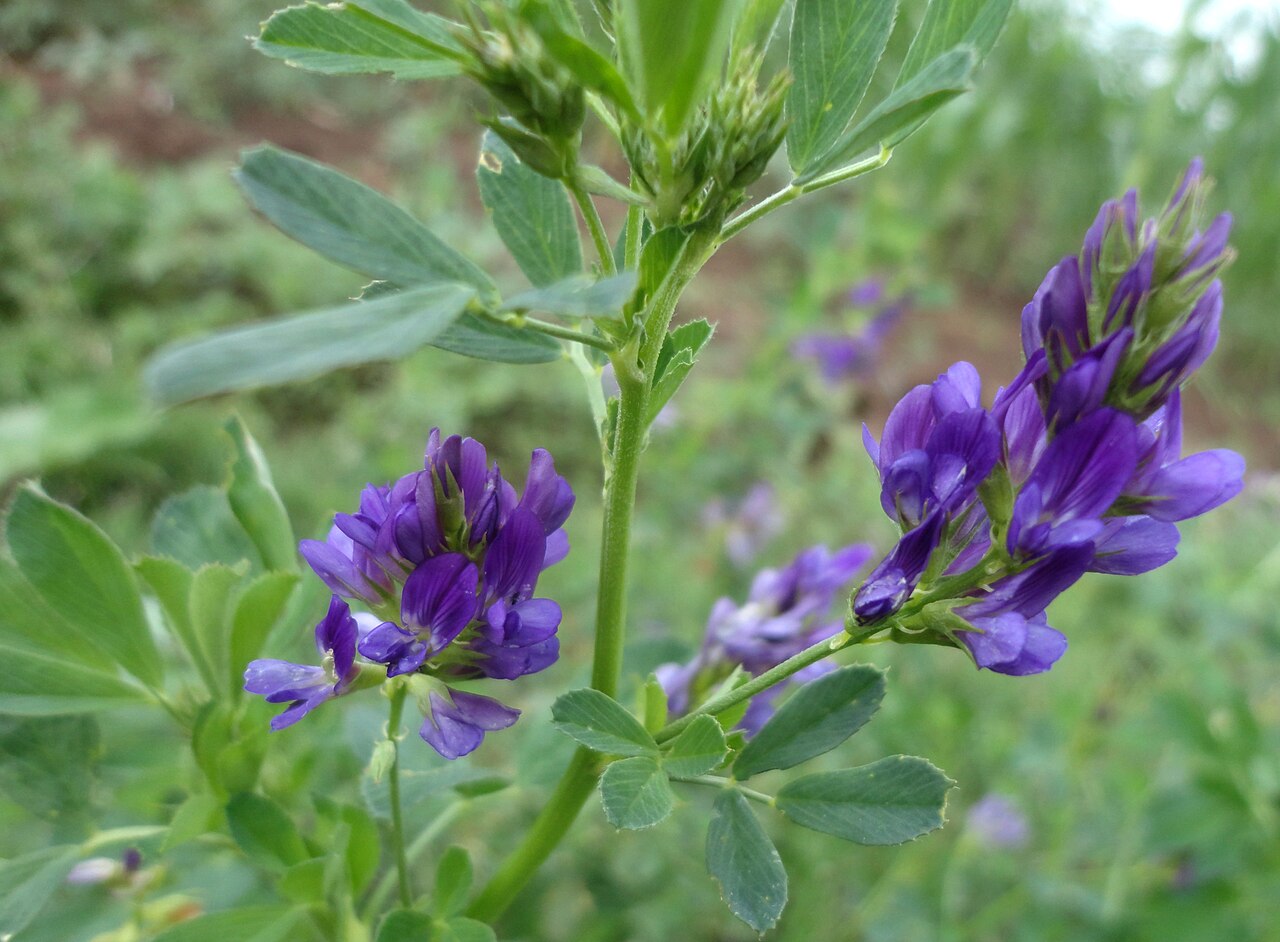
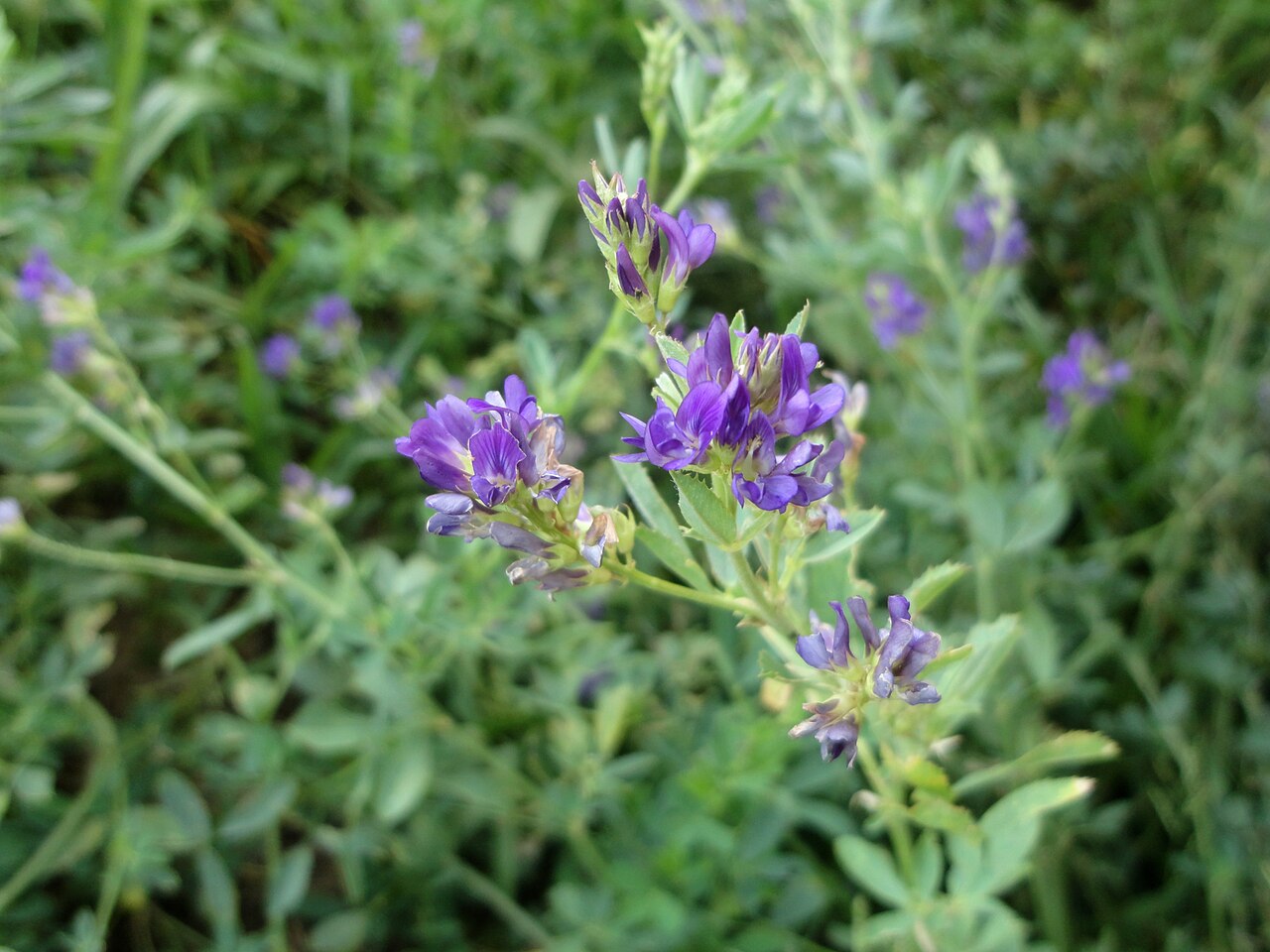
Cut when plants reach early bloom, about two months after emergence for the first cut, leaving 2 to 3 inches of stubble, and repeat through the season as regrowth allows. Use cuttings for mulch, compost, or forage, and let some plants flower for bees — alfalfa flowers are a genuine pollinator resource, purple and rich in nectar. For sprouts, use only untreated seed sold for sprouting, grown indoors in a jar. When the patch is done, dig the residue in and plant a hungry follower crop, which will inherit Ranger’s nitrogen gift.
Nerdy fact: Ranger’s parentage reads like a travelogue of hardy alfalfas — Cossack from the Russian steppe, Turkistan from Central Asia, Ladak from high, dry mountains — which is why a variety bred in Nebraska in 1942 still survives dry years that defeat softer modern types.
Saving seeds
Ranger is the alfalfa your grandfather would recognize, and the one ranchers still ask for by name: released in 1942 from a Nebraska program, selected from hardy Cossack, Turkistan, and Ladak strains, it earned the nickname ‘the old standby’ by being tough, winter-hardy, drought-tolerant, and long-lived in places where fancier varieties gave up. As an open-pollinated alfalfa it comes true from seed: sow in fall, when the heat breaks, in the deepest, best-drained, most nearly neutral soil you can build — alfalfa hates acid, waterlogged ground with a passion, and Florida’s sandy, acidic soils need lime and organic matter before they will suit it. A small broadcast patch, a few square feet, is plenty for sprouts, green manure, and pollinator flowers. The full method is in the Saving seeds section of the Alfalfa guide.