
💙 Blue Horizon Ageratum
What it looks like
Why this variety
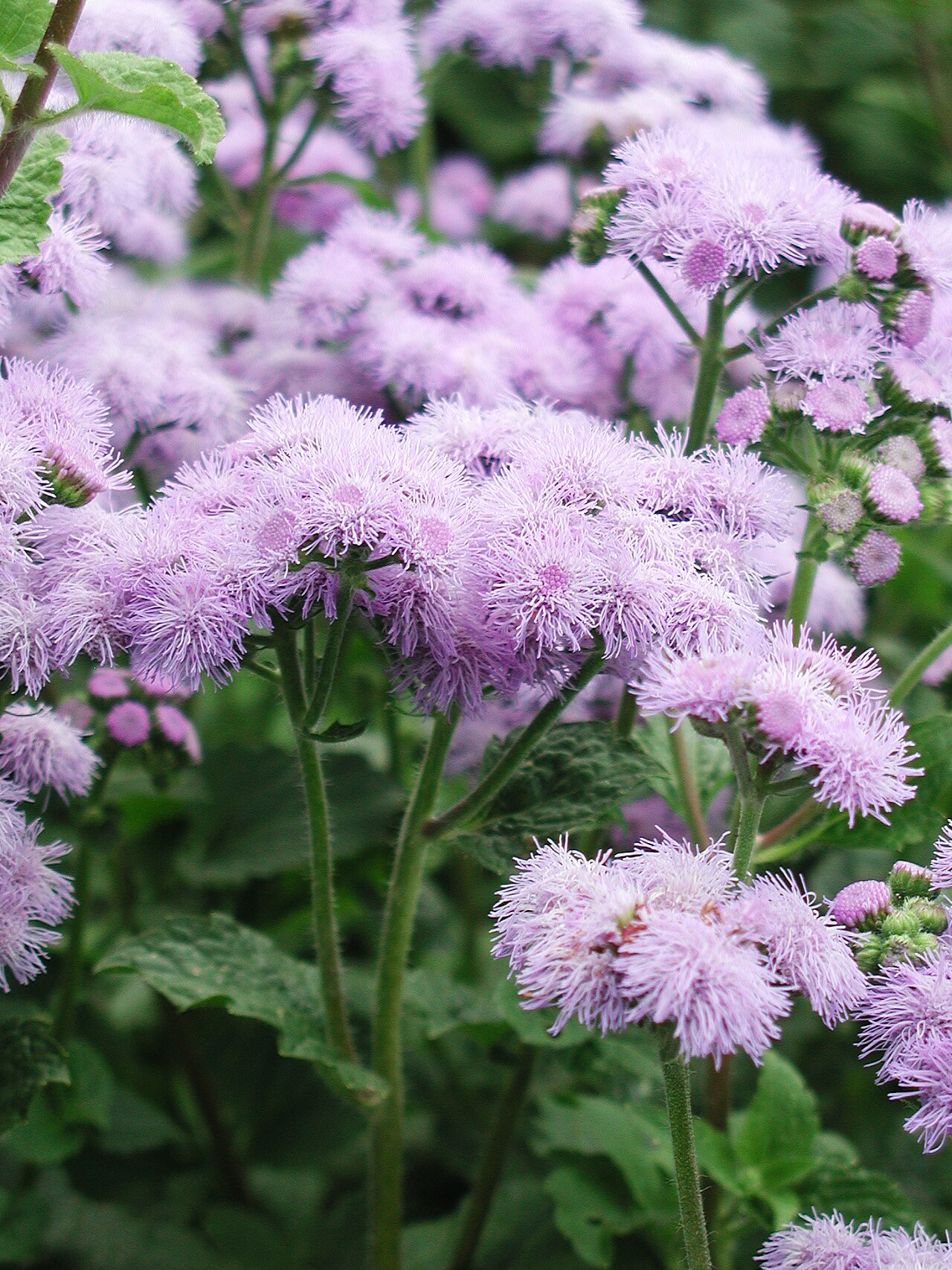
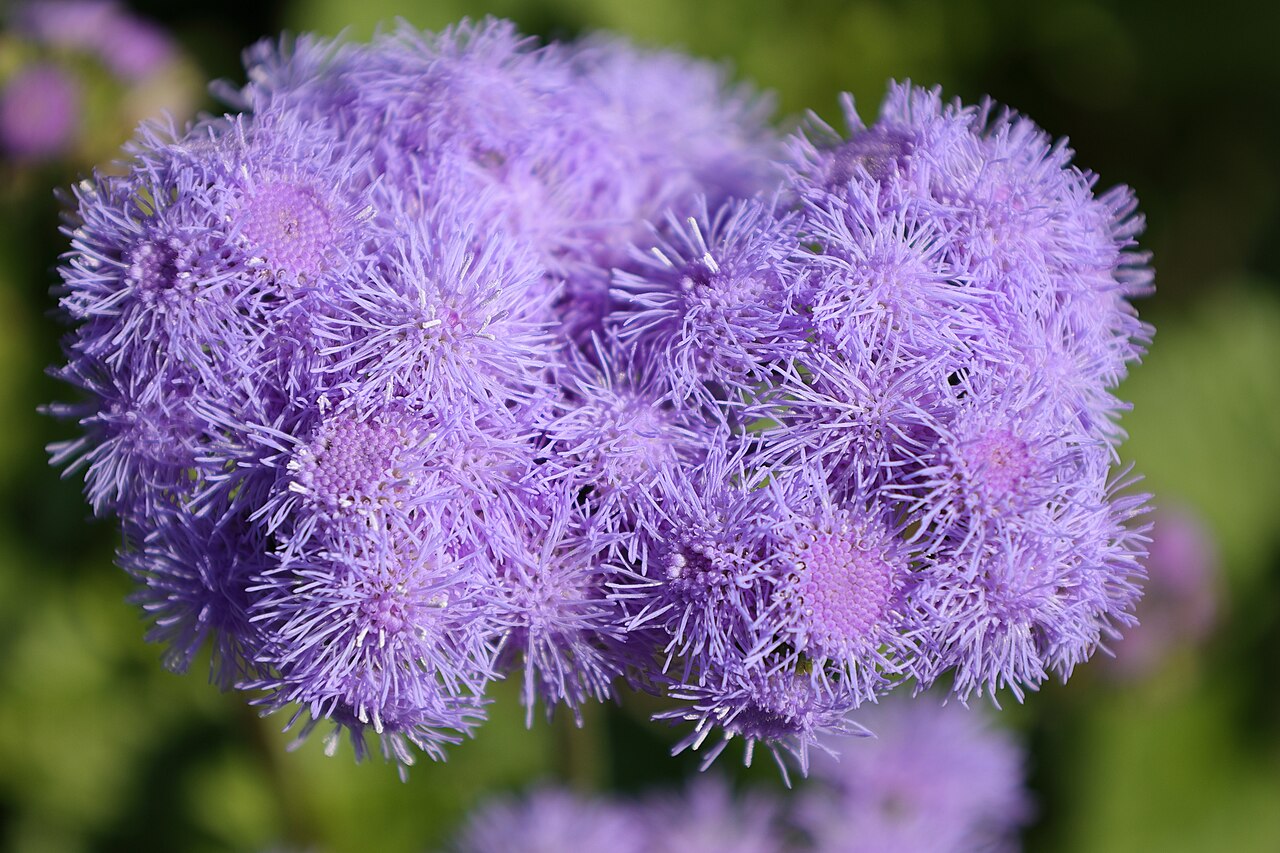
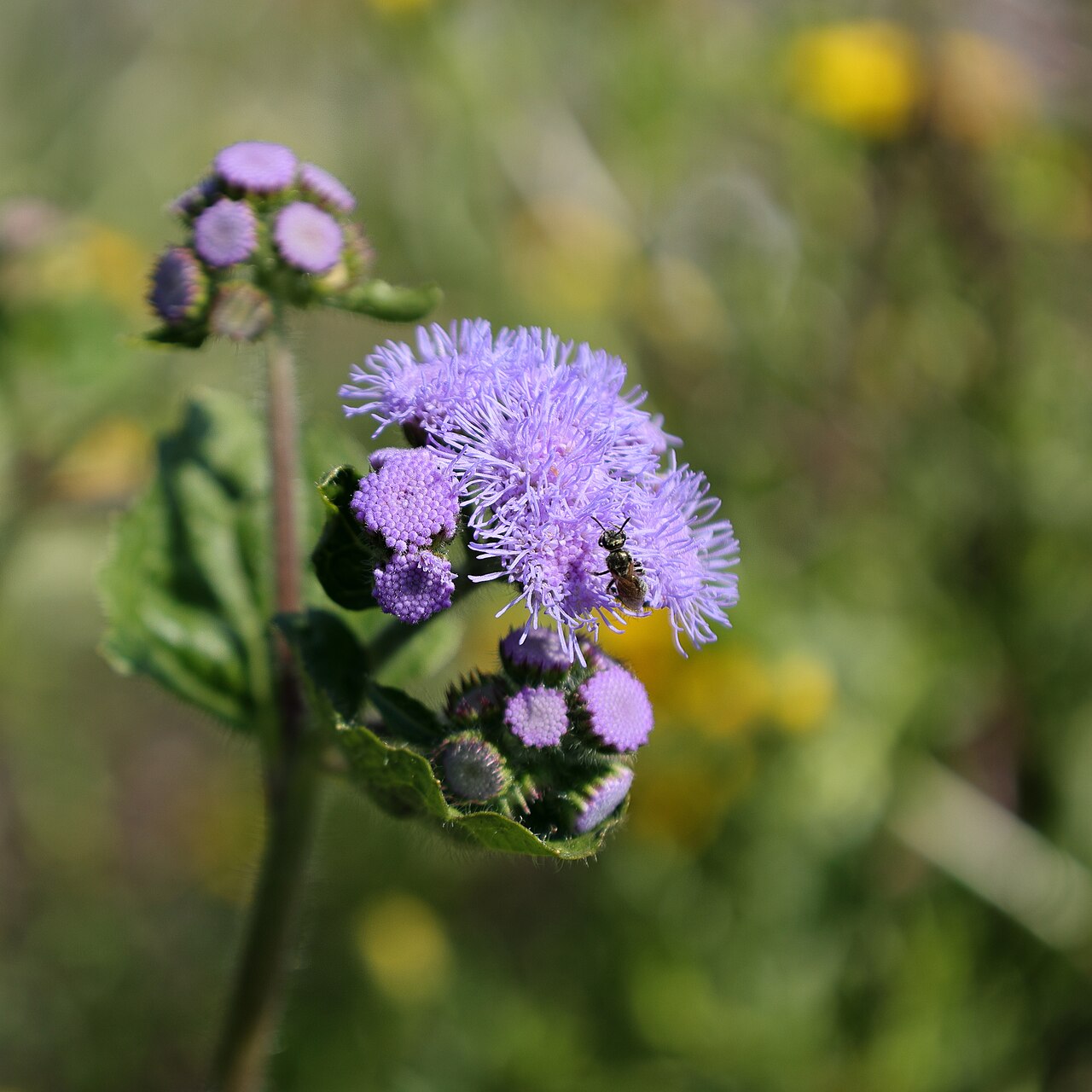
Blue Horizon changed what ageratum was for. Before it, flossflower was a bedding edger and nothing else; Blue Horizon is a vigorous, triploid F1 hybrid that grows 24 to 30 inches tall, with purplish-blue flower clusters up to 3 inches across on stems long enough to cut. It is fragrant, which the dwarf bedding types mostly are not, and it does not set seed, which means it keeps throwing new flowers instead of retiring to make seed heads. It won the Royal Horticultural Society’s Award of Garden Merit, and it earned it by being a different plant from its cousins, not just a taller one.
The trade-off is that Blue Horizon wants room and a job: it is too tall and too rangy for edging, and it looks leggy if you crowd it into a front-row slot. Plant it mid-border, among perennials that need a shot of all-summer blue, or in a cutting patch where you can harvest stems freely — cutting is deadheading here, and the plant answers every cut with more flowers. Two or three successive plantings extend the show if you want cutting material into fall.
If you are new to choosing between cultivars, the Varieties Matter guide explains why the name after the plant matters as much as the plant itself. Blue Horizon is a perfect example: it is not just a ageratum in the abstract, it is a ageratum with a specific job, a specific history, and specific strengths.
In Florida, Blue Horizon works statewide as a warm-season annual, and it is the ageratum to plant if you want blue cut flowers rather than a blue edge. Its height is an asset in a Florida cutting bed, where tall annuals hold their own against the state’s exuberant growth, but give it steady water — a tall annual in Florida sun that dries out will sulk fast. Stake in exposed sites; a 30-inch annual in a summer thunderstorm is a sail.
How to grow
Start seeds indoors 6 to 8 weeks before the last frost, or buy transplants — ageratum seed is tiny and slow, so a head start pays. Set plants out after frost danger in fertile, well-drained soil, and work worm castings into the bed at planting. Ageratum is a warm-season annual that wants steady moisture and sun; mulch lightly to hold moisture, and do not plant it in a spot that dries to dust between waterings, because a thirsty ageratum stops blooming and does not apologize.
Set plants 12 inches apart in soil with a pH around 6.0-7.0. Work worm castings into the bed at planting and mulch to hold moisture. A well-fed ageratum plant rewards that care directly: steadier growth, better bloom, and a show that actually shows up.
Water & feeding
Keep soil evenly moist but never soggy — ageratum is a warm-season annual that wilts fast in dry soil and rots in standing water. Water at the soil line, mulch lightly to hold moisture, and feed lightly: castings at planting plus a balanced liquid feed every few weeks during heavy bloom is plenty. Overfeeding makes leggy plants with fewer flowers, so feed for bloom, not for bulk.
Common problems
- Aphids on new growth — blast with water and encourage ladybugs; avoid broad-spectrum sprays that kill the predators doing the job for free.
- Powdery mildew in humid, crowded plantings — space for air, water at the soil line, and remove badly affected leaves.
- Wilting in dry soil — ageratum wilts fast and recovers slowly; mulch and steady water prevent it, and no fertilizer fixes a dry plant.
- Skin irritation — some people react to ageratum foliage on contact, so wear gloves when handling it, especially ‘Blue Danube’ types noted for this.
- Fading color in intense heat — afternoon shade in the hottest gardens keeps blue flowers richer and plants less stressed.
Harvest
Cut flowers for bouquets from tall types like Blue Horizon whenever stems are long enough — cutting is deadheading, and the plant answers every cut with more flowers. For bedding types, shear lightly after the first big flush if bloom slows, and the plants will rebloom. At season’s end, pull annual plants and compost them; ageratum does not overwinter outdoors in cold zones, and in frost-free zones it is still best replanted fresh for uniform color.
Browse all plant & pest guides
Saving seeds
Blue Horizon is a sterile triploid F1 hybrid, so there is no viable seed to save — buy fresh seed or transplants each season. The Saving seeds section of the Ageratum guide covers the seed method for open-pollinated types.