
💜 Purple Smoke Baptisia
What it looks like
Why this variety
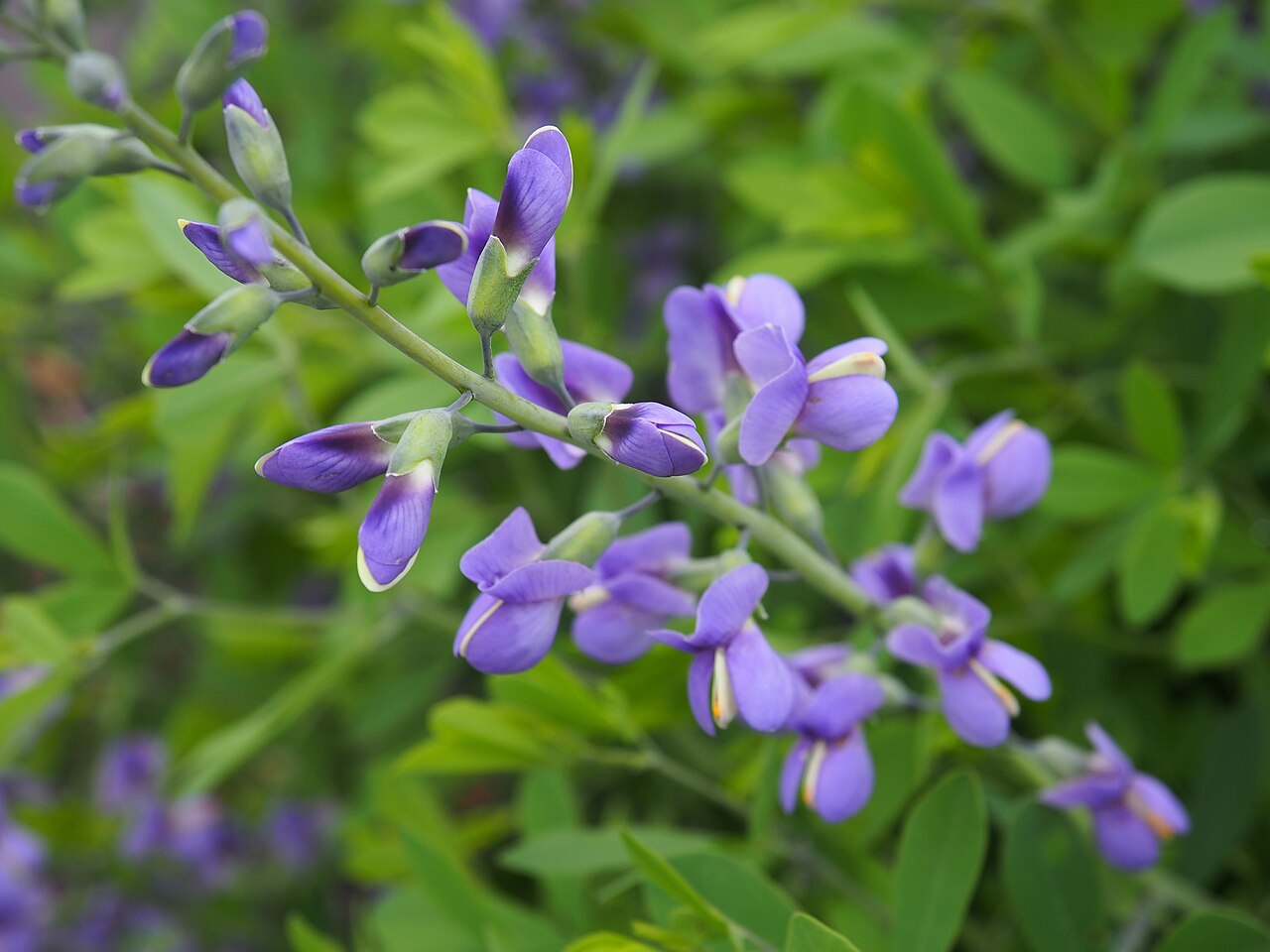
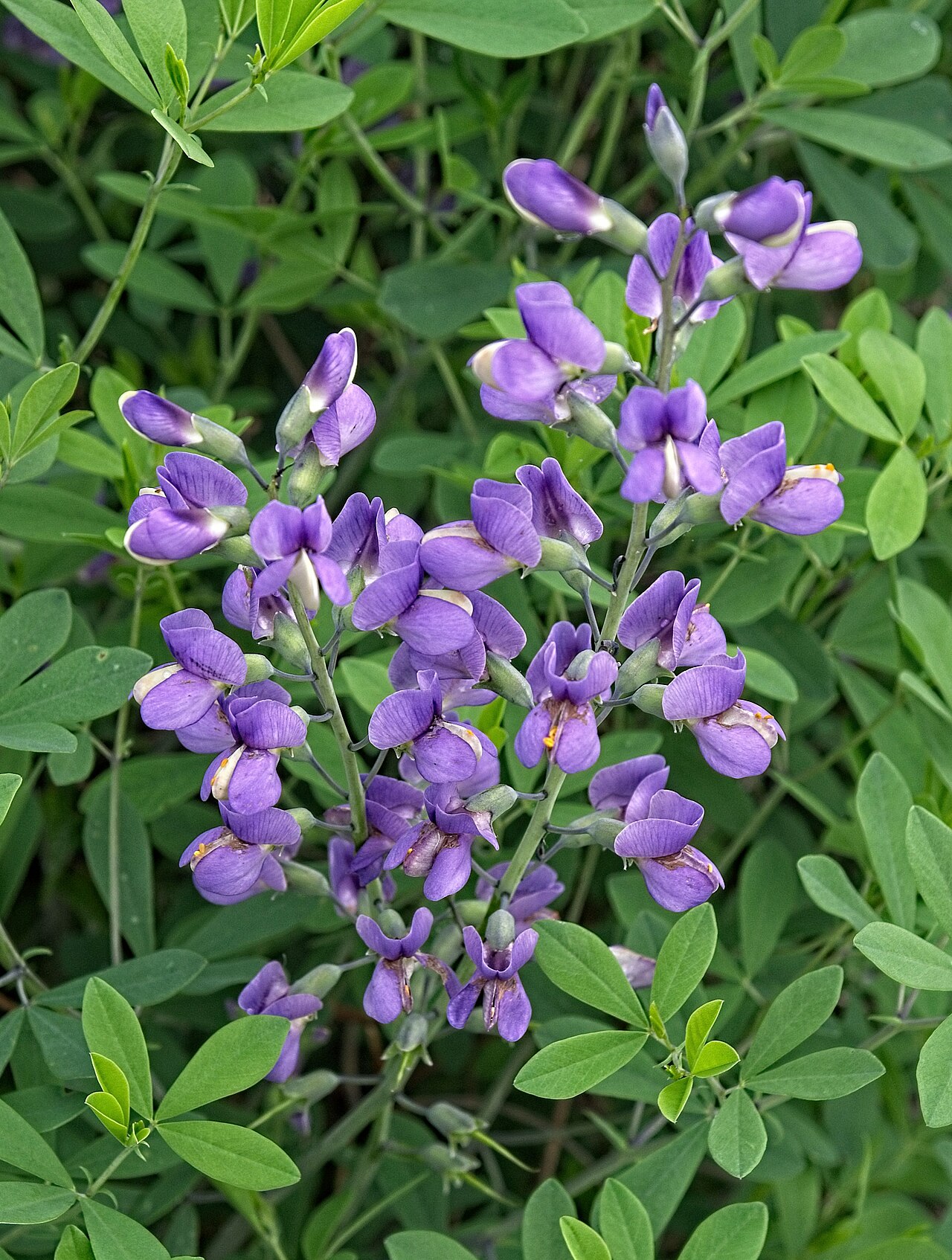
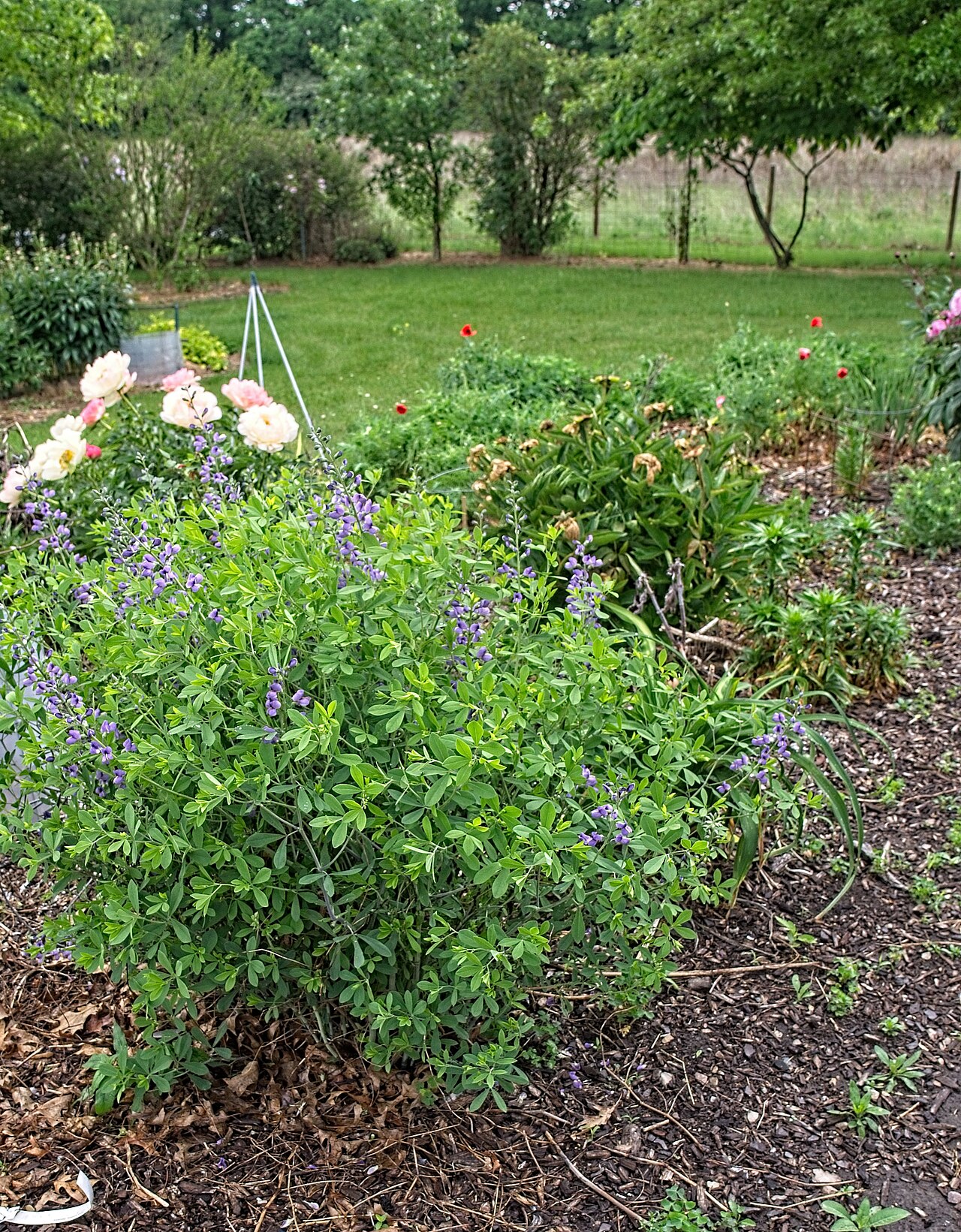
Purple Smoke is a hybrid false indigo — a cross of Baptisia australis (blue) and Baptisia alba (white) — and its flowers are the reason hybrids exist: smoky violet, like purple seen through a veil of white, on long, lupine-like spikes over shrubby, densely branched plants 3 to 4.5 feet tall. It blooms for about five weeks, longer than many species types, and like all baptisias it is long-lived, deep-rooted, drought-tolerant once established, and deer-resistant — a prairie native’s toughness dressed up in a color the prairie never quite produced on its own. It will not come true from seed, so buy plants, not seed packets, if Purple Smoke specifically is what you want.
The trade-off is baptisia’s universal bargain: patience and permanence. Baptisias take two to three years from seed to first bloom (nursery plants usually bloom in year two), grow a deep taproot that resents moving, and spend their first season looking like not much — then, once established, they become shrub-sized mounds that outlive most of the garden around them and need almost nothing. Do not move a mature Purple Smoke; do not plant it where you will want a path next year. Plant it once, in full sun and well-drained soil, and let it become a fixture.
If you are new to choosing between cultivars, the Varieties Matter guide explains why the name after the plant matters as much as the plant itself. Purple Smoke is a perfect example: it is not just a baptisia in the abstract, it is a baptisia with a specific job, a specific history, and specific strengths.
In Florida, baptisia is a North Florida plant first and a trial elsewhere: the species range runs to zone 9, but Florida’s wet summers and humidity are not prairie weather, and baptisia hates wet feet more than it hates heat. In North Florida, plant Purple Smoke in full sun in sharply drained soil — raised beds help where summer rain ponds — and give it room to become a 4-foot mound. In Central Florida, treat it as a trial with drainage as the deciding factor; in South Florida, expect failure and plant something else without guilt.
How to grow
Plant in spring or fall in full sun and well-drained soil, and plant it where it can stay — baptisia grows a deep taproot that forbids moving once established, and it takes two to three seasons to become the shrub-sized mound it wants to be. Work worm castings into the planting hole, do not overwater it (it hates wet feet more than drought), and give it 3 to 5 feet of room in every direction. Year one is a promise, year three is a plant, and year five is a landmark.
Set plants 24-36 inches apart in soil with a pH around 5.5-7.0. Work worm castings into the bed at planting and mulch to hold moisture. A well-fed baptisia plant rewards that care directly: steadier growth, better bloom, and a show that actually shows up.
Water & feeding
Water through the first season, then water only in drought — established baptisia is deeply taprooted and drought-tolerant, and overwatering, especially in heavy soil, rots it. Water at the soil line, mulch lightly, and feed sparingly: castings at planting is usually enough for years, because a prairie plant in rich soil grows lush and flops. Lean soil makes a sturdier baptisia, which is a useful paradox.
Common problems
- Slow establishment — baptisias look like not much in year one; be patient, do not move them, and judge them in year three, not year one.
- Rot in wet soil — the taproot rots in soil that stays wet; plant in sharp drainage or raised beds where summer rain ponds.
- Flopping in rich, overfed soil — lean soil makes sturdier baptisias; do not overfeed, and stake only if your site is very windy.
- Seed pods and self-seeding — pods are ornamental, but seedlings vary; remove pods if you do not want volunteers, or let them seed for a naturalized look.
- Damage from moving — a moved mature baptisia usually dies; plant it once, in its permanent spot, with room to become a shrub-sized mound.
Harvest
Cut spikes for bouquets in late spring, when flowers are fully open — baptisia spikes last well in water and their pea flowers suit tall, natural arrangements. Leave some spikes to form the ornamental black seed pods, which are excellent in dried arrangements and rattle charmingly when shaken. Cut the whole plant back in late fall or early spring, and do not divide a mature plant unless you must: its taproot makes division a rescue operation, not routine care.
Browse all plant & pest guides
Saving seeds
Purple Smoke is a hybrid false indigo — a cross of Baptisia australis (blue) and Baptisia alba (white) — and its flowers are the reason hybrids exist: smoky violet, like purple seen through a veil of white, on long, lupine-like spikes over shrubby, densely branched plants 3 to 4.5 feet tall. It blooms for about five weeks, longer than many species types, and like all baptisias it is long-lived, deep-rooted, drought-tolerant once established, and deer-resistant. It will not come true from seed, so buy plants, not seed packets, if Purple Smoke specifically is what you want. Plant in spring or fall in full sun and well-drained soil, and plant it where it can stay — baptisia grows a deep taproot that forbids moving once established, and it takes two to three seasons to become the shrub-sized mound it wants to be. The full method is in the Saving seeds section of the Baptisia guide.