
🌿 Apple Mint
What it looks like
Why this variety
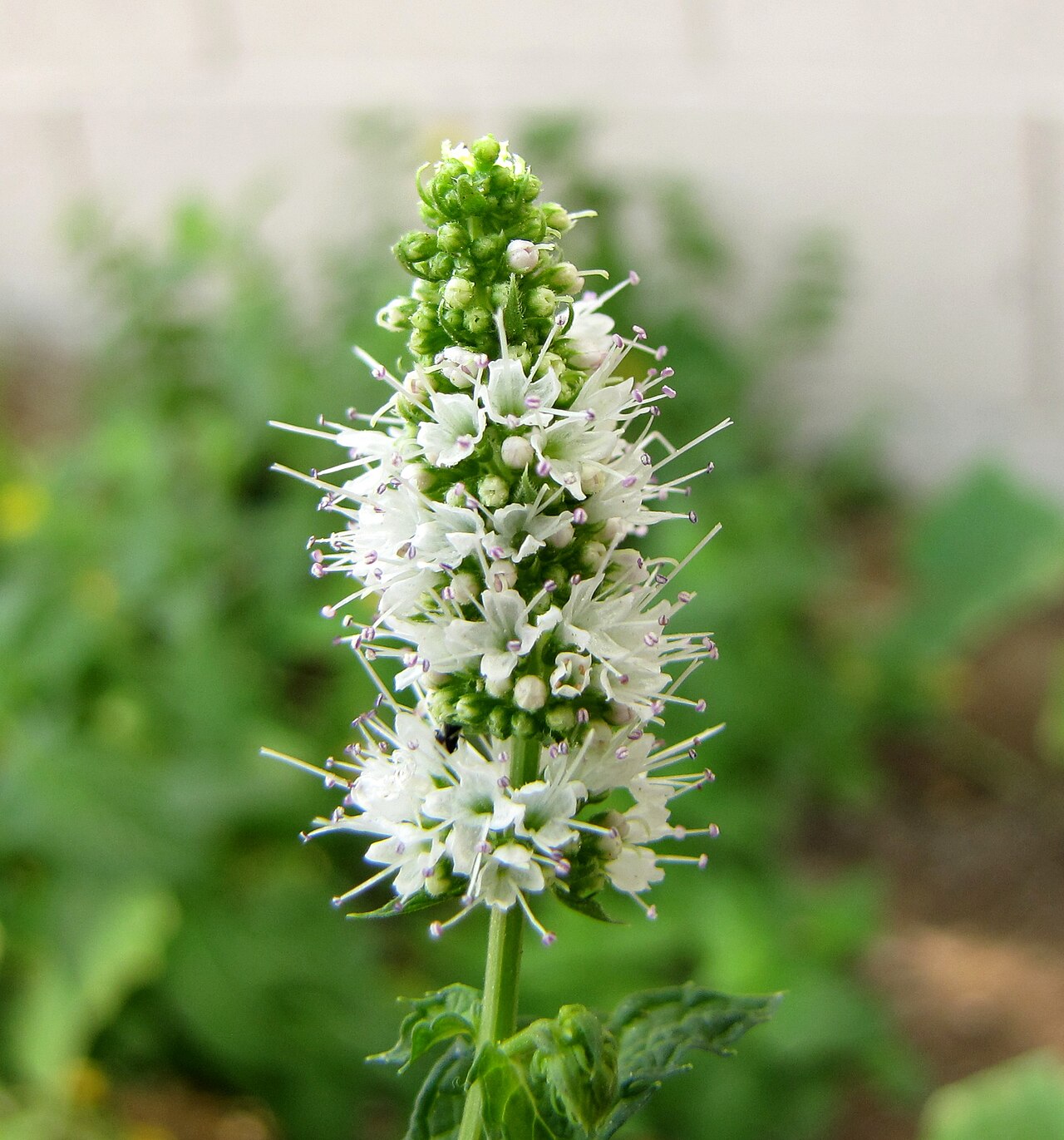
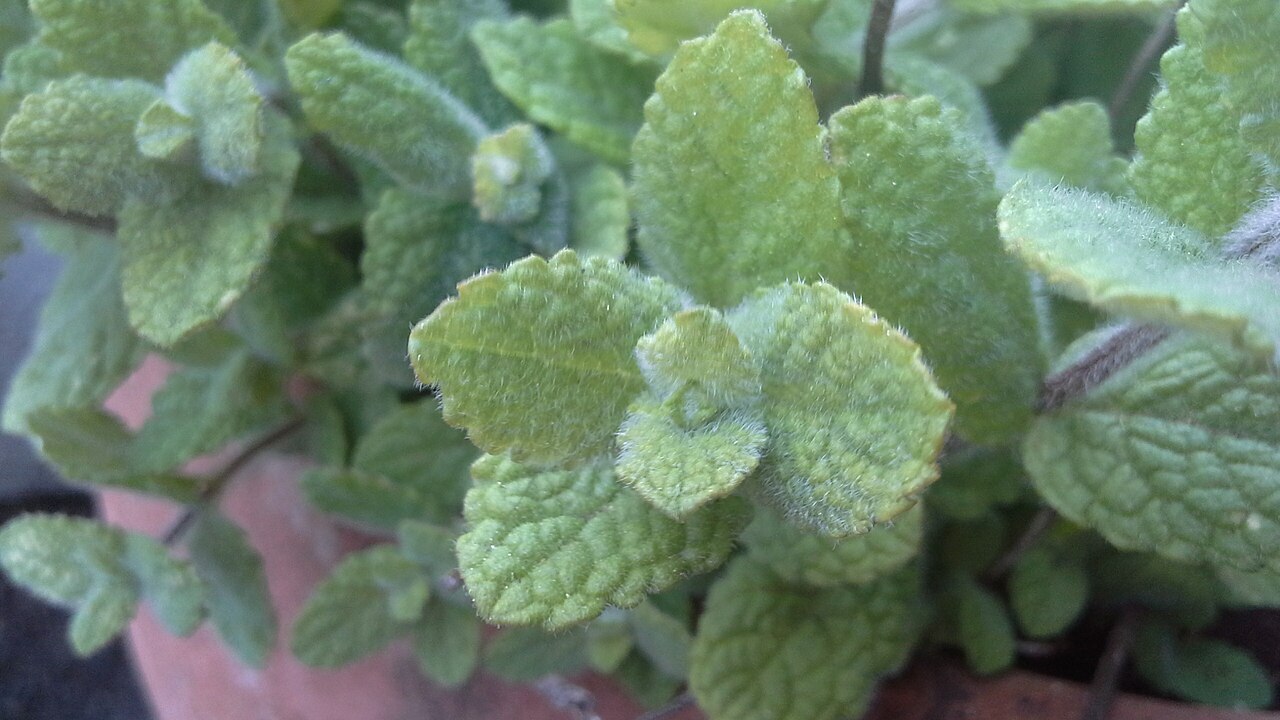
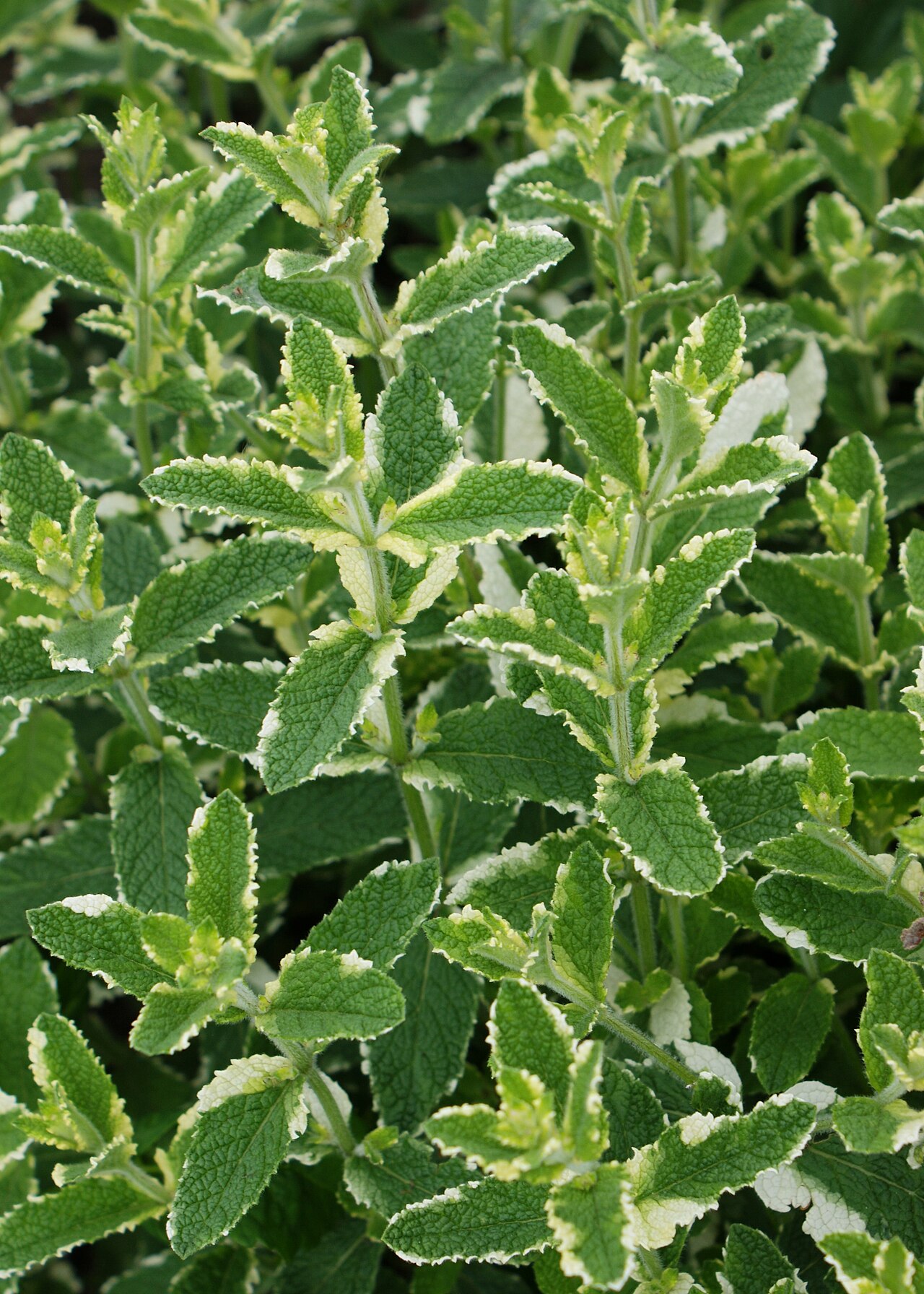
Apple mint is the gentle mint. Where peppermint cools and spearmint sharpens, apple mint — Mentha suaveolens, also called woolly mint for its soft, downy, round leaves — offers a mild, fruity, apple-like scent and flavor that is less menthol and more orchard. It is the mint for fruit salads, mint jelly, teas, and desserts, where a strong mint would bully the other flavors.
An honest species note: apple mint is not spearmint or peppermint, the two mints named on the Mint species guide — it is its own species, filed here under Mint because that is where gardeners look for it, and because it behaves exactly like other mints in the ways that matter: it spreads by runners, it wants a pot, and it rewards regular picking with bushy regrowth. Treat it like mint, cook with it like apple mint, and everyone is happy.
How to grow
Buy plants or divisions; apple mint grows readily from cuttings and divisions, and seed varies. Plant in spring in a pot at least 12 inches wide with rich, moist mix, or in a bed with a root barrier — never loose in a bed, or it will colonize it within a season. In Florida, part shade in the hottest months keeps the soft leaves from crisping.
Space pots well apart if growing several mints, since runners escape drainage holes and labels lie. Pinch tips often to keep plants bushy, and cut back by half after the first flush for fresh, soft growth. Divide crowded pots in spring or fall.
Water & feeding
Water regularly, keeping soil lightly moist; apple mint wants more water than Mediterranean herbs and wilts fast in drought, though it recovers quickly once watered. Pots in summer may need daily checks in hot weather.
Feed lightly with castings at planting and a modest side-dress in spring. Rich, moist soil suits apple mint, but soggy, waterlogged mix invites root rot — moist, not swampy, is the line.
Common problems
- Spreading by runners — the mint rule. Pots, sunk containers, or root barriers only; never loose in a bed, no matter how tempting the empty corner looks.
- Rust in humid, still air — common on mints; remove affected leaves, improve airflow, and cut back hard for clean regrowth.
- Aphids on tender tips — a water jet clears them, and stressed, dry plants attract them first.
- Leaf scorch in harsh sun and drought — part shade and steady water keep the soft, woolly leaves intact through summer.
Harvest
Pick leaves from 6–8 weeks after planting, taking top sets and leaving plenty behind; apple mint’s flavor is mildest and fruitiest on young leaves, so pick often and keep plants young. Use fresh in fruit salads, teas, jellies, and desserts, or dry on a screen for winter tea.
Cut plants back by half after the first harvest for a fresh flush, and take cuttings in spring or fall for new plants — a stem in water roots in days, which is both a propagation method and a warning about mint’s ambitions.
Browse all plant & pest guides
Saving seeds
Apple mint is its own species, so seed varies — propagate it from cuttings or divisions instead. The Saving seeds section of the Mint guide covers seed for the named mints.