
🌿 White Peppermint
What it looks like
Why this variety
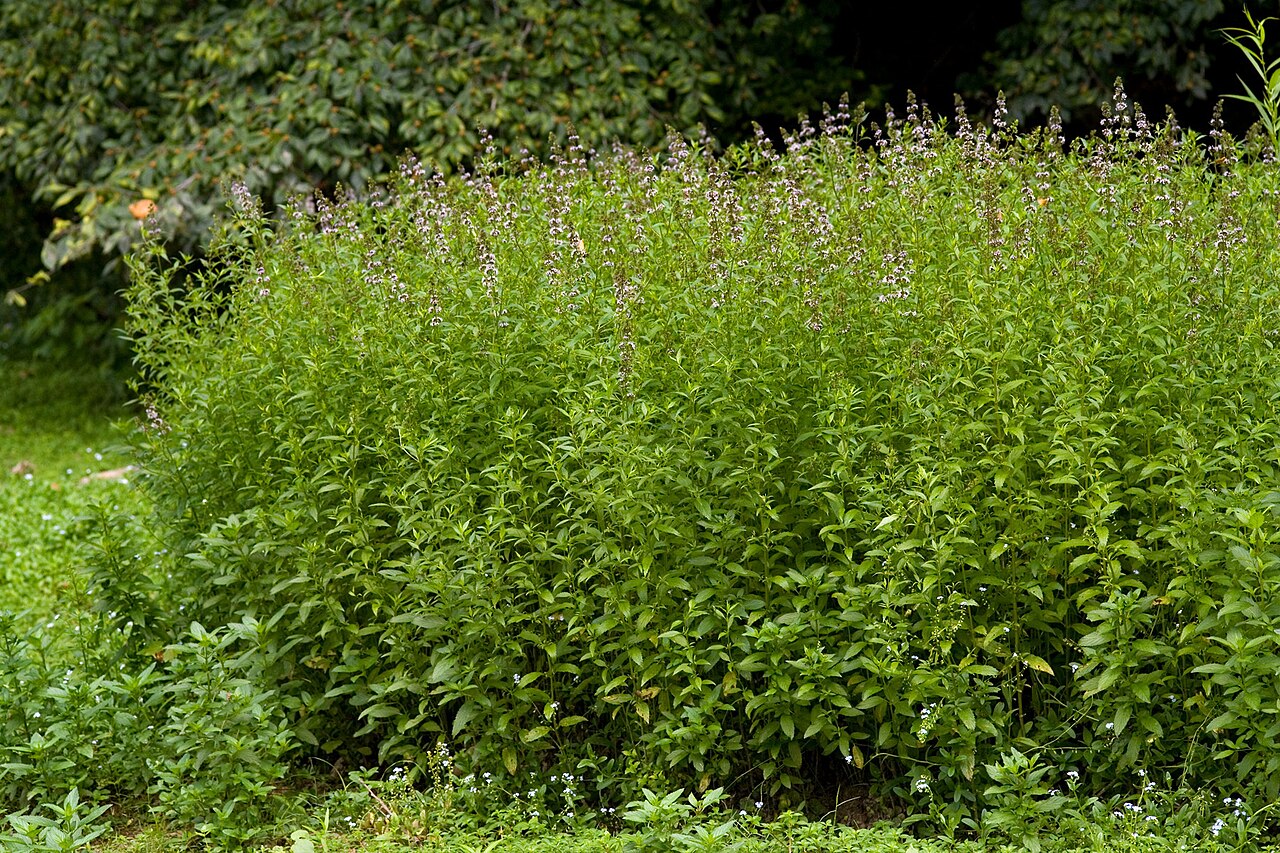
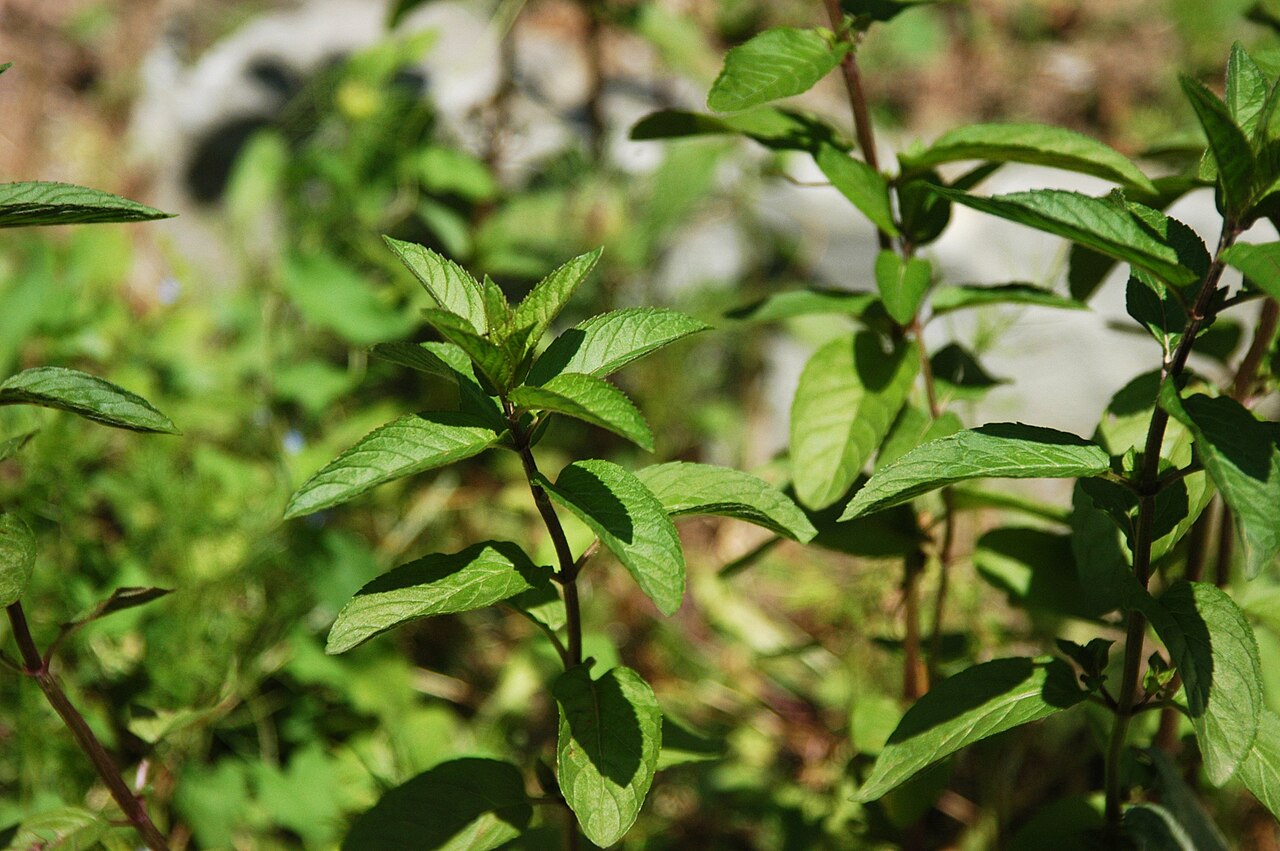
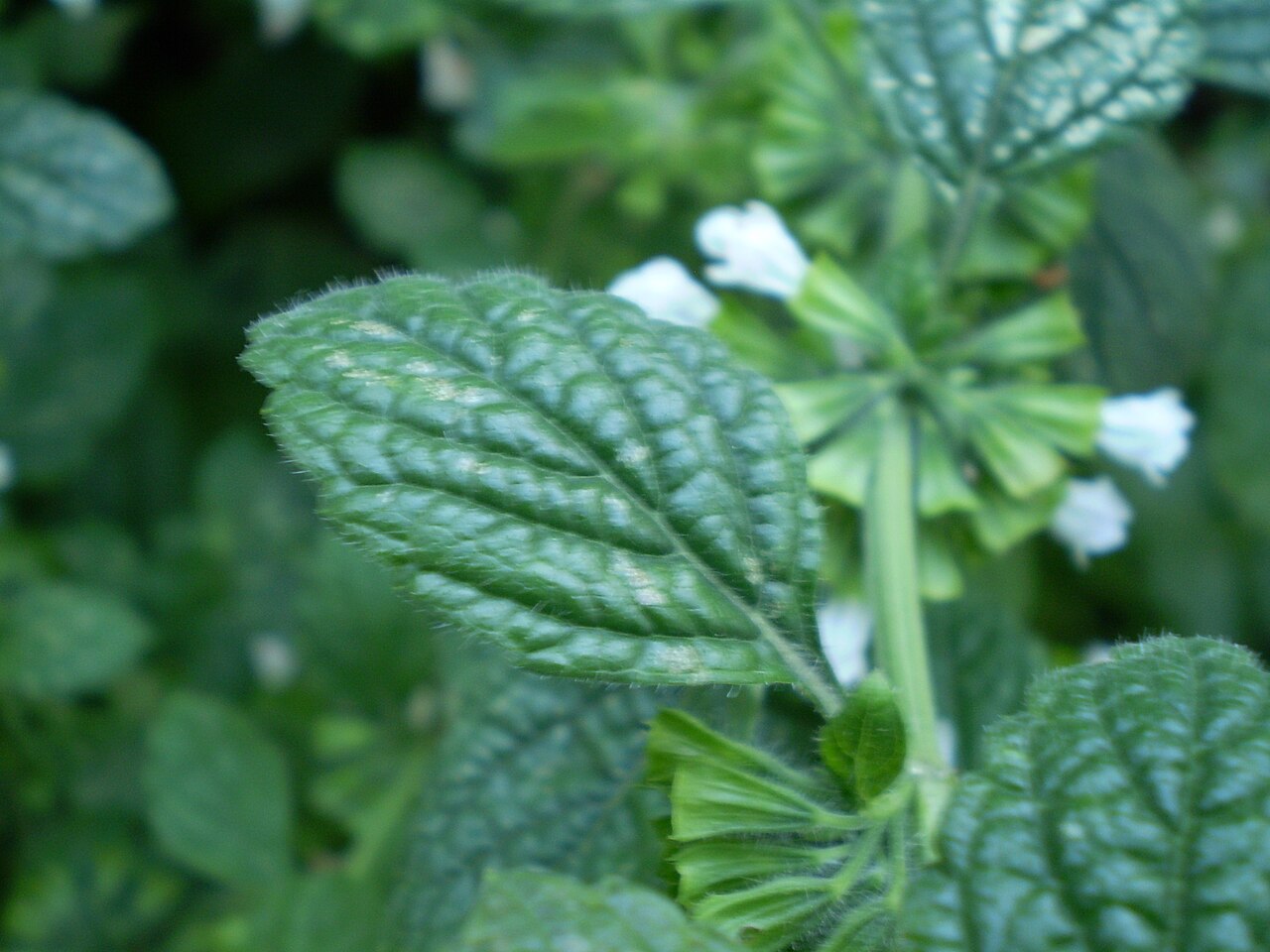
White Peppermint is peppermint without the dark uniform. Where Black Mitcham carries purple-flushed stems and dark leaves, White Peppermint — the traditional pale-stemmed form, sometimes called White Mitcham — has light green leaves, paler stems, and a milder, more delicate menthol flavor that herbalists historically preferred for drying and for teas where a gentler mint was wanted. It is the same species and the same hybrid, wearing lighter colors and speaking more softly.
That mildness is a feature, not a weakness: in delicate teas, fruit dishes, and desserts where Black Mitcham would dominate, White Peppermint seasons without shouting, and its larger, lighter leaves are easier to pick and dry in quantity. It is slightly less vigorous than black types, which in mint terms is a compliment — it still spreads by runners and still lives in a pot, but it asks a little less insistently for room.
How to grow
Buy plants or divisions; like all peppermints it is sterile and does not come true from seed. Plant in spring in a pot at least 12 inches wide with rich, moist mix, or in a bed with a root barrier, in full sun to part shade. In Florida, part shade in the hottest months keeps the pale leaves from scorching.
Pinch tips for bushiness, cut back by half after the first flush, and divide crowded pots in spring or fall. White Peppermint’s lighter growth shows stress sooner than dark types — pale, thin leaves usually mean it wants water or a bigger pot, not more fertilizer.
Water & feeding
Water regularly, keeping soil lightly moist; white peppermint wilts faster than black types in drought and recovers quickly once watered. Pots in summer need frequent checks, but never sit in standing water.
Feed lightly with castings at planting and a modest spring side-dress. Moderate fertility keeps the flavor delicate; heavy feeding pushes coarse, less aromatic growth.
Common problems
- Spreading by runners — pots or root barriers only, as with all peppermints.
- Mint rust in humid air — remove affected leaves, improve airflow, cut back for clean regrowth.
- Scorch in harsh sun — pale leaves burn sooner than dark ones; part shade in hot gardens is prevention.
- Confusion with black types in mixed plantings — label pots, since white and black peppermint look alike when young and taste different enough that a mix-up matters in tea.
Harvest
Pick leaves from 60–90 days, taking top sets for the mildest flavor; White Peppermint is traditionally the drying peppermint, so cut stems just before flowering, dry on a screen out of direct sun, and store whole leaves in sealed jars — dried white peppermint keeps a clean, gentle menthol scent that suits teas better than the fiercer black types.
Cut back after harvest for a second flush, and divide in spring or fall for new plants. A pot of white peppermint and a pot of black, side by side, is the cheapest flavor experiment a tea drinker can run.
Browse all plant & pest guides
Saving seeds
White Peppermint is peppermint without the dark uniform. Where Black Mitcham carries purple-flushed stems and dark leaves, White Peppermint — the traditional pale-stemmed form, sometimes called White Mitcham — has light green leaves, paler stems, and a milder, more delicate menthol flavor that herbalists historically preferred for drying and for teas where a gentler mint was wanted. It is the same species and the same hybrid, wearing lighter colors and speaking more softly. Seed will not repeat it: like all peppermints it is sterile and does not come true from seed. Buy plants or divisions, plant in spring in a pot at least 12 inches wide with rich, moist mix — or in a bed with a root barrier, because it still spreads by runners — and divide crowded pots in spring or fall. The full method is in the Propagation section of the Peppermint guide.