
🌸 Cherokee Red Clover
What it looks like
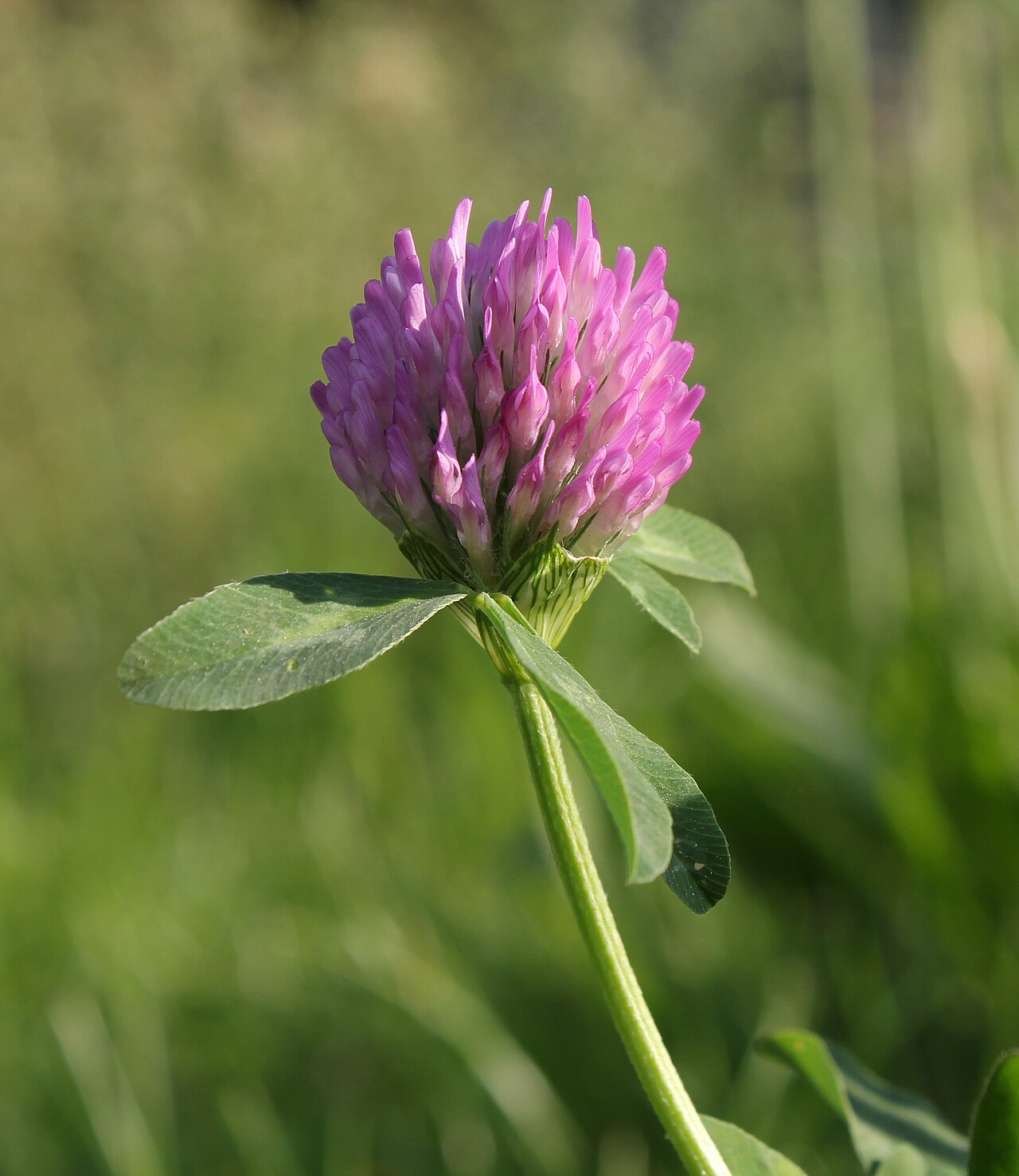
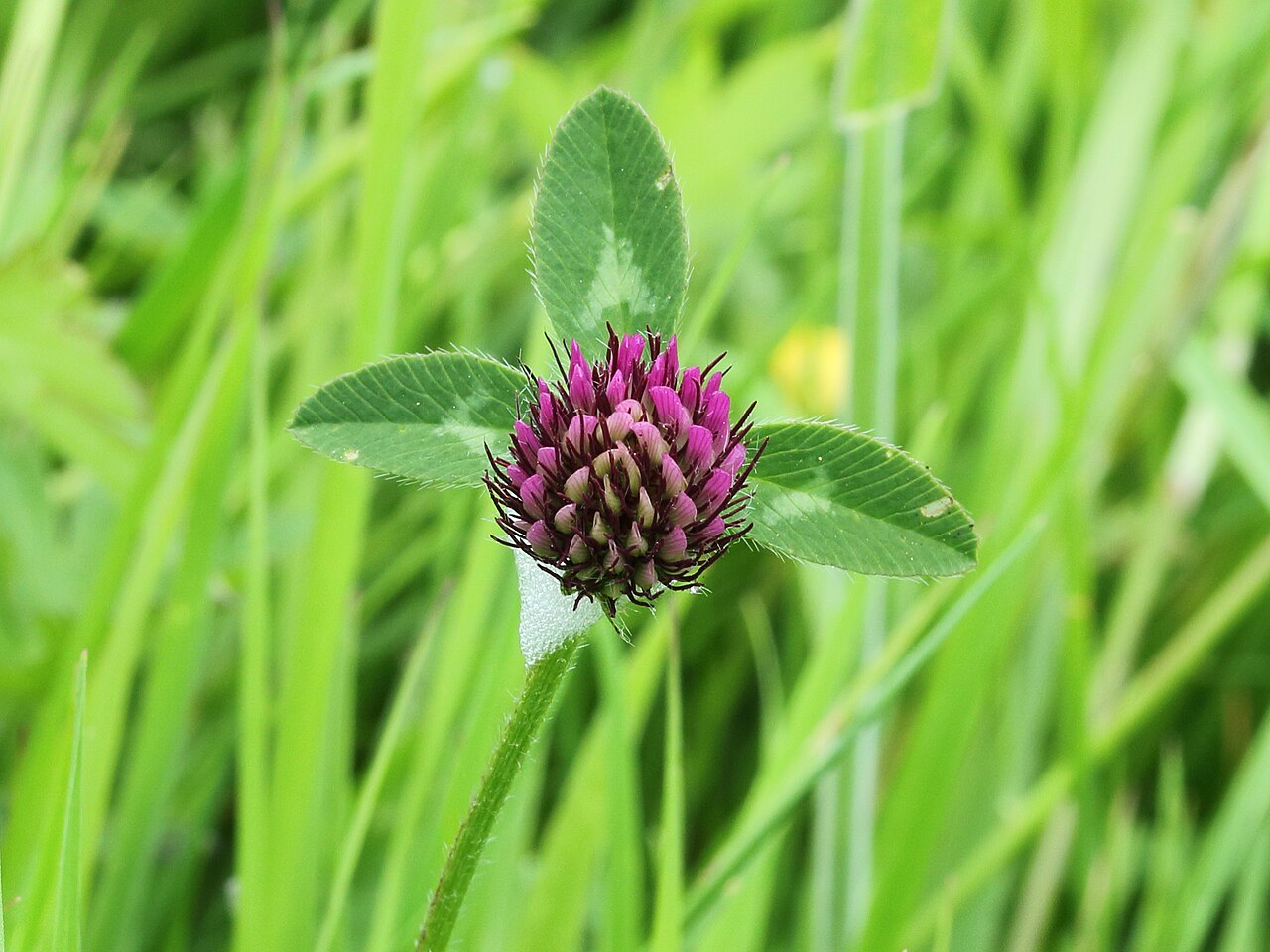
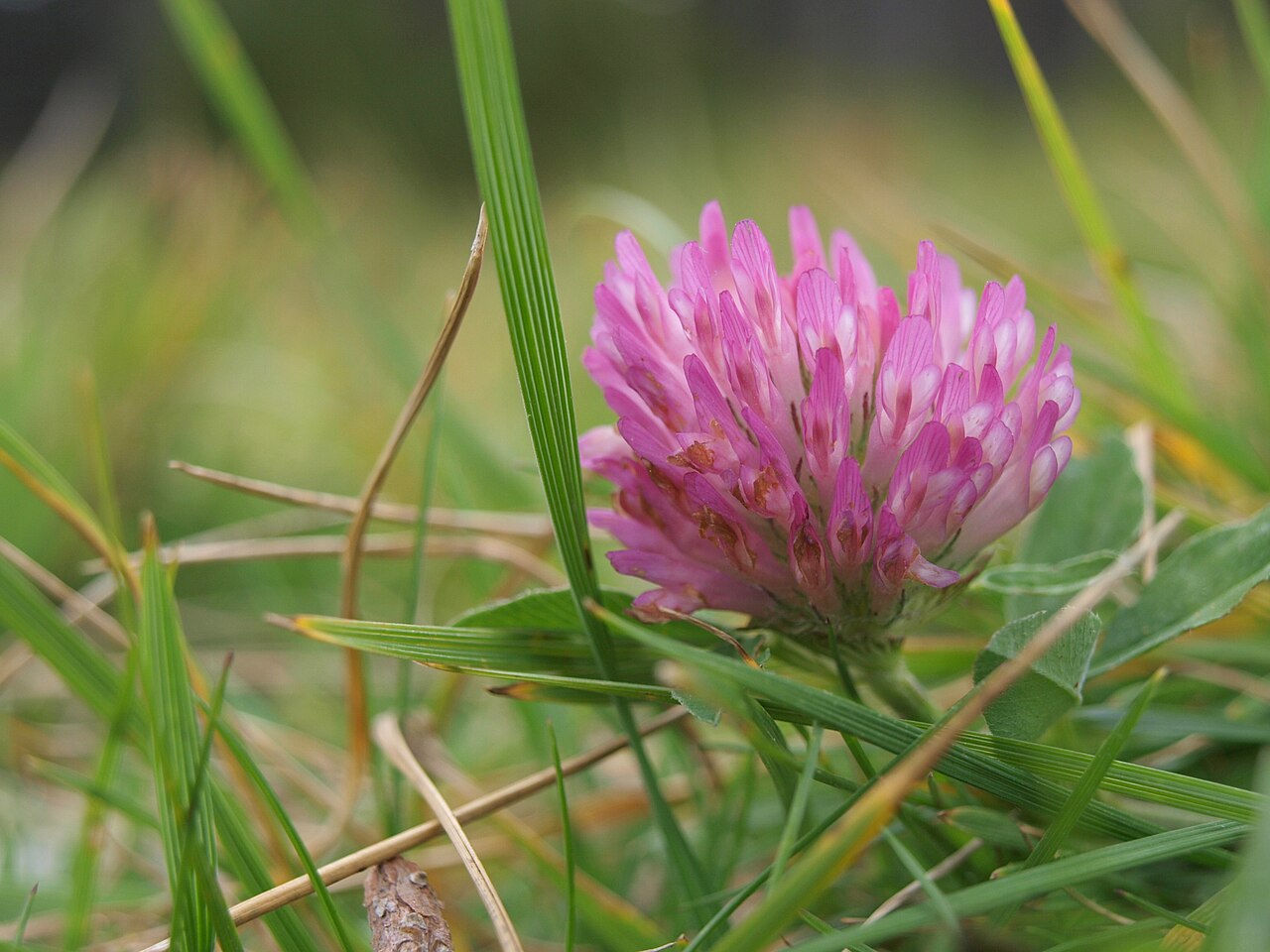
Why this variety
Cherokee is the red clover for warm climates, and that distinction is worth stating plainly: bred in Alabama for persistence in the southeastern United States, it combines heat tolerance with good disease resistance, which makes it the red clover most likely to survive a Southern summer that would end a northern variety. Where Kenland is the classic medium red clover for the transition zone, Cherokee is the Southern specialist, selected for grazing survival and stand persistence under heat and grazing pressure. Plants are leafy and vigorous, with the same pink-purple flower heads bees love, but with a tougher constitution underneath.
The garden advantage is persistence: a red clover patch that survives summer, or at least survives longer into it, gives more nitrogen, more mulch, more bee forage, and more soil cover than a patch that collapses at the first heat wave. Cherokee’s heat tolerance also makes it a better choice for a Florida cool-season patch that you hope will stretch into spring, rather than ending in March. Grow Cherokee if your garden is warm, your summers are long, and you want a clover that does not quit at the first sign of heat — and grow Kenland alongside it if you want to compare a classic with a Southern specialist in your own soil.
If you are new to choosing between cultivars, the Varieties Matter guide explains why the name after the plant matters as much as the plant itself. And if you want the whole clan at a glance, the broader Red Clover guide covers red clovers generally.
How to grow
Red clover in Florida is a cool-season cover crop and pollinator plant, not a summer lawn: sow in fall, once the heat breaks, in full sun, and expect pink-purple flower heads that bees visit constantly through winter and spring. It is a short-lived perennial, twelve to twenty-four inches tall, that fixes nitrogen, smothers weeds, and breaks up the soil with its roots, which makes it one of the best plants to sow in a bed you plan to rest or replant. Summer heat will end most stands, and that is fine — cut it, compost it, or dig it in as green manure, and it has already done its job. Think of red clover as a living mulch with flowers: beautiful, useful, and seasonal.
Sow in fall in a warm climate, broadcasting on a prepared bed and raking in lightly, seed shallow — surface to a quarter-inch — in full sun and soil pH 6.0 or higher. Inoculate with red clover rhizobium unless the bed has grown clover, keep the seedbed moist until emergence, and water about an inch a week while establishing. Cherokee tolerates heat better than Kenland, but it still wants water: heat tolerance is not drought tolerance, so do not confuse the two, and water through dry spells. Cut to two-inch stubble at early bloom and repeat as plants rebloom, leaving time before winter for crowns to store energy.
Water & feeding
Red clover wants steady moisture while it establishes — keep the seedbed damp until seedlings are up, because tiny clover seed dries out fast — and then about an inch of water a week while it grows, at soil level. Work worm castings into the bed before sowing, and skip nitrogen fertilizer, because clover fixes its own. Mulch is usually unnecessary in a broadcast patch, since the clover itself becomes the mulch, but in a row planting, a light mulch between rows holds moisture and suppresses weeds. Do not let a new patch dry out in its first month, and do not waterlog it either — clover in standing water rots at the crown.
Common problems
Anthracnose, powdery mildew, and root and crown rots can still appear in wet weather, so rotation, air, and drainage are the defenses, even for a resistant variety. Drought thins stands, so water through dry periods rather than assuming heat tolerance covers water needs. Aphids may visit; cutting removes most problems. Do not graze or cut a new stand too hard in its first season — let it establish roots and crowns before asking it for heavy production, because a clover patch cut to the ground in its first month is a patch that may not come back.
Harvest
Cut at early bloom for mulch, hay, or green manure, leaving stubble for regrowth, and let some plants flower for bees and seed. Harvest flower heads for tea when fully open, drying promptly in shade, with the same moderation note as for any clover tea. Save seed from healthy plants, noting that red clover is bee-pollinated and cross-pollinated, so seed from a mixed stand will vary — certified Cherokee seed is the way to keep the variety true.
Nerdy fact: Cherokee’s breeding story is a Southern story: selected for survival under grazing and heat in Alabama, it is a variety shaped by the exact conditions — warm, humid, grazed, persistent — that define a Southern garden, which is why it outperforms northern clovers where it matters most, at home.
Saving seeds
Cherokee is a bred red clover, so it comes true from seed — save seed from your best plants and let them dry fully before storing. The full method is in the Saving seeds section of the Red Clover guide.