
🌳 Siouxland Poplar
What it looks like
Why this variety
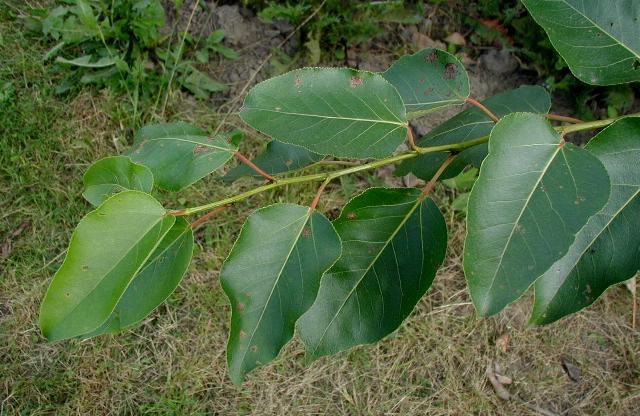
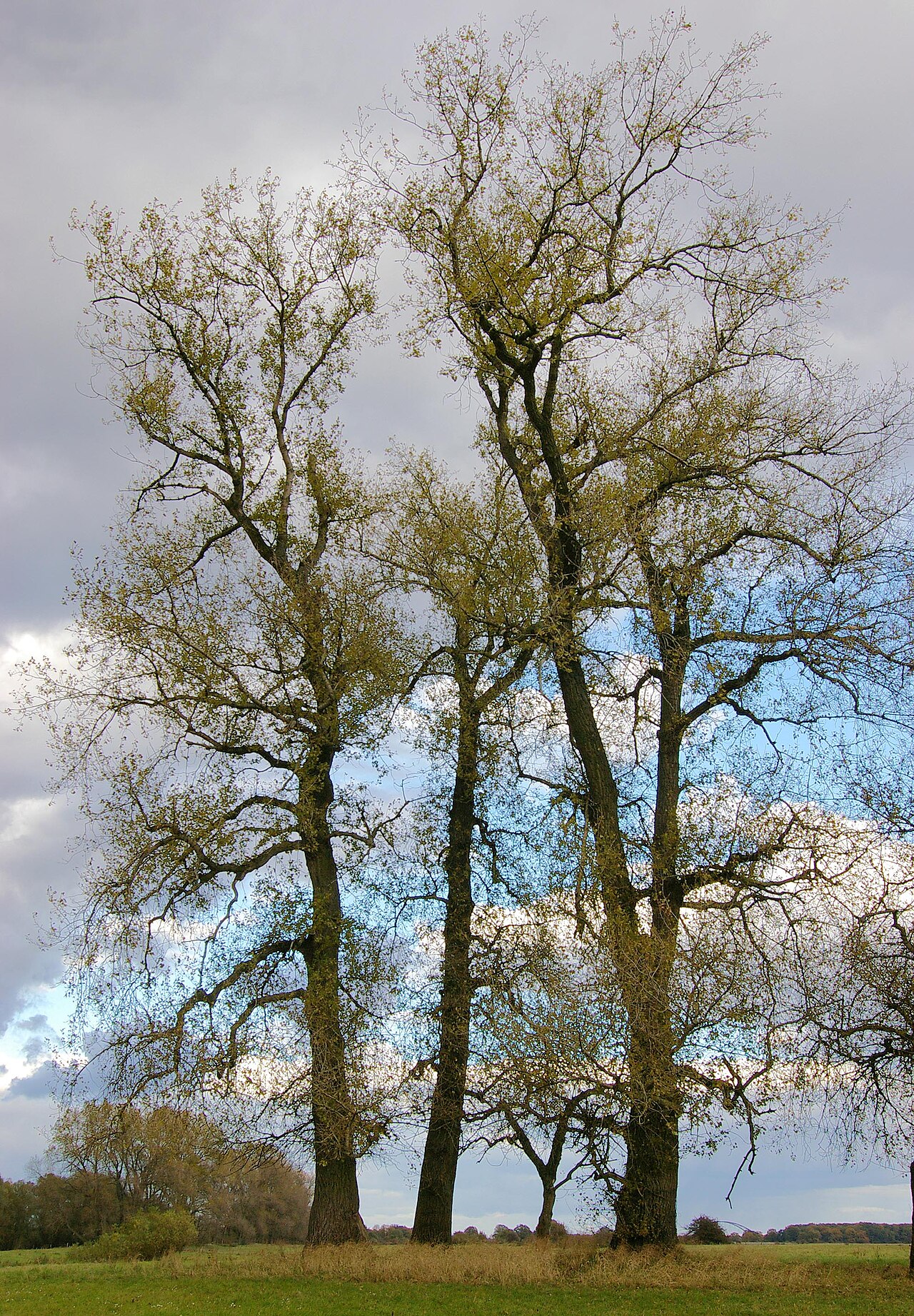
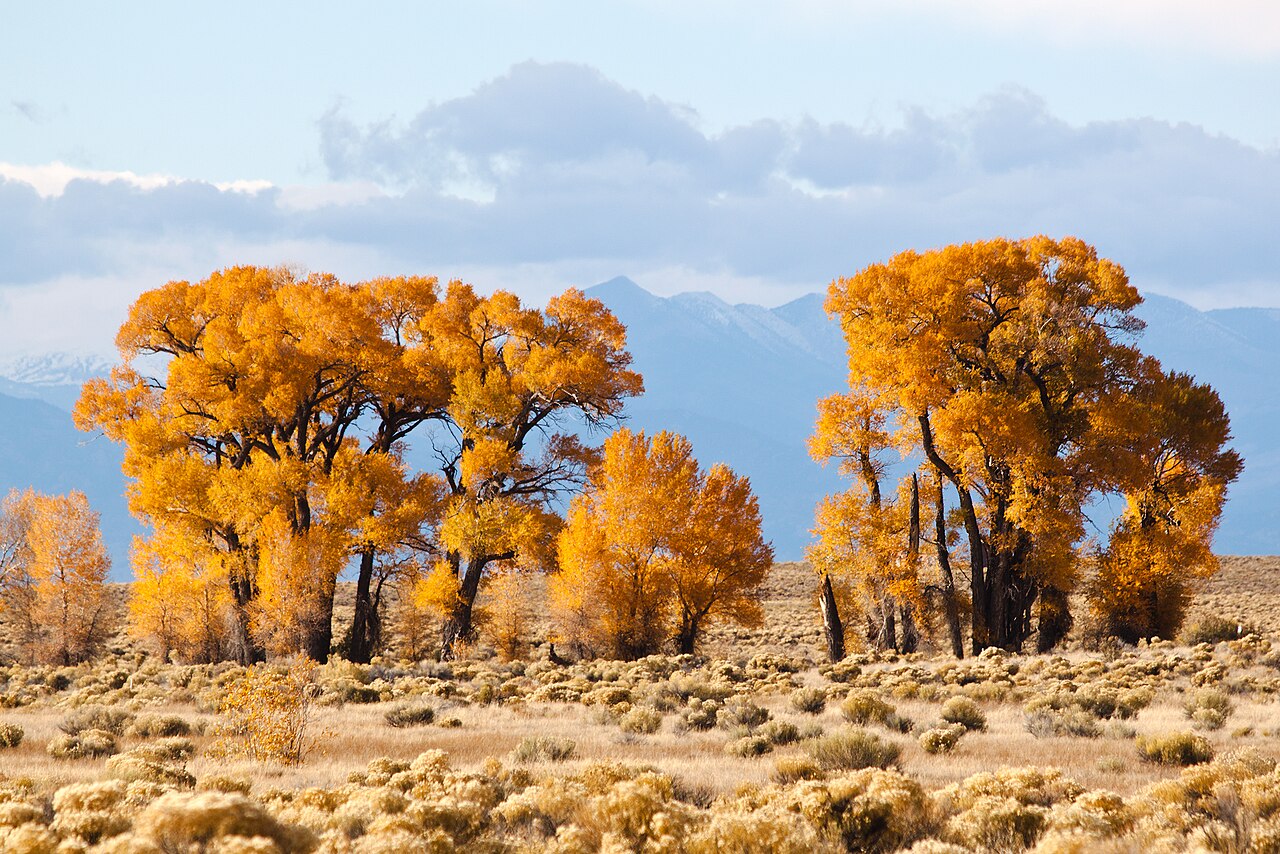
Siouxland is a male selection of eastern cottonwood, and that one word — male — solves the cottonwood’s famous problem: female cottonwoods shed clouds of cottony seed in spring that clog gutters, coat porches and trigger allergies, while male trees shed none of it. Siouxland gives you the rest of the cottonwood package — one of the fastest shade trees available, several feet a year when young, broad heart-shaped leaves that flutter and rustle in the slightest breeze, and yellow fall colour — without the annual snowfall.
In Florida, Siouxland is a north-Florida tree with water: cottonwoods are river trees, and a Siouxland denied water grows slowly and collects problems, which defeats the point of planting a fast tree. Give it full sun, deep, moist soil, 35 feet of room and distance from drains and septic systems — poplar roots hunt water aggressively — and it will shade a yard within a few years.
How to grow
Poplars are the fast shade trees: plant in fall or spring in full sun in moist, well-drained soil, 30–50 feet from structures, drains, septic systems and sidewalks, because poplar roots are famously thirsty and famously invasive around pipes. They grow several feet a year when young, which is the point and also the warning — a poplar is a short-lived, fast-growing tree, not a 200-year oak, and its wood is brittle in storms. Water deeply and consistently; a poplar denied water grows slowly and sulks, which defeats the entire reason for planting one. In Florida, keep poplars in the north with steady moisture, and accept that a struggling south-Florida poplar is a climate verdict, not a care failure.
Water & feeding
Water deeply and regularly, especially through establishment and in dry spells; poplars drink heavily and grow in proportion to what they drink. Mulch widely. Feed lightly in spring if growth is pale; moisture matters more than fertiliser here.
Common problems
Cankers, leaf rust and borers all visit poplars, and the defence is a vigorous, well-watered tree — stressed poplars collect problems. Brittle wood breaks in storms, so prune for structure while young and remove dead wood promptly. Cottony seed from female cottonwoods is the famous mess; the fix is a named male selection, which is exactly why the Siouxland guide exists.
Harvest
The harvest is shade, fast: a Siouxland planted as a 6-foot whip can shade a patio within five years, which is the fastest honest shade a north-Florida gardener can buy. There is no fruit harvest and no reason to expect one — the reward is the canopy, the rustle, and the yellow fall colour, and the absence of cotton on everything you own.
Nerdy fact: Cottonwood leaves flutter because their stems are flattened sideways, not round — the leaf twists in the wind instead of tearing, which is why a cottonwood sounds like rain even on a dry day. It is a tree that turned a structural quirk into a soundtrack.
Saving seeds
Siouxland is a male selection of eastern cottonwood, and that one word — male — solves the cottonwood’s famous problem: female cottonwoods shed clouds of cottony seed in spring that clog gutters, coat porches and trigger allergies, while male trees shed none of it. Siouxland gives you the rest of the cottonwood package — one of the fastest shade trees available, several feet a year when young, broad heart-shaped leaves that flutter and rustle in the slightest breeze, and yellow fall colour — without the annual snowfall. As a named poplar it is kept true by cuttings, not by seed — poplars are the fast shade trees: plant in fall or spring in full sun in moist, well-drained soil, 30–50 feet from structures, drains, septic systems and sidewalks, because poplar roots are famously thirsty and famously invasive around pipes. They grow several feet a year when young, which is the point and also the warning — a poplar is a short-lived, fast-growing tree, not a 200-year oak, and its wood is brittle in storms. Water deeply and consistently; a poplar denied water grows slowly and sulks. The full method is in the Saving seeds section of the Poplar guide.