
🤍 Miranda Climbing Hydrangea
What it looks like

Why this variety
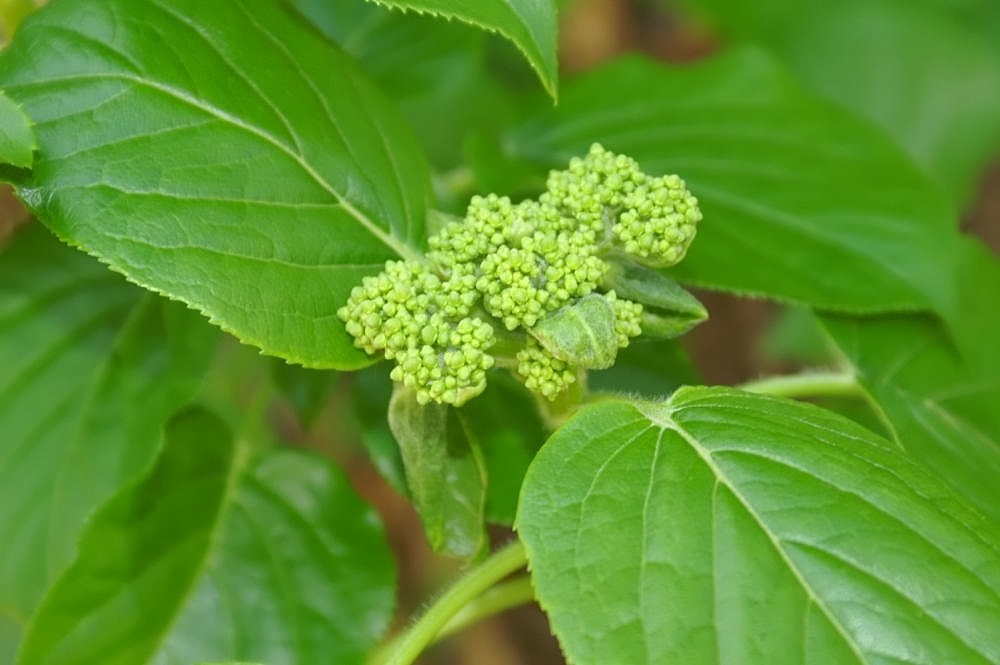
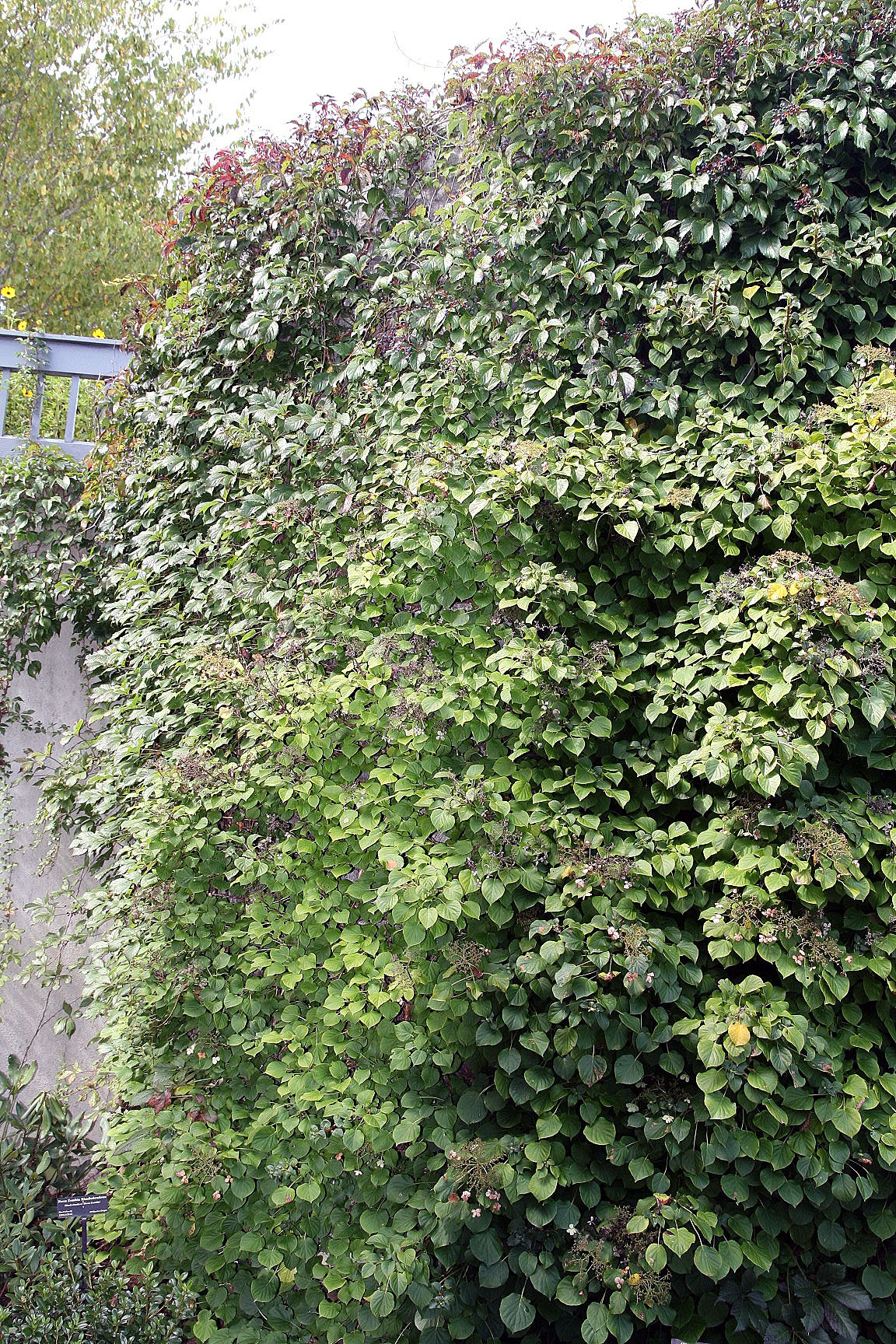
Miranda is the variegated climbing hydrangea that North American gardeners can actually buy: the same self-clinging, aerial-rootlet vine as the species, but with dark green leaves boldly edged in creamy gold, so the foliage is ornamental all season, not just when the white lacecap flowers appear in late spring. It climbs brick, stone, and trees without a trellis, it is slower and more refined than the species, and its exfoliating bark adds winter interest once it matures — a vine that earns its place four seasons a year.
The trade-off is patience: climbing hydrangeas are famously slow to establish — the old saying is that they sleep, creep, then leap, and Miranda sleeps longer than most, taking several years before it climbs vigorously. Do not expect flowers in year one or two, do not prune it hard (it blooms on old wood), and give it a sturdy, permanent support it can cling to for decades. A Miranda on a north-facing wall, given time, becomes one of the great sights in gardening; a Miranda expected to perform in a season will disappoint you.
If you are new to choosing between cultivars, the Varieties Matter guide explains why the name after the plant matters as much as the plant itself. Miranda is a perfect example: it is not just a climbing hydrangea in the abstract, it is a climbing hydrangea with a specific job, a specific history, and specific strengths.
Florida honesty, stated plainly: climbing hydrangea is a North Florida trial, not a statewide promise — it wants cool, moist, shaded conditions and a winter rest, and Florida heat is not its home weather. In North Florida, plant it on a north- or east-facing wall in shade, in rich moist soil that never dries out, and treat any flowering as a triumph. South of the Panhandle, expect foliage without flowers or outright failure, and plant a native crossvine instead.
How to grow
Plant in spring or fall in rich, moist soil in part shade or shade, against a sturdy, permanent support — a brick or stone wall, a large tree, or a heavy arbor — because climbing hydrangea clings by aerial rootlets and stays for decades. Work worm castings and compost into the planting hole, mulch deeply, and water through the first seasons until established. Do not expect fast coverage: this vine sleeps, creeps, then leaps, and the leaping starts in year three or four, not year one.
Set plants one vine per wall or tree; 10-15 feet of support in soil with a pH around 6.0-7.0. Work worm castings into the bed at planting and mulch to hold moisture. A well-fed climbing hydrangea plant rewards that care directly: steadier growth, better bloom, and a show that actually shows up.
Water & feeding
Keep soil consistently moist — climbing hydrangea wants rich, moist soil that never dries out, especially while it is establishing, and a vine that dries out stalls for a season. Water at the soil line, mulch deeply, and feed lightly: castings and compost at planting plus a spring top-dress. Once established on a shaded wall, it needs less fuss, but never let a young vine bake dry.
Common problems
- Slow establishment — climbing hydrangeas sleep, creep, then leap; judge them in year four, not year one.
- No flowers on young vines — vines bloom on old wood once mature; do not prune hard, and be patient.
- Damage to paint and soft mortar — aerial rootlets cling permanently; do not plant on walls you plan to repaint.
- Scorch of variegated leaves in hot sun — Miranda and Silver Lining need shade; sun scorches their pale margins.
- Reverted green shoots on variegated forms — prune reversions out promptly, or green growth outcompetes the variegated vine.
Harvest
Cut a few lacecap flower heads for bouquets in late spring, when they are fully open — climbing hydrangea flowers last a few days in water and suit large, woodland-style arrangements. Do not cut heavily: the vine blooms on old wood, and hard pruning costs next year’s flowers. Prune only to remove dead wood or reverted shoots, and let the vine’s exfoliating bark and persistent dried flower heads provide winter interest.
Browse all plant & pest guides
Saving seeds
Miranda is the variegated climbing hydrangea that North American gardeners can actually buy: the same self-clinging, aerial-rootlet vine as the species, but with dark green leaves boldly edged in creamy gold, so the foliage is ornamental all season, not just when the white lacecap flowers appear in late spring. As a named cultivar it is kept true by cuttings, not by seed — seedlings would not hold the creamy-gold edging. Plant in spring or fall in rich, moist soil in part shade or shade, against a sturdy, permanent support, and do not expect fast coverage: this vine sleeps, creeps, then leaps, and the leaping starts in year three or four, not year one. The full method is in the Propagation section of the Climbing Hydrangea guide.