
💛 Aureum Winter Jasmine
What it looks like
Why this variety
Aureum is the variegated form of winter jasmine: the same arching green stems and bright yellow winter flowers, but with leaves splashed and edged in gold, so the shrub carries colour even in the months it is not flowering. It is the winter jasmine for a shady corner or a wall where a plain green shrub would disappear: the gold variegation lights up shade the way a lamp lights a room, and the yellow flowers in late winter arrive on stems that are already interesting.
In Florida, Aureum suits the north and central peninsula in sun to part shade, with the variegation warning attached: gold-splashed leaves scorch faster than plain green ones in brutal afternoon sun, so give it afternoon shade in the hottest spots and steady moisture. A variegated jasmine in full baking sun goes pale, then scorched, in that order — shade is the fix.
How to grow
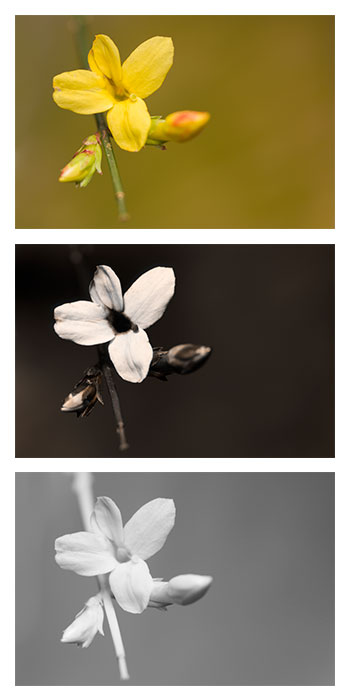
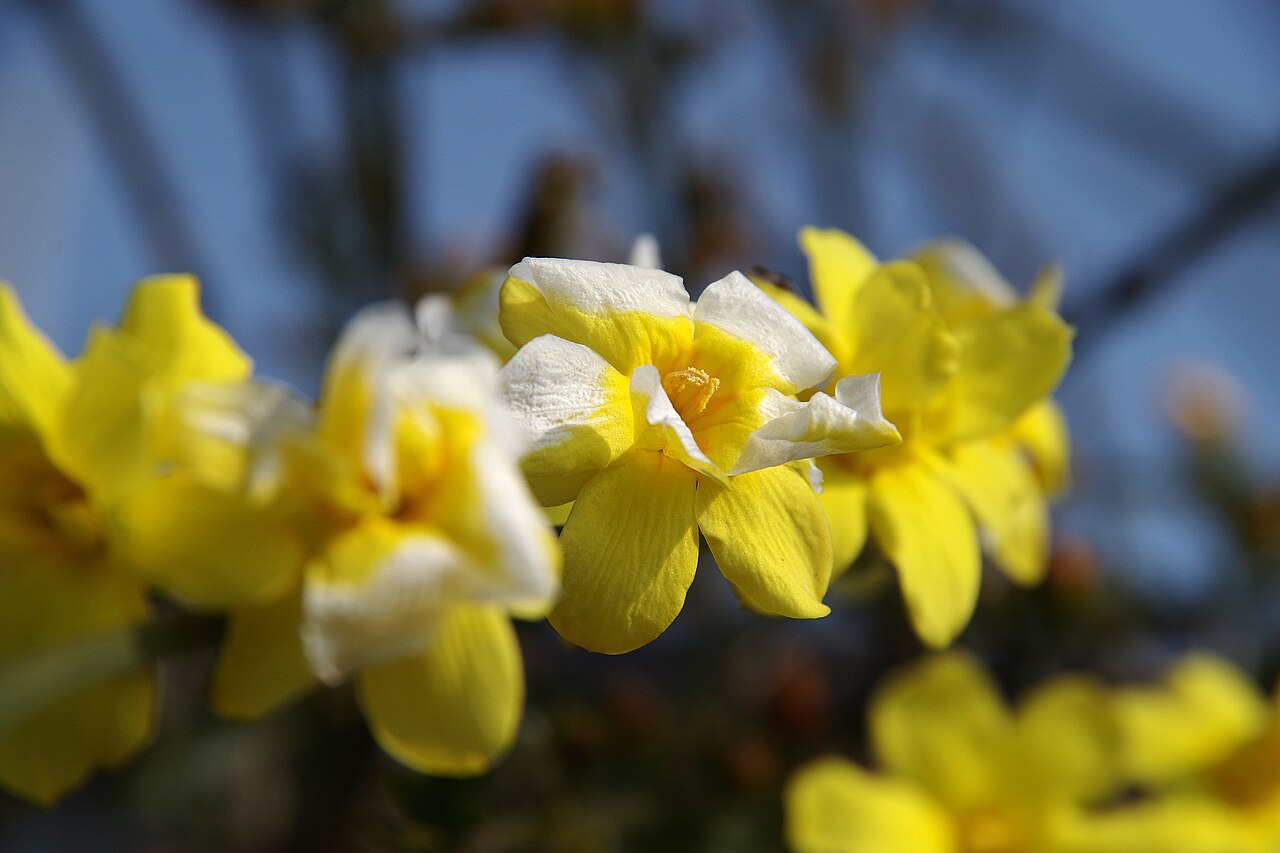
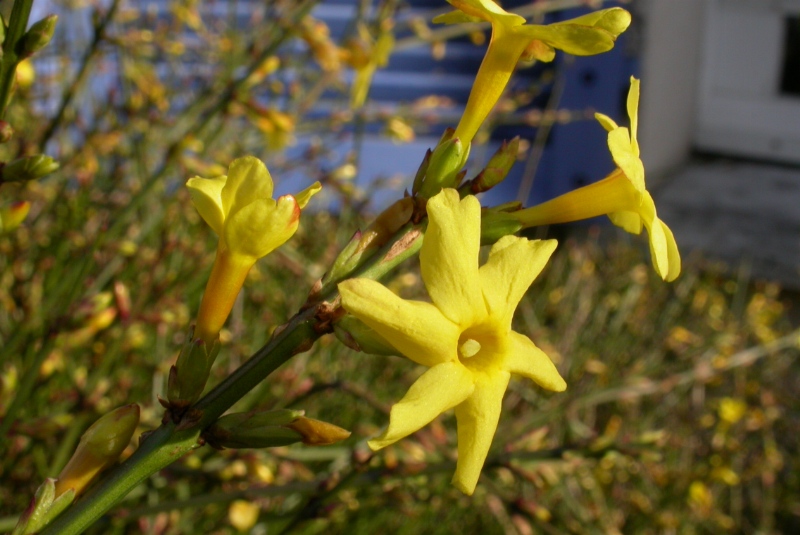
Winter jasmine is the shrub that flowers when nothing else dares: bright yellow, unscented flowers on bare green stems in late winter, before the leaves, on an arching shrub 4 feet tall and 7 feet wide — or a scrambling vine if you give it a wall or trellis to lean on. Plant in fall or spring in sun to part shade in well-drained soil, and give it room to arch: winter jasmine sheared into a ball loses the fountain shape that justifies it, and its green stems carry the garden through winter even when it is not flowering. In Florida it suits the north and central peninsula; farther south it may bloom thinly without a winter chill, which is a climate note, not a failure. Prune after flowering, removing a third of the oldest stems at ground level.
Water & feeding
Water deeply through establishment, then in dry spells; established winter jasmine is moderately drought-tolerant but blooms best with steady moisture. Mulch to hold moisture. Feed lightly in spring.
Common problems
Few serious pests. Leaf spot appears in wet years but rarely matters. The real management job is its sprawling habit: tie in stems where you want a vine, cut back stems where you want a shrub, and do not let it swallow a path.
Harvest
No fruit harvest — the crop is the winter colour, flowers and foliage both. Prune after flowering, removing a third of the oldest stems at ground level to keep the fountain fresh, and tie in stems where you want a vine or cut them back where you want a shrub. The green-and-gold stems carry the garden through winter even when the flowers are done.
Nerdy fact: Variegation like Aureum’s is a chimera — different cell layers in the same leaf carry different amounts of chlorophyll, which is why the gold and green live side by side on one leaf. You are looking at a genetic patchwork, not a paint job, and it is why variegated plants grow a touch slower than green ones.
Saving seeds
Aureum is a variegated form, so seed saved from it won’t come true — propagate it from cuttings instead. The Propagation section of the Winter Jasmine guide covers how to multiply the species.