
🔔 Alba Cup-and-Saucer Vine
What it looks like
Why this variety
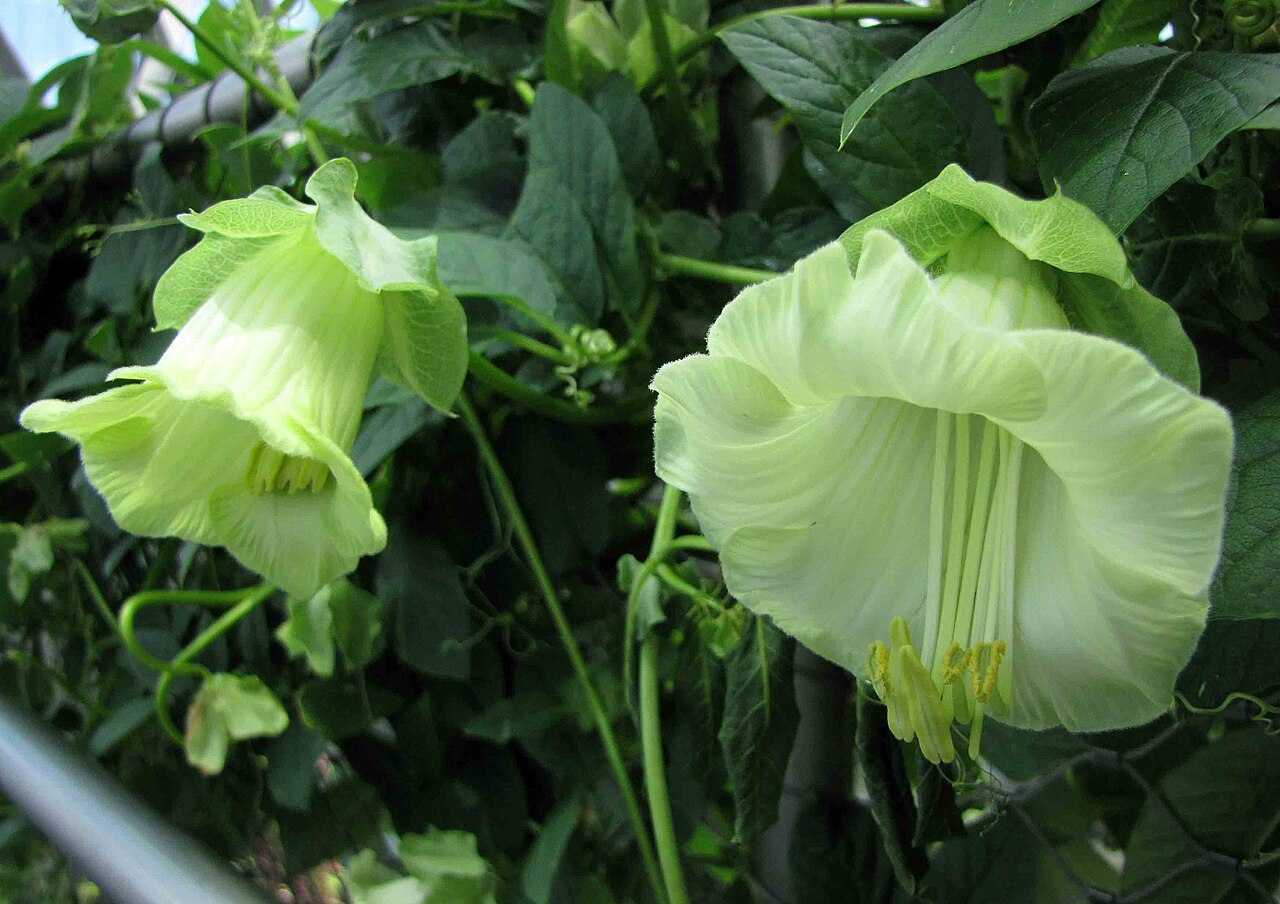
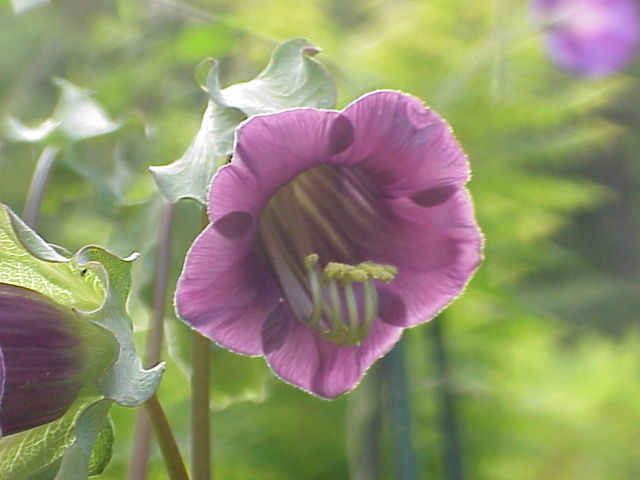
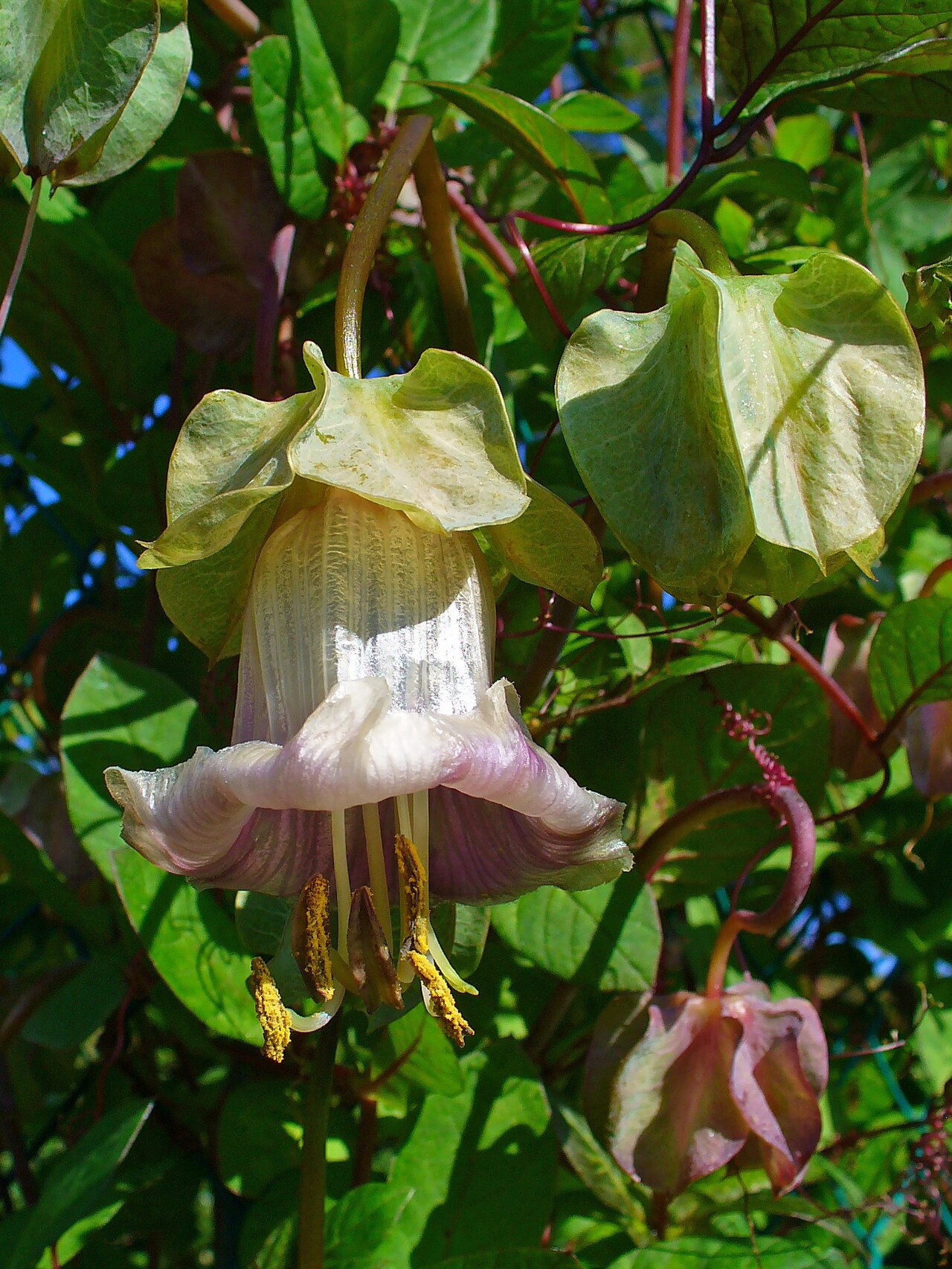
Alba is the white form of the cup-and-saucer vine, and it is the one to plant if you want evening magic: large, bell-shaped flowers, 2 inches across, that open white (after a brief green stage) above a green, saucer-like calyx, on a fast-growing vine that climbs 10 to 20 feet in a season by tendrils. The flowers are fragrant, they glow at dusk, and they draw hummingbird moths and bees — a cobaea in bloom is a vine with bells, and Alba’s white bells are the most luminous of all.
The trade-off is speed and appetite: cobaea grows fast and wants rich, moist soil, steady water, and a sturdy support it can grip with tendrils — a flimsy trellis will be swallowed and then bent. Start seeds indoors early (they germinate slowly and need warmth), set out after frost danger, and give it room: a cobaea in a small pot on a small trellis will outgrow both by midsummer. In return you get the most spectacular annual vine for a sunny fence or arbor, from late summer until frost.
If you are new to choosing between cultivars, the Varieties Matter guide explains why the name after the plant matters as much as the plant itself. Alba is a perfect example: it is not just a cup-and-saucer vine in the abstract, it is a cup-and-saucer vine with a specific job, a specific history, and specific strengths.
Florida honesty: cup-and-saucer vine is a superb Florida plant — it grows statewide as an annual, and as a perennial in frost-free gardens, blooming from late summer until frost (or year-round where it never freezes). Give it sun, rich moist soil, and a sturdy support, start seeds early or buy transplants, and prune to keep it in bounds in frost-free gardens, where it does not stop on its own. It is one of the few vines that actually prefers a long, warm season.
How to grow
Start seeds indoors 10 to 12 weeks before the last frost — cobaea seed is slow to germinate and needs warmth, and an early start is the difference between a vine that blooms in August and one that blooms in October. Set plants out after frost danger in full sun and rich, moist soil, work worm castings into the bed at planting, and give the vine a sturdy trellis or arbor its tendrils can grip. Water steadily through summer, and it will climb 10 to 20 feet in a season.
Set plants one vine per trellis; 10-20 feet of support in soil with a pH around 6.0-7.0. Work worm castings into the bed at planting and mulch to hold moisture. A well-fed cup-and-saucer vine plant rewards that care directly: steadier growth, better bloom, and a show that actually shows up.
Water & feeding
Keep soil evenly moist through summer — cobaea is a fast-growing vine that wilts fast in dry soil and blooms hardest with steady water. Water at the soil line, mulch to hold moisture, and feed regularly: castings at planting plus a balanced liquid feed every couple of weeks during heavy growth keeps the bells coming. A vine that dries out stops blooming and does not resume quickly.
Common problems
- Slow germination — cobaea seed needs warmth and time; start indoors 10 to 12 weeks early, and do not give up on a flat that looks empty.
- Outgrowing its support — a cobaea swallows a flimsy trellis; give it a sturdy arbor and prune to keep it in bounds.
- Wilting in dry soil — cobaea wilts fast and resumes blooming slowly; keep soil evenly moist through summer.
- Late bloom from a late start — sow early, or the first bells arrive in October instead of August.
- Escape in frost-free gardens — cut back hard in spring and do not let it climb into trees you care about.
Harvest
Cut stems for bouquets in late summer, when bells are fully open — cobaea flowers last a few days in water and their large bells suit dramatic, tropical-style arrangements. Prune after flowering for shape, and in frost-free gardens cut back hard in spring to refresh growth. Collect seed from dried pods in fall if you want to start next year’s vine indoors — cobaea seed is slow to germinate, so start early.
Browse all plant & pest guides
Saving seeds
Alba is grown from seed — start seeds indoors early, as they germinate slowly and need warmth. This variety’s seed behaviour isn’t pinned down in the guide, so follow the method in the Saving seeds section of the Cup-and-Saucer Vine guide.