
🥬 Tendergreen Komatsuna
What it looks like
Why this variety
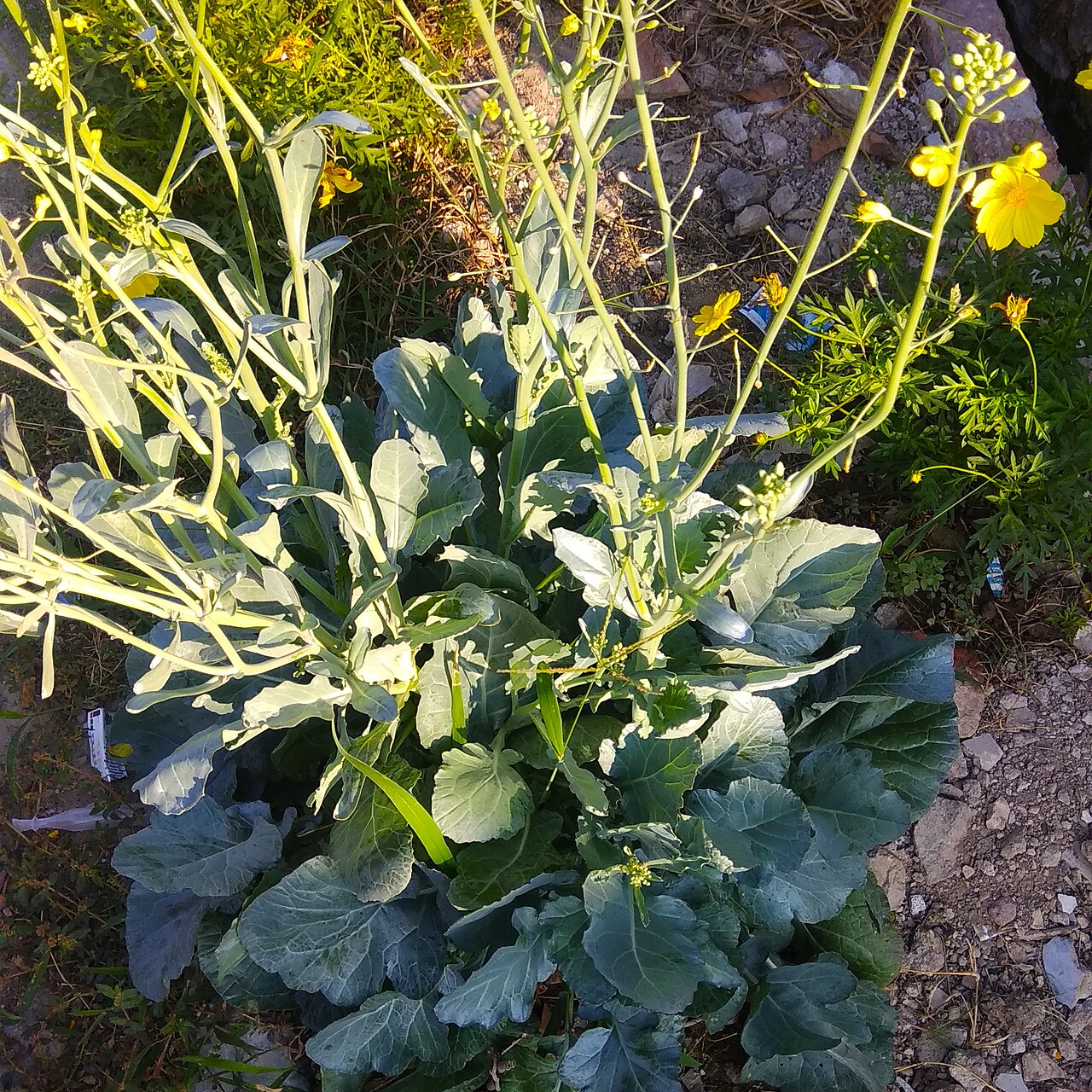
Tendergreen is the komatsuna most American seed catalogs list first: a fast, tender mustard spinach with dark green, slightly savoyed leaves and a mild, sweet flavor that lacks the bite of true mustard. It is the komatsuna for gardeners who want spinach-like tenderness with brassica vigor — and it delivers in about 40 days.
Tendergreen’s mildness is its superpower: it is one of the few Asian greens that children and mustard-skeptics eat without negotiation, raw in salads when young and wilted into pasta or soup when full-size. A green that everyone at the table eats is worth more than a green that only the gardener loves.
If you are new to choosing between cultivars, the Varieties Matter guide explains why the name after the plant matters as much as the plant itself. And if you want the whole clan at a glance, the broader Komatsuna guide covers komatsuna generally.
How to grow
In Florida, komatsuna is a cool-season brassica that out-performs spinach in the shoulder seasons: sow from fall through early spring, harvest leaves young for salads or full-size for cooking, and succession-sow for a steady supply. It tolerates a light frost and a warm spell better than most Asian greens, which makes it a forgiving first brassica.
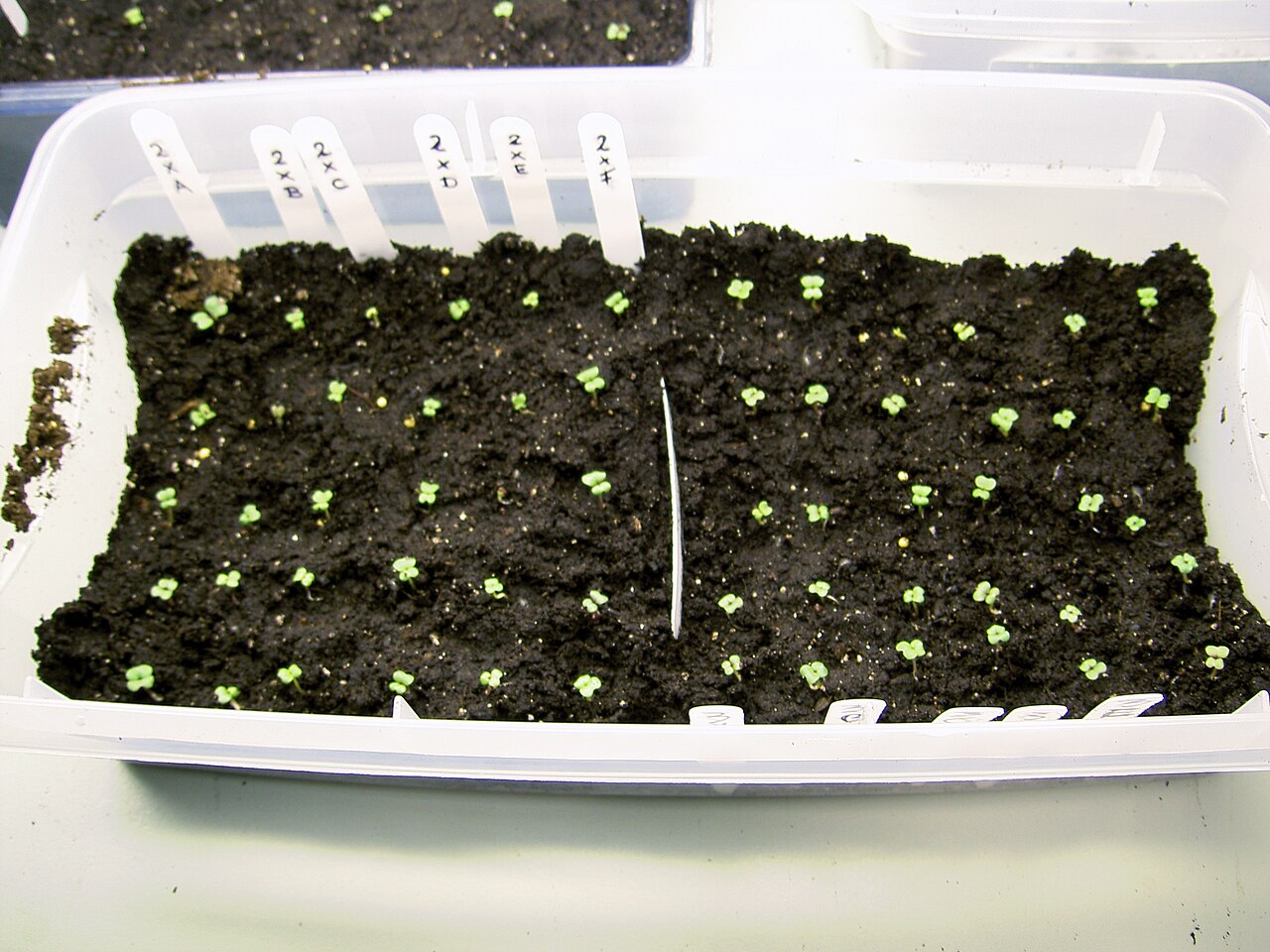
Sow directly or transplant 6–8 inches apart in rich, moist soil. In warm climates, give afternoon shade and succession-sow every two weeks through the cool season. Harvest outer leaves as needed, or cut the whole plant — Tendergreen regrows politely for a second picking if cut above the crown.
Water & feeding
Komatsuna grows fast and drinks steadily. Keep the soil evenly moist, mulch to hold that moisture, and feed with compost at planting and again halfway to harvest. Dry soil plus heat is the recipe for bolting, so water before the leaves wilt, not after.
Common problems
Flea beetles love brassica seedlings, and cabbage worms love the leaves; row cover over young plants solves most of it. Bolting is the other enemy: plant for cool weather and water before stress, not after.
Harvest
Harvest baby leaves at 20–25 days for salads, or full-size leaves at 40 days for cooking. Cut outer leaves and let the center keep growing, or cut the whole plant at the base — either way, use it promptly, because Tendergreen’s tenderness is also its perishability.
Nerdy fact: Komatsuna is sometimes called mustard spinach, but it is not spinach and not quite mustard — it is Brassica rapa var. perviridis, a turnip cousin bred in Japan for its leaves, which makes your salad a relative of the turnip root you probably ignored.
Saving seeds
Tendergreen is the komatsuna most American seed catalogs list first: a fast, tender mustard spinach with dark green, slightly savoyed leaves and a mild, sweet flavor that lacks the bite of true mustard. It is the komatsuna for gardeners who want spinach-like tenderness with brassica vigor — and it delivers in about 40 days. Tendergreen’s mildness is its superpower: it is one of the few Asian greens that children and mustard-skeptics eat without negotiation, raw in salads when young and wilted into pasta or soup when full-size. A green that everyone at the table eats is worth more than a green that only the gardener loves. As an open-pollinated heirloom — Reimer Seeds lists Tendergreen Mustard as open pollinated and heirloom, David’s Garden Seeds calls it a non-GMO, open-pollinated heirloom, and West Coast Seeds lists Komatsuna Green as seed type OP — saved seed comes true, with the usual brassica caution: komatsuna crosses with other Brassica rapa types in flower, so keep seed plants isolated from bok choy, turnips, and other rapa greens. In Florida, komatsuna is a cool-season brassica that out-performs spinach in the shoulder seasons: sow from fall through early spring, harvest leaves young for salads or full-size for cooking, and succession-sow for a steady supply. It tolerates a light frost and a warm spell better than most Asian greens, which makes it a forgiving first brassica. Sow directly or transplant 6–8 inches apart in rich, moist soil. In warm climates, give afternoon shade and succession-sow every two weeks through the cool season. The full method is in the Saving seeds section of the Komatsuna guide.