
🥬 Green Plume Orach
What it looks like

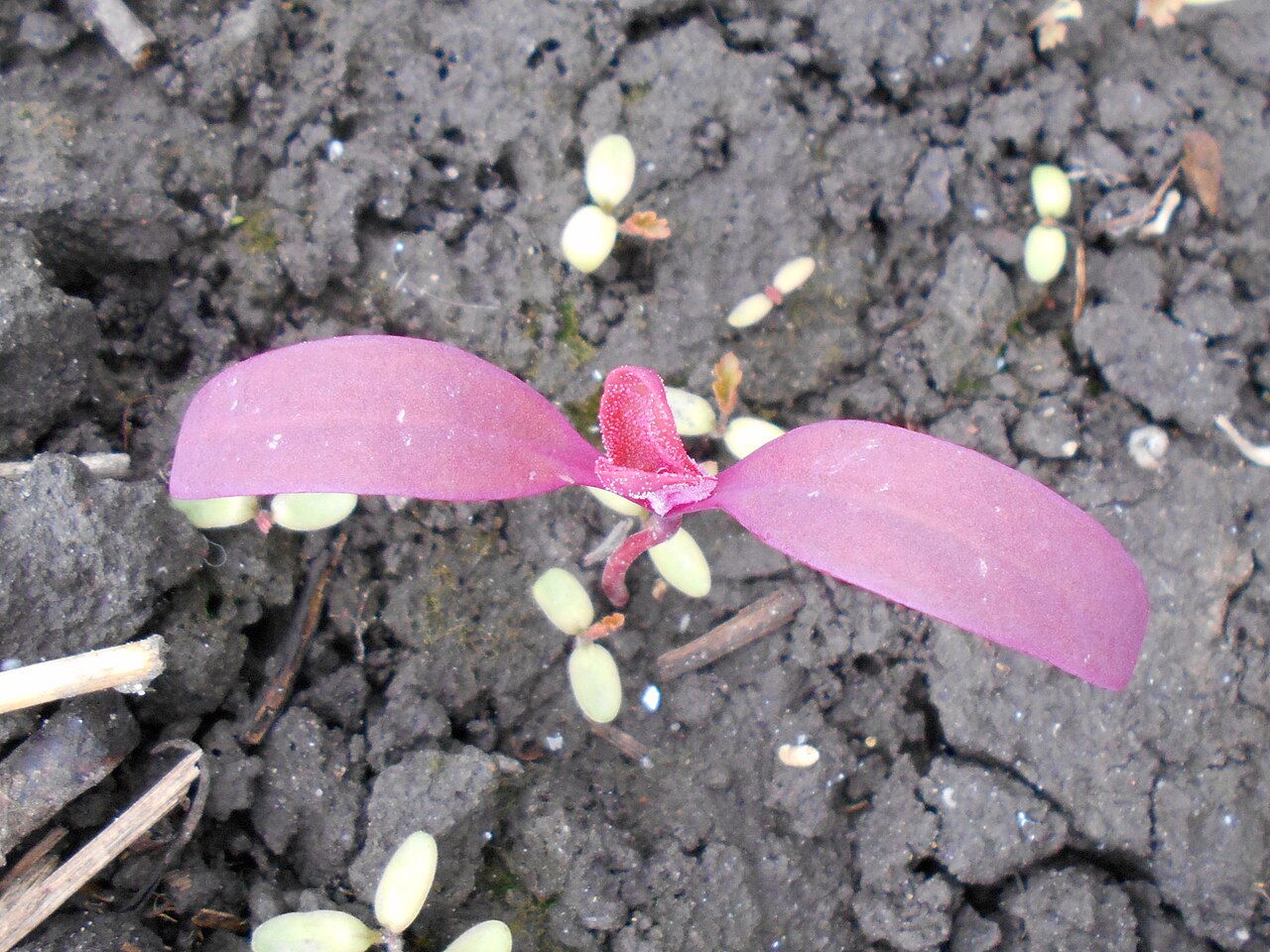
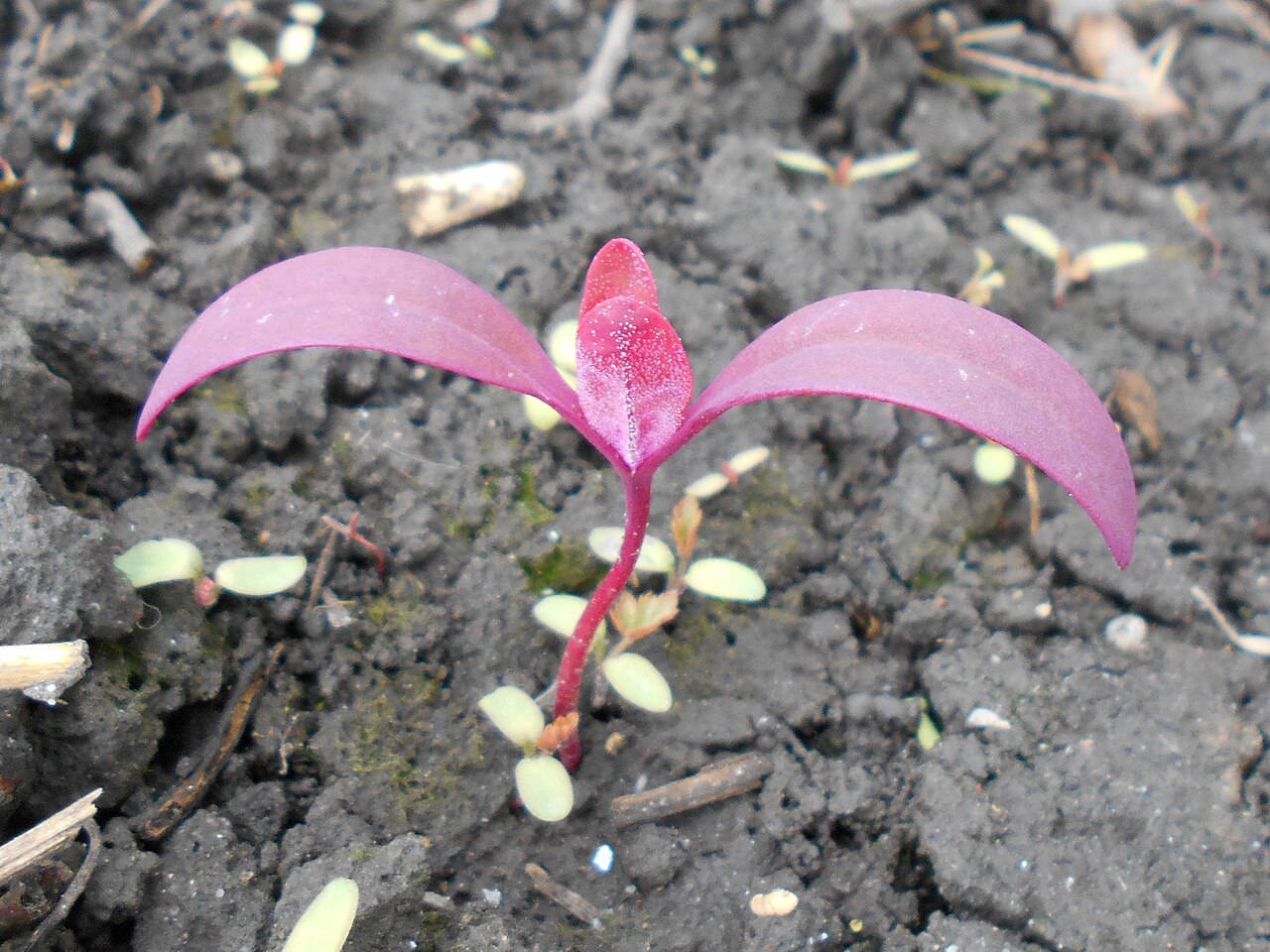
Why this variety
Green Plume is the workhorse of the orach clan: bright green leaves, a tall, feathery plume of a seed head, and the mildest flavor of the color forms — the orach to plant if you want a spinach substitute that does not announce itself with color. Like its red cousin, it is sold as a long-established color strain rather than a single registered cultivar, and it has stayed in catalogs because it is productive, dependable, and genuinely good to eat.
The plume is part of the charm and part of the plan: left to flower, Green Plume makes a handsome, airy seed head that dries well for arrangements and drops seed for next year, so one plant can be a green, an ornamental, and next season’s seed packet all at once. If you want leaves rather than plumes, pick often and cut the flower stalk when it appears — the plant will branch and give you more leaves for your trouble.
If you are new to choosing between cultivars, the Varieties Matter guide explains why the name after the plant matters as much as the plant itself. And if you want the whole clan at a glance, the broader Orach guide covers orach generally.
How to grow
In Florida, orach is the spinach substitute that does not faint at the first warm day: sow it from fall through spring for the main crop, and it will keep producing leaves where true spinach has already bolted and sulked. It tolerates heat better than spinach and shrugs at light frost, which makes it a bridge crop for the shoulder seasons. In summer, give it afternoon shade and steady water and treat it as a trial — it may power on, or it may decide to flower, and either way you will have learned something for next year.
Sow directly in fall through spring, thin to 12 inches apart, and keep the soil moist until germination. Orach is not fussy about soil, but it tastes better in compost-rich ground, and it grows taller than most greens, so give it the back of the bed where it will not shade its neighbors. Succession-sow for continuous leaves, and let one plant go to seed if you want the plume and the self-sown volunteers.
Water & feeding
Orach is famously unfussy about water once it is up, but the leaves stay tenderest with steady moisture — a drought-stressed plant turns tough and rushes to seed. Mulch, water in dry spells, and feed lightly; this is a plant that grows in poor soil, but it tastes better in good soil.
Common problems
Watch for aphids on the tips and leaf miners in the leaves; both are cosmetic more than fatal, and regular picking keeps them in check. The bigger management question is self-seeding: Green Plume drops a lot of seed, so if you do not want volunteers everywhere, cut the seed heads before they shatter — or embrace the volunteers and call it a perennial bed with extra steps.
Harvest
Harvest young leaves continuously, starting when the plant is a hand high, and cook larger leaves like spinach. For the plume, cut the seed head when it is full but before it shatters, and hang it to dry for arrangements; for seed, let it dry on the plant, thresh it into a bowl, and cook it like a miniature grain.
Nerdy fact: The old name for orach is mountain spinach, and it earned it: orach grows where spinach struggles, tolerates poor soil and salt better than most greens, and was the leafy green of European gardens for centuries before spinach elbowed it aside. Planting it now is less a novelty and more a homecoming.
Saving seeds
Green Plume is sold as a long-established orach color strain rather than a single registered cultivar, so saved seed comes true — let a plant flower into its tall, feathery plume and collect the seed, and expect mostly green leaves with a little variation. The full method is in the Saving seeds section of the Orach guide.