
🥬 Golden Orach
What it looks like

Why this variety
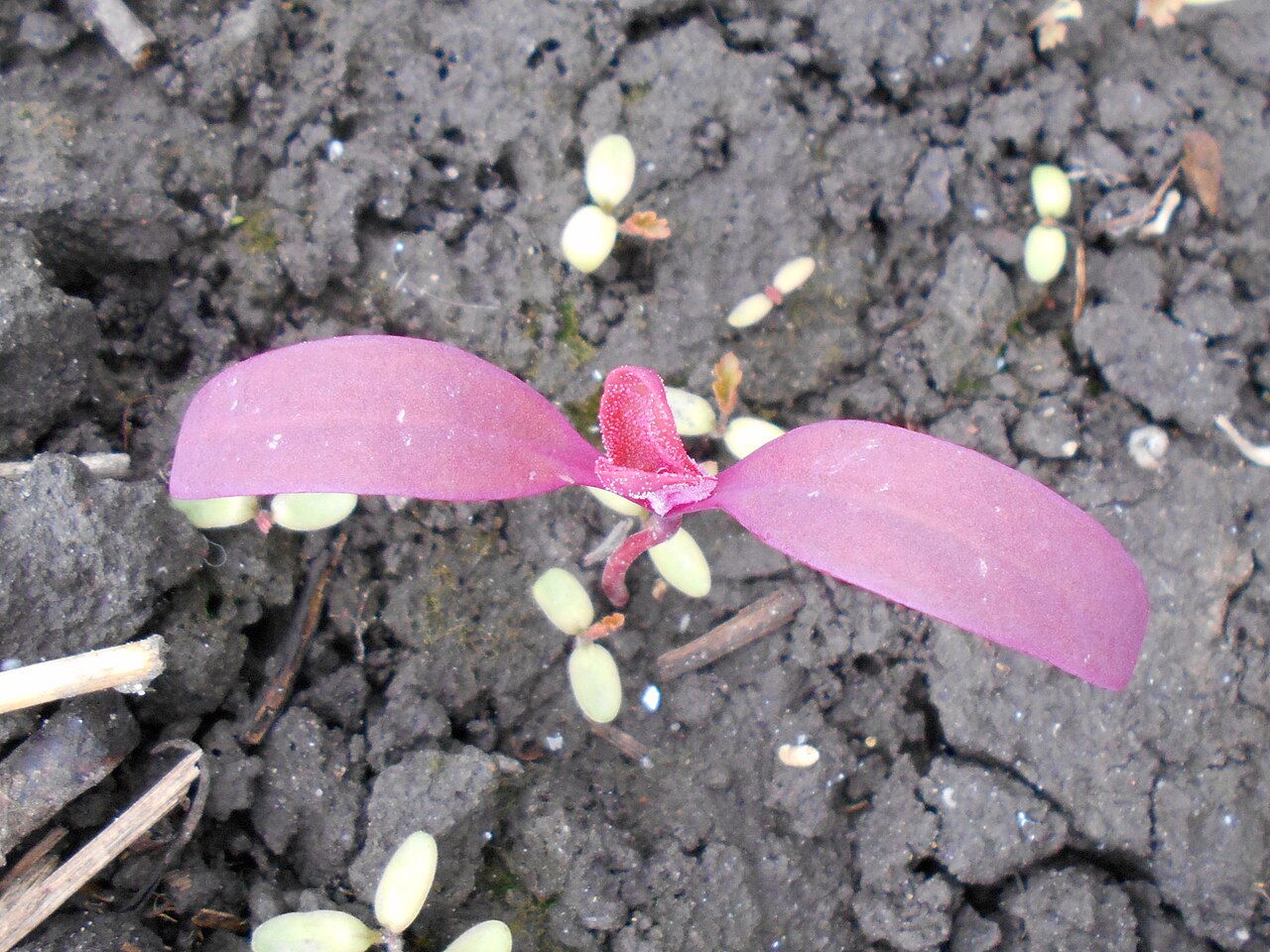
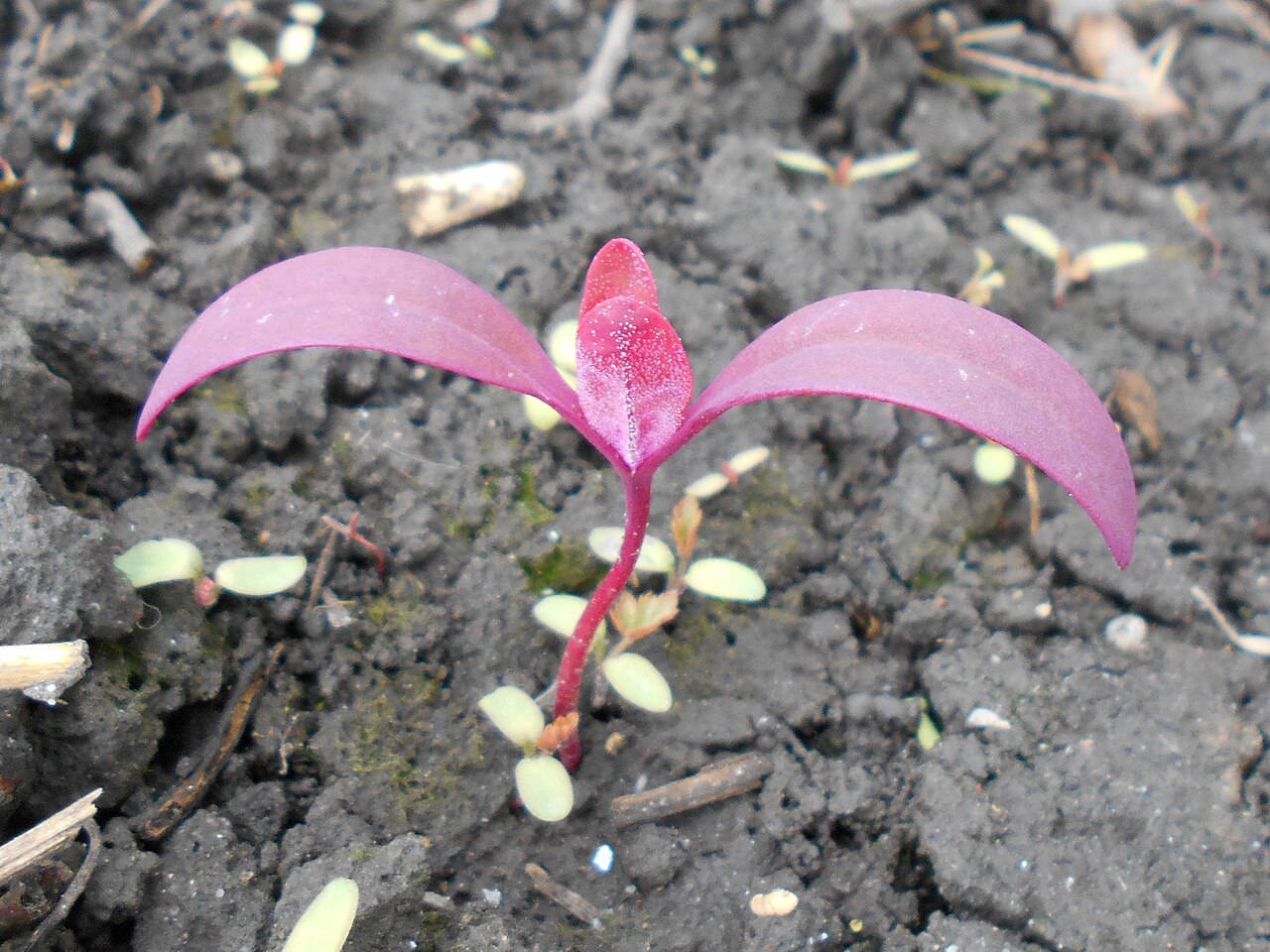
Golden Orach is the sunny member of the family: bright yellow-green leaves that glow in the bed, a mild flavor, and a reputation as the most heat-tolerant of the orach color forms — the one to plant when the red and green forms start thinking about flowering. Like the other orach forms, it is sold as a color strain rather than a single registered cultivar, and the golden color is the point: it lights up a salad mix and a fall bed in equal measure.
Heat tolerance is not a minor trait in a green: where spinach bolts at the first warm spell, Golden Orach keeps making tender leaves, which makes it the bridge between the spring greens and the summer garden. It is also the form most likely to keep you in salads through a warm shoulder season, provided it gets afternoon shade and steady water when the heat really settles in.
If you are new to choosing between cultivars, the Varieties Matter guide explains why the name after the plant matters as much as the plant itself. And if you want the whole clan at a glance, the broader Orach guide covers orach generally.
How to grow
In Florida, orach is the spinach substitute that does not faint at the first warm day: sow it from fall through spring for the main crop, and it will keep producing leaves where true spinach has already bolted and sulked. It tolerates heat better than spinach and shrugs at light frost, which makes it a bridge crop for the shoulder seasons. In summer, give it afternoon shade and steady water and treat it as a trial — it may power on, or it may decide to flower, and either way you will have learned something for next year.
Sow directly in fall through spring, thin to 12 inches apart, and succession-sow every few weeks. In summer, plant it where it gets morning sun and afternoon shade, mulch to keep the roots cool, and pick young leaves often — the golden color is brightest on young growth, and older leaves fade toward plain green as they age, which is normal, not a defect.
Water & feeding
Orach is famously unfussy about water once it is up, but the leaves stay tenderest with steady moisture — a drought-stressed plant turns tough and rushes to seed. Mulch, water in dry spells, and feed lightly; this is a plant that grows in poor soil, but it tastes better in good soil.
Common problems
Aphids and leaf miners may visit, as with all orach, and heat is the other pressure: even the most heat-tolerant form will bolt eventually in a long hot spell, so succession sowing is the strategy, not nursing one plant through August. Cut flower stalks promptly if you want more leaves, or let one plant seed for volunteers.
Harvest
Pick young golden leaves for salads, where the color does the work of a garnish, and cook larger leaves like spinach — they wilt to a soft green-gold and keep a mild, slightly salty flavor. If a plant bolts, the young seed heads are edible too, and the seeds can be dried and cooked like a grain, which makes a bolted plant a pantry item rather than a failure.
Nerdy fact: Orach leaves carry a faintly salty tang because the plant is a halophyte cousin — it tolerates salty soil better than most vegetables, a leftover from wild relatives that grew in coastal and disturbed ground. That salt tolerance is why orach shrugs at poor soil that would stunt fussier greens.
Saving seeds
Golden Orach is sold as a golden color strain rather than a single registered cultivar, so saved seed comes true — let a plant flower and set seed, and expect mostly golden leaves with a little variation in the mix. The full method is in the Saving seeds section of the Orach guide.