
🍇 Amethyst Falls Wisteria
What it looks like
Why this variety
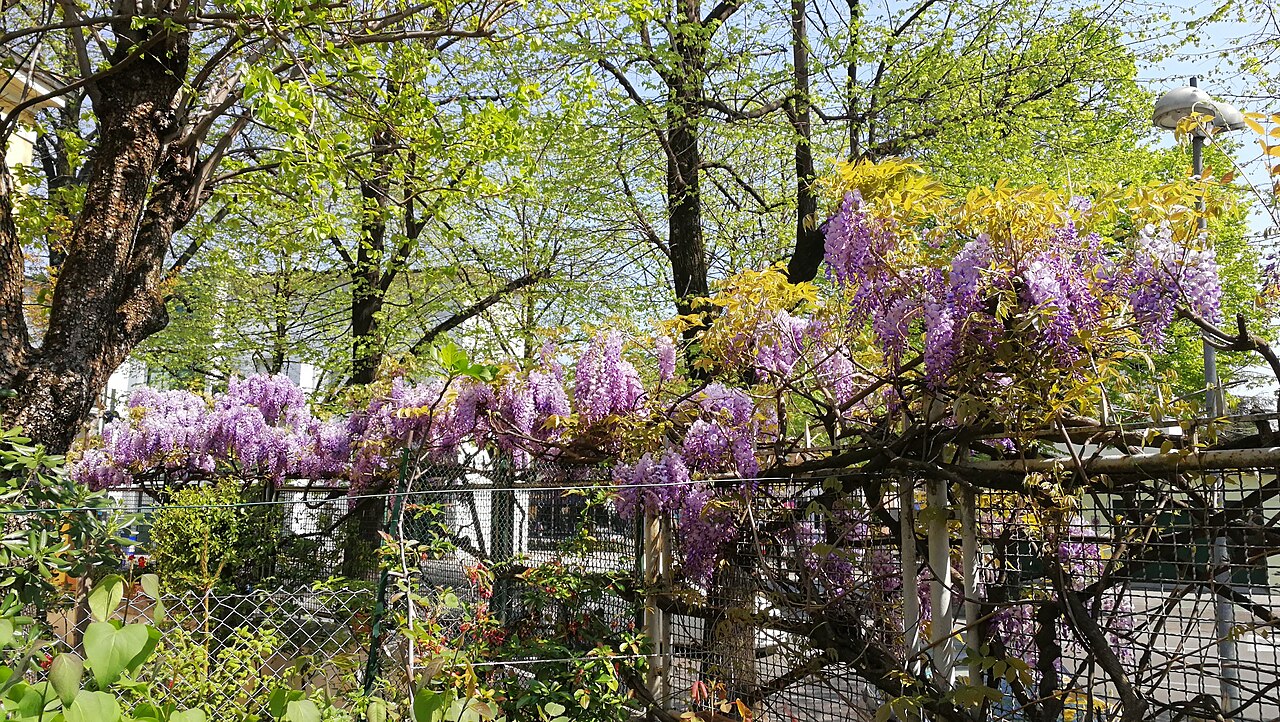
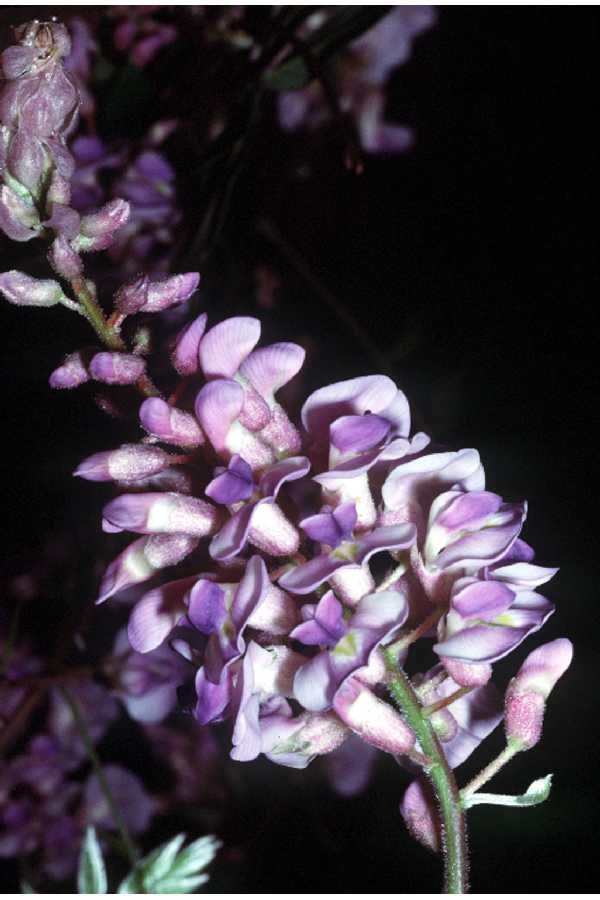
Amethyst Falls is the wisteria for gardeners who want wisteria without the horror stories: a selection of the native American wisteria, with fragrant, lavender-blue racemes 4 to 6 inches long in late spring, repeating lightly through summer, on a vine that blooms in its first year — unlike Asian wisterias, which can take five years or more to bloom — and grows at about a third of the Asian rate. It was discovered as a stem mutation by plantsmen in South Carolina, and it is the wisteria that made American wisteria famous: beautiful, fragrant, and manageable.
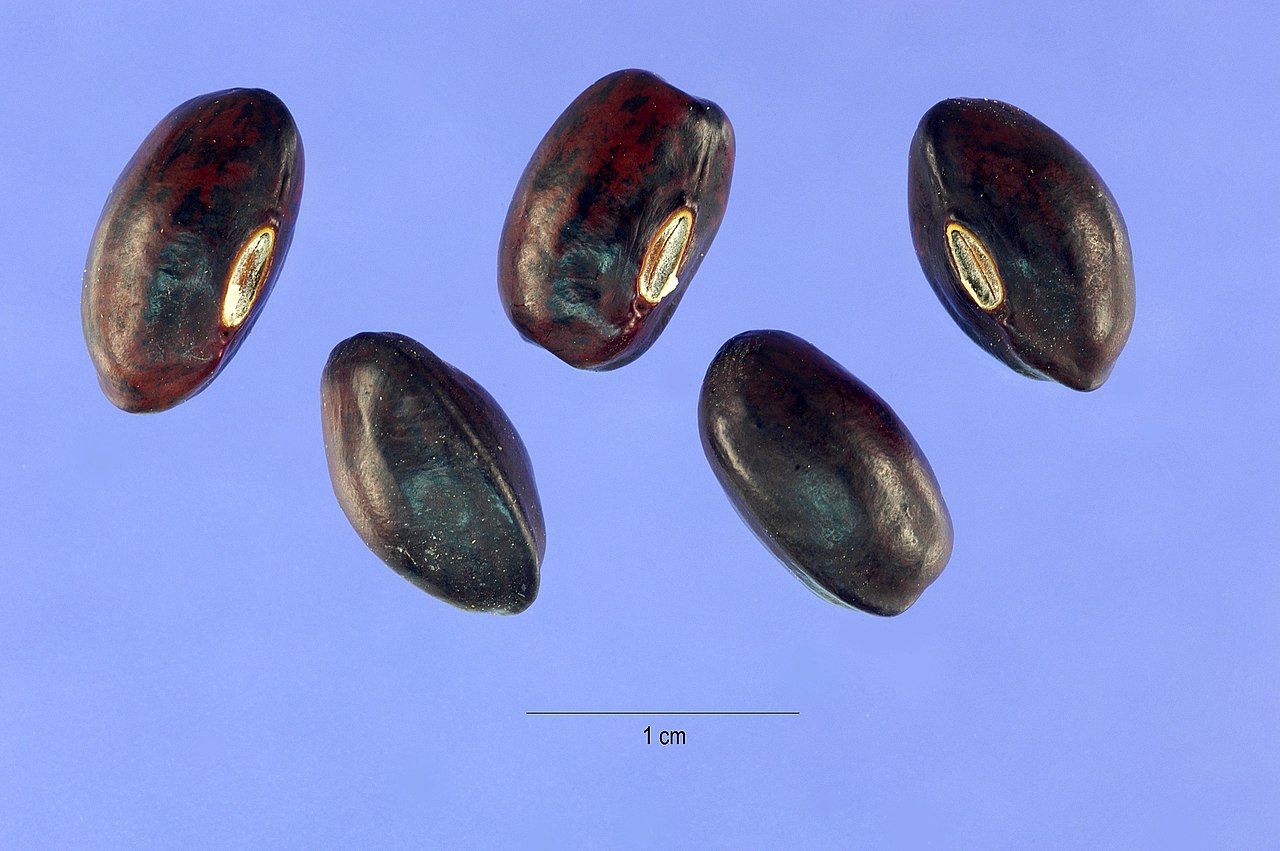
The trade-off is that Amethyst Falls is still a wisteria: it wants full sun, moist, well-drained soil, and a sturdy support, and it still needs pruning — after bloom to encourage repeat flowering, and in late winter to shape and control size. It blooms on new wood, which makes pruning gloriously simple compared to Asian types. Give it a strong arbor, trellis, or fence, and do not plant it on a house wall, where any wisteria’s twining stems can damage gutters and paint. Note: wisteria seeds and pods are poisonous — do not eat them, and keep seed pods away from children and pets.
If you are new to choosing between cultivars, the Varieties Matter guide explains why the name after the plant matters as much as the plant itself. Amethyst Falls is a perfect example: it is not just a wisteria in the abstract, it is a wisteria with a specific job, a specific history, and specific strengths.
Florida honesty: American wisteria is a genuine statewide Florida plant — it is native from Virginia to Florida, growing along stream borders and damp thickets, and it thrives in Florida heat and humidity. Amethyst Falls blooms in late spring and repeats through summer in Florida, and its manageable size makes it the wisteria to plant on a patio arbor or a garden fence, where an Asian wisteria would be a liability. Give it sun, moisture, and a sturdy support, and prune after bloom for repeat flowers.
How to grow
Plant in spring in full sun and moist, well-drained soil, against a sturdy, permanent support — a heavy arbor, pergola, or strong fence, never a house wall. Work worm castings into the planting hole, water through the first season, and prune after bloom to encourage repeat flowering, plus a late-winter shaping prune. American and Kentucky types bloom on new wood, so a hard late-winter prune costs no flowers.
Set plants 8-12 feet apart on a sturdy support in soil with a pH around 6.0-7.0. Work worm castings into the bed at planting and mulch to hold moisture. A well-fed wisteria plant rewards that care directly: steadier growth, better bloom, and a show that actually shows up.
Water & feeding
Keep soil consistently moist but never waterlogged — wisteria wants moist, well-drained soil, especially while establishing, and a vine that dries out stalls and blooms thinly. Water at the soil line, mulch to hold moisture, and feed lightly: castings at planting plus a balanced organic feed in spring is enough. Overfeeding makes leafy growth at the expense of flowers.
Common problems
- Vigorous escape — prune after bloom and in late winter, and never let wisteria climb onto a house, a roof, or a tree you care about.
- Failure to bloom on young vines — Asian wisterias can take years to bloom, but American and Kentucky types bloom young; be patient with any wisteria, and do not overfeed.
- Poisonous seeds and pods — wisteria seeds and pods are toxic; do not eat them, and keep pods away from children and pets.
- Damage to gutters and paint — twining stems crush gutters and lift paint; give wisteria a freestanding arbor, never a house wall.
- Leafy growth at the expense of flowers — overfeeding makes leaves, not blooms; feed lightly and prune for flowers.
Harvest
Cut racemes for bouquets in late spring, when flowers are fully open — wisteria lasts a few days in water and its cascading racemes suit tall vases, though the vine is best admired on its support. Prune after bloom for repeat flowering and in late winter for shape, and remove seed pods where children or pets could reach them — wisteria seeds are poisonous. The real harvest is fragrance: a wisteria arbor in bloom perfumes a whole garden.
Browse all plant & pest guides
Saving seeds
Amethyst Falls is a selected mutation, so seed saved from it won’t come true — propagate it from cuttings or layering instead. The Saving seeds section of the Wisteria guide covers seed for the straight species.