
🌼 Vert de Montmagny Dandelion
What it looks like
Why this variety
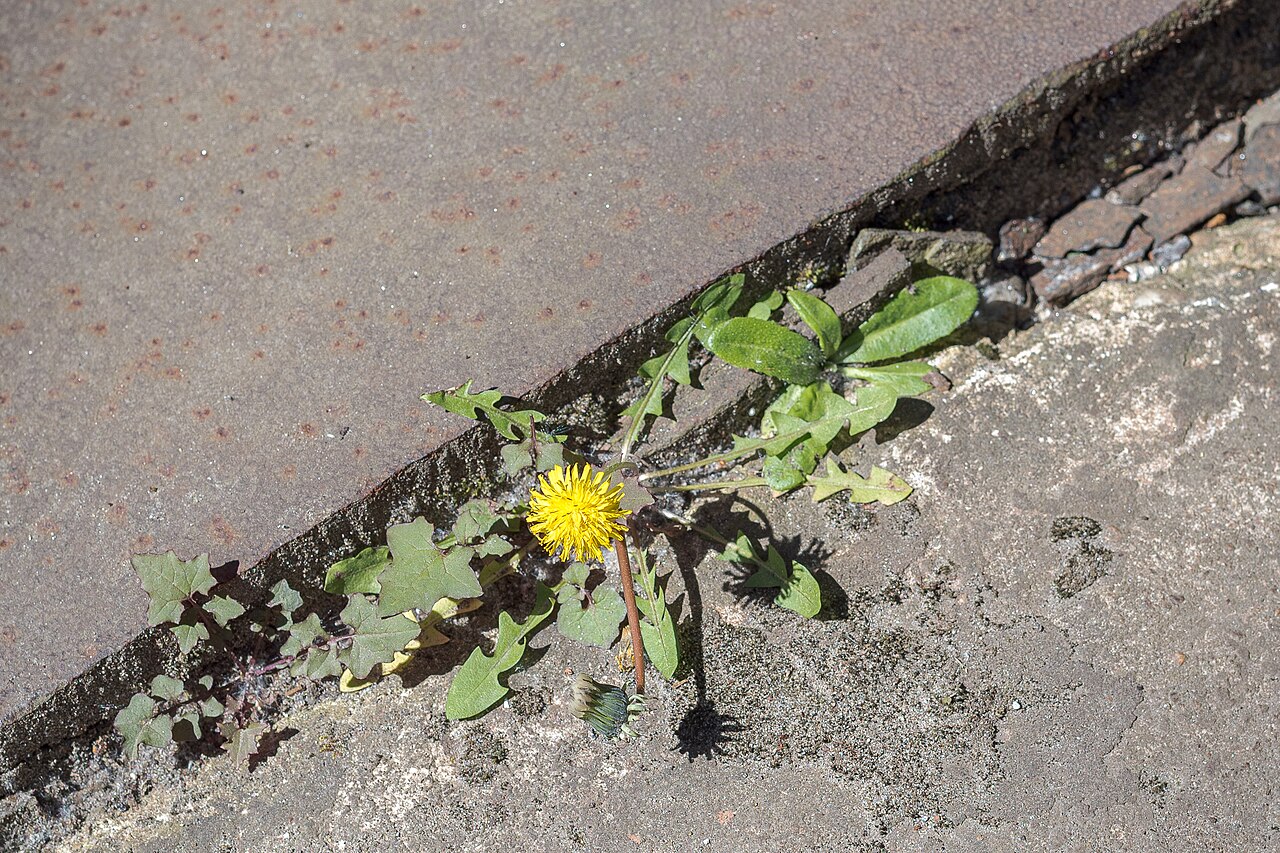
Vert de Montmagny is a documented French dandelion cultivar, recognized by horticultural authorities, and described as a large-leaved, vigorous grower that matures early. That combination — big leaves, fast growth, early harvest — is exactly what a leaf crop needs in a short cool season, because a dandelion that matures early gives you more harvests before the heat arrives and the plant bolts.
For the gardener, Vert de Montmagny is the dandelion for quantity: large leaves mean fewer plants for the same salad, vigorous growth means it recovers fast from picking, and early maturity means it fits a fall sowing and a spring sowing in the same cool window. The leaves are green, tender when young, and classic dandelion in flavor — bitter in the best way, the bitterness that makes a salad interesting and a cooked green worth eating.
If you are new to choosing between cultivars, the Varieties Matter guide explains why the name after the plant matters as much as the plant itself. And if you want the whole clan at a glance, the broader Dandelion guide covers dandelion generally.
How to grow
In Florida, cultivated dandelion is a cool-season green, and the joke writes itself: the weed in the lawn is the same plant, but the cultivated types are bred for bigger, more tender leaves and a milder bite. Sow in fall, harvest leaves young before the plant flowers, and blanch a few plants under a pot for pale, tender hearts. And be a good neighbor about it — harvest before seed heads form, or your dandelion patch becomes everyone’s dandelion patch, blown across the fence on the next breeze.
Sow in fall in rich, moist soil, 12 inches apart, and keep the soil moist. Thin to 12 inches, mulch lightly, and pick outer leaves often to keep the plant producing tender new growth. Succession-sow in late winter for a spring crop, and harvest hard before warm weather — a dandelion left to flower in heat gives you seed, not salad.
Water & feeding
Dandelion wants rich, moist soil and steady water; a dry, hungry dandelion is a bitter dandelion, and bitterness is the difference between a salad green and a weed you regret. Mulch, water deeply, and feed with compost at planting — a well-fed dandelion grows leaves worth eating instead of leaves worth mowing.
Common problems
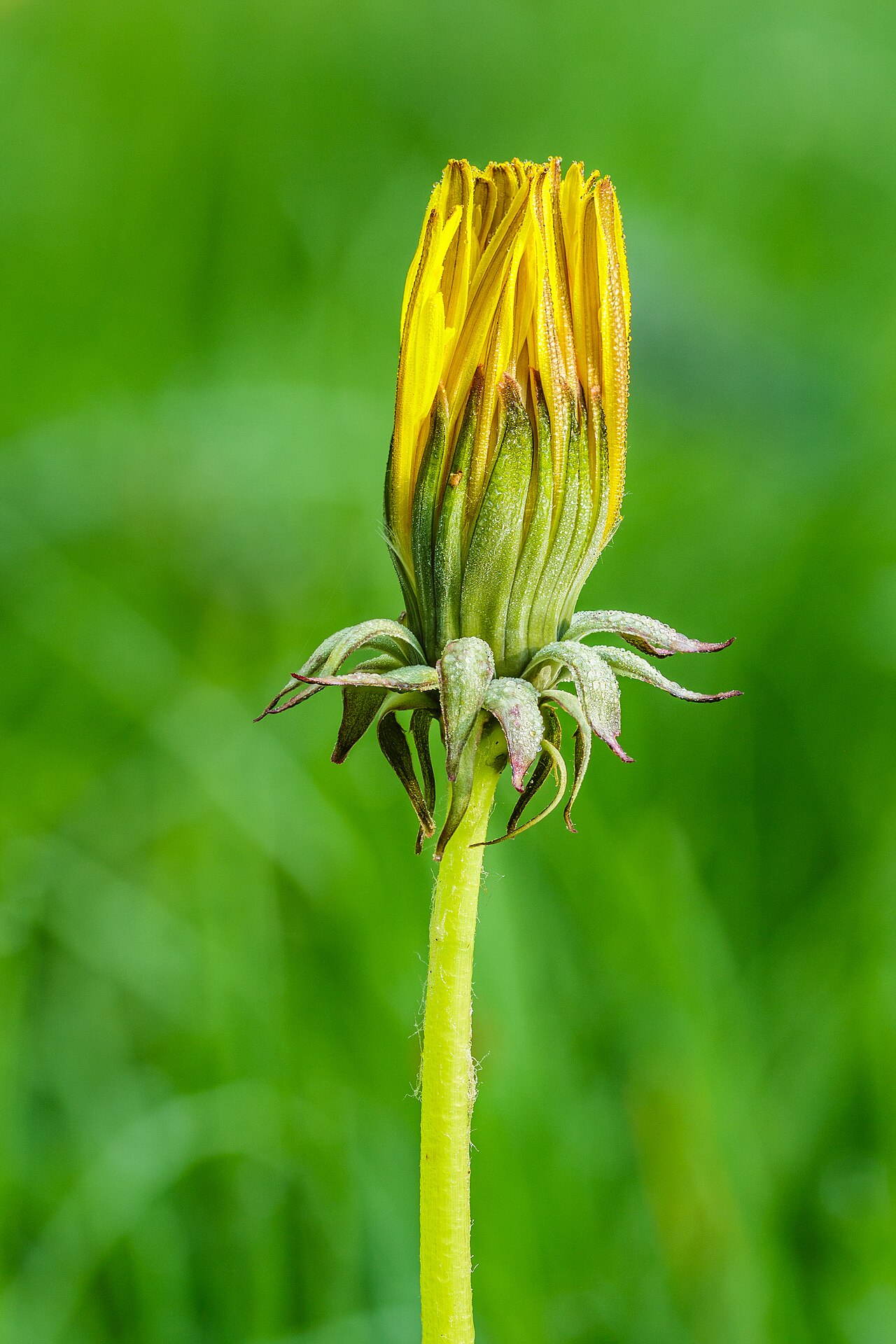
Aphids, slugs, and the seed problem are the risks: water jets and mulch for the pests, and strict deadheading for the seed, because a dandelion that seeds in your bed seeds everywhere. Harvest before flower heads open, and do not compost seed heads — bag them, or your compost becomes a dandelion nursery.
Harvest
Pick leaves young for salads, when they are tender and mildly bitter, and older leaves for cooking, where blanching in boiling water tames the bitterness. For the mildest leaves, blanch a clump under a pot for two weeks before cutting the heart. Roots dug in fall roast into a coffee substitute, and flowers, picked fresh, fry into fritters — the whole plant, as always with dandelion, is the harvest.
Nerdy fact: Vert de Montmagny’s name ties it to a place and a tradition: French market gardeners bred dandelions for the table for centuries, selecting for leaf size and vigor, while English-speaking gardeners were busy trying to kill the same plant in their lawns. Same species, opposite attitudes — and the French gardeners, on flavor and nutrition, had the better idea.
Saving seeds
Vert de Montmagny is a documented French dandelion cultivar, recognized by horticultural authorities, and described as a large-leaved, vigorous grower that matures early. That combination — big leaves, fast growth, early harvest — is exactly what a leaf crop needs in a short cool season, because a dandelion that matures early gives you more harvests before the heat arrives and the plant bolts. Vert de Montmagny is a Quebec heirloom, and dandelions are open-pollinated, not hybridized — so seed saved from it comes true to Vert de Montmagny. Let a few plants flower and set seed, then follow the dandelion guide for collecting it — but harvest before seed heads form if you do not want volunteers everywhere, or your dandelion patch becomes everyone’s dandelion patch, blown across the fence on the next breeze. The full method is in the Saving seeds section of the Dandelion guide.