
🌼 Broad-leaved Dandelion
What it looks like
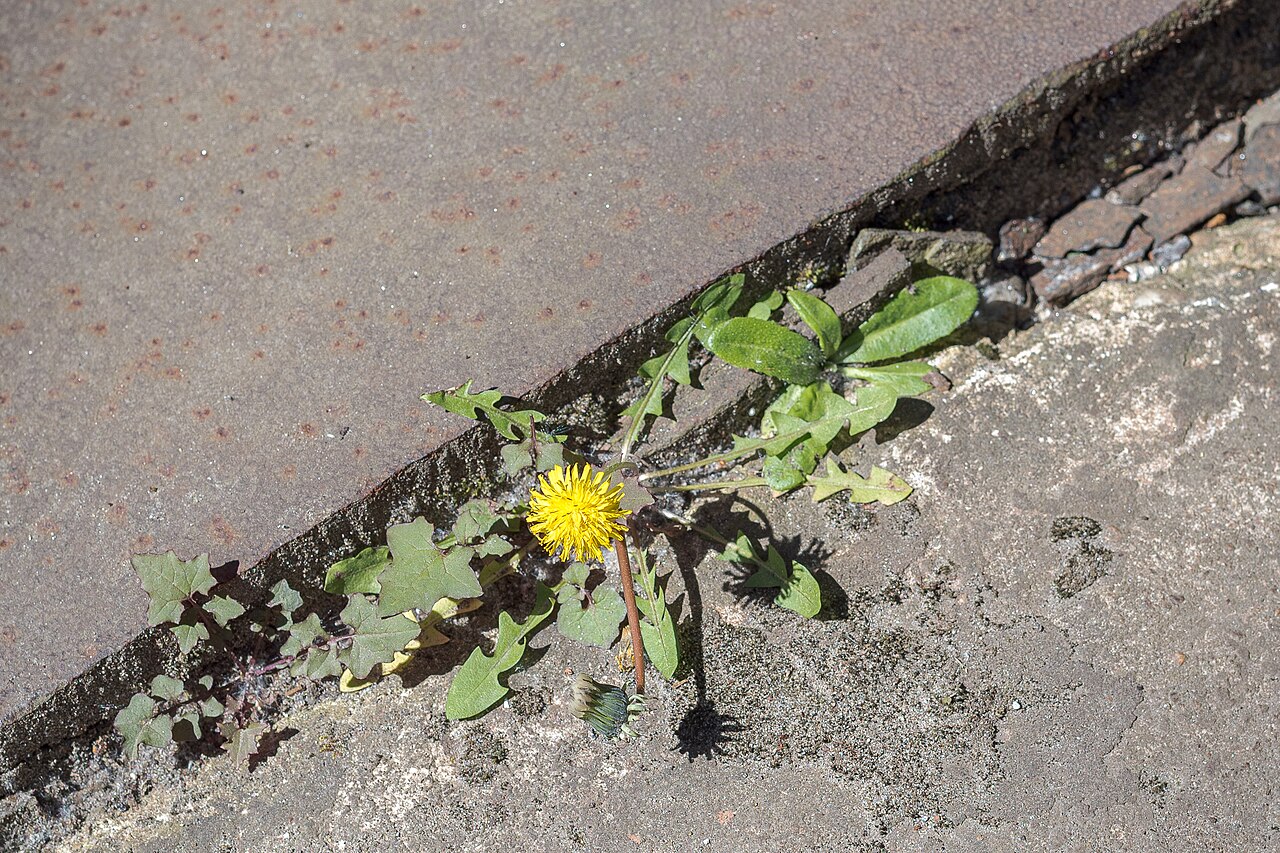
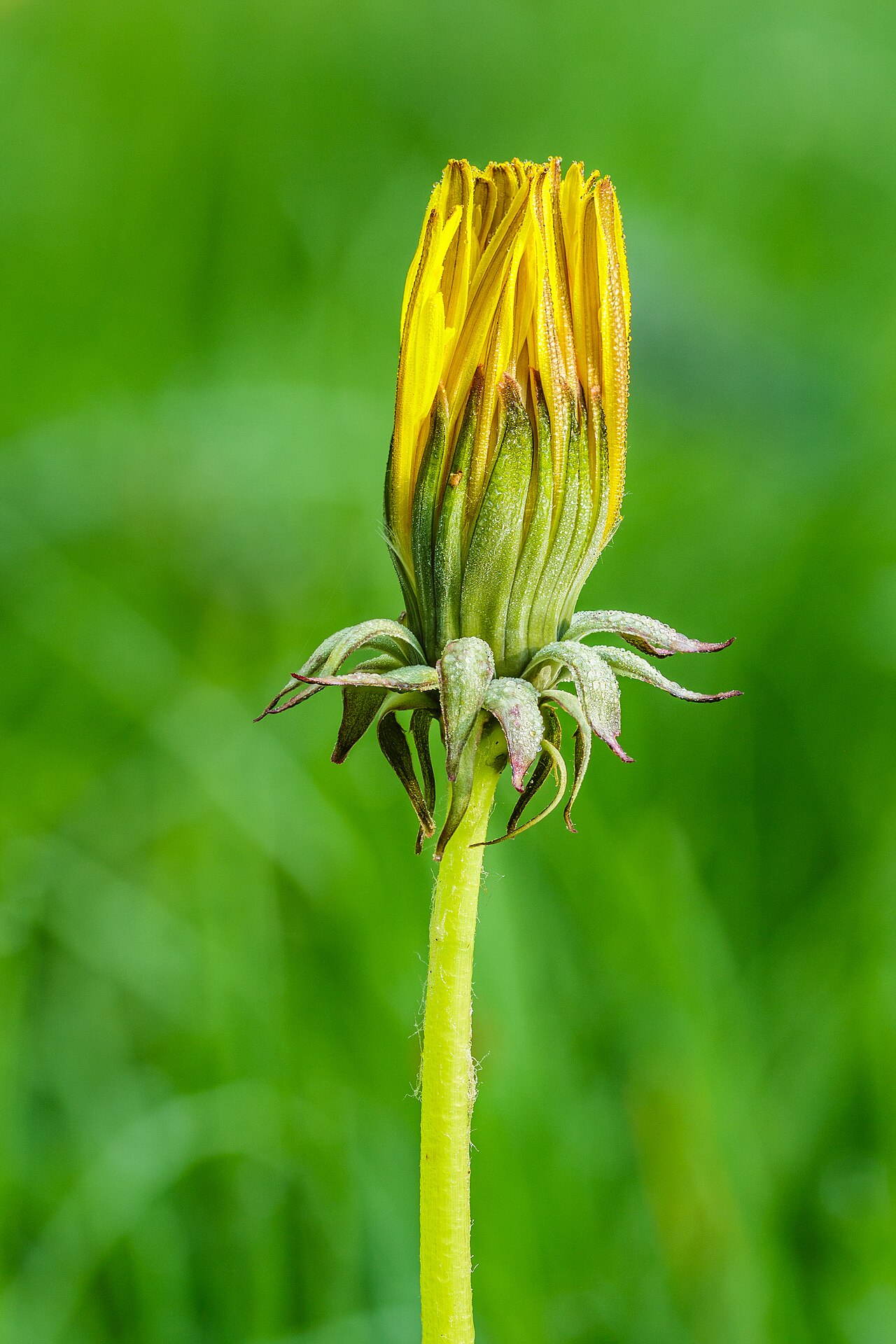
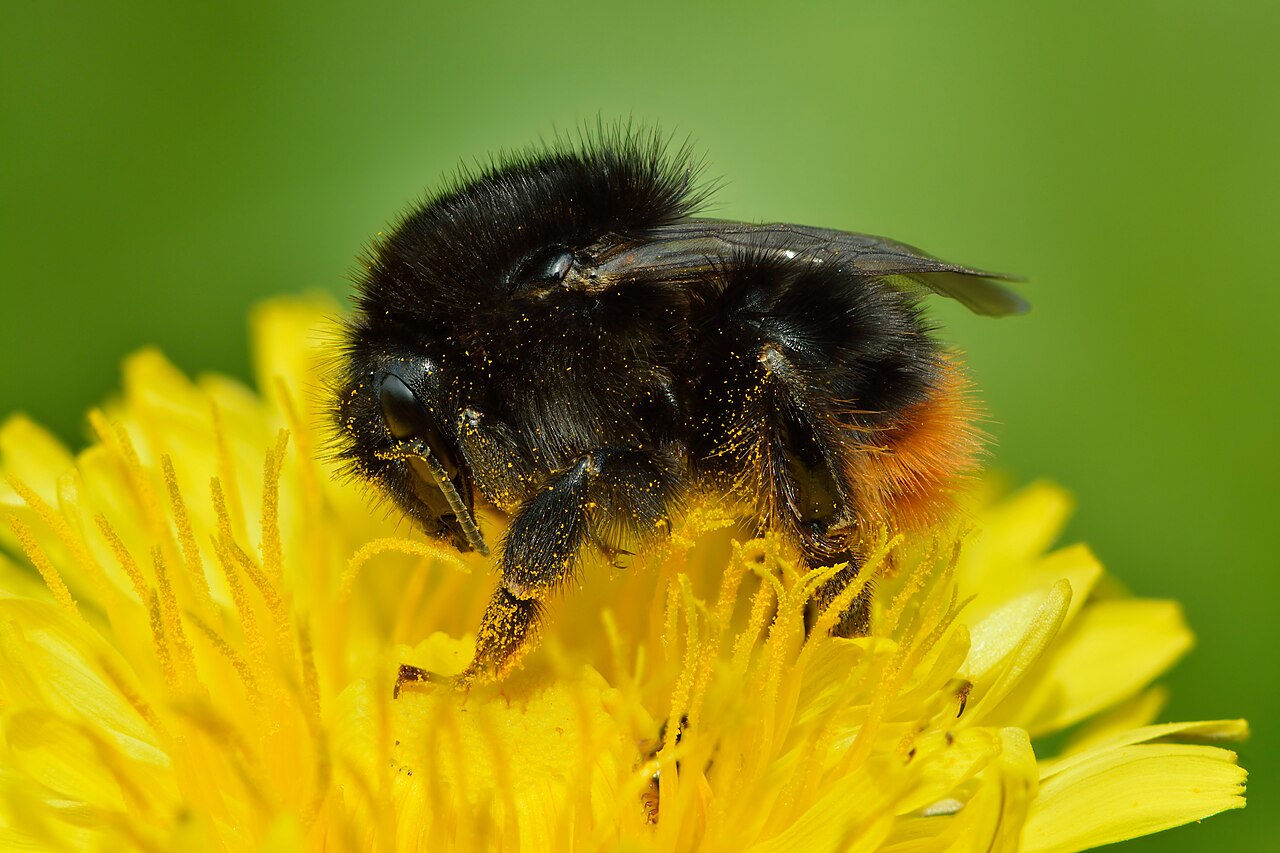
Why this variety
Broad-leaved is the dandelion type described in cultivar lists as having thick, tender leaves that are easily blanched, growing large in rich soils, and — usefully — not going to seed as quickly as the French types. That last trait is the practical one: a dandelion that holds off seeding gives you a longer leaf harvest and less weeding, which is the difference between a crop and a chore.
For the table, Broad-leaved is the dandelion for cooks: thick leaves hold up to wilting, braising, and soup without dissolving, and the blanched hearts are tender and mild enough for salads raw. In rich soil the leaves can grow impressively large, which means a few plants feed a household — and a dandelion that feeds a household from a small bed is a green worth planting on purpose.
If you are new to choosing between cultivars, the Varieties Matter guide explains why the name after the plant matters as much as the plant itself. And if you want the whole clan at a glance, the broader Dandelion guide covers dandelion generally.
How to grow
In Florida, cultivated dandelion is a cool-season green, and the joke writes itself: the weed in the lawn is the same plant, but the cultivated types are bred for bigger, more tender leaves and a milder bite. Sow in fall, harvest leaves young before the plant flowers, and blanch a few plants under a pot for pale, tender hearts. And be a good neighbor about it — harvest before seed heads form, or your dandelion patch becomes everyone’s dandelion patch, blown across the fence on the next breeze.
Sow in fall in rich, moist soil, 12 inches apart, and feed well — Broad-leaved repays rich soil with size, and starves in poor soil into a thin, bitter weed. Keep the soil moist, mulch, and pick outer leaves often. Blanch hearts under a pot for two weeks for the palest, mildest leaves, and harvest before seed heads form.
Water & feeding
Dandelion wants rich, moist soil and steady water; a dry, hungry dandelion is a bitter dandelion, and bitterness is the difference between a salad green and a weed you regret. Mulch, water deeply, and feed with compost at planting — a well-fed dandelion grows leaves worth eating instead of leaves worth mowing.
Common problems
Aphids and slugs visit; water jets and mulch help. The slower seeding habit helps, but it does not remove the rule: deadhead promptly, harvest before seed, and grow in a defined bed. A Broad-leaved dandelion that seeds is still a dandelion, and its seeds still fly.
Harvest
Pick leaves as needed from fall through spring, young for salads, older for cooking. Blanch hearts for the mildest eating, and dig roots in fall for roasting as a coffee substitute. Flowers make wine and fritters when picked fresh — dandelion’s whole-plant harvest is the reason it survived as a food plant while other weeds were just weeded.
Nerdy fact: Dandelion’s bitterness comes from sesquiterpene lactones, compounds the plant makes to deter herbivores — and that bitterness is also why dandelion has been a spring tonic and a digestive herb for centuries, because bitter flavors stimulate digestion. Blanching reduces those compounds in the heart, which is why a blanched dandelion heart tastes mild and an unblanched outer leaf tastes like a dare. Same plant, different chemistry, depending on light.
Saving seeds
Broad-leaved is a cultivated dandelion type, so it comes true from seed — save seed from your best plants and let them dry fully before storing. The full method is in the Saving seeds section of the Dandelion guide.