
Blueberries are Florida’s early apology for winter. While the rest of the garden is still deciding whether spring has actually arrived, the blueberry bushes are already loading up — small, dusty-blue, and gone the moment anyone in the house walks past with a bowl. If your garden grows one fruit, this is a strong candidate for first.
First, the botanical bragging right: a blueberry is a true berry. In botany, a true berry is a fleshy fruit from a single flower’s ovary with seeds inside — which means blueberries qualify, and strawberries, famously, do not. Your blueberry bush is the real deal and your strawberry patch is living a lie. The blue color itself is anthocyanin, the pigment that makes blueberries blue and that gets talked about as an antioxidant. The color is the chemistry.
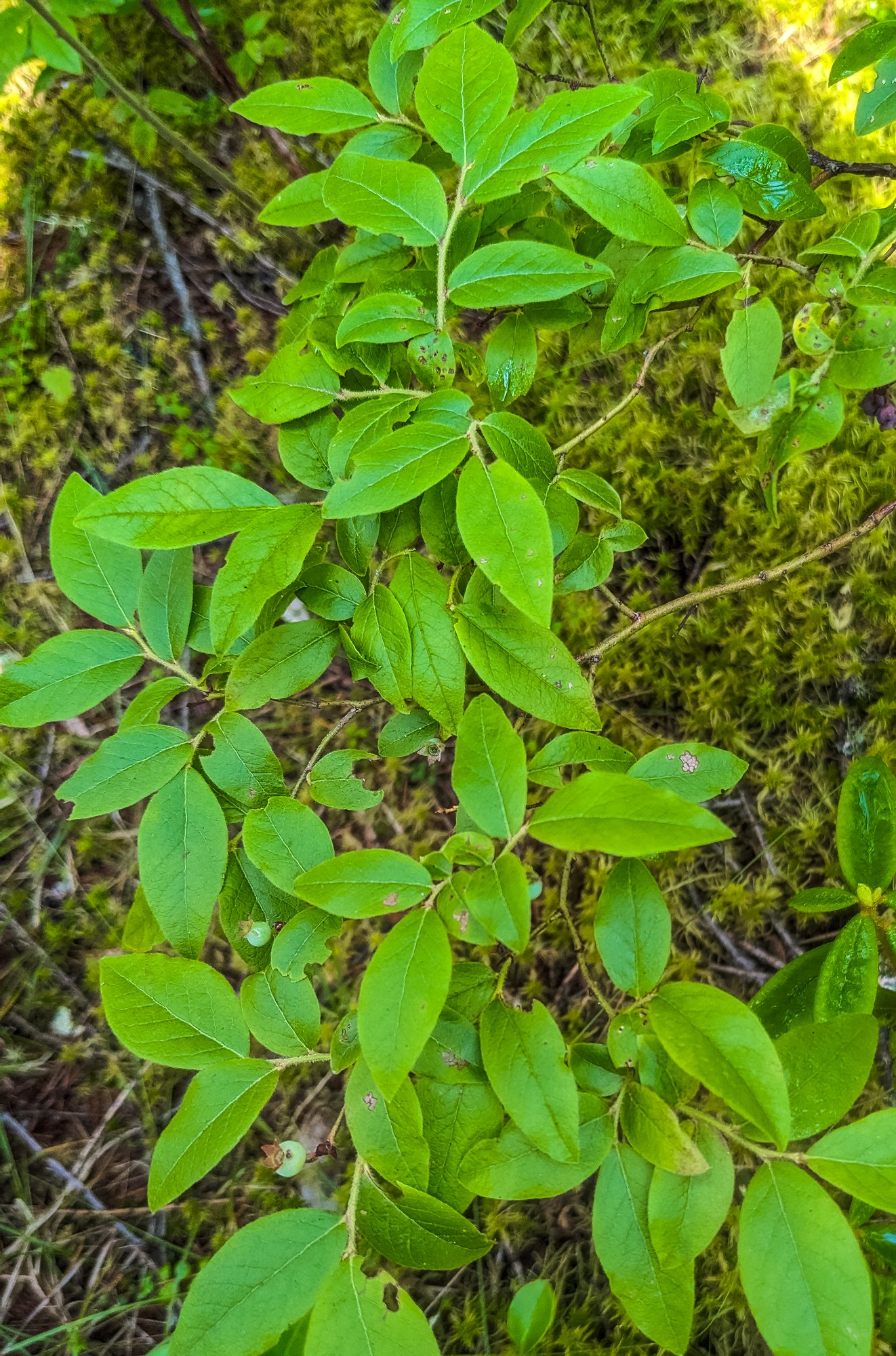
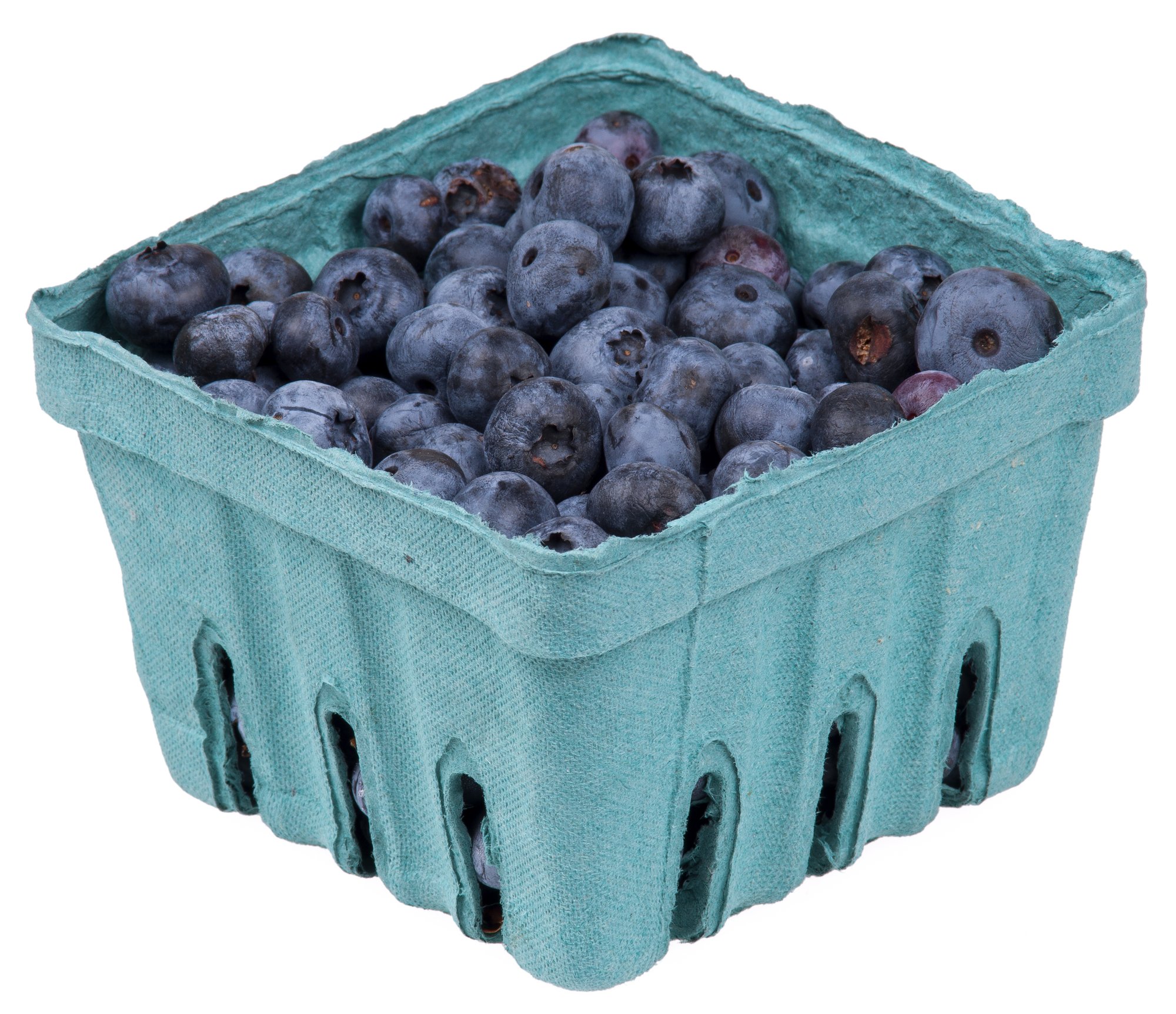
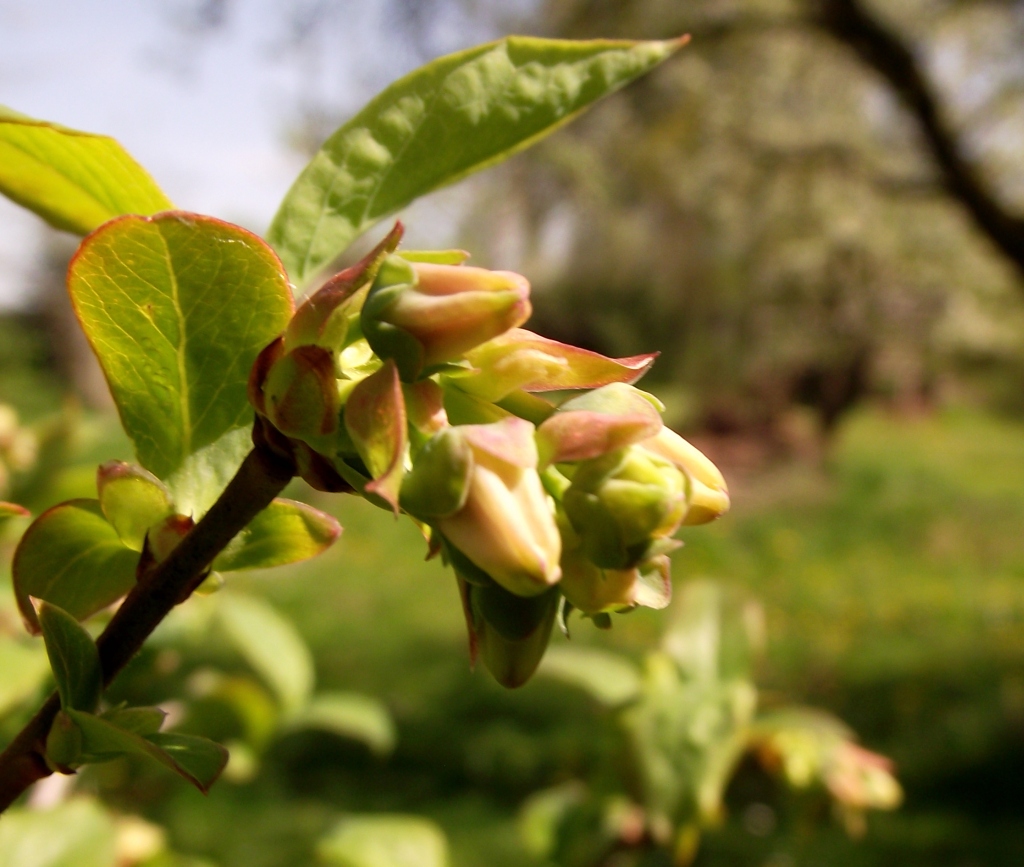
Why blueberries deserve the garden
Three reasons. One: they are Florida’s early fruit. Southern highbush blueberries ripen in spring, ahead of almost everything else in the garden, which means fresh fruit when the grocery store is still selling last season’s imports. Two: they are perennial. Plant once, pick for years, and the bushes only get better at it. Three: they are absurdly easy to eat. No peeling, no pitting, no processing — rinse and they are gone.
The science that matters: blueberries are low-chill fruit, which is the whole reason they work in Florida at all. Most fruit trees and bushes need a long cold winter to set fruit; southern highbush varieties were bred to need very little of it, so a Florida winter is enough. That is the breeding trick that turned a northern berry into a Florida spring crop.
Growing tie-in (the short version)
Plant southern highbush varieties — the low-chill types bred for Florida — in sun, and give them acid soil: blueberries want it distinctly sour, and that one condition matters more than almost anything else you do for them. Harvest in spring, when the berries are fully blue and come off with a gentle tug. Net the bushes if you want to eat any yourself, because the birds know exactly when they ripen and they do not wait for an invitation. That is the whole growing story; the rest of this guide is what to do with the bowl that results.
Four ways to cook them
1. Muffins (the breakfast default)
Fold the berries into the batter last, and fold gently — vigorous stirring bursts them and turns the whole batch purple. The classic trick: toss the berries in a spoonful of flour before folding them in. The flour coating gives them grip so they stay suspended in the batter instead of sinking to the bottom of every muffin. Bake until a toothpick comes out clean, and accept that the one muffin with the burst berry is the cook’s muffin.
2. Jam and sauce (the preserving play)
Blueberries are a natural jam fruit: they are soft, they break down fast, and they are full of pectin-friendly pulp. Simmer berries with sugar and a squeeze of lemon until thick, and you have jam for the pantry or a warm sauce for pancakes, yogurt, and ice cream in about half an hour. This is the move when the harvest outruns the household’s ability to eat berries by the handful — which it will, in a good spring. Our Florida Preserving Calendar tells you when the harvest lands.
3. Salads (the savory surprise)
Blueberries belong in salads the way grapes belong on a cheese plate — sweet, tart, and just unexpected enough to make the whole bowl interesting. Toss a handful over greens with toasted nuts and crumbled feta: the berries pop against the salty cheese, the nuts give crunch, and the whole thing tastes like something a restaurant would charge too much for. Add them last so they stay whole and don’t bleed into the dressing.
4. Frozen (the stash strategy)
Spread the berries in a single layer on a tray, freeze them solid, then bag them. Freezing flat first is the whole trick: loose berries stay loose, so you can pour out exactly what you need for a smoothie or a batch of muffins without chiseling a blueberry iceberg. And frozen berries go straight into baking without thawing — thawing first is what bleeds color through the batter. Frozen is not a lesser blueberry; it is a blueberry with a plan.
Storing the bowl
Fresh blueberries keep best in the fridge unwashed — wash them only when you are ready to eat, because moisture is what turns them soft and moldy. Pick over the pint and pull out any squashed or moldy berries before storing, since one bad berry spoils the neighbors fast. For the long term, freeze flat on a tray first, then bag, as above. Our Freezing the Harvest guide covers the method in full.
That is the blueberry deal: the year’s first fruit, a true berry with real science in its color, and a harvest that goes from bush to bowl to freezer without a single complaint. Plant a bush. The birds will forgive you. Probably.
🌱 Keep learning
Three related guides worth reading next:
- Water-Bath Canning Without Fear — The safety-first guide to preserving your harvest: botulism science, the pH 4.6 rule, and water-bath canning step by step.
- Fermented Hot Sauce — Let the microbes do the cooking: lacto-fermented hot sauce from garden peppers, with the safety science built in.
- Drying Herbs the Right Way — Which herbs dry beautifully, which ones should be frozen instead, and the methods that actually preserve flavor.
🪱 Your Soil Needs This
Reading about healthy soil is great. Growing in it is better. Our small-batch, traceable worm castings are the shortcut your garden deserves.
Shop Worm Castings Subscribe & SaveEvery bag comes with a lot certificate. Know what's in your soil.