
Collards are the winter garden’s punchline to summer’s bragging. While everything tender hides from the cold, collards stand out there in it — and get better for the trouble. A frost does not hurt collard greens. A frost sweetens them. That is not poetry, it is chemistry, and it is why Florida’s winter table belongs to the greens.
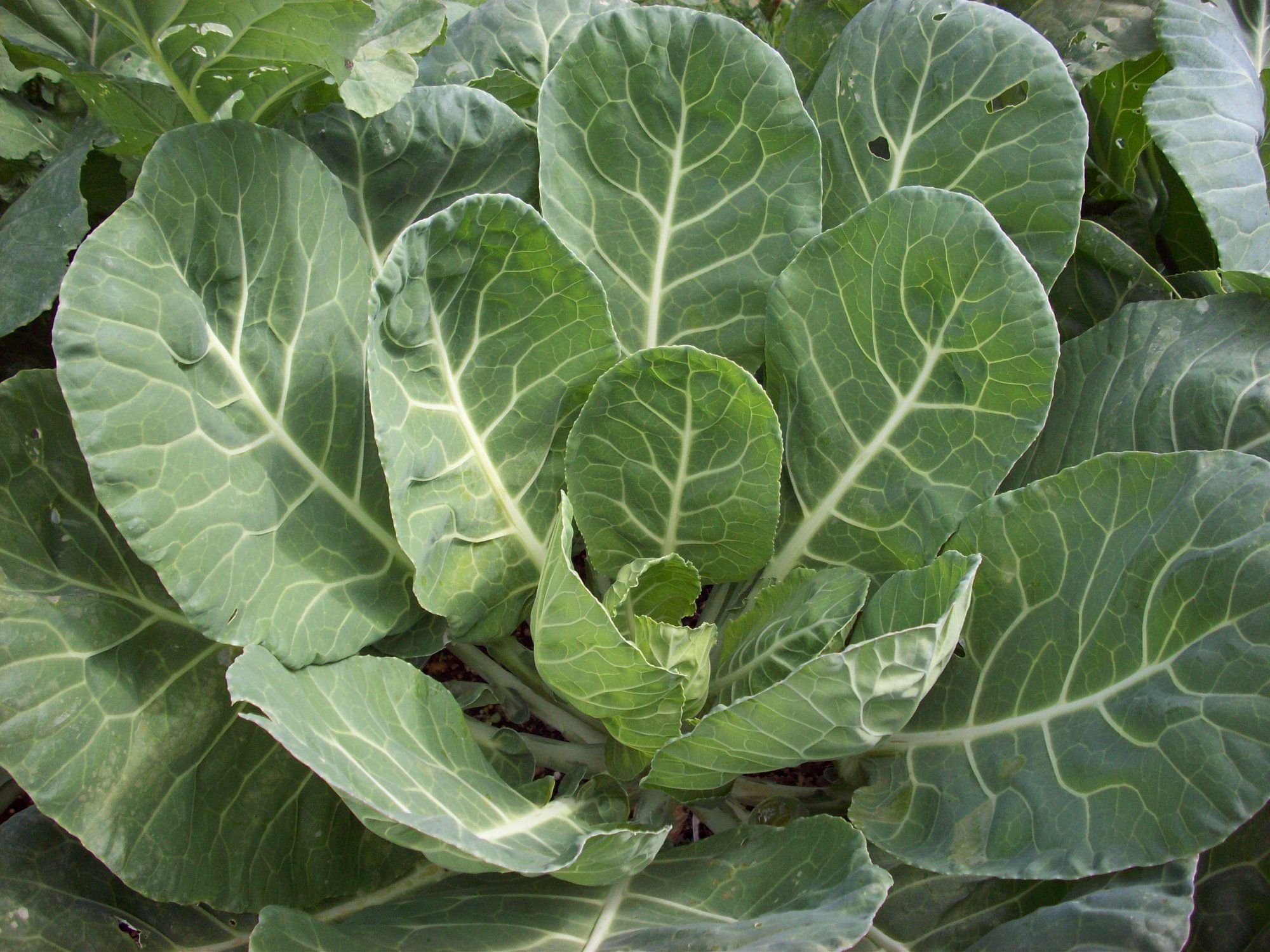
First, the plant: collards (Brassica oleracea, Acephala group) are the loose-leaf cousins of cabbage — same species, no head, just big flat leaves that keep coming. They are biennials grown as annuals, which is a fancy way of saying they grow leaves the first year and would flower the second, but you will eat them long before they get the chance.
Why frost makes them sweeter (real science)
Cold triggers collards to convert stored starches into sugars, which act as a natural antifreeze inside the leaf cells. More sugar means a lower freezing point, which means the plant survives the cold — and you taste the difference. A collard picked after a light frost is noticeably sweeter and less bitter than the same plant in October. Gardeners who wait for the first frost before the big harvest are not being patient for fun. They are being patient for flavor.
The nutrition follows the same story: collards are rich in calcium, vitamin K, and folate, with the deep green color signaling beta-carotene and lutein. They are one of the most nutrient-dense things you can grow in a Florida winter, and they ask for almost nothing — sun, water, and a little room.
Growing tie-in (the short version)
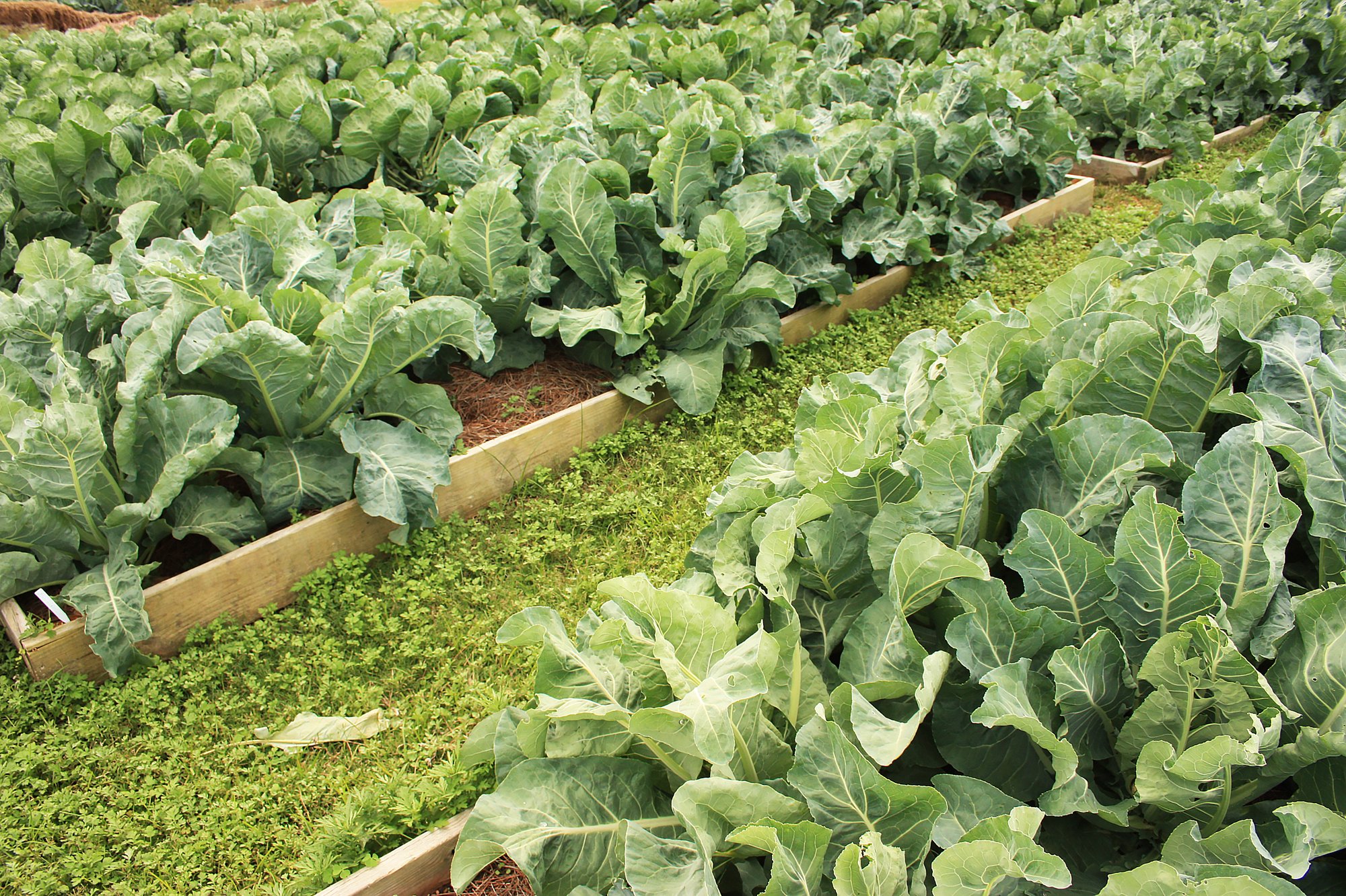
Plant in fall, harvest outer leaves first, and let the plant keep growing from the center — cut-and-come-again, all winter long. Our collards growing guide has the full planting story. The rest of this guide is what to do with the pile of leaves that results, because a healthy collard patch produces a pile.
Three ways to cook them
1. Braised, potlikker style (the classic)
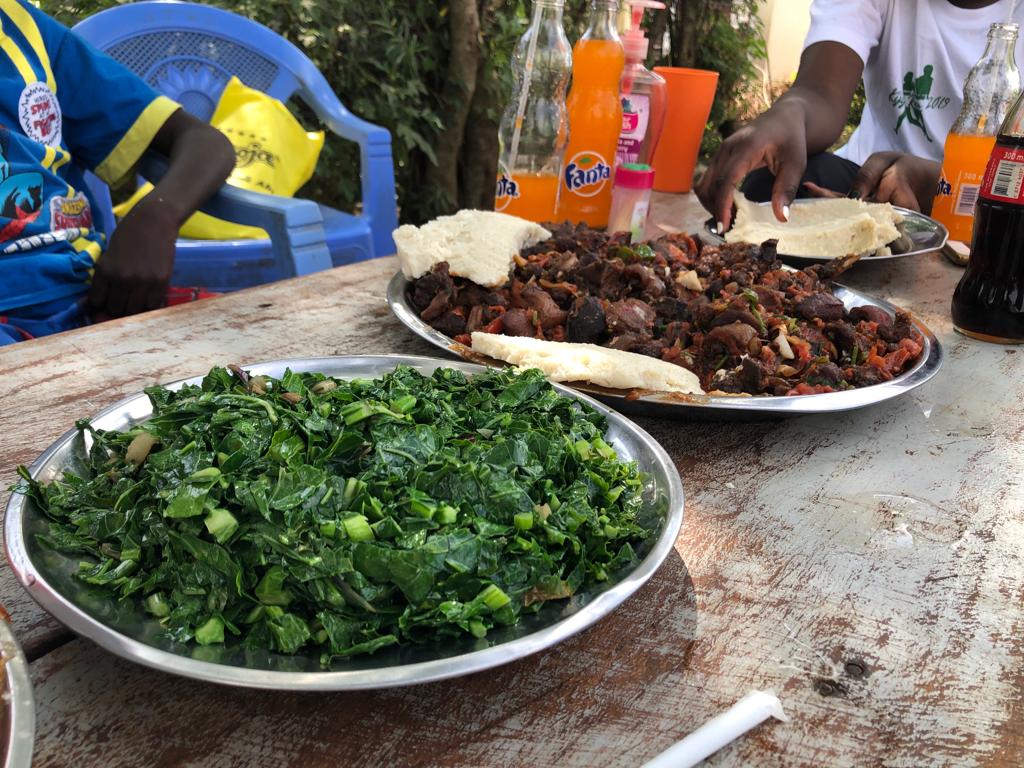
Strip the leaves from the thick center stems (save the stems — see below). Tear or chop the leaves, wash them well — grit hides in every fold — and braise with onion, garlic, a splash of vinegar, pepper flakes, and smoked turkey or a ham hock if you eat meat, or just onion, garlic, and olive oil if you don’t. Low and slow, 45–60 minutes, until completely tender. The broth this makes — potlikker — is liquid gold: savory, mineral-rich, and traditionally sopped up with cornbread or drunk straight. Do not throw it away. Throwing away potlikker is a garden crime.
2. Quick sauté (the weeknight version)
Not every collard moment needs an hour. Strip and chop the leaves, heat olive oil and garlic in a wide pan, and sauté 8–10 minutes with a squeeze of lemon at the end. Younger, smaller leaves work best here — tender enough to cook fast, sturdy enough to hold up to heat. This is the version for Tuesday night, when braising is a beautiful dream and dinner is in twenty minutes.
3. Potlikker as broth (the second meal)
Whatever potlikker is left after the greens are gone is a soup base waiting to happen. Cook rice in it. Simmer beans in it. Drink it with hot sauce. It carries the minerals and flavor of the greens into whatever comes next, which is the whole point of a closed-loop kitchen: nothing the garden gave you goes to waste.
Don’t waste the stems
Collard stems are edible — just tougher than the leaves. Chop them small and cook them longer: add them to the pot ten minutes before the leaves, or pickle them, or chop them into soup. A collard plant gives you leaves, stems, and potlikker. Using all three is not frugality theater. It is respect for a plant that fed you through winter.
And when the pile gets too big for one week, blanch and freeze the rest — greens freeze better than almost any vegetable. Our Freezing the Harvest guide covers the method. Grow collards once, and winter stops being the off-season. It becomes greens season.
🌱 Keep learning
Three related guides worth reading next:
- Grow Your Own Kitchen Garden — A kitchen garden is exactly what it sounds like — dinner, steps from the door.
- The Companion Planting Guide — Which plants help each other — and which combinations to avoid.
- Tomatoes Are Thirsty Drama Queens — A hydration intervention for the thirstiest plant in your garden.
🪱 Your Soil Needs This
Reading about healthy soil is great. Growing in it is better. Our small-batch, traceable worm castings are the shortcut your garden deserves.
Shop Worm Castings Subscribe & SaveEvery bag comes with a lot certificate. Know what's in your soil.