
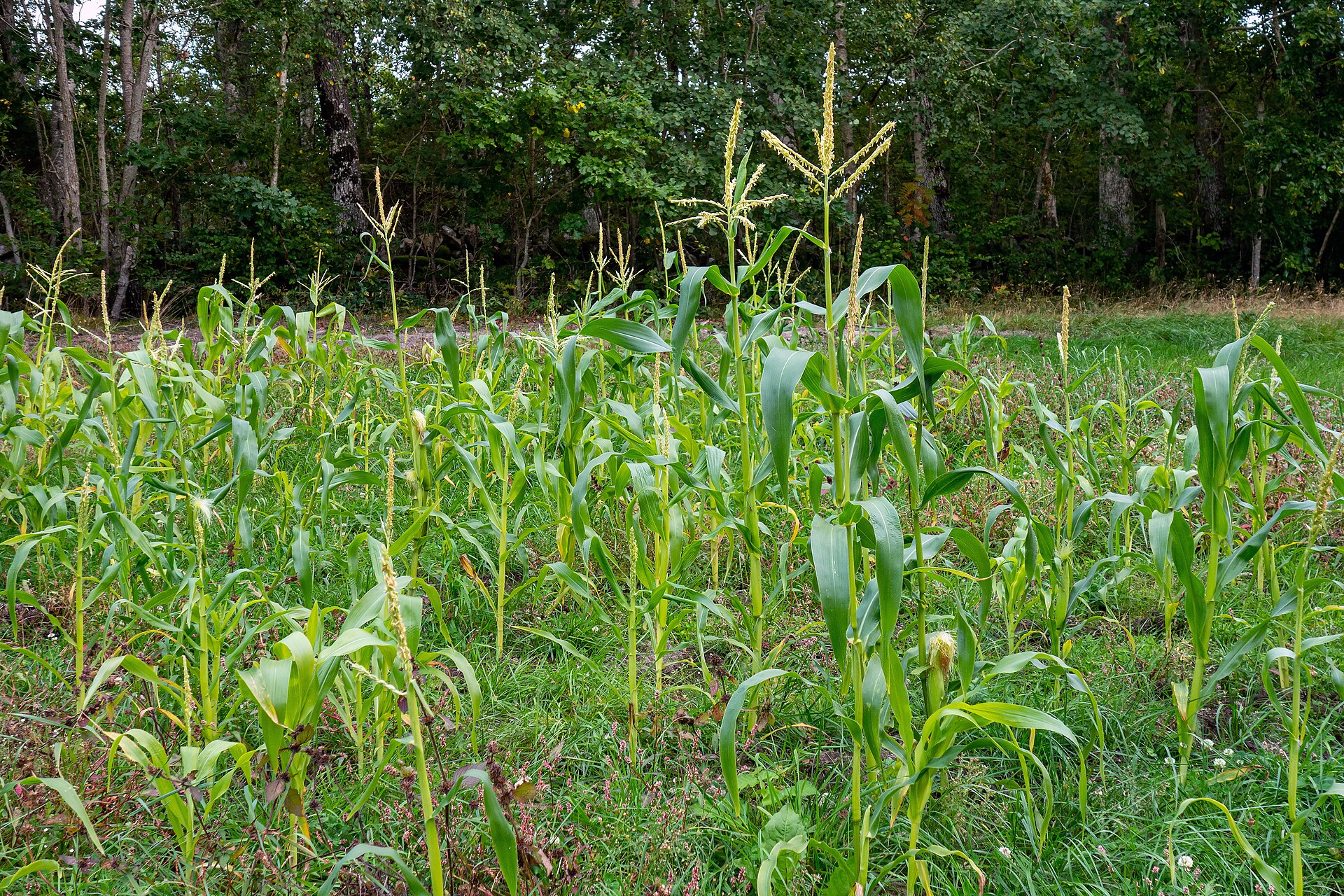
Corn is summer’s showpiece. It grows taller than you in a few weeks, rustles like applause in a thunderstorm, and it is the one crop where homegrown demolishes store-bought so completely that it is almost unfair to compare them. If your garden grows one thing purely for the joy of it, corn is a strong candidate.
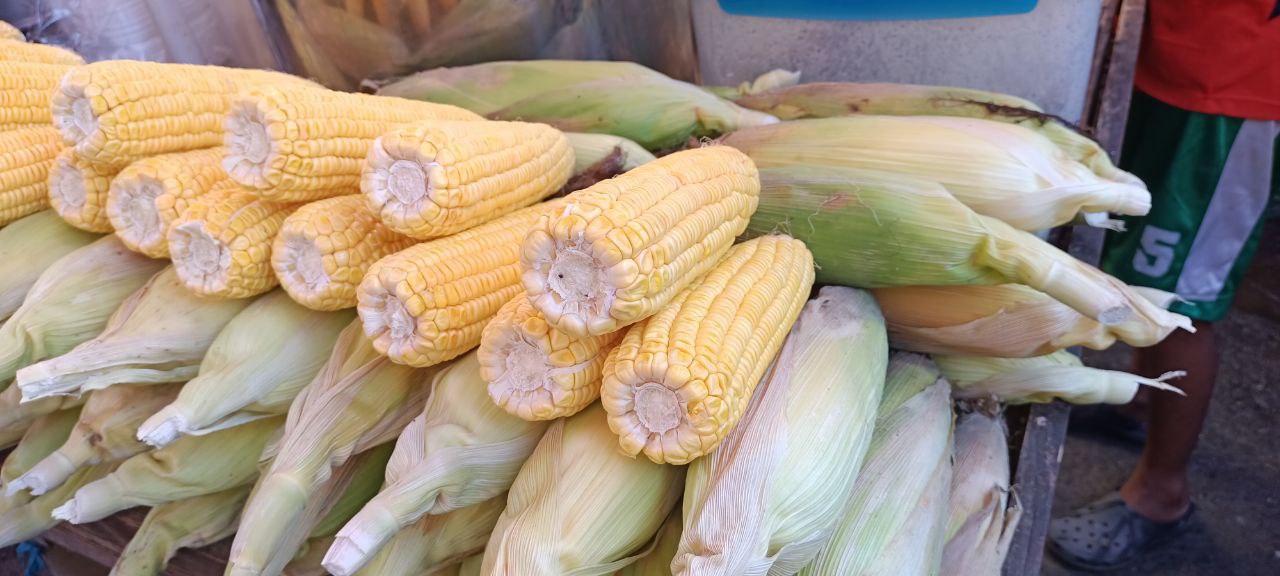
First, the botany, because it is better than you think: corn is a grass, and every kernel on an ear is a fruit — a caryopsis, a fruit where the seed coat and the fruit wall are fused into one. You are not eating a vegetable. You are eating a grass’s babies, hundreds at a time, and they are delicious. Also, every strand of silk is connected to one kernel: each silk is a style that had to catch pollen for its kernel to fill. An ear with gaps is an ear that had a bad pollination day, which is why corn is planted in blocks, not single rows.
Why corn deserves the garden
Three reasons. One: it is fast and tall. Corn turns a flat summer bed into a jungle in weeks, which is satisfying in a way that watching a pepper plant is not. Two: the flavor clock. The sugars in a kernel start converting to starch the moment you pick the ear, which is why fresh-picked corn tastes like candy and store corn — picked days ago, shipped, and chilled — tastes like a polite rumor of corn. Three: it is a succession crop. Plant a small block every couple of weeks through the warm season and the harvest stretches instead of landing all at once.
The science that matters: that sugar-to-starch conversion never fully stops, it only slows down. Chilling an ear buys you time, it does not freeze the clock. So the rule is simple — cook it fast, or chill it fast, and never let a picked ear sit on the counter while you decide what to do with it. The counter is where sweetness goes to die.
Growing tie-in (the short version)
Plant in full sun in warm soil, in blocks for pollination, and give it water — corn is thirsty, and drought at silking means patchy ears. Succession-plant every couple of weeks for a longer season. Pick in the morning, when the ears are cool and the sugars are at their best. The main pest is the corn earworm, which chews the silk end; a damaged tip is ugly, not dangerous, and you just cut it off. That is the whole growing story; the rest of this guide is what to do with the harvest.
Four ways to cook them
1. Grilled in the husk (the purist’s method)
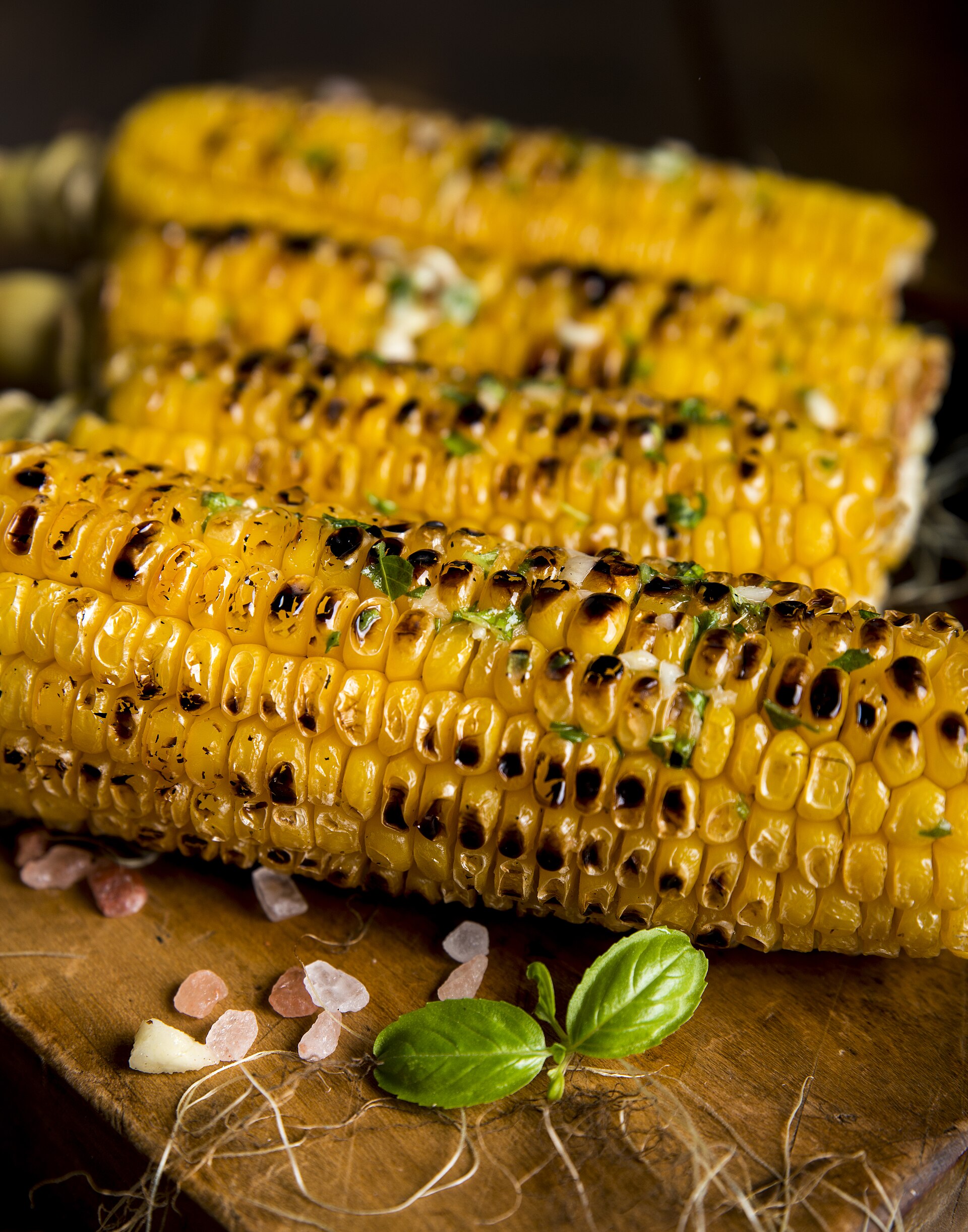
Soak the ears in water for 15 minutes, then grill them in their husks over medium heat for 15–20 minutes, turning occasionally, until the husks are charred and the silks pull away easily. The husk is a steamer: it traps moisture and cooks the kernels gently in their own steam. Then peel the husk back like a handle, brush with butter and salt, and put the ear back on the grill for a minute or two to char a few kernels. That char is Maillard browning and caramelization — the same chemistry that makes toast taste better than bread — and a few charred kernels among sweet ones is the whole point.
2. Elote (the street-corn argument-ender)
Grill or char shucked ears over high heat, then roll each one in mayonnaise, squeeze lime over it, and shower it with crumbled cotija and chili powder. Elote works because it hits every channel at once: fat from the mayo carries flavor, acid from the lime wakes everything up, salt sharpens it, and heat from the chili makes your mouth pay attention. No single topping does the job alone; together they are the reason you will eat a second ear standing up in the kitchen.
3. Chowder (the starch trick)
Cut the kernels off four or five ears, simmer them with diced potato, onion, and stock until tender, then blend a third of the pot and stir it back in. Here is the trick: you do not need flour. The kernels themselves are packed with starch, and blended kernels thicken the soup into something creamy without a roux in sight. Finish with cream if you like, but taste it before you add any — corn chowder made from fresh ears is already sweet, rich, and thick enough to stand a spoon in.
4. Fritters (the cold batter, hot oil rule)
Mix kernels with flour, egg, a little baking powder, and salt into a thick batter, then drop spoonfuls into oil at 350°F until golden. The rule is the whole recipe: the batter must stay cold and the oil must stay hot. Cold batter hitting hot oil makes steam fast, and that steam puffs the fritter up before the starch sets crisp. Warm batter in cooling oil just soaks up grease and goes soggy. Fry in small batches, drain on a rack (not paper towels, which steam the bottoms), and salt while they are hot.
Storing the mountain
Fresh ears keep in the fridge, in their husks, for a day or two at most — the sugar clock is still ticking, just slower. For a real glut, cut the kernels off, blanch them briefly, and freeze them: blanched kernels freeze beautifully and taste like July in January. Our Freezing the Harvest guide covers the method, and the Florida Preserving Calendar tells you when the harvest lands. Dried corn — grits, meal, popcorn — is a different project with different varieties, so do not try to dry your sweet corn and expect grits.
That is the corn deal: a grass that grows taller than you, tastes like candy for about an hour after picking, and turns into dinner four different ways without a single complaint. Plant a block. Pick in the morning. Cook it before lunch.
🌱 Keep learning
Three related guides worth reading next:
- Water-Bath Canning Without Fear — The safety-first guide to preserving your harvest: botulism science, the pH 4.6 rule, and water-bath canning step by step.
- Fermented Hot Sauce — Let the microbes do the cooking: lacto-fermented hot sauce from garden peppers, with the safety science built in.
- Drying Herbs the Right Way — Which herbs dry beautifully, which ones should be frozen instead, and the methods that actually preserve flavor.
🪱 Your Soil Needs This
Reading about healthy soil is great. Growing in it is better. Our small-batch, traceable worm castings are the shortcut your garden deserves.
Shop Worm Castings Subscribe & SaveEvery bag comes with a lot certificate. Know what's in your soil.