
Figs are Florida’s short-season treasure — here and gone before you have time to get bored of them, which is exactly why they feel like a gift. One week the tree is just leaves, the next it is dropping soft, honey-sweet fruit faster than you can eat it, and the birds have noticed too. If your garden grows one tree that makes you feel rich for about three weeks a year, this is it.
First, the identity crisis: a fig is not quite a fruit. It is a syconium, an inside-out flower cluster — a hollow stem that folds inward and holds hundreds of tiny flowers inside. What you eat is that whole structure, flowers and all, ripened into something soft and jammy. The common Florida varieties set fruit without wasps, so you do not need a pollinator partner to get a crop — the tree handles it on its own.
Why figs deserve the garden
Three reasons. One: the flavor is unlike anything from a store. A tree-ripe fig is soft, honeyed, and perfumed in a way a shipped fig never manages. Two: the tree asks little of you — sun, decent drainage, and patience while it settles in. Three: the harvest is an event. A short season means you actually pay attention, pick every day, and eat figs until you are happily sick of them, which is a better problem than most gardens offer.
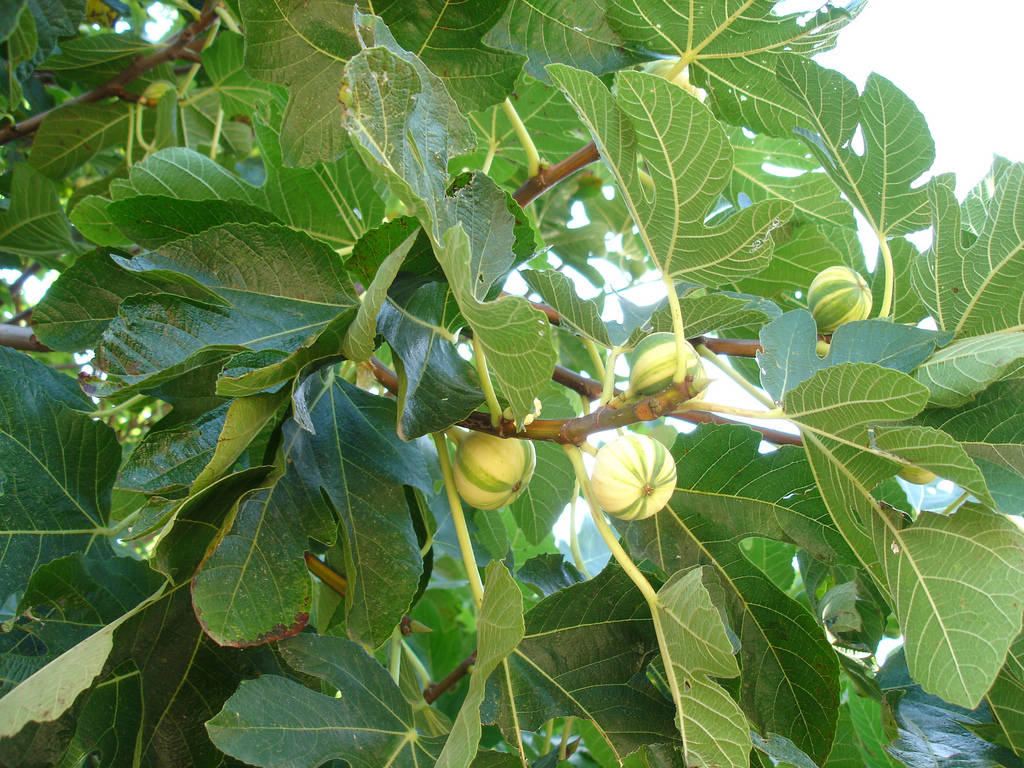
The science that matters: ripeness is not a color test, it is a droop test. A ripe fig hangs down on its stem, yields softly to a gentle squeeze, and often shows a tiny drop of nectar at the eye on the bottom. Pick it then, not before — figs do not sweeten much off the tree. And one safety note worth taking seriously: fig latex sap irritates skin, so wear gloves when pruning and picking, and wash up after handling cut stems.
Growing tie-in (the short version)
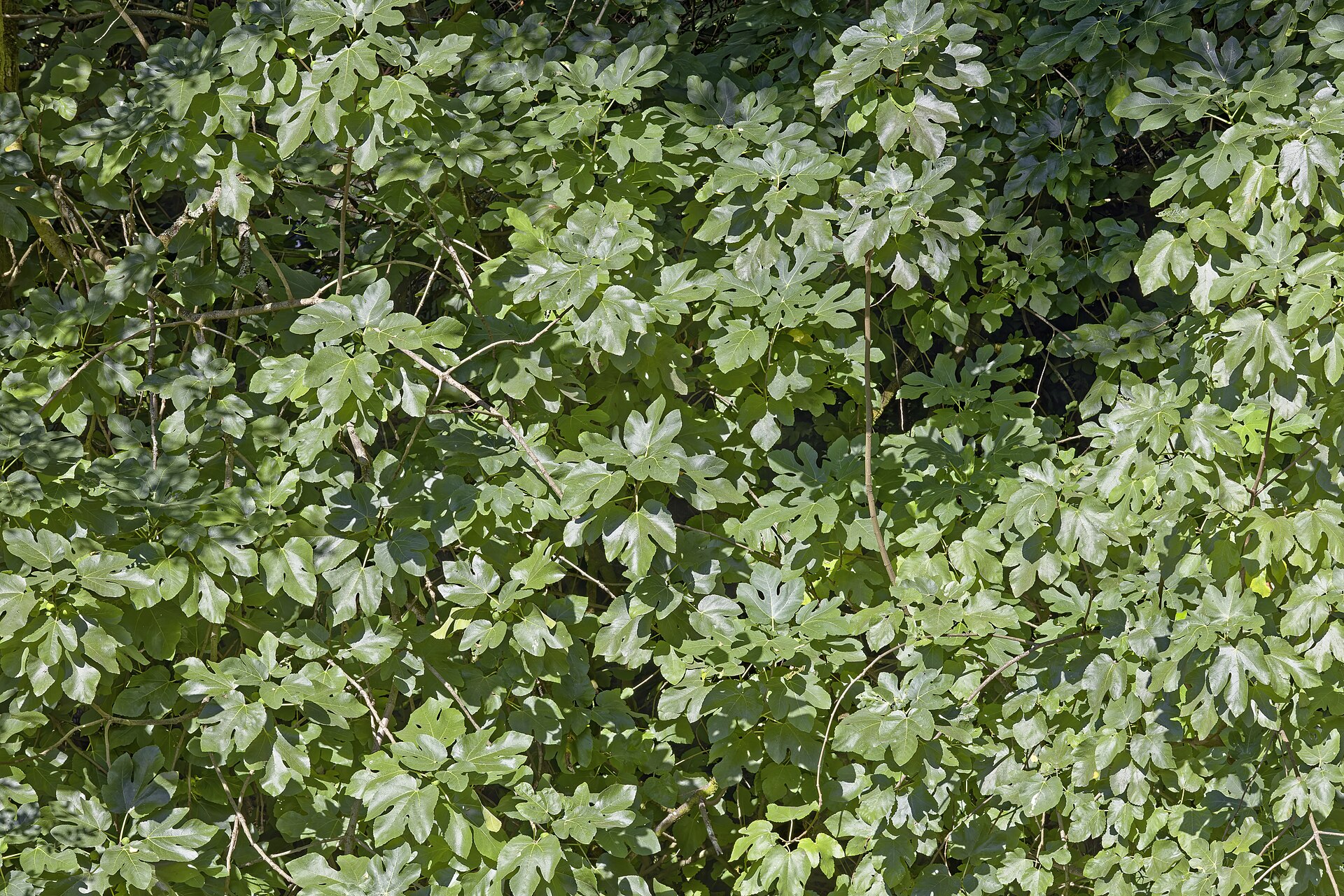
Celeste and Brown Turkey are the reliable Florida varieties — the ones that handle the heat, the humidity, and the occasional cold snap without drama. Give a fig tree full sun and room to spread, pick daily once fruit starts ripening, and net the tree if the birds start winning the race. That is the whole growing story; the rest of this guide is what to do with the glorious, fleeting glut that results.
Four ways to cook them
1. Fresh with cheese (the zero-cook classic)
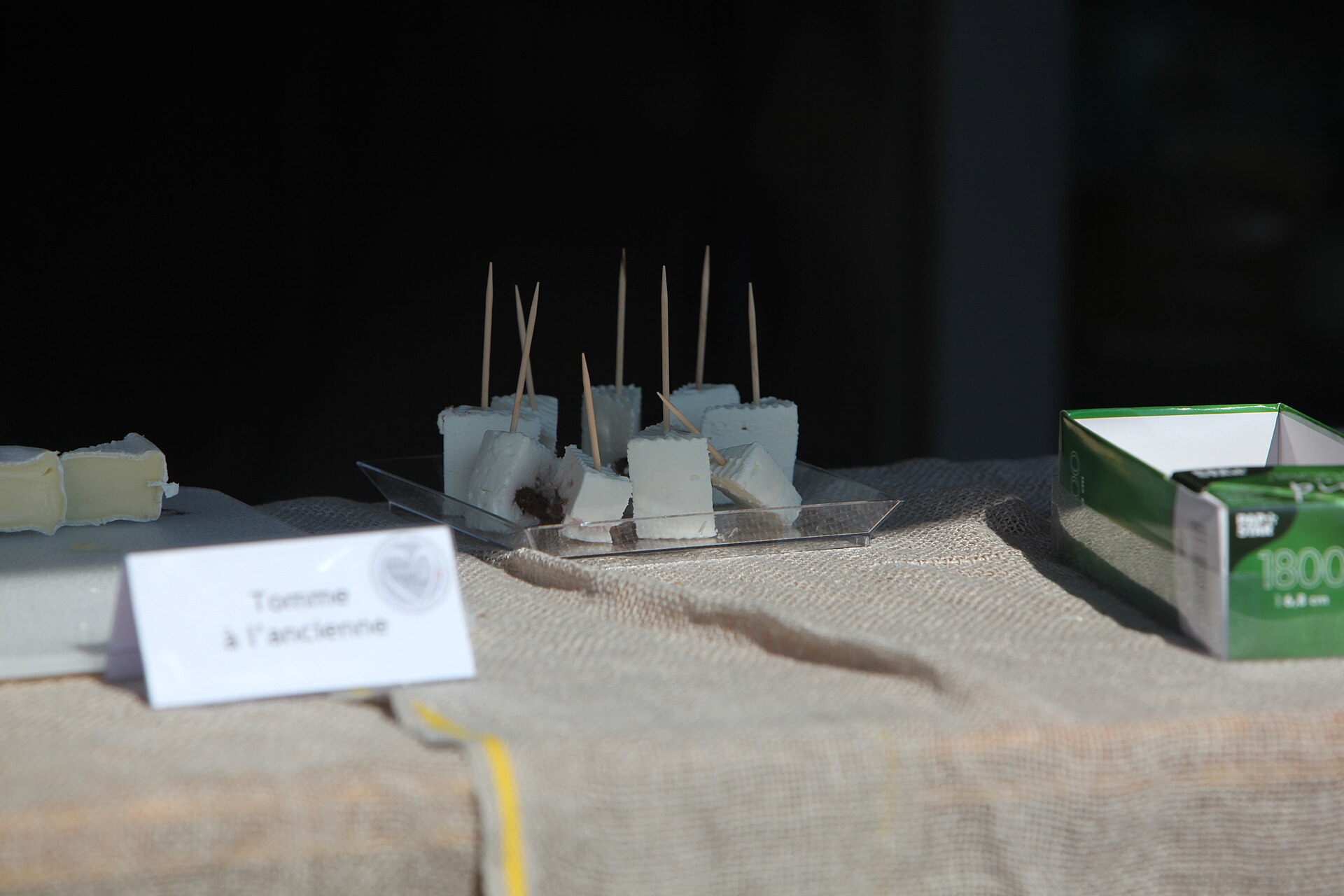
Halve ripe figs, drizzle with honey, and serve with cheese — a soft goat cheese, a salty feta, or a creamy brie all work. The fig brings the honey and the perfume, the cheese brings the salt and the tang, and together they taste far fancier than the effort involved. This is the move for figs at their absolute peak, when cooking them would be a crime.
2. Roasted with honey (the caramelization trick)
Halve figs, place them cut-side up on a sheet pan, drizzle with honey and a little olive oil, and roast at 400°F for 10–15 minutes until soft and caramelized at the edges. Heat concentrates the sugars and deepens the flavor — caramelization is where a good fig becomes a great one. Serve warm over yogurt, ice cream, or just eaten straight off the pan.
3. Jam (the preserving play)
When the glut hits and you cannot eat them fast enough, make jam. Quarter figs, simmer with sugar and a squeeze of lemon until thick and glossy, and jar it up. Fig jam keeps the short season going all year, and it is the same instinct behind every preserving project: catch the abundance while it lasts. Our Florida Preserving Calendar tells you when the harvest lands.
4. In salads (the sweet-savory balance)
Quarter fresh figs and toss them with greens, toasted nuts, and a sharp vinaigrette. The figs bring sweetness, the nuts bring crunch, the greens and dressing bring the bite that keeps it from turning into dessert. Add cheese if you like — figs, greens, nuts, and cheese is a combination that rarely misses.
Storing the glut
Figs are fragile, and that is part of the deal. Eat them within days of picking, and keep what you cannot eat right away in the fridge for 2–3 days — handle them gently, because a bruised fig spoils fast. For anything beyond that, preserve the glut: jam it, or freeze it for smoothies and baking later. Our Freezing the Harvest guide covers the method.
That is the fig deal: a short season, a tree that mostly takes care of itself, and a harvest so good the birds will try to steal it. Plant one. You will spend three weeks a year feeling like royalty.
🌱 Keep learning
Three related guides worth reading next:
- Water-Bath Canning Without Fear — The safety-first guide to preserving your harvest: botulism science, the pH 4.6 rule, and water-bath canning step by step.
- Fermented Hot Sauce — Let the microbes do the cooking: lacto-fermented hot sauce from garden peppers, with the safety science built in.
- Drying Herbs the Right Way — Which herbs dry beautifully, which ones should be frozen instead, and the methods that actually preserve flavor.
🪱 Your Soil Needs This
Reading about healthy soil is great. Growing in it is better. Our small-batch, traceable worm castings are the shortcut your garden deserves.
Shop Worm Castings Subscribe & SaveEvery bag comes with a lot certificate. Know what's in your soil.