
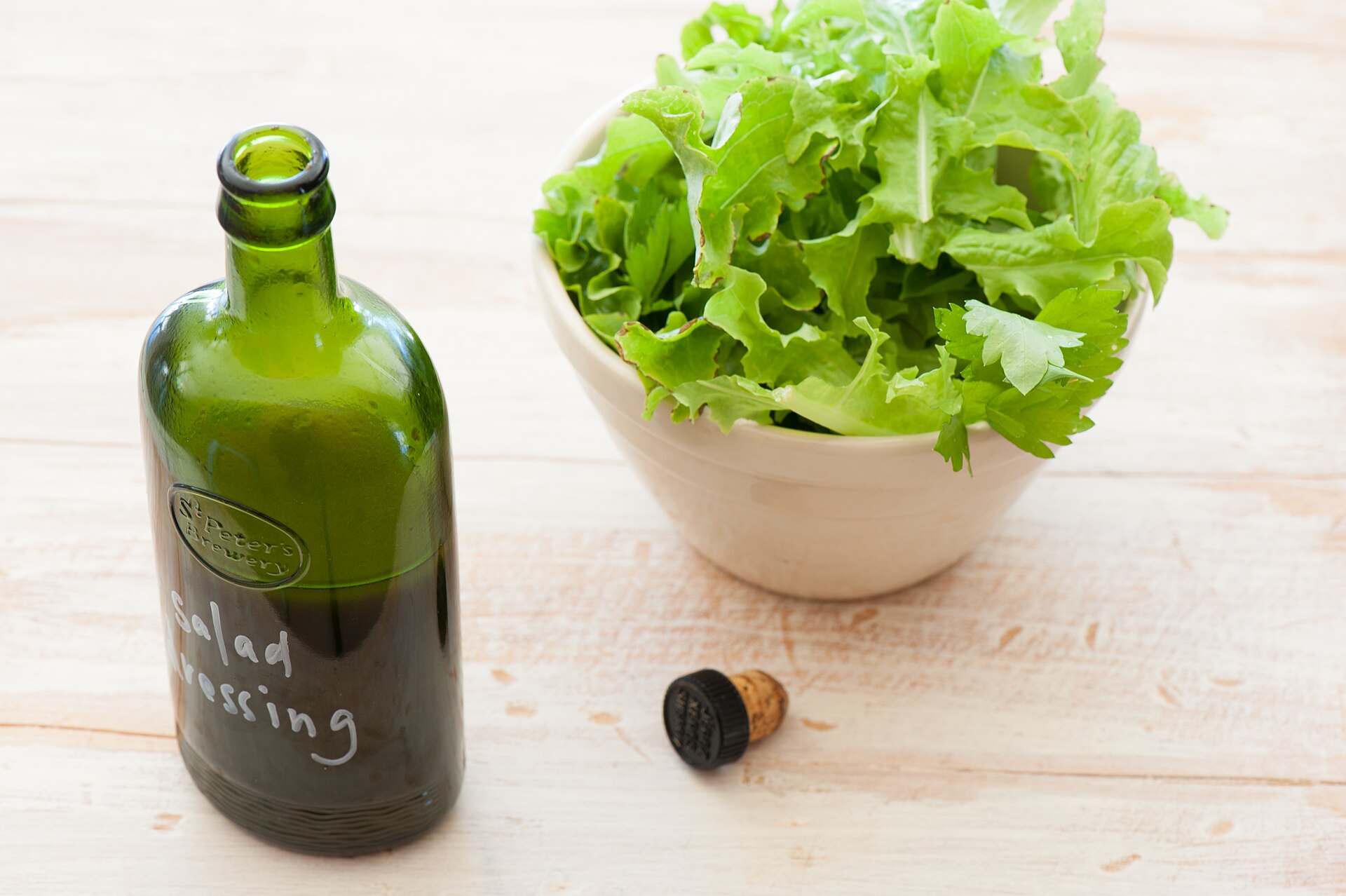
Most garden salads die not from bad lettuce but from a sad drizzle out of a bottle. You grew the greens, you washed the dirt off your thumb, and then you poured on something that tastes like it gave up. Dressing deserves better, and it deserves a formula — because once you know the ratio, you will never buy the bottle again.
Why dressing deserves a formula
A recipe tells you what to do once. A formula tells you what to do forever, with whatever the garden handed you this week. Basil is exploding? That is a vinaigrette. Rosemary is taking over the bed? That is a vinaigrette too, just moodier. When you understand the parts — oil, acid, emulsifier, salt — you can swap ingredients without breaking the dressing, which is the whole point of growing your own food in the first place.
The ratio
Start here: roughly 3 parts oil to 1 part acid, plus an emulsifier and salt. That is 3 tablespoons of oil to 1 tablespoon of vinegar, scaled up or down however you like. It is a starting point, not a law — taste it, then adjust. More acid turns the flavor up; more oil turns it down. Think of acid as the volume knob on the whole bowl: too quiet and the salad tastes flat, too loud and all you taste is the vinegar.
Salt timing matters, and it is pure chemistry. Salt dissolves in water, not in oil, so whisk it into the acid first, before the oil goes in. Salt tossed into finished oil just sits there, gritty and grumpy, like it was never invited. Dissolve it early and it seasons everything evenly.
Building blocks
Oils
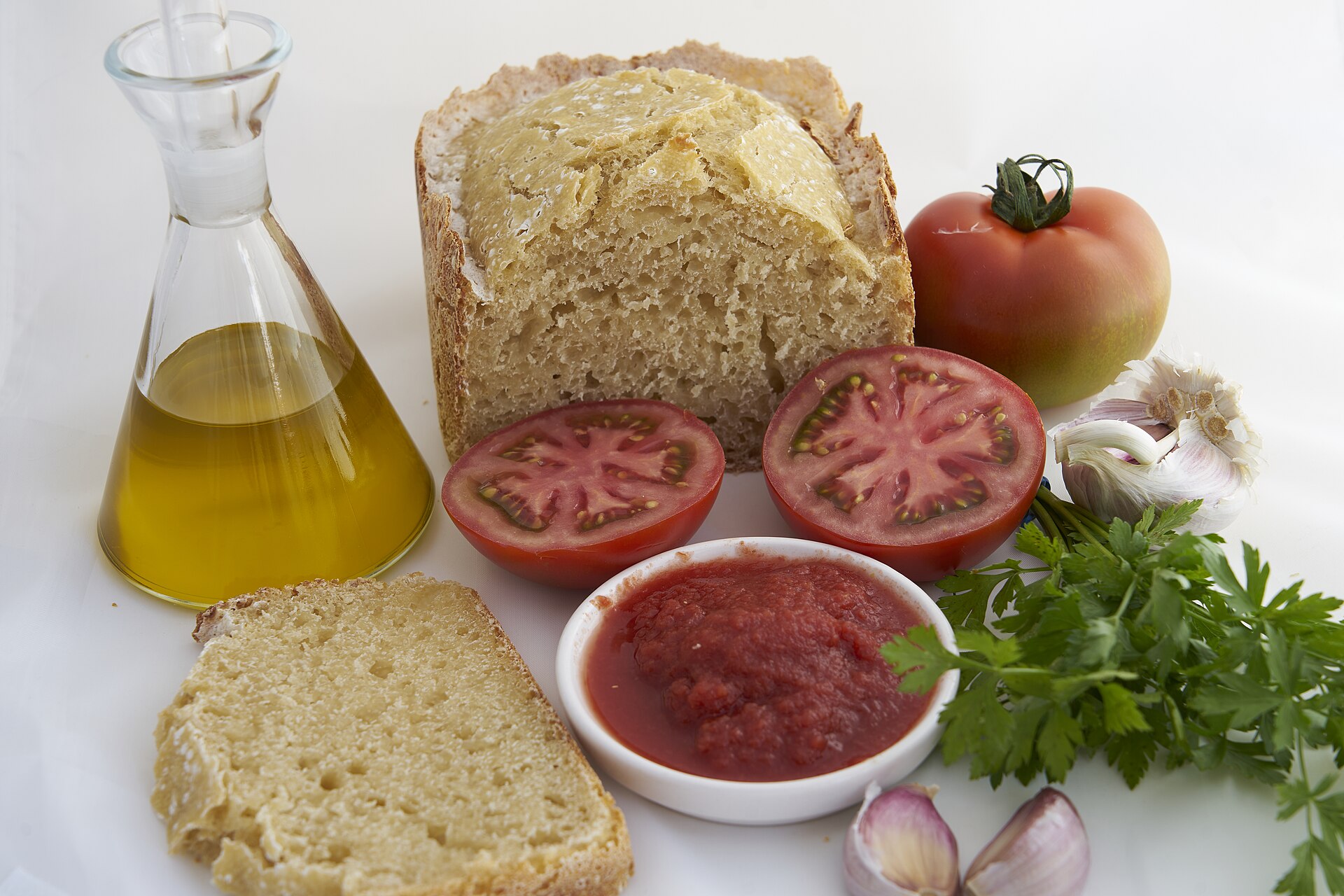
Oil is the body of the dressing. A good olive oil brings its own peppery, grassy flavor and does most of the work on its own. A neutral oil lets the acid and herbs take the lead. Toasted sesame oil is a flavor bomb, so use it as part of the oil measure, not the whole thing, unless you want a salad that tastes like a sesame seed convention.
Acids
Vinegars lead here, because a garden gives you vinegars to play with. Herb vinegars are the Florida gardener’s cheat code: tuck clean sprigs of mint, basil, or rosemary into vinegar, let them steep, and suddenly plain vinegar tastes like the garden decided to dress itself. The Florida Preserving Calendar is a handy check for when those herbs are at their peak for a batch. Lemon works too, as an acid option, but this is a vinegar household first — citrus is the guest star, not the lead.
Emulsifiers
Here is the science that makes dressing work at all: oil and water do not mix. Left alone, they separate faster than gardeners at a seed swap when the good tomatoes run out. An emulsifier bridges them. Its molecules have one end that loves water and one end that loves oil, so they grab both sides and hold the droplets of oil suspended in the acid instead of letting them pool back together. Mustard is the everyday hero, honey helps and adds sweetness, and an egg yolk makes the thickest, creamiest emulsion of all. Whisk hard, or shake harder — you are building tiny oil droplets, and elbow grease is the construction crew.
Four finished dressings
1. Herb vinaigrette
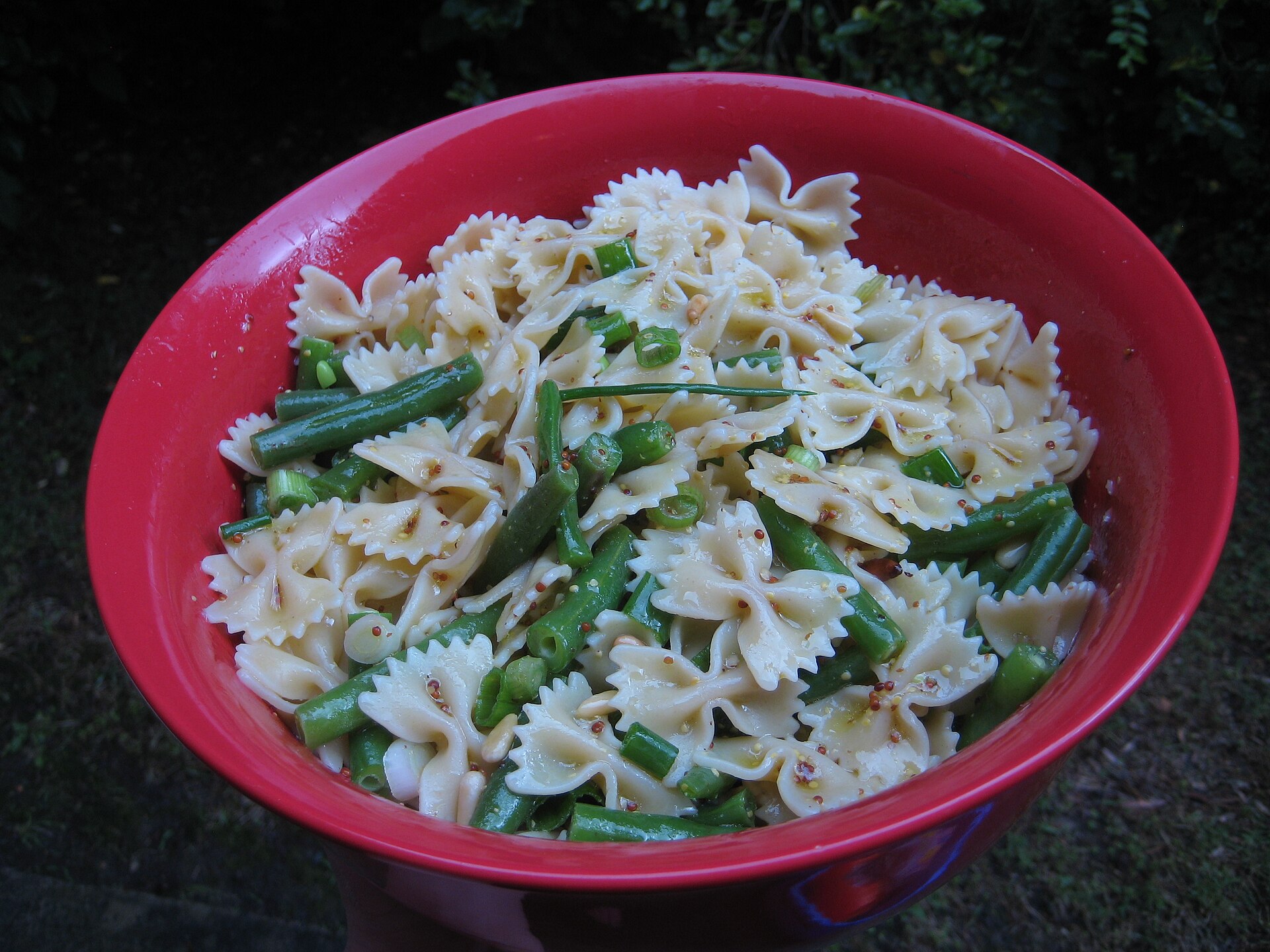
Whisk 3 tablespoons olive oil, 1 tablespoon basil or mint vinegar, 1 teaspoon mustard, salt, and a handful of chopped fresh herbs. This is the default dressing for anything you just picked, and it takes about ninety seconds.
2. Creamy garlic
Whisk 1 egg yolk with 1 tablespoon vinegar, a grated garlic clove, and salt until smooth, then drizzle in 3 tablespoons oil, whisking constantly, until thick and glossy. The yolk does the emulsifying heavy lifting, so this one clings to leaves instead of sliding off to the bottom of the bowl.
3. Sesame-style
Whisk 2 tablespoons neutral oil, 1 tablespoon toasted sesame oil, 1 tablespoon rice vinegar, 1 teaspoon honey, and 1 teaspoon mustard. The honey sweetens and helps the emulsion hold, and the sesame oil means a little goes a long way.
4. Mustard-shallot
Whisk 1 tablespoon rosemary or red wine vinegar with 1 tablespoon Dijon mustard, a minced shallot, and salt, then whisk in 3 tablespoons olive oil. Bold, sharp, and built for sturdy greens that can stand up to it.
Storing your dressing
Keep finished dressing in a sealed jar in the fridge, and use it within a week or so — creamy yolk-based dressings sooner rather than later. Separation is normal, not a failure: the emulsion is temporary, and the oil will eventually rise no matter how well you whisked. Just shake before using and it comes right back together. If you have a glut of herbs headed for future vinegar batches, the Freezing the Harvest guide covers keeping them until you need them.
Learn the ratio once, and every harvest gets a dressing worthy of it.
🌱 Keep learning
Three related guides worth reading next:
- Water-Bath Canning Without Fear — The safety-first guide to preserving your harvest: botulism science, the pH 4.6 rule, and water-bath canning step by step.
- Fermented Hot Sauce — Let the microbes do the cooking: lacto-fermented hot sauce from garden peppers, with the safety science built in.
- Drying Herbs the Right Way — Which herbs dry beautifully, which ones should be frozen instead, and the methods that actually preserve flavor.
🪱 Your Soil Needs This
Reading about healthy soil is great. Growing in it is better. Our small-batch, traceable worm castings are the shortcut your garden deserves.
Shop Worm Castings Subscribe & SaveEvery bag comes with a lot certificate. Know what's in your soil.