
🌼 Abelmoschus
What it looks like
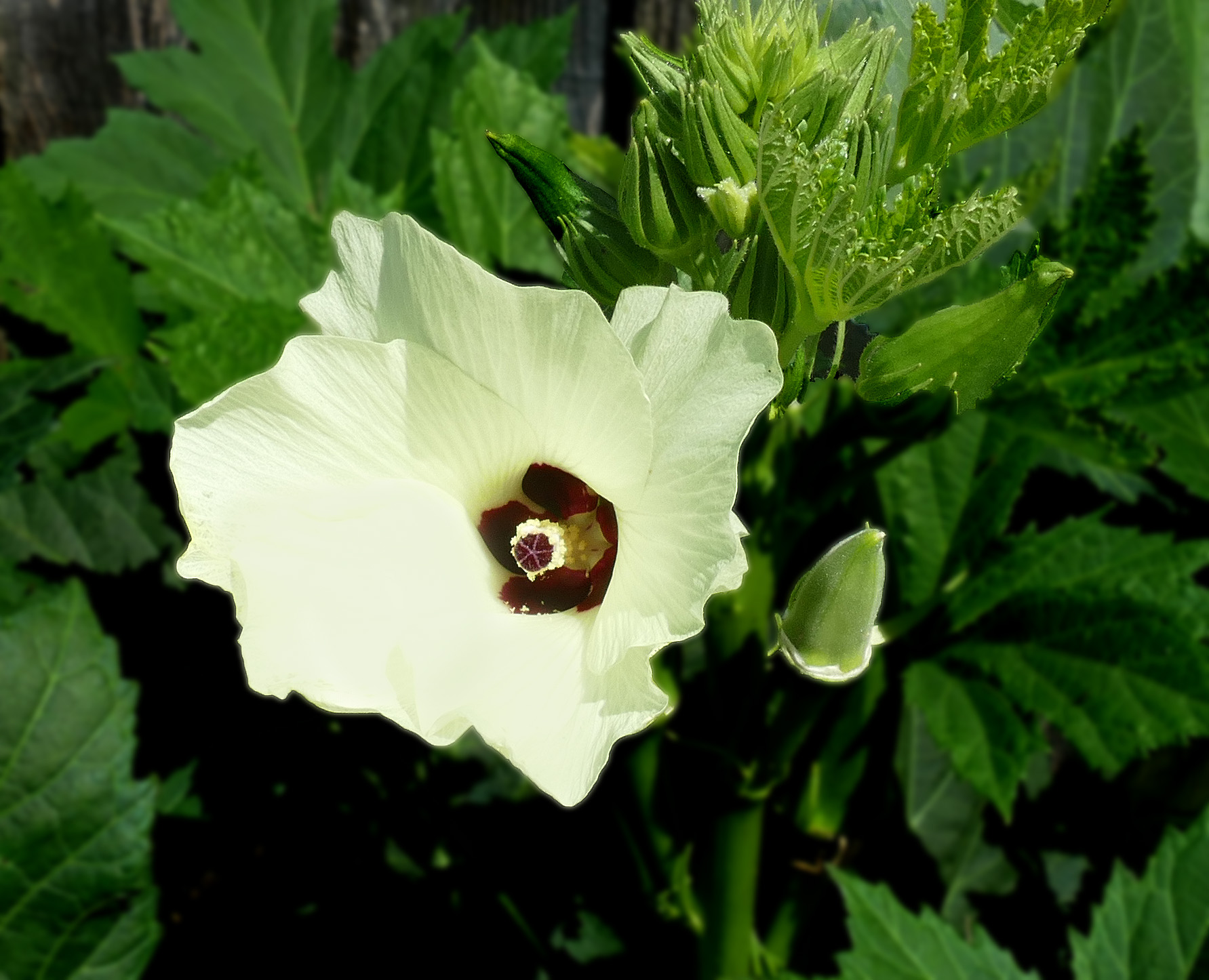
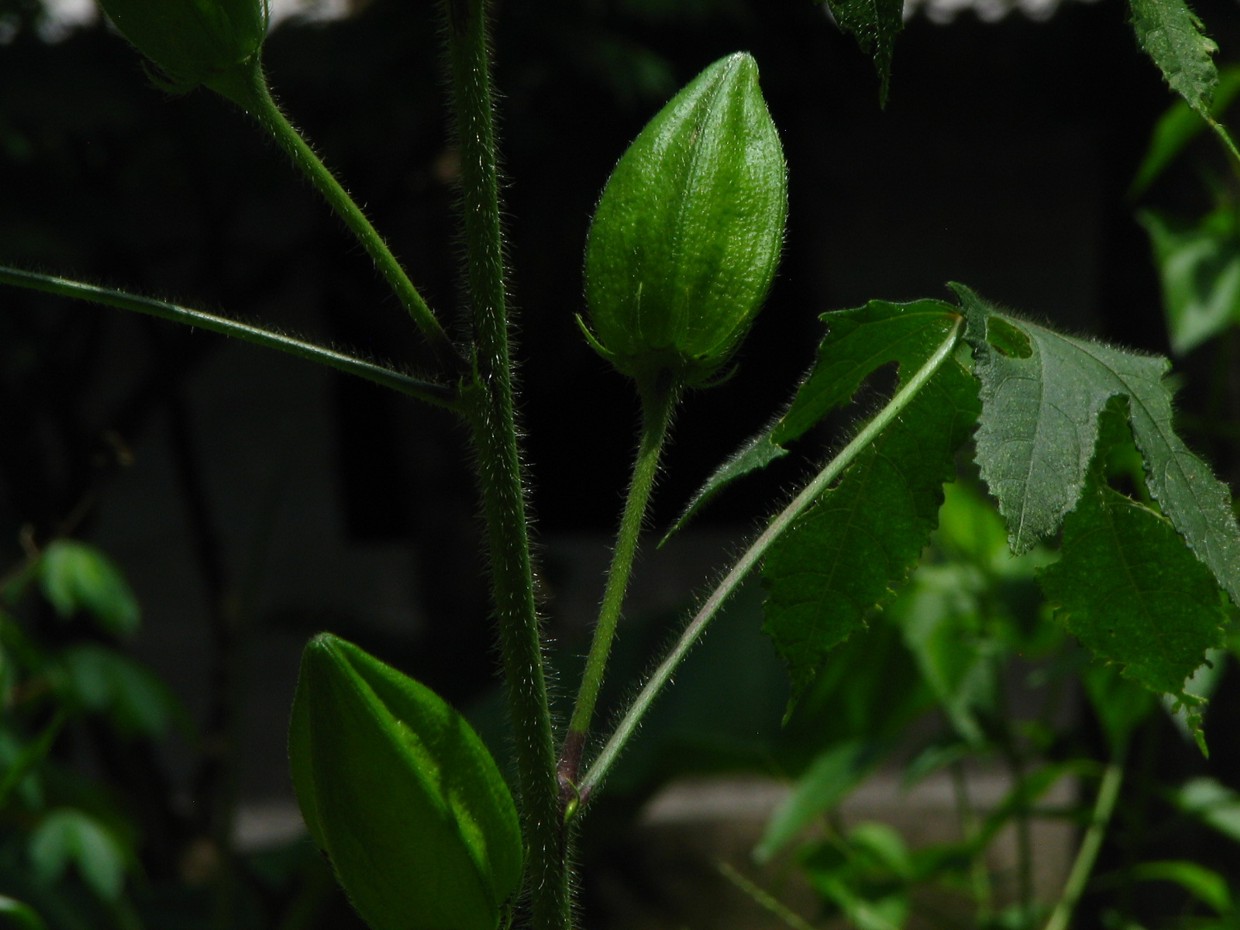
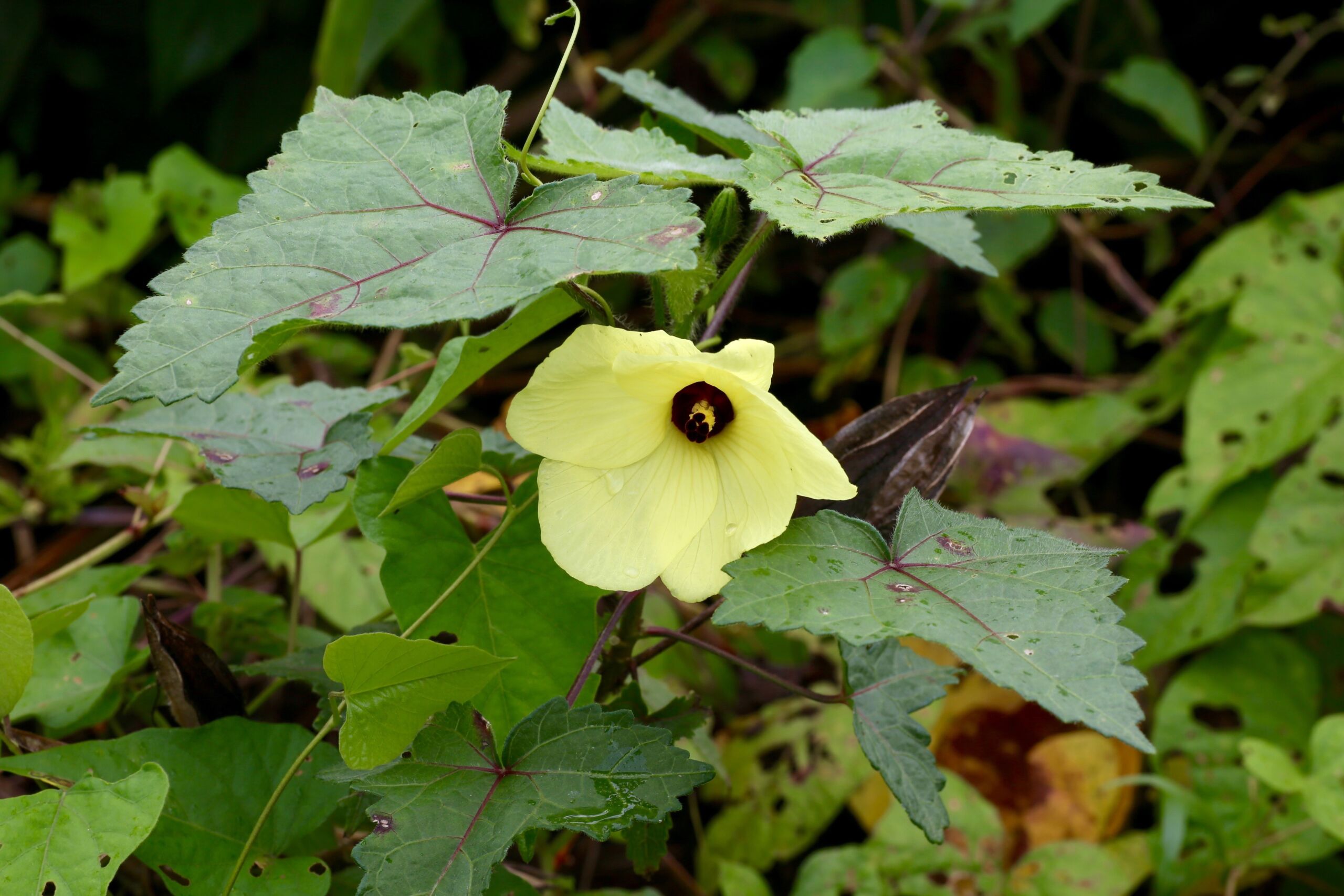
Everybody knows one member of this genus and almost nobody knows the genus, which is a shame, because the genus is the interesting part. Abelmoschus is a genus of about fifteen species of flowering plants in the mallow family, Malvaceae, native to tropical Africa, Asia, and northern Australia. It was formerly included within Hibiscus, and it still looks the part — the flowers are unmistakably hibiscus-like — but it is now classified as a distinct genus, a segregate of Hibiscus that DNA work has shown to be nested within its old parent, alongside other segregate genera. Taxonomy, in other words, is still arguing about this genus’s exact borders, and gardeners should not be surprised when an old book calls an Abelmoschus a Hibiscus. The old books are not wrong so much as out of date.
The name itself is a clue to the genus’s second claim to fame. Abelmoschus comes from Arabic abu-l-misk, “father of musk,” referring to the scented seeds of the musk mallow. Crush or warm those seeds and they smell sweet, flowery, and heavy, like musk — which is why they were once used as a substitute for animal musk in perfumery, a use now mostly replaced by synthetic musks because the real thing is expensive. The genus is therefore two things at once: a vegetable genus and a perfume genus, and the same family chemistry that makes okra pods mucilaginous makes musk mallow seeds smell like a Victorian perfume counter.
What unites the genus in the garden is the flower and the fruit. Plants are annual or perennial herbs or shrubs, often hairy or bristly, with alternate leaves that are usually palmately lobed — hand-shaped, with three to seven lobes — and large, showy, solitary flowers in the leaf axils. The corolla is typically yellow with a deep purple or dark center, five petals, hibiscus-style, with a staminal column in the middle and an epicalyx of narrow bracts beneath the calyx. The calyx is spatula-shaped, splits down one side, and falls away as the fruit develops. The fruit is a capsule, five-angled, hairy, splitting open when ripe to release many kidney-shaped seeds. If you have grown okra, you have seen all of this: the pale yellow flower with the dark eye in the morning, the swelling pod by afternoon, the race to pick it before it turns woody. Musk mallow’s flowers are the same architecture in ornamental dress, sometimes pink or white rather than yellow, always with the dark center, and lasting a single day each — prolific, but fleeting.
For butterflies, Abelmoschus appears as a genus-level host in the mimic butterfly’s host list, alongside its mallow relatives Abutilon, Hibiscus, and Sida. That grouping is the giveaway to how butterfly host lists work: the caterpillars are mallow-family feeders, and a genus that sits inside the mallow family, next to hibiscus, is exactly the kind of plant they use. A genus guide is the right destination for that mention, because the guide lists the genus, not one species — and a species guide for okra alone would not cover it, any more than a guide for one hibiscus would cover the whole mallow family.
How to grow
Here is the honest genus-level problem, stated plainly: Abelmoschus spans the tropics, and its species range from a frost-tender annual vegetable to a perennial tropical shrub, so there is no single set of instructions that fits every member. The right way to use this guide is to pick your species first — okra for the vegetable bed, musk mallow for the flower border — and then apply the general pattern below with that species’ habits in mind. The general pattern is warm, sunny, and generous.
Grow Abelmoschus in full sun, in moist, fertile, well-drained soil rich in organic matter. These are heat lovers: okra needs soil warm enough to germinate — extension services advise waiting until temperatures stay above about 55 degrees Fahrenheit, and warmer is better — and air temperatures that stay warm through the growing season, with daytime heat in the 70s to 90s. In temperate climates the genus is grown as a warm-season annual, sown or transplanted after the last frost; in the tropics the perennial species persist year-round. Sow seeds directly after frost danger passes, or start them indoors a few weeks earlier, and do not rush them into cold soil, where they will sit and sulk or rot. Plants are upright and branching, and okra types reach 3 to 4 feet tall in a typical garden, though some reach 6 feet or more in a long, hot season — give them 2 to 4 feet of space, and more if your summers are long, because a happy okra is a bigger plant than the seed packet admits.
The management question is harvest timing, not pest control. Okra pods are picked young and tender, typically about 3 inches long, roughly four months after sowing for the classic types, and a pod left two days too long turns from a delicacy into a woody baton — pick every day or two in peak season, wear gloves if the pod hairs irritate your skin (they do for many people, and they wash off), and expect the plant to keep flowering and fruiting until frost. Musk mallow, by contrast, is grown for flowers and seed: the blooms last a day, the plant makes many of them, and the seed capsules that follow are the perfume crop, harvested when dry. Propagation across the genus is by seed, which is easy, reliable, and the reason these plants travel so well as garden subjects — and, in warm climates, as escapes. In Florida, okra is a summer staple and musk mallow a tropical ornamental; neither is a winter plant, and both are at their best when the heat is at its worst, which is exactly when a Florida gardener wants a plant that is still smiling.
Florida note: Florida gardeners, this genus is thoroughly at home with you. Okra is one of the few vegetables that genuinely loves a Florida summer, producing through heat and humidity that defeat lettuce, peas, and most other temperate crops, and it is a standard warm-season crop across the state. Musk mallow and its relatives grow as tropical perennials or self-sowing annuals in the warmest parts of the state, and they naturalize readily where winters are mild — which is a polite way of saying keep an eye on seedlings if you do not want volunteers. The genus’s butterfly connection is a bonus, not the reason to plant it: plant it for pods and flowers, and let the mallow-feeding caterpillars find it on their own terms.
Water & feeding
Water consistently and generously while plants are growing and fruiting. Okra wants moist soil, not soggy soil, and it produces best with steady moisture — dry spells during pod production give you tough, short pods and a sulking plant, while waterlogged soil invites root rot, the classic okra killer in heavy ground. Deep watering once or twice a week, adjusted for rain, beats daily sprinkles: these plants have taproots that like to go down, and deep water trains them to do it. Mulch thickly to hold moisture and suppress weeds, and keep the mulch off the stems.
Feeding: these are hungry plants, and they repay feeding. Work compost or aged manure into the bed before planting, and side-dress with compost or a balanced fertilizer once plants are growing strongly and setting pods or flowers. Rich, high-organic-matter soil is the single biggest predictor of a good okra crop, and poor, hungry soil gives you short plants with few pods. The soil science is straightforward mallow biology: fast growth, big leaves, big flowers, and a lot of fruit all draw heavily on nitrogen and potassium, and a plant that is asked to make a pod a day needs the pantry to match. A soil pH around 6.0 to 7.0 suits the genus, and the drainage requirement is absolute — rich soil that holds water like a bathtub is worse than average soil that drains.
Common problems
- Cold soil and cold nights. The commonest failure. Seeds sown into cold soil rot, and transplants set out before frost danger passes sulk or die. Wait for warmth, and in marginal springs use black plastic or a warm microclimate to get soil temperatures up.
- Woody pods. Not a disease, just a missed picking. Okra pods go from tender to woody fast in hot weather — pick at about 3 inches, every day or two, and compost the ones you missed rather than cooking them into chew toys.
- Root rot in wet soil. Poorly drained soil is the genus’s enemy. Raised beds, drainage, and restraint with the hose matter more than any fungicide.
- Aphids, whiteflies, and spider mites. The usual sap-sucking crowd loves soft mallow growth, especially in hot, dry spells. Blast with water, encourage predators, and accept that a plant covered in flowers will also host a few insects that are not the ones you planted it for.
- Pod hairs irritate skin. The bristly hairs on okra pods and stems irritate many people’s skin. Wear gloves and long sleeves for picking, and wash pods well — the hairs come off in water.
- Musk mallow seed caution. Musk mallow seeds have been reported to cause phytophotodermatitis — a skin reaction when the plant’s compounds meet sunlight on skin — in sensitive people. Handle seed with the same gloves-and-sunlight caution you would give any strongly scented seed crop, and do not rub your face after handling it.
- Self-sowing volunteers. In warm climates these plants self-seed readily. If you do not want a patch of volunteers next year, remove spent capsules before they split, or learn to love the volunteers.
Harvest
The harvest depends entirely on which Abelmoschus you grew, and that is the genus’s charm. For okra, the harvest is the young pod, picked at about 3 inches, cooked the same day if you can manage it — gumbo, stewed, roasted, fried, or pickled — and the plant will keep making pods until frost if you keep picking. For musk mallow, the harvest is flowers for a day of beauty and dry seed capsules for scent: the seeds, dried and kept, carry the musky, flowery fragrance that gave the genus its name, and they were historically used in perfumery as a musk substitute. For aibika (Abelmoschus manihot), the harvest is leaves and flowers as a green vegetable, plus stems that furnish cordage like jute. One genus, three harvests — vegetable, perfume, and fiber — and all of them from plants with the same yellow flower and dark eye.
Browse all plant & pest guides
Saving seeds
The Abelmoschus genus is a seed saver’s delight, with one catch that you need to understand before you start. Across the genus, the method is the same: let the fruit dry on the plant, thresh out the seed, dry it thoroughly, and store it cool and dark. The catch is pollination, and it differs by which member of the genus you are growing.
Start with okra (Abelmoschus esculentus), the workhorse of the genus. Okra flowers are perfect — each bloom carries both male and female parts — so a flower can fertilize itself. But those big, showy, one-day hibiscus blooms are bee magnets, and bees happily carry pollen from one okra variety to another. So here is the rule: if you grow one open-pollinated variety and nobody nearby grows okra, your saved seed will grow true, no fuss required. If you or a neighbor grow a second variety, you need a plan. Sources disagree wildly on how much distance counts as isolation — figures range from a few dozen yards to half a mile or more — so for a home garden, blossom bagging is the honest, practical answer. Slip a small insect-proof bag over an unopened flower bud, let the flower open and self-pollinate inside the bag (a gentle tap helps), then remove the bag once the bloom fades and tie a ribbon around that pod’s stem so you know it carries pure seed. Mark a few pods on each of your healthiest plants and you will have more seed than you need.
Let your marked pods grow far past the eating stage. They will get woody, tough, and eventually brown and crackly — that is exactly what you want. If rain or frost threatens before they finish, cut the whole stalk and finish drying indoors. Wear gloves to break open the dry pods (okra’s itchy hairs are no joke), shake out the round seeds, and dry them further on a plate until they are hard and brittle. Musk mallow (Abelmoschus moschatus), grown for its musky-scented seed rather than its pods, follows the same script: wait until the ribbed capsules turn tan-brown and begin to split, then thresh out the small dark seeds. A soak in warm water overnight before sowing helps both species germinate, and an overnight soak also lets you discard floaters, which are usually duds.
Two rules apply genus-wide. First, open-pollinated and heirloom varieties grow true when properly isolated, but seed from an F1 hybrid will not — the next generation will scramble back toward its mixed parentage, so save seed only from open-pollinated plants if you want the same plant back. Second, Florida storage discipline matters: humidity is the enemy. Dry seed completely, then store it airtight with a desiccant packet, cool and dark, and okra seed kept that way generally stays viable for two to three years. One last caution: in warm climates these plants can escape the garden, so do not scatter surplus seed around, and compost spent pods rather than tossing them over the fence.
Species in this group
Okra (Abelmoschus esculentus) — the famous one, the most important commercially grown species in the genus, grown worldwide for its edible green pods; the subject of the site’s okra species guide, which this genus guide does not replace.
Musk mallow, or abelmosk (Abelmoschus moschatus) — the perfume species, grown for musky seeds used as a musk substitute, with large yellow (sometimes pink or white) flowers with a dark center; also called musk okra, ambrette, and annual hibiscus.
Aibika (Abelmoschus manihot) — the leaf vegetable and fiber species of tropical Asia and the Pacific, grown for edible leaves and flowers and for cordage like jute; also called sunset hibiscus.
West African okra (Abelmoschus caillei) — a hybrid-derived species commonly cultivated in West Africa for its edible, fibrous pods.
White wild musk mallow (Abelmoschus ficulneus) — a wild relative with white flowers, native to tropical Asia, Australia, and Africa.
Abelmoschus angulosus — a perennial herb of Southeast Asia with deeply lobed leaves and small yellow flowers with dark centers.