
🍈 Abiu
What it looks like
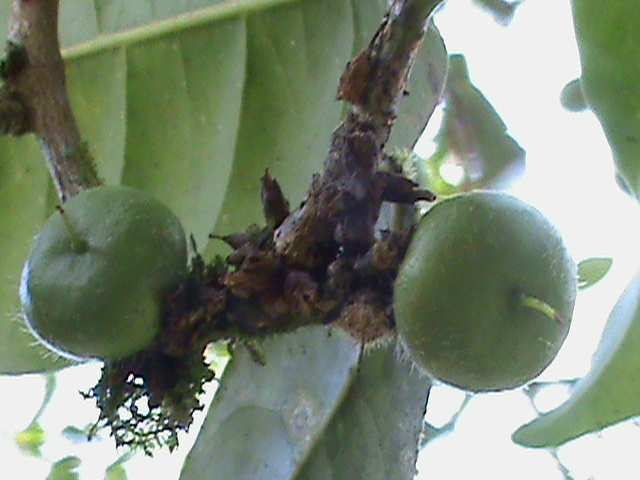
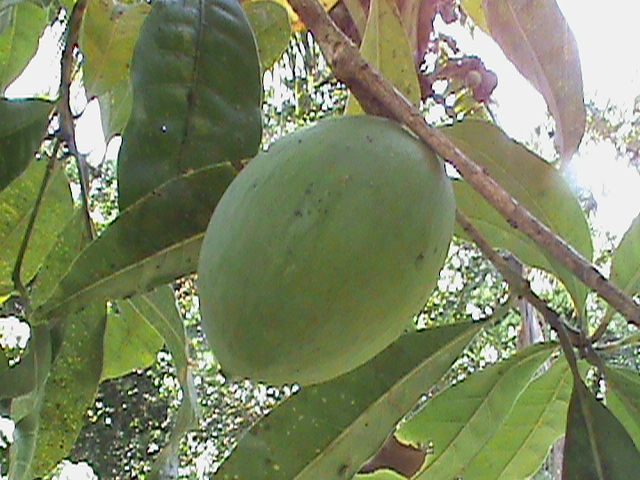
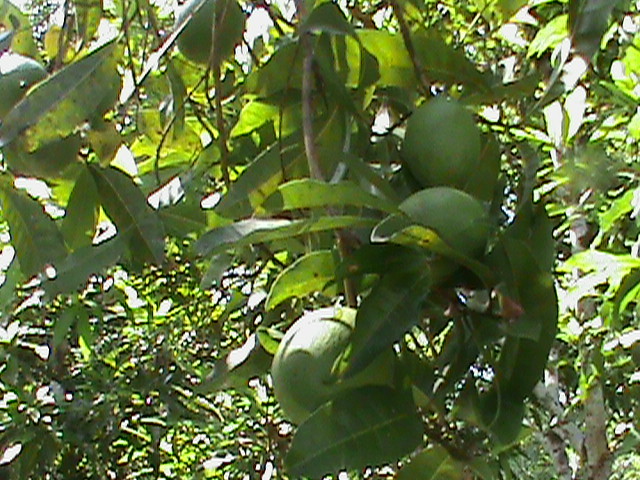
How to grow
Abiu is a tropical sapote relative bearing smooth, golden-yellow fruit with translucent, jelly-like, caramel-sweet flesh — one of the sweetest fruits you can grow in a warm garden. Grow it in full sun to light shade in fertile, well-drained, slightly acidic soil in zones 10-11, in south Florida and Hawaii; it is frost-tender and wants warmth, humidity, and steady moisture. Buy a grafted tree for reliable sweetness and earlier fruit. Prune to keep it at picking height and mulch to hold moisture. A practical tip: the fruit exudes a sticky latex when unripe, so pick only fully ripe fruit and avoid getting latex on your lips — ripe fruit is clean and sweet, unripe fruit is a sticky lesson.
Water & feeding
Water deeply and regularly, especially while fruit swells; abiu wants consistent moisture but not standing water. Mulch to hold moisture. Feed several times a year with a balanced fertilizer or compost.
Common problems
- Frost — no tolerance; warm sites only.
- Sticky latex in unripe fruit — wait for full ripeness; do not rush the pick.
- Fruit flies — pick promptly and clean up fallen fruit.
- Seedling variability — grafted trees give predictable sweetness.
Harvest
Pick when fruit turns fully golden-yellow and softens slightly; it should feel heavy and yield gently. Cut open and scoop the jelly flesh with a spoon, avoiding the seeds. Eat fresh and promptly — abiu is best the day it ripens and does not store long.
Browse all plant & pest guides
Saving seeds
Abiu (Pouteria caimito) breaks the first rule of seed saving, so forget everything you know about drying seed on a plate and tucking it away in an envelope. Abiu seed is recalcitrant, which is the polite botanical term for seed that dies if you dry it out. Once you pull the seeds from a ripe fruit, you have days — a couple of days, by most accounts — before they lose viability. The seed-saving method for abiu is therefore not saving at all. It is eating the fruit and planting the seeds immediately.
Here is the rhythm: pick a fully ripe fruit, scoop out the one to five large brown seeds, rinse off the clinging pulp, and sow them right away in pots of clean, well-drained mix, kept in semi-shade and consistently moist. Do not let them sit on the counter while you decide where to put them, and definitely do not try to store them for next season. Sown fresh, they usually germinate within a few weeks. Grow the seedlings on in their pots until they are a foot or so tall, then plant out a strong one — and if you sowed several seeds in one pot, thin to the strongest seedling rather than trying to untangle them.
Now the patience part. Seedling abiu trees are variable — the fruit of a seedling tree may be bigger, smaller, sweeter, or blander than the fruit its seed came from — and they take several years to fruit. Sources disagree on exactly how long, with estimates ranging from around three years to considerably longer, so treat any precise number with suspicion and plan on waiting. If you have a named variety whose fruit you love, do not gamble on seed: grafting or budding onto a seedling rootstock is how superior strains are reproduced true, and grafted trees generally fruit sooner than seedlings.
For Florida growers, the usual storage advice is inverted: your enemy here is not humidity but delay and cold. Keep fresh seed moist and warm, never refrigerated or dried, and protect young trees from cold snaps — abiu is a tropical tree that resents cold far more than it resents a humid afternoon. And because abiu is not a hybrid with F1 segregation to worry about, the true-to-type question is simpler but stranger: your seedling will be a genuine abiu, just not necessarily the abiu you tasted.
Varieties
Every named variety of Abiu with its own growing guide:
- Gray Abiu — The big, crème-caramel abiu: golden jelly-sweet fruit up to two pounds, from a selection Florida growers have prized for decades.