
🌼 Acmispon
What it looks like
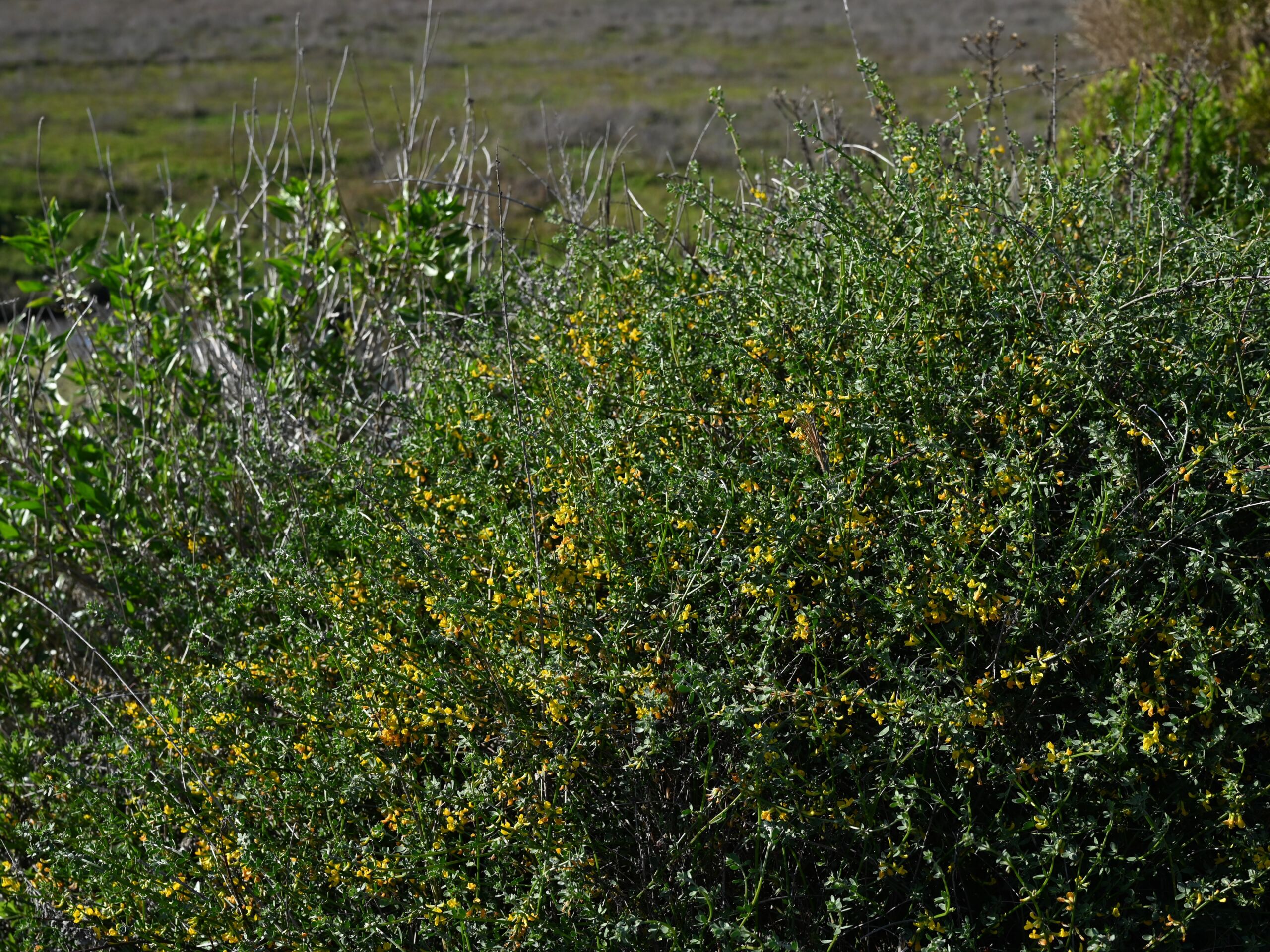
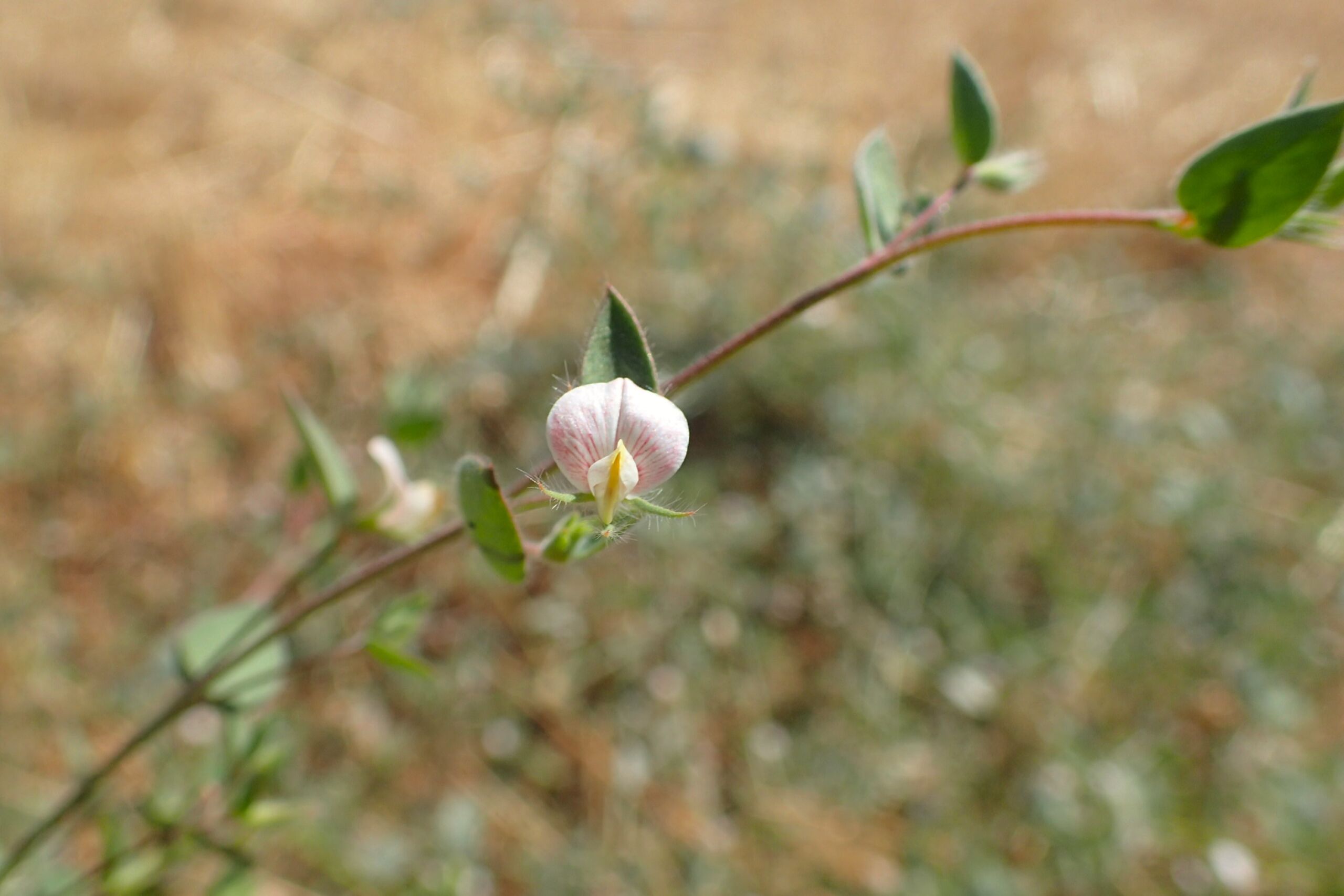
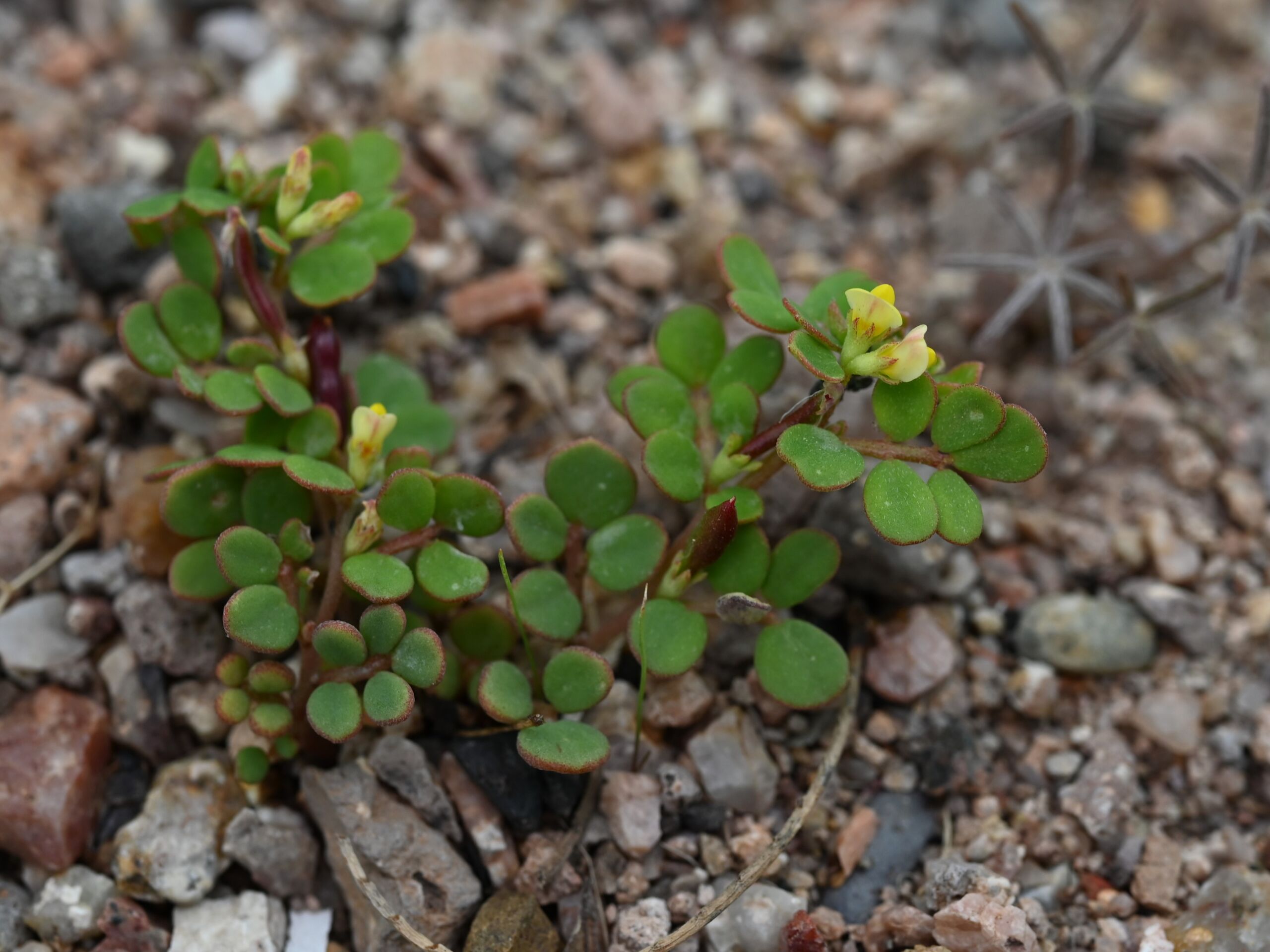
First, the name, because it is the whole story of this genus. Acmispon is a genus of legumes in the pea family, Fabaceae, made up of the American bird’s-foot trefoils and deervetches — plants that spent most of their gardening lives filed under Lotus. They are not the pond lotus, they are not a water plant, and they are not the Old World trefoils of European meadows. They are the New World branch of the tribe Loteae, and modern floras — including the Jepson eFlora for California — now treat them as Acmispon, reserving Lotus largely for the Old World group. If you learned these plants as lotuses, you are not wrong in the historical sense; you are just reading an older label, and the plant has not changed to match the new one.
How many species are in the genus depends on which authority you ask, and this guide refuses to pretend otherwise: one widely cited checklist counts 35 species, another recent summary counts about 27, and a broader treatment counts 35 to 43. The disagreement is real taxonomy, not sloppy counting — the group has been split, lumped, and re-split as molecular studies redrew the old, sprawling Lotus. What the counts agree on is the center of gravity: western North America, above all California and the Southwest, with a secondary, disjunct presence on the west coast of Chile in South America. These are plants of dry, open country — chaparral, coastal sage scrub, grasslands, sagebrush steppe, desert margins, and serpentine outcrops, from sea level up into the mountains.
In the garden’s eye, an Acmispon is a modest plant that earns its keep quietly. The habit varies wildly across the genus, which is part of the point of a genus guide: some species are petite annual herbs that spread into a small patch on the ground, some are low, mat-forming perennials, and some, like deerweed, are wiry subshrubs with green, broom-like stems that can reach several feet. The leaves are compound, usually with small leaflets — three to six in deerweed, pairs of variable leaflets in coastal bird’s-foot trefoil — and the flowers are classic pea flowers, small and usually yellow, sometimes flushing orange or red with age, borne in small clusters in the leaf axils. The fruit is a legume pod, often curved, holding one or two seeds in deerweed and more in other species. Nothing about the plant shouts; everything about it persists.
That persistence is ecological, not just ornamental. Like all legumes, Acmispon species partner with rhizobium bacteria in root nodules that fix nitrogen from the air, which is why they colonize poor, gravelly, and disturbed ground where hungrier plants fail, and why they are pioneer plants after fire. Deerweed is the textbook case: adult plants are often killed by fire because of their thin bark and broom-like foliage, but their seeds are scarified by the heat and germinate in the first rainy season after a burn, so deerweed can dominate a recovering slope for years before the pre-fire shrubs return. A genus that can do that is not a decoration; it is a repair crew.
And then there is the butterfly reason this guide exists. In the butterfly guides, Acmispon appears as a host-plant genus in the bramble hairstreak guide, where the caterpillar food list pairs the genus name with broad-leafed lotus and, separately, with Acmispon nevadensis as its own species entry. The bramble hairstreak, also called the lotus hairstreak, is a small green hairstreak of coastal California, and its caterpillars feed on these western legumes. A patch of Acmispon is therefore a butterfly nursery in miniature — low, sunny, nitrogen-fixing, and full of small caterpillars — but only in the West where both butterfly and plant live. Planting one in Florida will not summon a bramble hairstreak to your yard, and this guide says so plainly rather than letting a host list imply otherwise.
How to grow
Grow Acmispon the way it grows in the wild: in full sun, in soil that drains, and without fussing over it. These are dry-country plants, and their two non-negotiables are sun and drainage. A sunny slope, a gravelly bank, a rock garden, or the dry strip along a path are natural fits. What they do not tolerate is wet feet, deep shade, and rich, constantly moist garden soil, where they grow soft, get outcompeted by grasses, or simply rot. The poor-soil site is not a compromise for this genus — it is the plant’s competitive advantage, the ground where its nitrogen-fixing habit lets it outlast everything else.
Sow seed in fall or spring, matching the species’ own rhythm: many western natives germinate with the fall and winter rains, and deerweed seed in particular benefits from heat scarification, mimicking the fire treatment that wakes it in the wild. Scarify lightly or soak seed if germination is slow, and do not pamper seedlings with rich compost and constant water; a lean start produces the tough, deep-rooted plant you actually want. Space according to the species — low mat-formers spread a foot or more across, while shrubby deerweed grows into a wiry bush several feet tall and wide — and check the species tag before you plant, because a genus guide honestly cannot give you one spacing for plants that range from a petite annual to a six-foot subshrub.
Florida note: Florida gardeners, this genus is a plant to know, not a plant to plant. Acmispon species are western natives of dry, sunny, often cool-winter country, and they are not Florida garden plants. A Florida yard chasing the butterfly-host idea will feed far more local caterpillars with southeastern native legumes — partridge peas, ticktrefoils, and other warm-climate legumes — than with a struggling western trefoil. Know the genus, admire what it does in its own country, and plant its local cousins at home.
For gardeners in the right climate, Acmispon makes a superb low-maintenance groundcover, bank plant, and restoration plant. Let it sprawl, resist the urge to fertilize it with nitrogen — nitrogen fertilizer defeats the whole point of a nitrogen-fixing plant and mostly feeds its competitors — and leave a patch unmowed through the caterpillar season if butterflies are the goal. A bank of deerweed in flower, a low yellow haze over wiry green stems, is one of the cheapest high-impact sights in a sunny western garden, and it arrives with green hairstreaks as a bonus.
Water & feeding
Water sparingly. Acmispon wants well-drained soil that dries between waterings, and established plants are genuinely drought-tolerant — this is a genus of gravelly banks, desert margins, and dry meadows, not of bog gardens. Water new plantings until rooted, then back off. In a rainy climate, drainage matters more than irrigation: a raised bed, a slope, or gritty soil will do more for an Acmispon than any watering schedule, and a hollow that puddles will kill it faster than a dry month.
Feeding: almost none, and that is the point. The rhizobium nodules on Acmispon roots fix atmospheric nitrogen, so the plant manufactures a meaningful share of its own fertilizer. A light topdressing of compost at planting is plenty; regular nitrogen fertilizer is actively counterproductive, encouraging soft growth and grass competition. If your plant looks pale and hungry in genuinely poor soil, a legume inoculant at sowing — to make sure the right rhizobia are present — is a smarter intervention than a bag of lawn food.
Soil science note: nitrogen fixation is one of the great bargains in all of gardening. A legume root nodule is a tiny chemical factory where bacteria trade fixed nitrogen for plant sugars, and when the plant dies or is cut back, that nitrogen enters the soil for the next crop. This is why farmers have rotated clover, vetch, and trefoil into fields for centuries, and why an Acmispon-covered bank is not just pretty but measurably richer underneath than the bare gravel it replaced. Planting Acmispon is, in the most literal sense, planting fertilizer that grows itself.
Common problems
- Wet soil and root rot. The number-one killer. Soggy, poorly drained ground rots Acmispon roots fast. Plant on a slope, in grit, or in a raised bed — never in a hollow that puddles.
- Shade and grass competition. These plants lose to tall grass and shade. Keep them sunny and keep aggressive neighbors cut back, or they will vanish under them.
- Slow or patchy germination. Hard legume seed coats delay sprouting, and some seed waits for fire or a second rain. Scarify lightly or soak seed before sowing, and be patient.
- Wrong climate. Western dry-country species sulk in hot, humid Florida summers. Match the species to your region, or plant a local legume cousin instead.
- Name confusion on tags. The same plant may be sold as Lotus scoparius or Acmispon glaber, Lotus americanus or Acmispon americanus. They are the same plants under two names; buy the plant, not the label.
- Fire behavior in deerweed. Adult deerweed burns easily because of its thin bark and broom-like foliage. Do not plant it hard against a house in a fire-prone landscape, even though its seeds love a burn.
- Over-fertilizing. Nitrogen fertilizer feeds competitors and suppresses nodulation. Keep feeding lean and let the plant fix its own.
Harvest
Acmispon is not harvested like a vegetable, and this guide does not pretend otherwise — but it does have a harvest, and it is a generous one. Forage and restoration growers value these legumes as nitrogen-fixing groundcovers and soil builders; deerweed is used extensively in roadside revegetation, erosion control, post-fire mitigation, and habitat restoration in California, and deer graze it, especially in drought or after a fire when other herbaceous growth is sparse. For home gardeners, the harvest is simpler: cut a patch back after flowering to keep it dense, collect seed pods when they turn brown and dry if you want to sow a new patch, and let the clippings lie as a nitrogen-rich mulch.
The other harvest is the one this guide was built for: butterflies. Leave a patch of Acmispon unmowed through the caterpillar season, watch for small green hairstreaks patrolling low over it, and check the foliage for tiny caterpillars. That is the crop that matters here, and it arrives without a single spray, provided you leave the host plants standing.
Browse all plant & pest guides
Saving seeds
Acmispon is a genus of western legumes, not a single garden variety, so think of this as a genus-level method with species-level quirks, rather than one recipe that fits every plant wearing the name. The good news is that the broad pattern holds across the genus: these are pea-family plants, and their seeds come in small pods that turn brown and dry when they are ripe. Let the pods dry on the plant, collect them before they shatter and scatter, and shell out the small, hard seeds. Save from healthy, vigorous plants, and from a patch you actually want more of, because a legume that thrives on neglect in poor, gravelly ground is a gift, while a struggling plant’s seed is a gamble you do not need to take.
The whole plot twist with Acmispon seed is the seed coat. Like many legumes, these seeds wear a hard, waterproof jacket that can sit in soil for a long time refusing to let water in, which is a brilliant survival strategy in a dry western landscape and a frustrating one in a seed tray. The standard home fix is scarification, which is just a polite word for nicking that jacket. A widely used method is to pour hot water, around 180 degrees Fahrenheit and not actually boiling, over the seeds in a heatproof cup and let them soak for eight to twelve hours, or overnight. Seeds that swell and sink have taken up water and are ready to sow. A light rub with sandpaper achieves the same end by a different route. Either way, sow shallowly, barely covered, in a well-drained mix, keep it moist but never waterlogged, and sow generously, because germination is uneven. Some species, deerweed (Acmispon glaber) among them, can pop up within a week or two of a hot-water soak. Others are slower and more stubborn, and a batch that looks dead may simply be on western time.
Timing follows the plant’s home climate more than any calendar date. In their native range, fall or late-summer sowing lets autumn rain and winter do the slow work, and that is the rhythm to copy where you can: sow in fall, keep the tray or bed moist, and let cool weather and time break the remaining dormancy. If you are saving seed in Florida humidity, the storage step matters more than it does in a dry western shed. Dry the seed thoroughly, indoors with airflow, before it ever sees a jar, then store it airtight, cool, and dark, with a small desiccant packet if you have one. Damp seed in a sealed jar in a humid house is a mold farm, not a seed bank.
These are wild species, not F1 bedding hybrids, so seed saved from a single-species patch should stay recognizably that species, but it will not be a carbon copy of one individual plant the way a cutting would be. If a particular plant matters to you exactly as it is, take cuttings or divide an established plant instead; several Acmispon species root from cuttings, and that is the honest backup for a stubborn species whose seed refuses to cooperate. For most gardeners, though, seed is the way this genus wants to travel: a pocketful of hard little peas, a jug of hot water, and a little patience with a plant that evolved to wait out a dry season.
Species
The Acmispon genus holds dozens of species, and gardeners meet only a handful. This guide claims the genus only — Acmispon spp. — and treats each species below as its own plant, not as interchangeable with the genus.
Acmispon glaber (deerweed, California broom, western bird’s-foot trefoil; formerly Lotus scoparius) — the wiry, shrubby California native of chaparral, coastal sand, and roadsides, blooming March to August with small yellow flowers that redden with age, and the subject of its own growing guide on this site.
Acmispon americanus (American bird’s-foot trefoil, Spanish clover; formerly Lotus purshianus) — a widespread annual or short-lived perennial of the western United States, western Canada, and northern Mexico, with small yellow pea flowers.
Acmispon maritimus (coastal bird’s-foot trefoil; formerly Lotus salsuginosus) — a variable annual herb of Arizona, California, and northwestern Mexico, found in mountain, desert, and scrub habitat, with small yellow flowers and pods up to about 3 centimeters long.
Acmispon nevadensis (Nevada bird’s-foot trefoil, Sierra lotus) — a low, mat-forming western perennial, treated by current checklists as part of Acmispon decumbens, and the subject of its own growing guide on this site.
Acmispon argophyllus (silver bird’s-foot trefoil) — a silvery-leaved western species noted in the bramble hairstreak’s wider host associations.
Other Acmispon species — the genus holds dozens more, mostly western, and they are not covered by this genus guide beyond the genus-level habits described above; if a label names a species, that species is the plant, not the genus.