
🏔️ Alpine Buckwheat
What it looks like
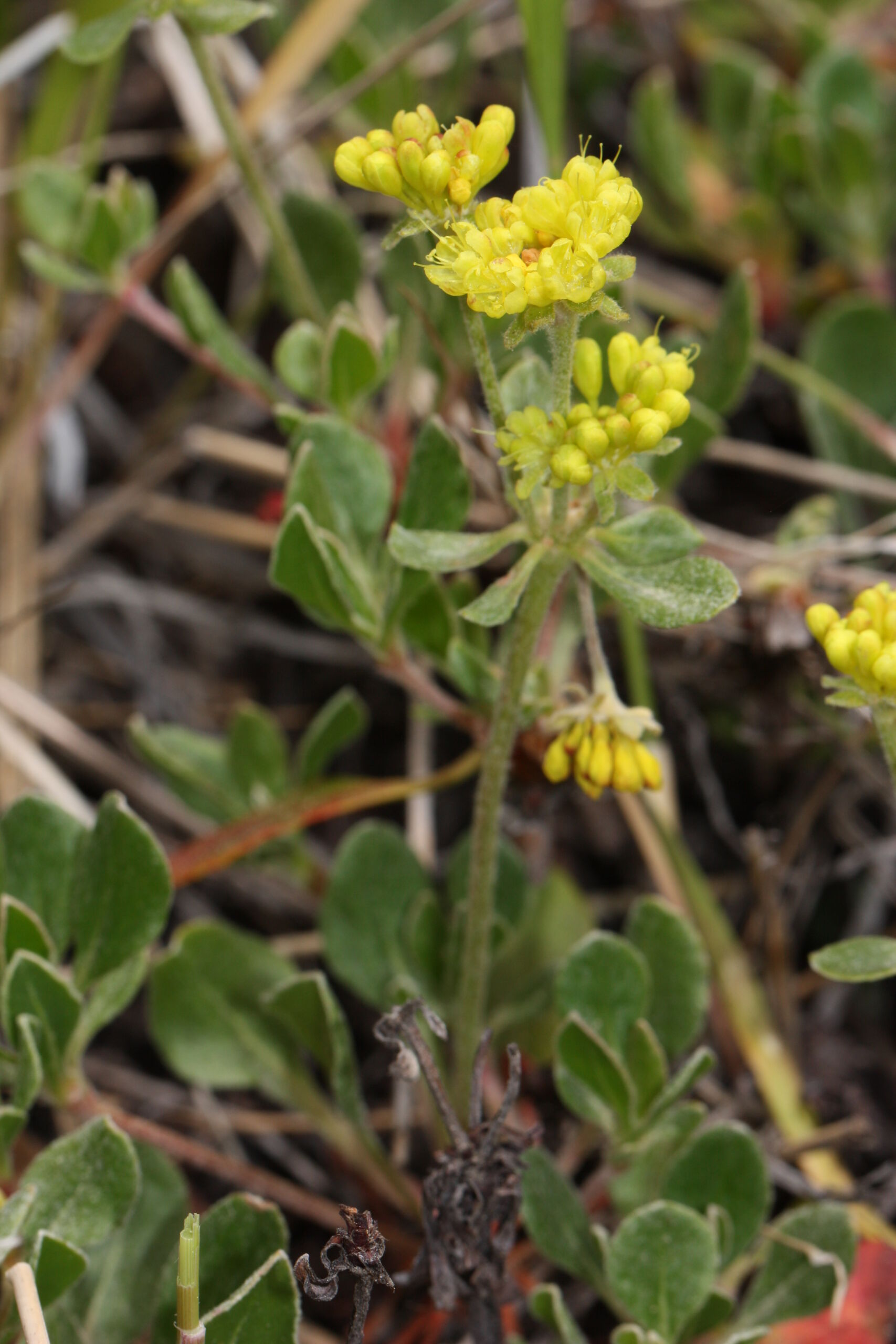
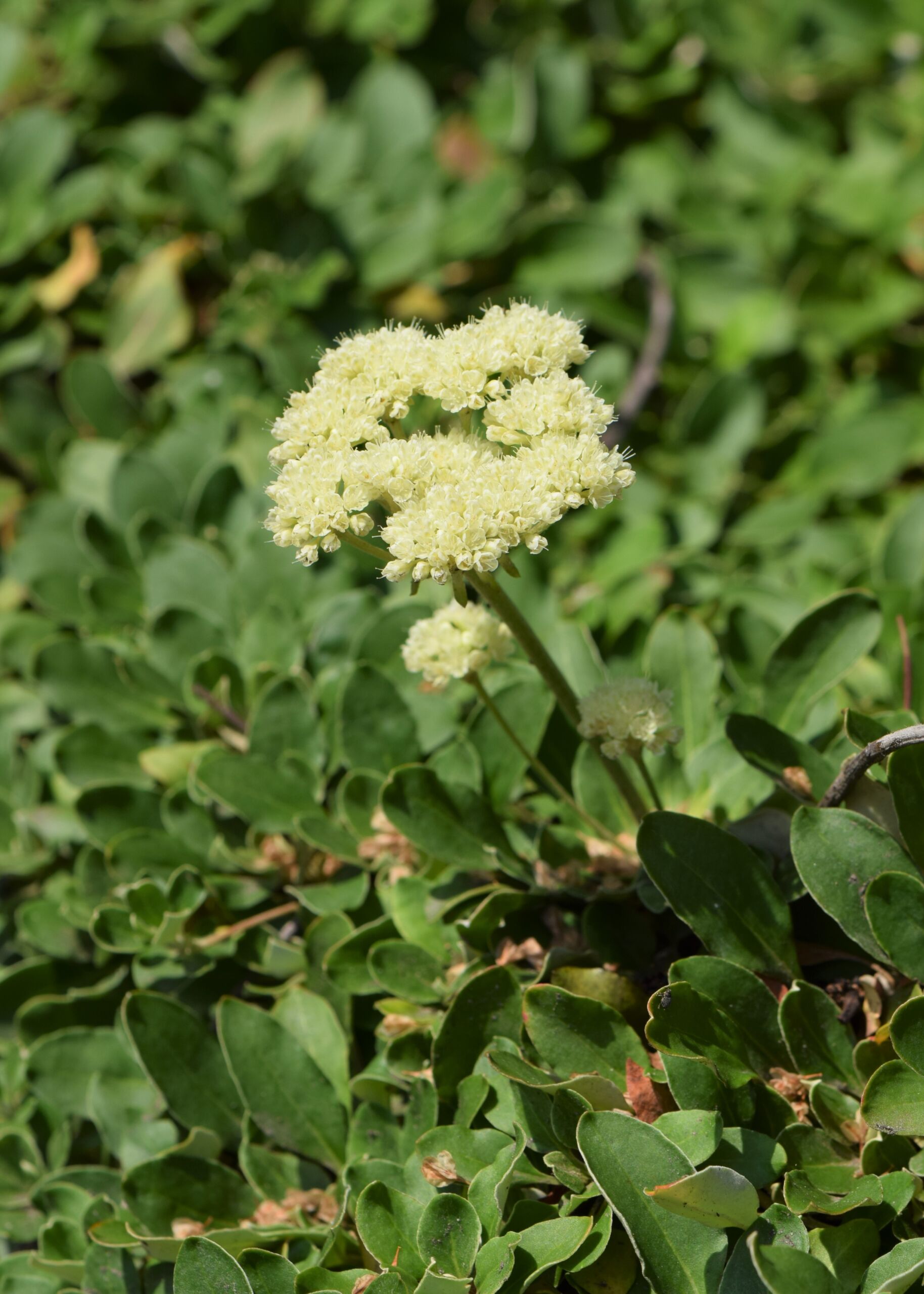
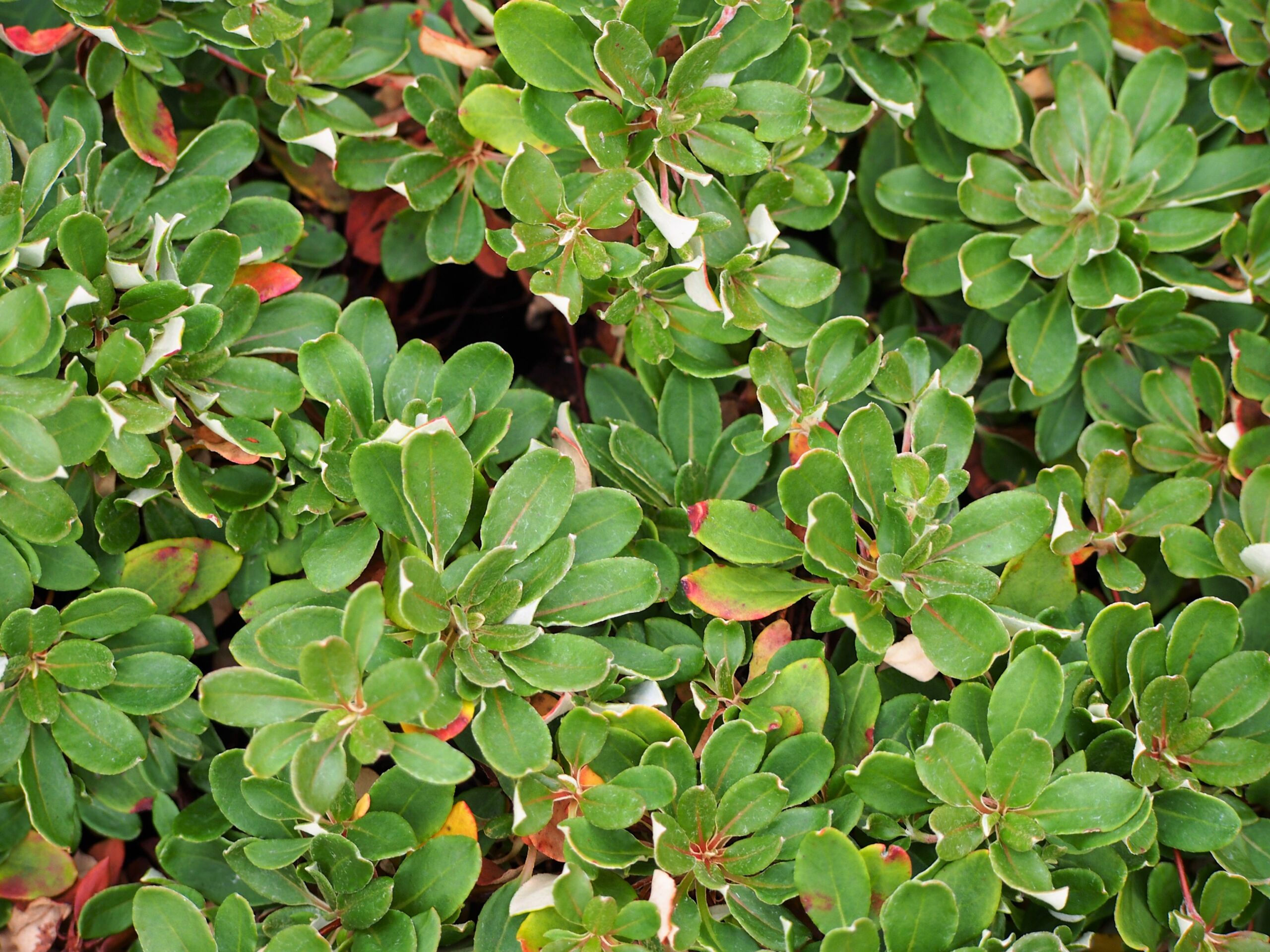
Alpine buckwheats are the high-elevation members of Eriogonum, the wild buckwheat genus — a genus of more than 250 species of flowering plants in the buckwheat family, Polygonaceae, found across North America and known, confusingly, as wild buckwheat. They are not the buckwheat of pancakes and cover crops: that plant is Fagopyrum esculentum, a Eurasian annual grain, and this site’s buckwheat guide covers that plant, not this one. Alpine Eriogonum species are perennials of dry, rocky slopes, gravelly flats, sagebrush country and alpine ridges, and they are built for places where the soil is thin, the wind is constant, and the summer is short.
Identification starts with the habit, because alpine buckwheats announce themselves as mats and cushions before you ever see a flower. Sulphur flower, Eriogonum umbellatum, is a low-growing perennial herb from a strong taproot and freely branched crown, forming loose, flat mats up to 60 centimetres wide, with stems prostrate to ascending and usually white-woolly, 10 to 30 centimetres tall. The leaves are mostly basal, often silvery or woolly underneath — the wool is insulation and sunscreen in one, slowing water loss in thin, dry mountain air. Cushion buckwheat, Eriogonum ovalifolium, is a tough perennial herb that forms mats in gravelly soil or amongst rocks and produces erect, leafless inflorescences up to 35 centimetres tall, blooming from early to mid-summer, with pale green to grey, rounded, woolly basal leaves on petioles. If it looks like a silver-grey cushion glued to a rock with flowers on sticks, you are probably looking at an alpine buckwheat.
The flowers are the reason anyone notices them, and the reason butterflies do. Eriogonum flowers are small — in cushion buckwheat the individual flowers are only 3 to 6 millimetres long, with a perianth that can be yellow or white to cream, rose, red or purple — but they are borne in dense heads, umbels and ball-shaped clusters that read as solid colour from a distance. Sulphur flower’s blooms are sulphur-yellow when fresh, fading to rust orange after pollination, so a single plant can carry both colours at once, and a whole slope of them in late summer looks lit from within. The flowers have no true petals in the usual sense; the colour comes from the petal-like sepals, and the stamens extend beyond them, which is why a buckwheat head looks fuzzy up close. They are insect-pollinated, mostly by smaller native bees and flower flies, and they are famous nectar plants for high-country butterflies — which brings us to the butterfly in the room.
The Shasta Blue butterfly guide is the reason this guide exists, and its language is worth quoting carefully. Its host-plants section lists “alpine buckwheats” among the high-mountain plants of alpine rock gardens, and its nectar list names sulphur flower, Eriogonum umbellatum, as a favoured nectar source, while its prose describes the butterfly basking on alpine rocks and drinking from the yellow buckwheat blooms that light up alpine slopes in late summer. The guide gives no Latin for “alpine buckwheats” itself, so this guide is scoped as a genus-level group — alpine Eriogonum species — not as any single species, and it does not claim that the Shasta Blue’s caterpillars eat one particular alpine buckwheat. What the guide does establish is the world these plants live in: high elevation, rock gardens, thin cold air, a very short summer, and a butterfly flying into October at 8,000 feet. That is alpine buckwheat country, and it is not garden country in the ordinary sense.
Size is the thing to respect before you plant, and here it is smallness itself. Alpine buckwheats are ground-hugging plants, inches tall in leaf and rarely more than a foot or so in flower, and they want a rock garden, a scree bed, a dry slope or a trough — not a rich border, not a lawn edge, and not a Florida garden. They are plants of the western mountains, from British Columbia and Alberta south to California and New Mexico, and their varieties sort themselves by elevation: cushion buckwheat’s variety nivale, for example, is found at subalpine and alpine elevations west of the Rocky Mountain crest. Read the variety, not just the species, before you plant.
How to grow
Start with the honest warning, because it comes before the planting advice and it changes the decision. Alpine buckwheats are not plants for low elevations, warm climates or rich soil, and the Shasta Blue guide says so about its butterfly in words that apply to the plants too: this is not a lowland organism, and you should not expect it outside alpine country. In Florida, and across the warm, humid Southeast generally, alpine Eriogonum species will not thrive — the heat, humidity and summer rain are the opposite of the dry, cold, sharply drained high country they are built for. The useful action for most readers is not planting but recognition: knowing what those yellow mats on a mountain slope are, and protecting high mountain habitat from disturbance, staying on trails in alpine rock gardens, and understanding that a butterfly flying in October at 8,000 feet is living on a climatic edge that warming pushes higher, year by year.
Where alpine buckwheats are a sensible planting — a mountain rock garden, a high-elevation scree bed, a dry, sunny slope in the interior West — give them full sun and sharp drainage. These are plants of dry, rocky slopes and gravelly soil, and they want lean, mineral soil with grit and gravel in it, not compost-rich loam. Wet feet in winter is the killer: a buckwheat mat sitting in saturated soil through a cold, wet winter will rot, while the same plant in a raised scree bed with water running straight through will sail through. Top-dress with gravel rather than bark mulch; gravel keeps the crown dry, suppresses weeds, and looks like the plant’s home ground, which it is.
Plant from nursery stock or seed in spring, after the worst cold has passed, and water sparingly through the first season until the taproot is established. After that, established alpine buckwheats are drought-tolerant to a degree that embarrasses most garden plants: they withstand sun, heat, drought and wind, making them ideal plants for dry, sunny slopes in their native range. Do not pamper them. Rich soil, frequent water and fertilizer produce soft, leggy growth that flops, rots and dies young — the plant equivalent of feeding a mountain goat cake. Lean soil, sun and drainage produce the tight, silver cushions and dense flower heads the plant is famous for.
Hardiness varies by species and variety, so again, read the variety. Alpine forms are cold-hardy by necessity — they survive winters under snow at high elevation — but cold-hardiness is not the same as wet-hardiness, and a plant that survives minus twenty degrees under dry snow may die at five degrees above freezing in wet soil. The genus as a whole spans low deserts to alpine ridges, so a lowland Eriogonum species is no guide to an alpine one’s needs. Match the variety to your elevation and your drainage, not the genus name to your enthusiasm.
Water & feeding
Water an alpine buckwheat the way a mountain waters it: rarely, deeply, and then not at all for a while. Through the first growing season, water when the soil has dried out, wetting the root zone thoroughly. Once established, back off sharply — these plants are built for dry slopes, and summer water in a humid climate is more dangerous to them than summer drought. In winter, the rule is drainage, not drought: keep the crown dry, keep water moving away from the plant, and never let it sit in a saucer or a hollow that ponds.
Feeding is simple: do not. Alpine buckwheats grow in lean, mineral soils, and fertilizer produces weak, floppy growth that is more attractive to pests and more prone to rot. A gravel top-dressing and the minerals already in the soil are all the feeding they need. If a plant looks pale and hungry, the problem is almost never a lack of fertilizer — it is too much water, too little sun, or soil that stays wet, and the fix is drainage and light, not a bag of feed.
Pruning is a deadheading conversation, not a shaping one. Remove spent flower heads after bloom if you want a tidier cushion, and trim away any dead or rotted material in spring. Do not cut into the woody crown: alpine buckwheats grow slowly, and a hard cut into old wood may not regrow. A cushion that has been left alone, with only its dead flower stalks tidied, is a cushion that will outlive its gardener’s enthusiasm, which is the right order of things.
Common problems
- Wet soil and crown rot. The defining problem. Saturated soil, especially in winter, rots the crown and taproot. There is no cure for a rotted crown; prevention is drainage, raised beds, gravel mulch and a site that never ponds.
- Too much kindness. Rich soil, frequent water and fertilizer produce soft, leggy growth that flops and rots. Lean soil, sun and drainage are the treatment, and they are also the prevention.
- Wrong climate. Heat and humidity, not cold, kill alpine buckwheats in lowland gardens. If your summers are hot and wet, admire these plants on mountain trips rather than planting them at home.
- Slow establishment. Alpine buckwheats grow slowly from seed and resent transplanting once the taproot is down. Sow where they are to grow where you can, and be patient with nursery plants in their first year.
- It is not the grain buckwheat. A naming trap: the buckwheat of flour and cover crops is Fagopyrum esculentum, a different genus, and it is deliberately not covered here. If a guide mentions buckwheat as a crop, it means that plant, not this one.
- It is not one species. A scoping trap, stated plainly: “alpine buckwheats” in the Shasta Blue guide is a plural, genus-level mention with no Latin given. This guide covers alpine Eriogonum species as a group and does not claim that any single species is the butterfly’s host.
Harvest
There is no grain harvest from an alpine buckwheat, and this guide will not dress one up. The harvest is flowers, seed, and the butterflies and bees they feed, in that order of practicality. The flower heads, sulphur-yellow fading to rust, are the plant’s gift to the late-summer mountain: nectar for blues, bees and flower flies when little else is blooming at altitude, and seed for the birds and small mammals that glean the heads into autumn. If you grow alpine buckwheats, leave the seed heads standing through autumn rather than deadheading everything; the wildlife will do the harvesting for you, and the plant will self-sow a little into the gravel, which is how a scree bed renews itself.
The leaf harvest, such as it is, is nothing you should pick: the silver, woolly basal leaves are the plant’s insulation and water conservation system, and stripping them weakens the cushion. Admire them, photograph them, and leave them on the plant, which is the closed loop, in miniature, that this whole project is about — a plant feeding pollinators at the edge of the habitable world, and asking nothing in return but gravel, sun and to be left alone.
Saving seeds
Alpine buckwheats are mountain plants, and their seeds behave like mountain plants: small, tough, patient, and deeply unimpressed by your schedule. The good news is that the method is simple. The honest news is that the details vary by species, because this guide covers a whole high-country group of Eriogonum species, not one well-studied garden plant — so treat every number below as a range, and let winter do the heavy lifting wherever you can.
Watch the flower heads in late summer into fall. When they turn brown and papery and dry, the tiny dry fruits — achenes, each holding a single seed — are ready. Snip whole heads into a paper bag (never plastic for drying seed, or you are farming mold), let them dry further indoors out of direct sun, then rub the heads gently over a bowl and winnow away the chaff with a light breeze or a careful puff. You will end up with seed that looks like almost nothing, which is normal. Buckwheat seed is small; your patience is the large part of this operation.
Now the cold part, which is the whole trick. Alpine seed expects a winter before it germinates, and sources disagree quite a lot on how long a winter each species wants — some are happy with a few weeks of chill, others want a long cold stretch closer to three months. The safest home method sidesteps the argument entirely: sow in fall, outdoors in gritty, sharply drained mix, and let real winter stratify the seed for you. If you must sow indoors, give the seed a cold, moist spell in the refrigerator first — damp sand or a damp paper towel in a bag, checked for mold — for at least a month, and longer if your species is one of the stubborn high-elevation ones. Then sow on the surface or barely covered, because these seeds want light and air around them, in a lean, gravelly mix that drains like a mountain slope, and keep them moist but never soggy. Germination is famously slow and sporadic, over weeks or even months, so sow more than you think you need and do not declare failure in week two.
Two things to keep straight. First, seed from a wild species grows that species, but seed from a named garden selection may not match its parent exactly — if you need an exact copy of a particular plant, take cuttings instead. Second, open-pollinated seed grown in isolation from other buckwheats will come reasonably true; seed collected where several buckwheats bloom together may be crossed, which for a rock garden is usually a curiosity rather than a catastrophe.
A Florida footnote, because honesty demands it: alpine buckwheats are cold-hardy rock-garden plants, not lowland Florida plants, and our summer heat and humidity are hostile to both the plant and its seed. If you are saving seed here, dry it fanatically, store it airtight with a desiccant packet somewhere cool and dark, and sow it for a cool-climate friend or a carefully tended rock garden — not as a promise that it will love a Florida August.
Species in this group
Sulphur flower / sulphur buckwheat — Eriogonum umbellatum — The alpine buckwheat of the Shasta Blue guide’s nectar list: a low, mat-forming perennial to 60 centimetres across, with white-woolly stems 10 to 30 centimetres tall and sulphur-yellow flower heads fading to rust. Native from British Columbia to California and east to Wyoming, Colorado and New Mexico, in rocky soils and mountain slopes, typically at higher elevations. This site has a separate species guide for sulphur flower; the group guide you are reading covers the alpine buckwheats as a whole.
Cushion buckwheat — Eriogonum ovalifolium — A tough, mat-forming perennial of gravelly soil and rocks, with silver-grey, woolly basal leaves and leafless flowering stems to 35 centimetres, blooming early to mid-summer in white, yellow, pink, red or purple. Variety nivale is the subalpine and alpine form west of the Rocky Mountain crest.
Other Eriogonum species with their own guides on this site — California buckwheat (Eriogonum fasciculatum), nude buckwheat (Eriogonum nudum), racemose buckwheat (Eriogonum racemosum) and Wright’s buckwheat (Eriogonum wrightii) — are lower-elevation or desert species, not alpine buckwheats, and are deliberately not folded into this group. If a butterfly guide names one of those species, it means that species, not this group.
Note: the grain and cover-crop buckwheat is Fagopyrum esculentum, not Eriogonum, and it is deliberately not listed here. If you arrived looking for the plant you sow for a smother crop, you want the buckwheat guide. If a butterfly guide says alpine buckwheats, with no Latin, in high mountain country, it means this group.