
🥬 Amara Mustard
What it looks like
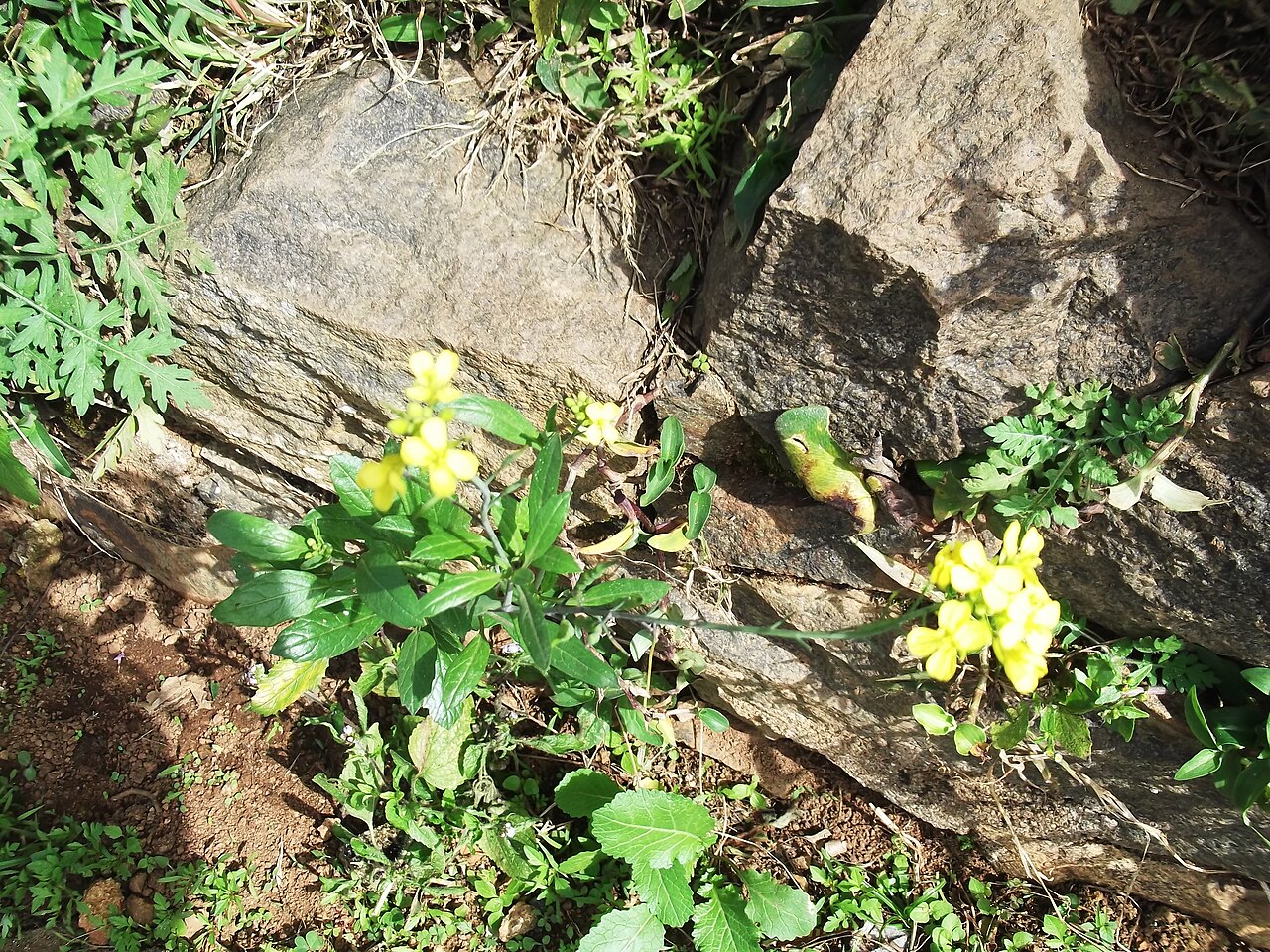
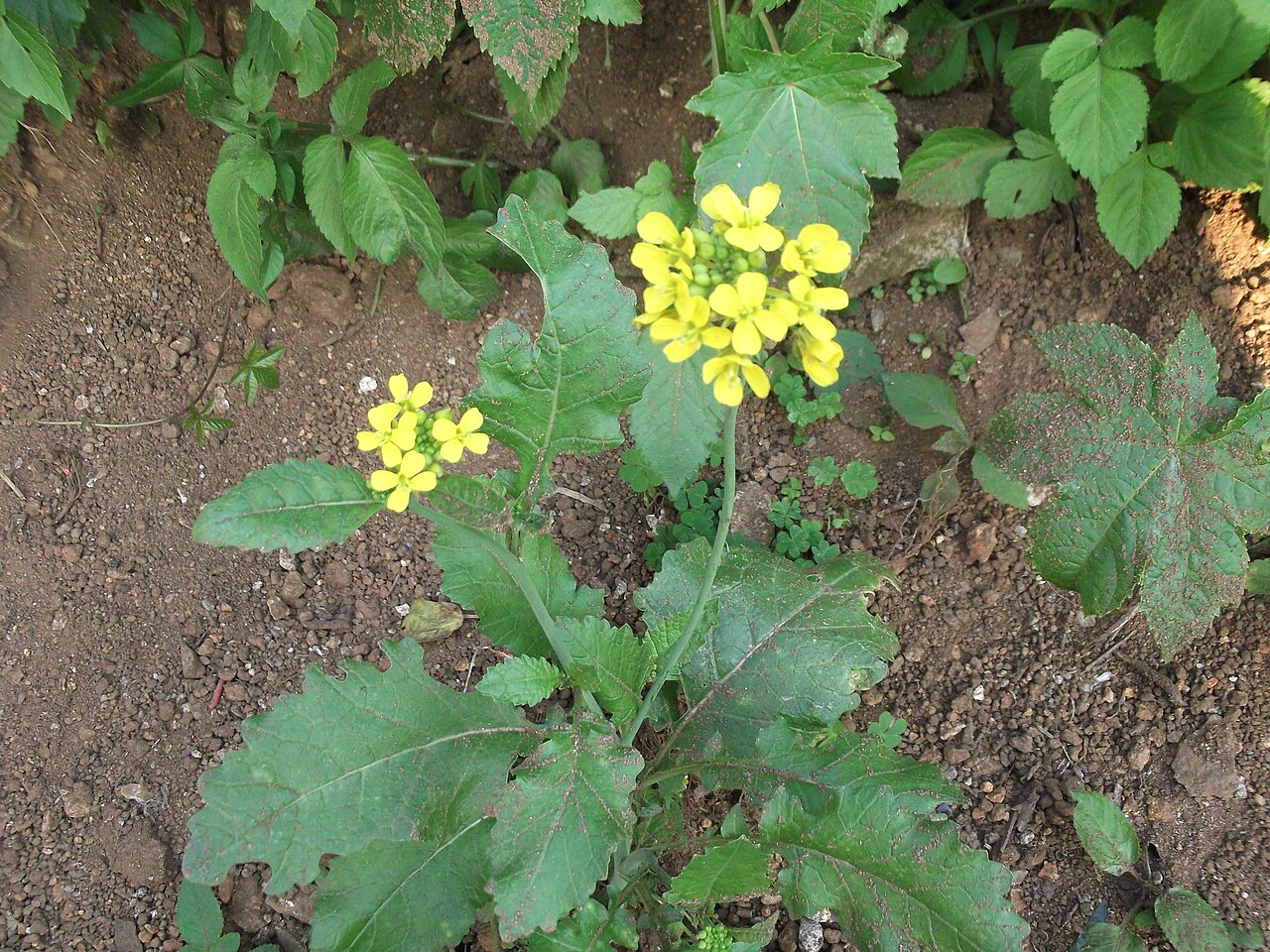
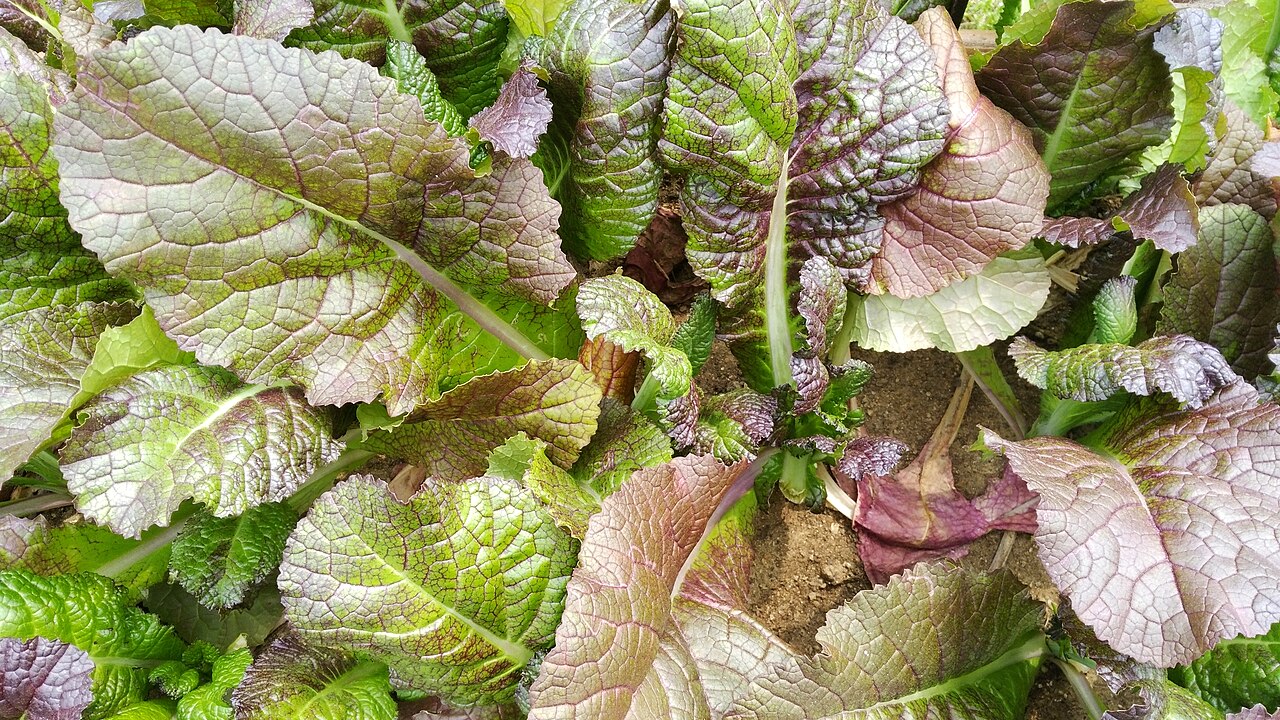
Photos show the species (Brassica juncea), since no cultivar-specific photo verified for this variety — the species photos above are already hosted on this site and attributed as on the species guide.
Why this variety
Amara is the mustard for people who love mustard greens but wish they would stop shouting. Sold as Ethiopian mustard or Ethiopian kale mustard, it is Brassica carinata — a different species from common mustard, Brassica juncea — and it tastes like it: tender, medium-green leaves with a complex flavor that seed houses describe with overtones of spice and garlic, milder than both kale and most mustards. Baby leaves in under three weeks are salad greens; full leaves at about 40 days are cooking greens with manners.
The species note matters, and the guide does not hide it: the kale index on this site deliberately excludes Brassica carinata, because that index covers common kale only. Amara belongs here, in the mustard guides, because that is how it is sold, grown, and cooked — as a mustard green — and because the mustard index carries no such species restriction. What Florida gardeners get for the trade is a vigorous, widely adapted plant that is cold-hardy and drought-resistant, a combination most mustards cannot offer in the same plant.
How to grow
Sow from September through March in Florida, direct, in succession every 2–3 weeks for a steady supply. Give it the hero spacing — Amara grows larger and more vigorous than a baby-leaf mustard, so crowding it wastes its best trait, which is size without toughness. Work compost and worm castings into sandy beds before sowing; even a drought-tolerant green grows tender leaves only when its roots can actually find water and nutrients, and sand holds neither without organic matter.
Harvest by picking outer leaves and letting the center regrow, or cut whole plants young for salad mix. Regular picking delays flowering, which matters because Amara, like all mustards, bolts when heat and long days arrive — in Florida, that means the fall-through-spring window is your friend and midsummer is not.
Water & feeding
Water evenly while leaves are sizing up; drought tolerance means the plant survives a dry spell, not that it tastes good through one. Leaves grown dry turn sharp and tough, which defeats the whole point of a mild mustard.
Feed lightly: castings or compost at planting and a modest side-dress if growth stalls. Mustards are fast crops and heavy nitrogen makes them soft and pest-prone; Amara’s vigor does most of the work if the soil has compost in it.
Common problems
- Aphids — cluster on undersides and new growth; blast with water and let lady beetles work before reaching for anything stronger.
- Cabbage worms and loopers — chew holes in broad leaves; hand-pick or use Bt, and row cover at sowing keeps the moths off.
- Flea beetles — pepper young leaves with shot-holes; row cover early and keep seedlings vigorous so they outgrow the damage.
- Bolting in heat — a warm snap pushes flower stalks and the leaves sharpen fast; harvest hard, succession-sow, and treat bolted plants as done.
Harvest
Snip baby leaves from under 21 days for salads, or full leaves at about 40 days for cooking, cutting outer leaves first so the center keeps producing. Use baby leaves raw, where the mild spice-garlic flavor shows, and full leaves sauteed, braised, or in soups, where they stay tender instead of turning stringy.
Amara keeps a few days in the fridge in a bag, but like all mustards it is best the day it is picked. If a plant does bolt, the flowers are edible and peppery — a consolation prize, not a crop, but a pretty one in a salad.