
🌼 Amélioré à Coeur Plein Dandelion
What it looks like
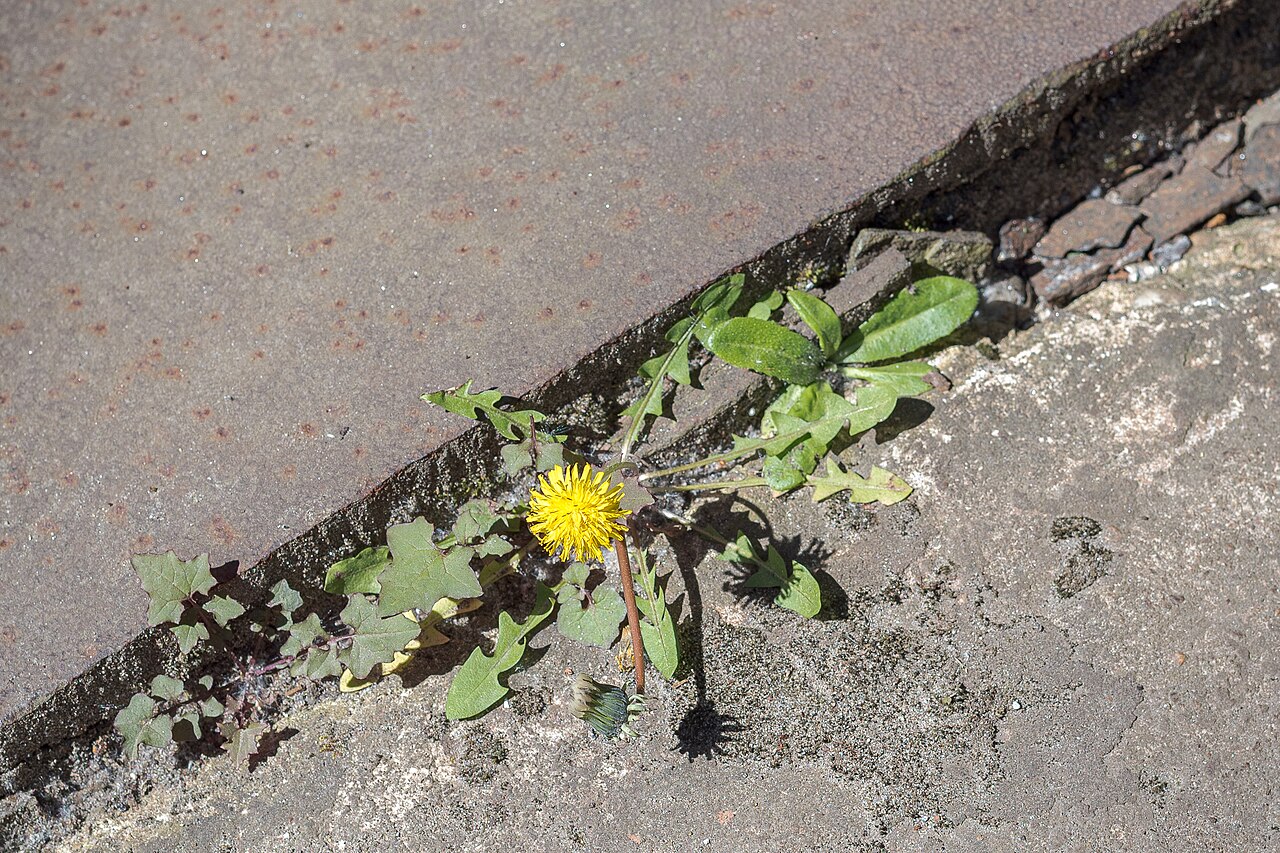
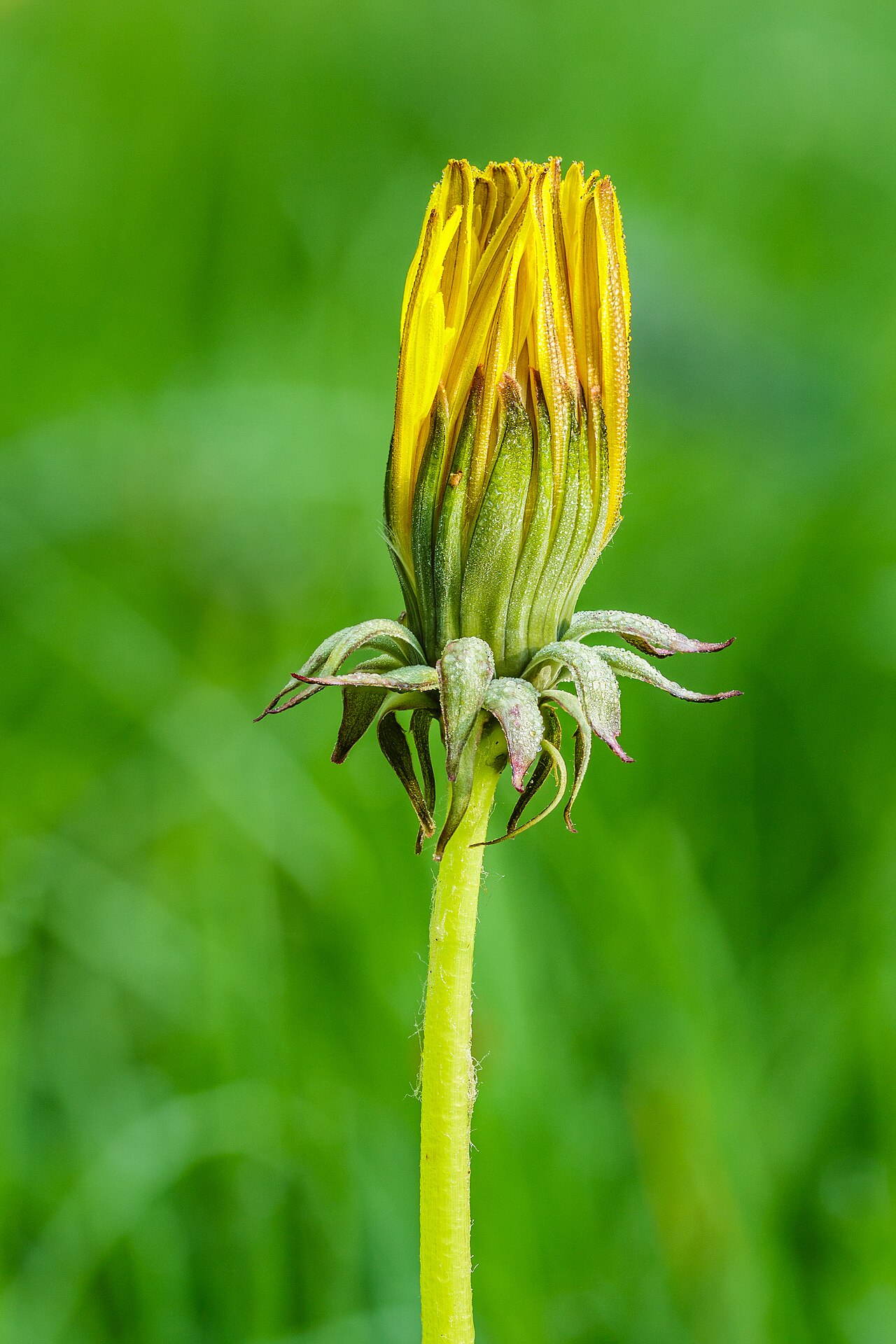
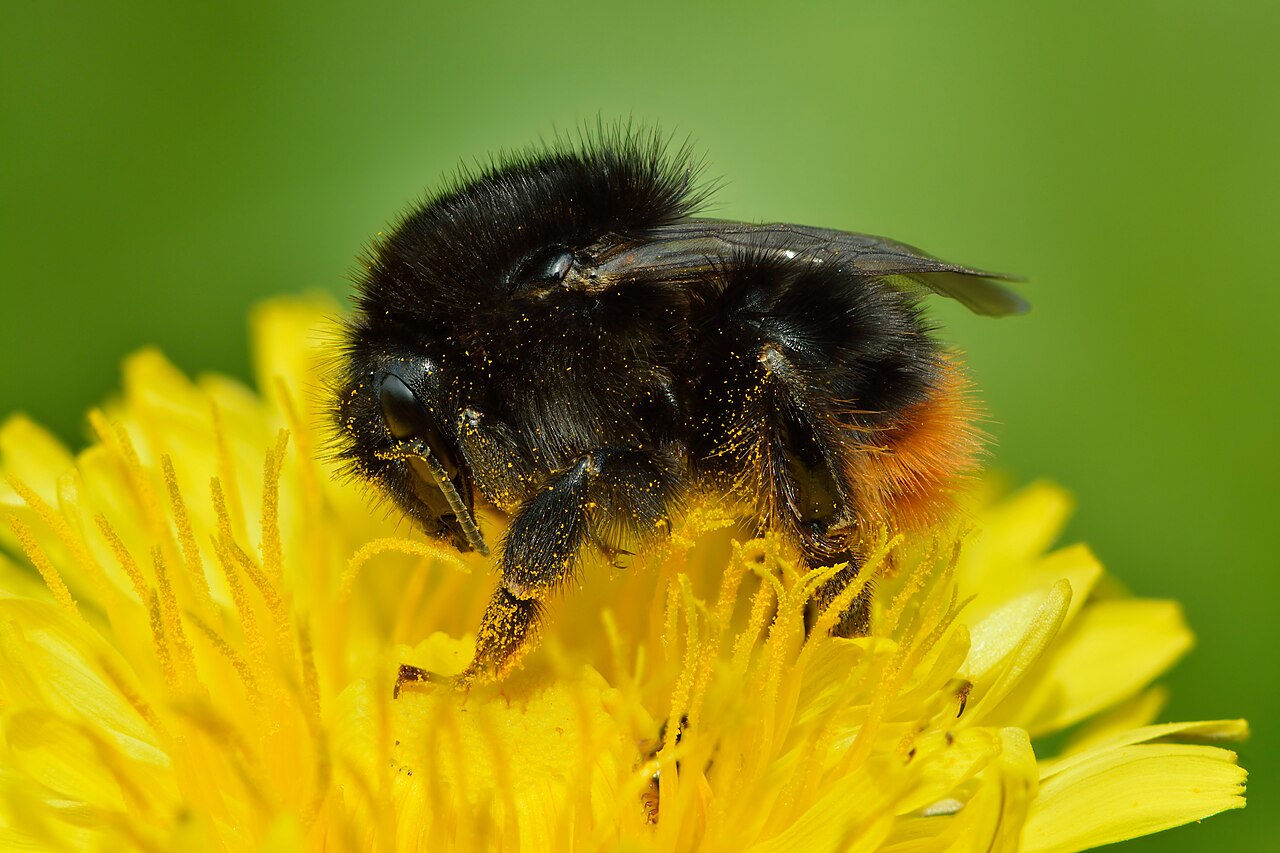
Why this variety
Amélioré à Coeur Plein — improved, full-hearted, in the French market-garden tradition — is a documented dandelion cultivar bred for the table, not the lawn: it yields an abundant crop without taking up much ground, and its clumping growth habit tends to blanch the heart naturally, giving you pale, tender inner leaves without tying or covering the plant. It is the dandelion for gardeners who want to eat dandelion on purpose, and want the plant to cooperate.
For the table, the blanched heart is the prize: milder, more tender, and less bitter than the outer leaves, good raw in salads or wilted with garlic and a splash of vinegar. The outer leaves are stronger — good for cooking, where bitterness becomes depth — so one plant gives you two greens, a salad heart and a cooking green, which is more than the lawn weed ever offered.
If you are new to choosing between cultivars, the Varieties Matter guide explains why the name after the plant matters as much as the plant itself. And if you want the whole clan at a glance, the broader Dandelion guide covers dandelion generally.
How to grow
In Florida, cultivated dandelion is a cool-season green, and the joke writes itself: the weed in the lawn is the same plant, but the cultivated types are bred for bigger, more tender leaves and a milder bite. Sow in fall, harvest leaves young before the plant flowers, and blanch a few plants under a pot for pale, tender hearts. And be a good neighbor about it — harvest before seed heads form, or your dandelion patch becomes everyone’s dandelion patch, blown across the fence on the next breeze.
Sow in fall in rich, moist soil, 12 inches apart, and keep the soil moist through the cool season. Thin to 12 inches so clumps can form. Harvest outer leaves often to encourage the heart to fill, and blanch a few plants under a pot for two weeks if you want the palest hearts. Do not let plants go to seed in the bed — harvest before seed heads form, or your dandelion patch becomes the neighborhood’s dandelion patch.
Water & feeding
Dandelion wants rich, moist soil and steady water; a dry, hungry dandelion is a bitter dandelion, and bitterness is the difference between a salad green and a weed you regret. Mulch, water deeply, and feed with compost at planting — a well-fed dandelion grows leaves worth eating instead of leaves worth mowing.
Common problems
Aphids and slugs visit; water jets and coarse mulch handle them. The main risk is not pests but reputation: dandelion seed blows everywhere, so a cultivated patch needs the same discipline as a wild one — harvest before seeding, deadhead promptly, and grow it in a defined bed, not scattered through the lawn where it becomes indistinguishable from the weed.
Harvest
Pick outer leaves as needed from fall through spring, young for salads, older for cooking. For blanched hearts, cover a clump with a pot for 10 to 14 days, then cut the pale center — tender, mild, and perfect raw. Roots can be dug, roasted, and ground as a coffee substitute, and flowers make wine and fritters, so the whole plant earns its keep, which is the dandelion’s oldest joke: the weed is the crop.
Nerdy fact: The name dandelion comes from the French dent-de-lion, lion’s tooth, for the jagged leaf edges — and Amélioré à Coeur Plein is the French market gardeners’ answer to that wild leaf: same species, same jagged edge, but bred for a full, tender, self-blanching heart. It is the weed, improved, and the improvement is the whole point of growing it on purpose.
Saving seeds
Amélioré à Coeur Plein is a selected table dandelion — save seed from your best plants and it will grow up like its parent, but harvest before seed heads form or it will seed itself across the fence. The full method is in the Saving seeds section of the Dandelion guide.