
🌼 Ameliore Tres Hatif Dandelion
What it looks like
Why this variety
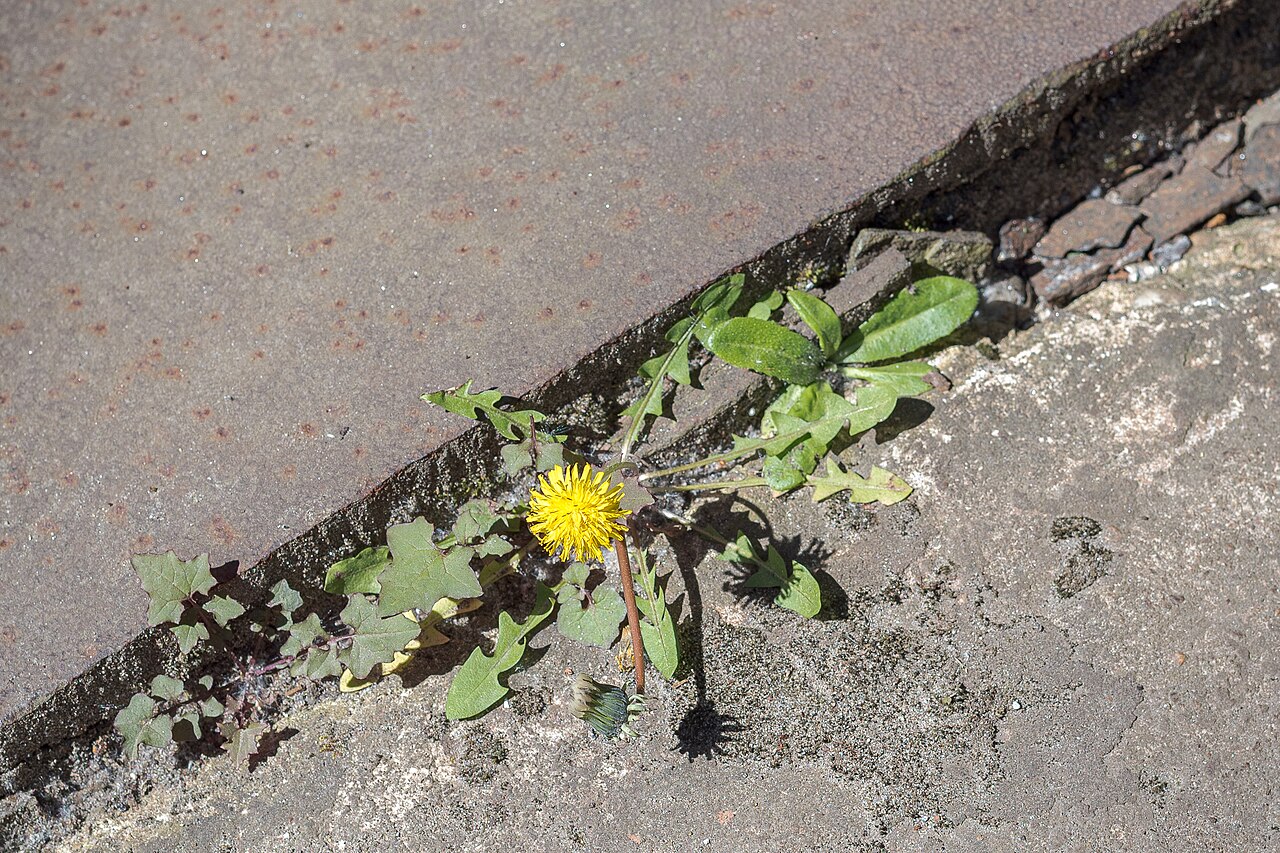
Ameliore Tres Hatif — ‘improved, very early’ — is one of the classic French dandelions listed by Vilmorin in the 1880s alongside Ameliore a Coeur Plein, bred for picking in winter and spring under cover in France. The point of the type was earliness: leaves ready before other greens woke up, forced pale and tender under pots or cloches when the garden was otherwise empty.
In a Florida garden that translates to a fall-sown green that comes on fast in winter, when the garden has room and the kitchen wants bitter greens for cooking. It is the same species as the lawn weed, selected for bigger leaves and an earlier start — and it carries the same self-seeding warning as every dandelion.
How to grow
Sow directly outdoors 1/4 inch deep in fall, thinning to 6–12 inches apart, in rich soil. For the traditional blanched harvest, cover plants with a pot or bucket for a week or two in late winter and pick the pale inner leaves.
In Florida, cultivated dandelion is a fall-through-spring green: sow in fall as nights cool for winter and spring leaves, or in early spring for a spring harvest before heat arrives. Summer heat makes leaves tough and bitter fast, so treat it as a cool-season crop and let it rest — or go to seed, if you dare — through summer.
Water & feeding
Dandelion is famously unfussy about water, but cultivated greens taste best with steady moisture: about an inch a week, mulch to hold it, and water at the base. Drought-stressed leaves turn bitter and tough, which is the opposite of what you planted a garden dandelion for. Feed lightly with compost; dandelion grows in poor soil, but rich soil grows bigger, milder leaves — the whole point of the cultivated types.
Common problems
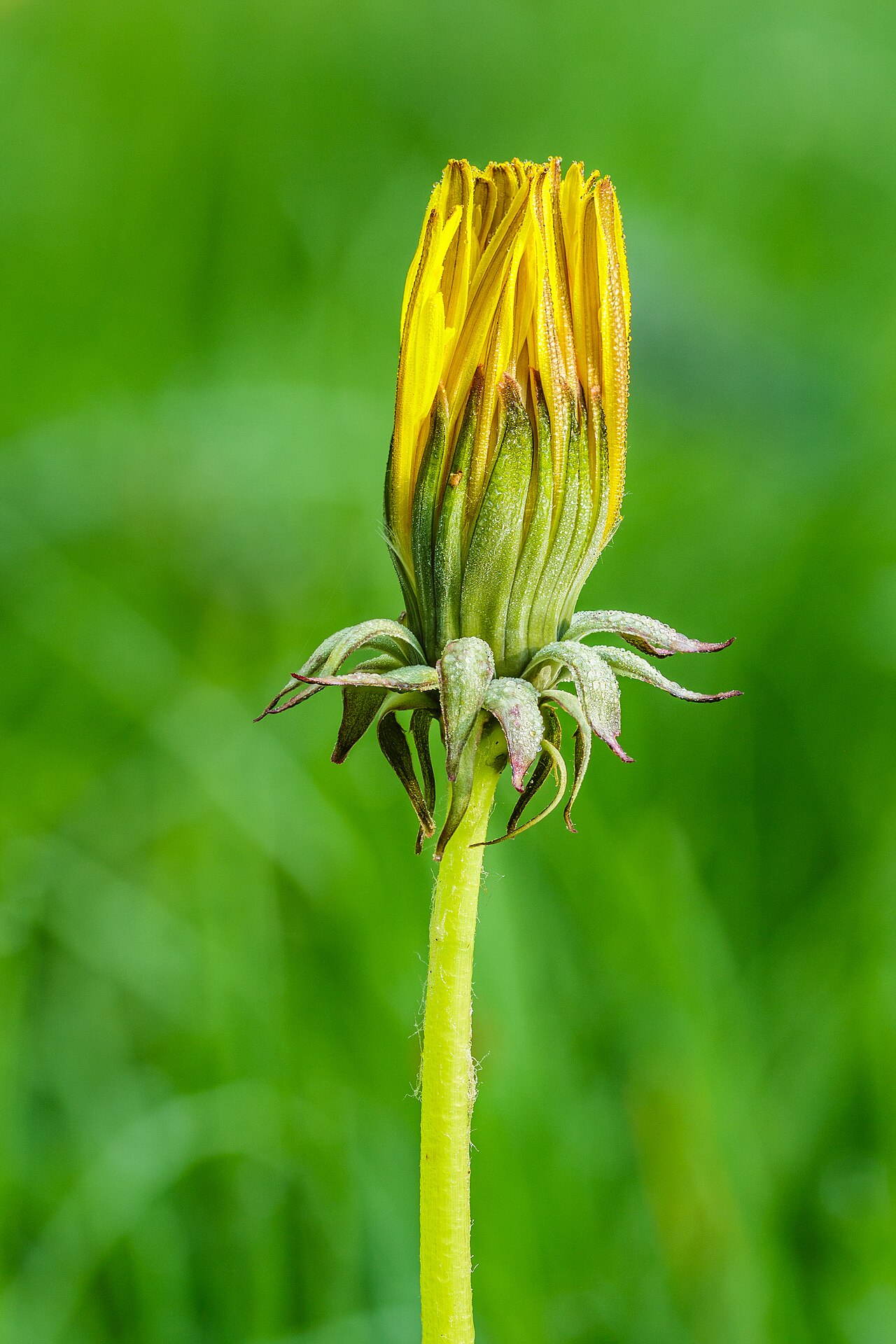
- Self-seeding takeover — harvest before flowers open and deadhead stragglers; dandelion seed stays viable for years and volunteers everywhere.
- Bitterness — pick young, blanch under cover for milder leaves, and cook older leaves.
- Aphids — blast with water or use insecticidal soap.
- Slugs and snails — beer traps and morning patrols.
- Sprayed lawns — never harvest dandelion from treated lawns; garden-grown plants remove the risk.
Harvest
Pick young leaves early and often, before flower stalks rise. For blanched leaves, cover plants in late winter and harvest the pale hearts after a week or two — they are milder and more tender than open-grown leaves. Older leaves go in the pot, not the salad bowl.
Browse all plant & pest guides
Saving seeds
Ameliore Tres Hatif is a classic French selection — save seed from your best plants and it will grow up like its parent, but don’t let it go to seed unless you want dandelions everywhere. The full method is in the Saving seeds section of the Dandelion guide.