
🌳 American Beech
What it looks like
Quick facts
- Sun: Full sun to partial shade; famously shade-tolerant when young
- Soil: Loose, moist, well-drained, acidic soil; hates compaction and wet feet that never drain
- Spacing: Give it room — a mature crown spreads 40 to 60 feet
- Height: 50 to 75 feet in cultivation; forest-grown trees can reach 120 feet (UF/IFAS)
- Life cycle: Long-lived deciduous tree, slow-growing
- Zones: UF/IFAS lists USDA zones 3A through 8B; other references stretch that to zone 9
- Florida: Native to northern Florida; a North Florida tree, not a peninsula tree
What it is
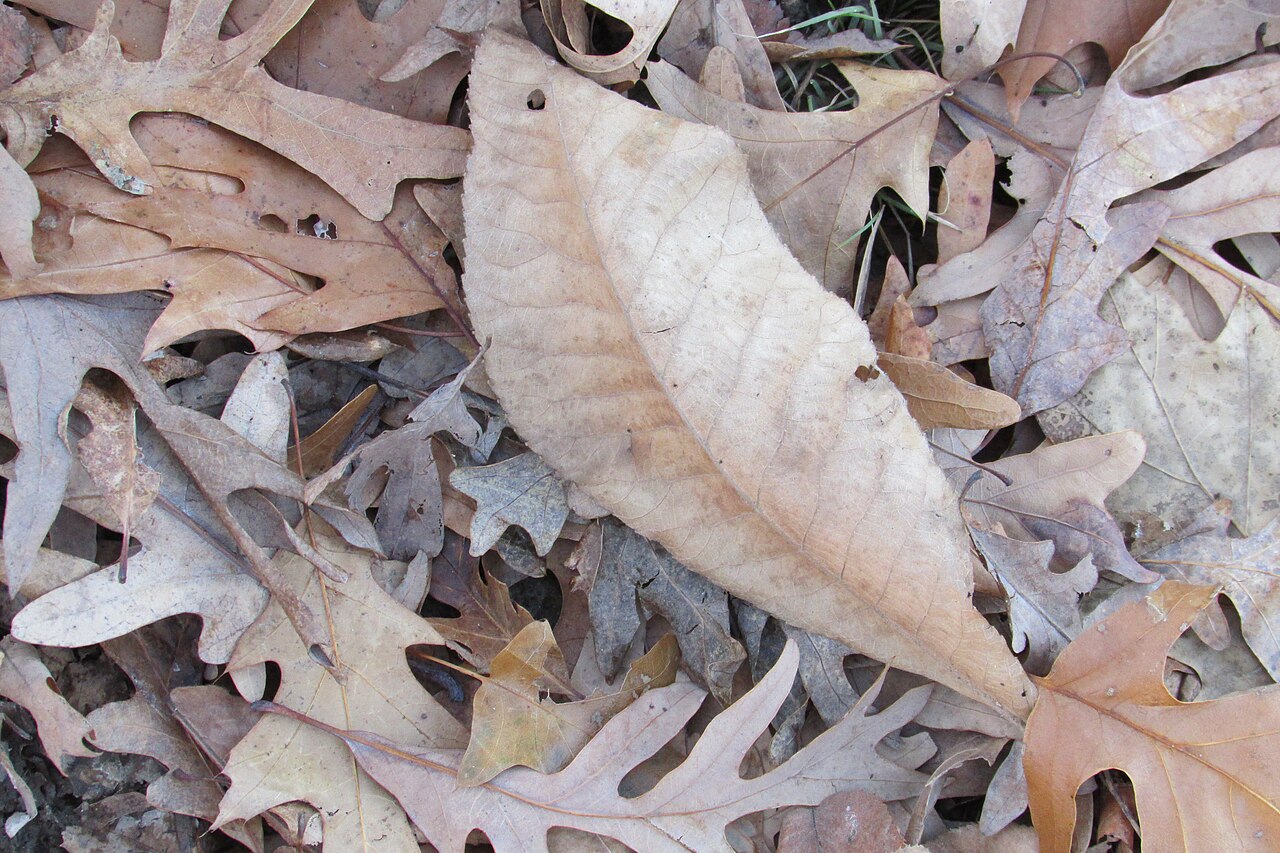
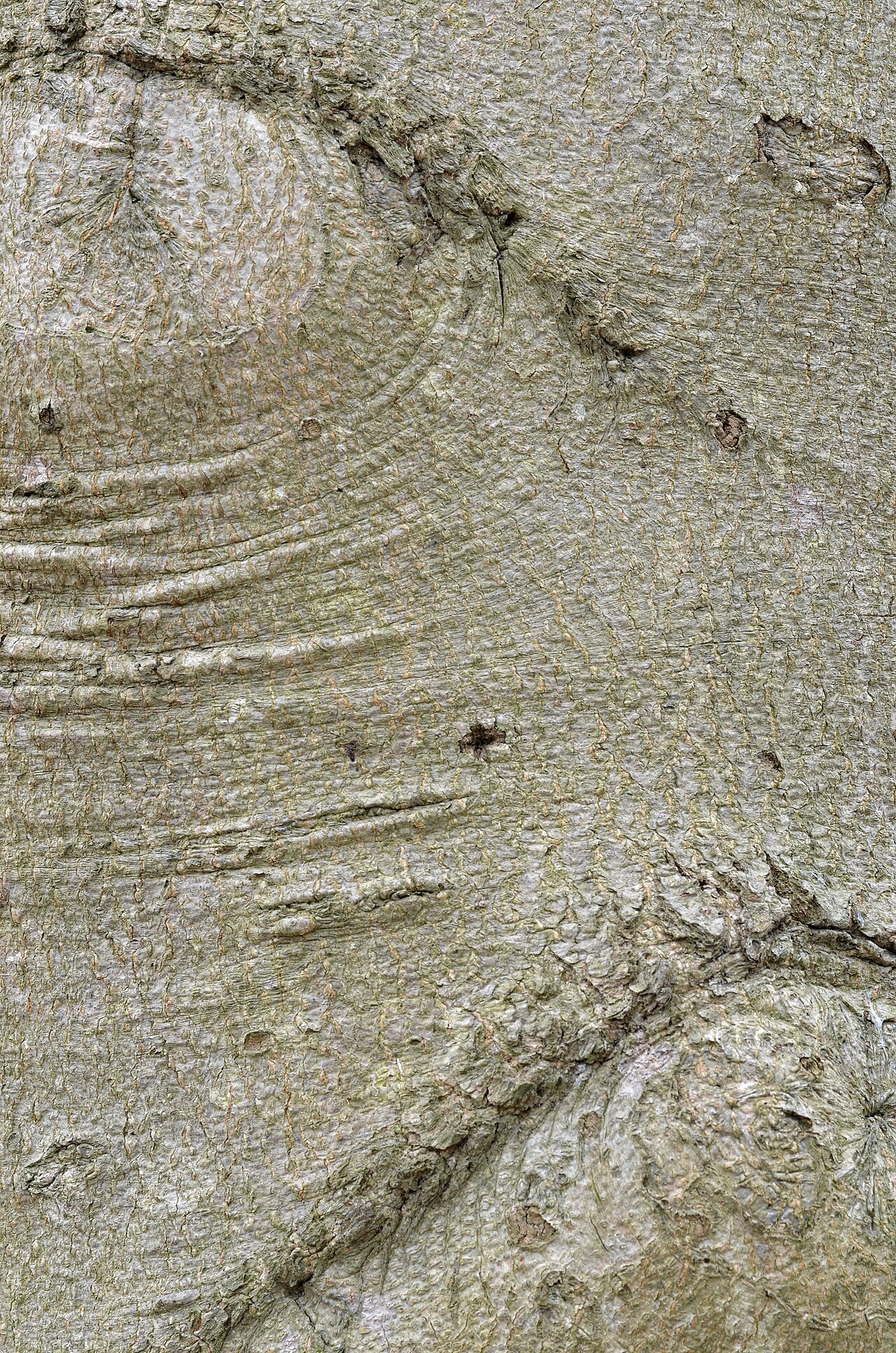
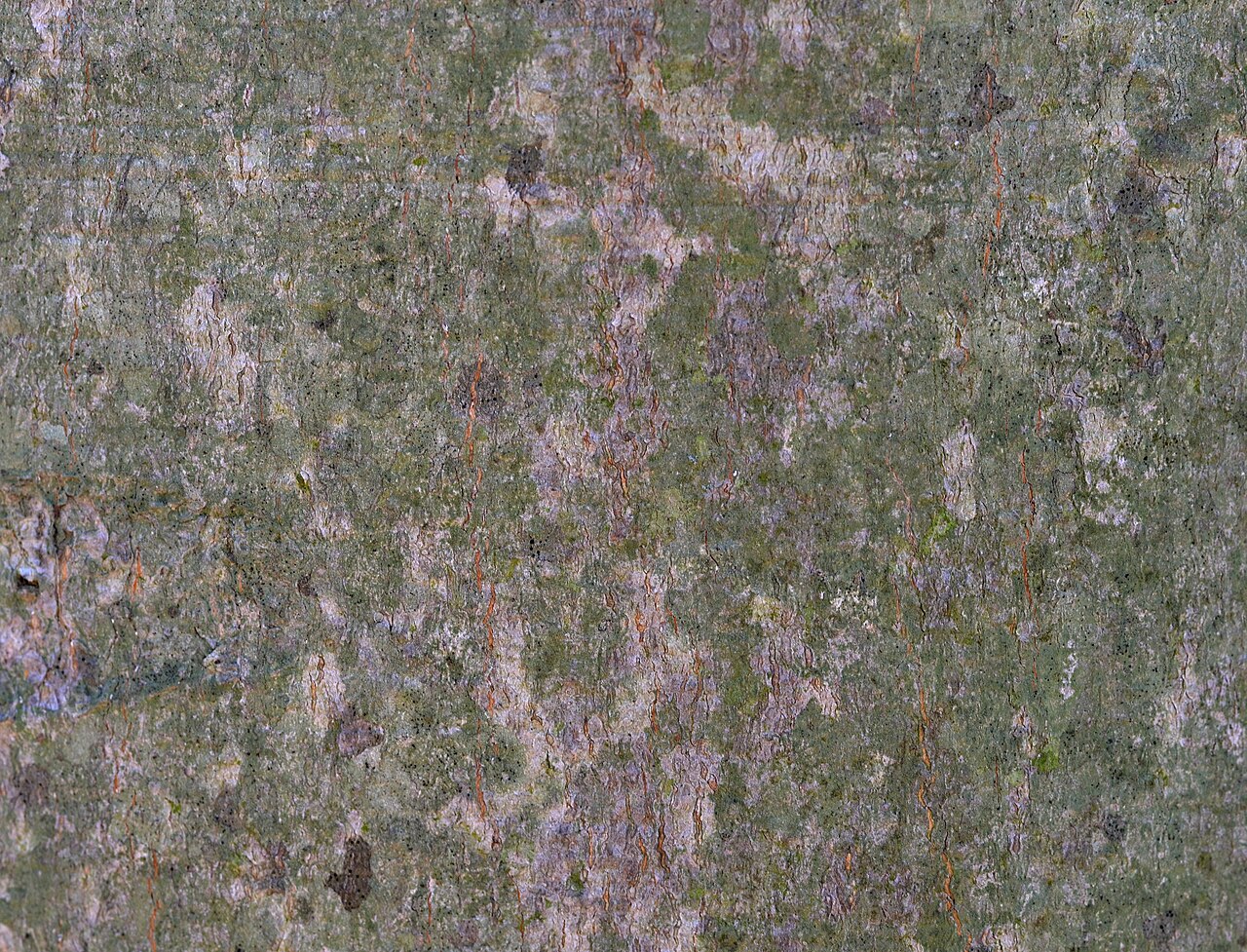
American beech is the only beech species native to North America, and it is unmistakable once you know the tells. The bark is the giveaway: smooth, thin, and silvery gray, looking for all the world like elephant skin stretched over the trunk, and it stays smooth even on old trees — which is why generations of romantics have carved initials into it (please do not; the scars last for the life of the tree and invite decay). The leaves are oval, dark green, with prominent parallel veins that each run out to the tip of a small marginal tooth, like a tiny comb. In fall they turn a clear golden bronze, and young trees often hold their pale, papery leaves all winter, rattling in the wind — a habit botanists call marcescence, and the rest of us call charming.
The fruit is the beechnut: a small triangular nut, about half an inch long, tucked in pairs inside a spiny four-valved husk that splits open in fall. Beechnuts are rich in oil and protein, sweet when roasted, and one of the great wildlife foods of the eastern forest — squirrels, bears, deer, turkeys, and blue jays all cash in. The catch is patience: trees may not bear heavily until they are decades old, and big crops come in mast years, every few years, when the whole forest seems to fruit at once. A mast year is a feast; the years between are a fast. That boom-and-bust rhythm is not a flaw in the system. It is the system: predators cannot eat everything in a mast year, so some nuts survive to become trees.
Beech is a shade tree in the deepest sense. Seedlings establish in the shade of other trees and wait, sometimes for decades, for a gap in the canopy. Once they get light, they grow — slowly, steadily, for centuries. The root system is shallow and wide-spreading, which explains two classic beech behaviors: it sulks in compacted or drought-prone soil, and it sends up root suckers that can form a clonal grove of trunks around the parent tree.
Growing American beech in Florida
Here is the honest Florida translation: American beech is a North Florida native, and that is where it belongs in this state. Its native range runs down the eastern seaboard to northern Florida and eastern Texas, and UF/IFAS puts its hardiness at zones 3A through 8B. In the Panhandle and the northern tier, on a site with rich, moist, acidic soil and some afternoon protection, it can be a magnificent long-term tree. In Central and South Florida, do not plant it and hope: the heat, the long warm nights, and the sandy, alkaline-prone soils are all working against a tree that evolved for cool, rich, deciduous forest floors.
Site selection matters more than any other single decision. Pick a spot with deep, loose, moisture-retentive but well-drained soil, and do not plan to pave, park, or pile fill over its root zone — beech roots live near the surface and resent disturbance the way a cat resents a bath. Mulch widely (but never piled against the trunk) to keep those shallow roots cool and moist, and water deeply through dry spells for the first several years; a beech that dries out badly rarely forgives you. Plant young, container-grown or balled-and-burlapped stock in fall or early spring, and handle the roots gently: beech is famously difficult to transplant, and the smaller the tree you start with, the better it settles.
Feed the soil, not just the tree. A top-dressing of compost or worm castings over the root zone, kept off the trunk, mimics the leaf-litter layer beech evolved in and feeds the fungal soil life that forest trees partner with. Skip the high-salt synthetic fertilizer blasts; beech wants steady, organic fertility and a soil pH on the acidic side. If your soil tests alkaline, beech is telling you to pick a different tree rather than fight the pH forever.
Problems worth knowing
Beech bark disease is the serious one: a scale insect wounds the bark and a fungus follows, and the combination can kill mature trees. It has marched through northeastern forests and is the reason foresters watch beech stands nervously. In the landscape, the more common complaints are drought stress (leaf scorch, thinning crown), root-zone compaction, and sunscald on young bark. Beech leaf disease, a newer nematode-associated problem, is another reason to buy nursery stock from reputable sources and to report — not compost-and-ignore — suspiciously banded, crinkled leaves.
Wildlife note, and a warning in one: beechnuts are edible for people when roasted, and delicious, but raw beechnuts in quantity are not a snack — they contain compounds that are unkind in large amounts, and the old rule is roast them and eat them in moderation. The squirrels have no such rule and will strip a mast crop with admirable efficiency.
Saving seeds
American beech (Fagus grandifolia) is a seed-saving project measured in decades, not weekends, and that is exactly why it is worth doing properly. The seed is the beechnut itself: a small, three-sided, triangular nut, usually borne in pairs inside a prickly husk that splits open in fall, after frost, and drops its treasure onto the leaf litter.
Mast is the key word, and the frustrating one. Beech does not crop evenly every year. Some years a mature tree rains nuts; other years it offers almost nothing, and sources disagree on the exact rhythm, with good crops variously described as coming every two to three years or only every few years. The practical takeaway is simple: when a good year arrives, collect. Spread a sheet under the tree as the husks start to split, gather promptly, and do not wait for a better weekend, because the wildlife will not.
Sorting is easy and worth doing. Drop your nuts in a bowl of water: the ones that sink are usually filled and worth planting, while floaters are often hollow or empty. Keep only the sinkers, and keep them moist rather than bone-dry. Beechnuts lose their spark if they dry out and sit around, so fresh seed, handled promptly, is the whole game. If you cannot sow right away, store them cool and slightly moist in a sealed container in the refrigerator, not loose in a warm shed, and check them now and then for mold.
Beech seed needs winter before it will wake up. Outdoors, fall sowing lets nature do the work, but it also hands your nuts straight to the rodents, so most home growers stratify indoors instead: mix the nuts with damp sand, peat, or vermiculite, seal them in a bag, and refrigerate for roughly three to four months of cold, moist chilling. Sources vary a little on the exact length, so treat that range as a guide, not a guarantee, and sow when the chilling period ends rather than forcing a calendar date.
Two honest warnings close the deal. First, seedlings are not clones. Beech grown from seed is open-pollinated, so every seedling is a genuine American beech but none of them is a copy of its parent; expect variation in growth and form, and be glad of it, because that variation is what a wild species is supposed to look like. Named selections, if you ever want one, must come from a nursery as a vegetatively propagated plant, not from a nut. Second, beech hates being moved once it settles, so grow seedlings on in pots and plant them out while they are still young, in the spot where they can stay for a century. And keep your eating nuts and your planting nuts in separate bowls: beechnuts are roasted and eaten in moderation by people, not snacked raw by the handful, and the planting batch deserves to reach the soil, not your pocket.
Florida note: this guide lists American beech as a North Florida tree, hardy roughly to zone 8, not a peninsula plant. In Florida’s mild winters, do not count on an outdoor winter to stratify your seed; the refrigerator method above is the reliable route. Dry saved seed thoroughly only if you must hold it, then store it airtight, cool, and dark with a desiccant packet, because Florida humidity turns a forgotten bag of nuts into a mold farm faster than you would believe.
Why plant one anyway?
Because a mature beech is a cathedral. The smooth gray trunk, the high branching, the golden fall canopy, the winter-held leaves on young trees — there is a reason beech groves feel like rooms. It is also a keystone wildlife tree: its nuts feed everything from bears to jays, its cavities shelter owls and woodpeckers, and its dense summer shade cools the forest floor beneath it. Plant it where it has a century to become what it is, and where nobody will need to move it, pave under it, or prune it into submission. Beech does not do submission. It does majesty, on its own schedule.
Where this guide came from
American beech is one of the two beeches surveyed in the group guide. See also the Beech guide, which surveys the whole group this plant belongs to.