
🌸 Androsace
What it looks like
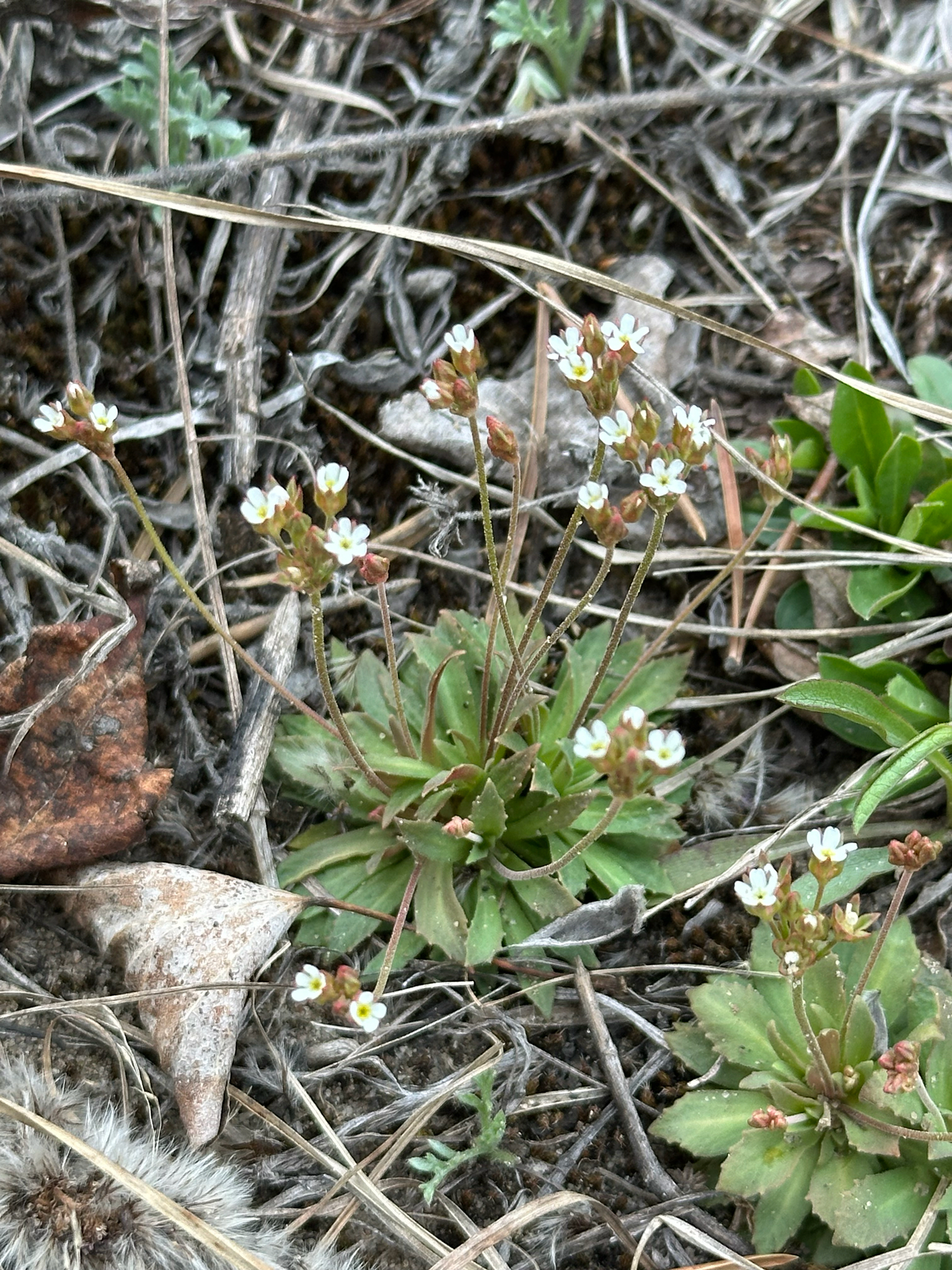
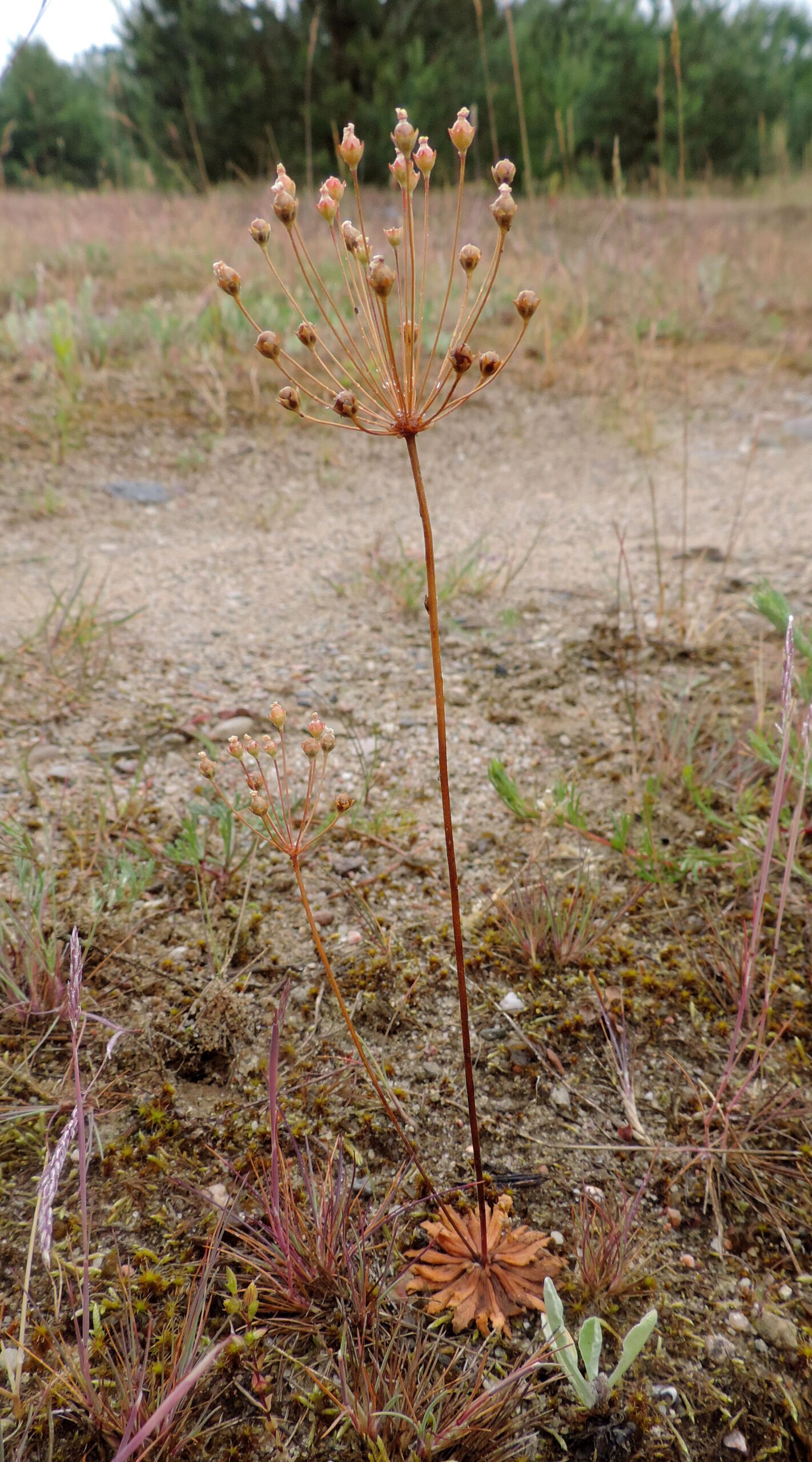
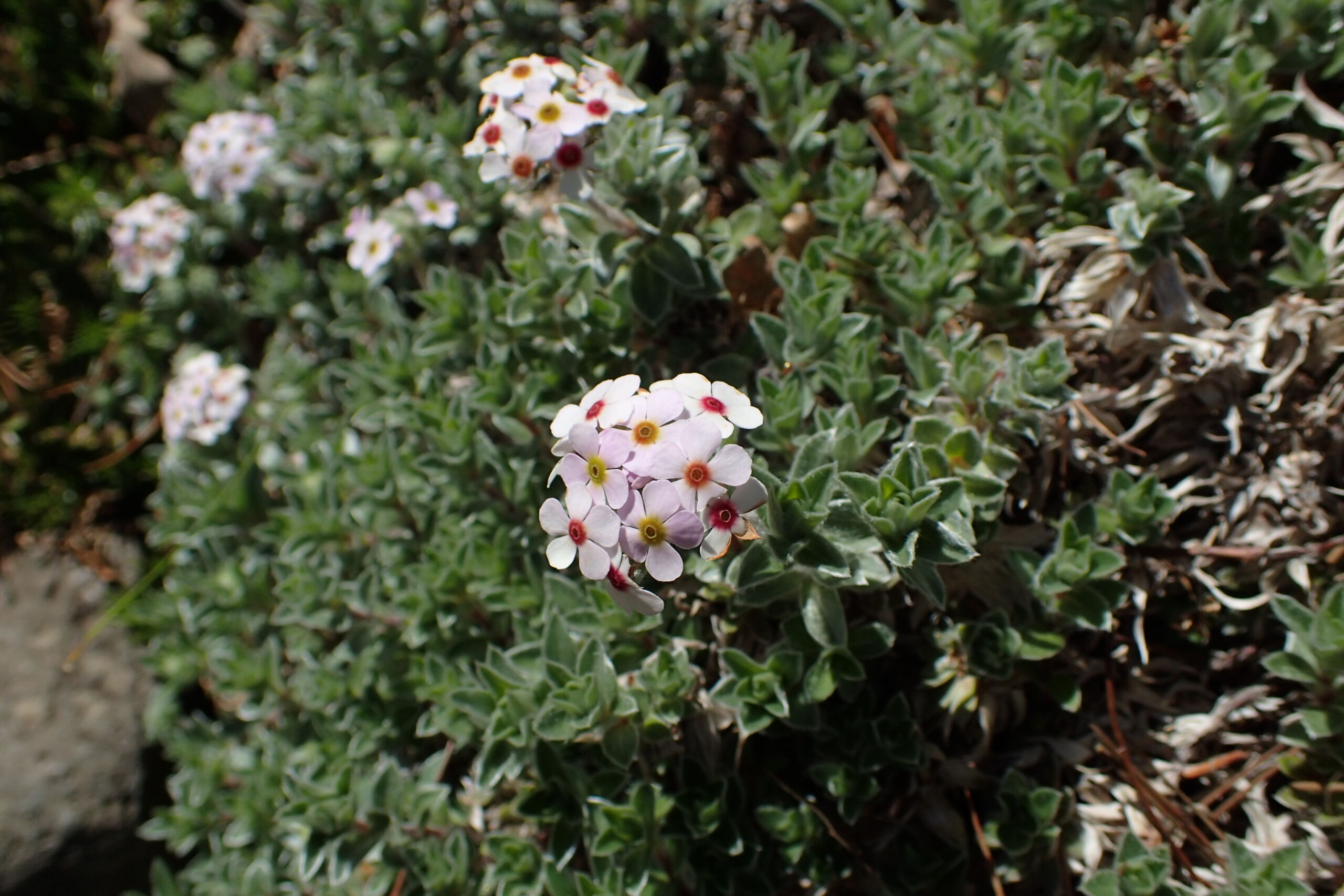
Rock jasmine is a name that promises something it only half delivers, and the half it delivers is wonderful. Androsace species are not jasmines — they are members of the primrose family, Primulaceae, second only to Primula itself in species number within that family — but they earn the “rock” honestly: they grow in scree, on cliffs, in fell-fields, and in the thin, stony soils of high mountains, in places where a gardener would look at the ground and say there is no soil here at all. The genus is predominantly Arctic-alpine, centered on the Himalayas and the high mountains of central Asia, with species through the Caucasus, the Alps, the Pyrenees, and across northern North America. Depending on the authority, it holds roughly 110 to 170 species, and that range is not sloppiness — it is taxonomy in motion, with new species still being described from the French Alps as recently as 2021 and old genera folded into Androsace by molecular work.
What the plants look like depends on which corner of the genus you are in, but the theme is small and tough. Many are dense cushions or mats of tiny rosettes, their leaves often hairy or silvery, covered in spring or early summer with small white or pink five-petaled flowers, sometimes with a yellow eye, borne singly or in little umbels on short stems. The common name “fairy candelabras” belongs to the same plants, and it fits: a cushion in full flower looks like a miniature candelabra set out on a rock. Other members break the cushion mold — Androsace septentrionalis, the pygmyflower rock jasmine photographed for this guide, is a small annual or biennial herb, 5 to 30 centimeters tall, with a basal rosette and two or more leafless flowering stems carrying 3 to 16 small white flowers with yellow throats, growing on gravel and sand with low organic content. Same genus, different life strategy, same small-flower signature.
For butterflies, this guide exists because of a careful, qualified line in the Arctic Blue Butterfly guide: the caterpillars feed on diapensia, shooting star, and rock jasmine (Androsace species) — possibly. That “possibly” is doing real work, and this guide preserves it. The Arctic Blue’s host list is incompletely documented, the guide that lists it says so plainly, and rock jasmine’s place on it is a possibility, not a certainty. This genus guide therefore does not promise that planting rock jasmine will feed Arctic Blues, which live in high, cold places far from any garden center. It tells you what rock jasmine is, how it grows, and why it belongs to the cold edge of the world.
How to grow
Rock jasmine is a specialist’s plant, and the specialization is drainage plus cold. The classic way to grow it is the alpine house or the rock garden: a raised bed, a trough, or a crevice garden filled with a gritty, mineral mix — stone chips, coarse sand, and a little loam, not rich potting soil — with water that runs straight through. The plants want full sun in cool climates, cool roots, and air around their crowns. Winter cold is not the enemy; winter wet is. A rock jasmine that survives minus 20 degrees in a dry alpine scree will rot in a wet, mild winter in heavy soil, because its crown sits at soil level and rots when water stands around it. The rule alpine growers repeat is simple: drainage first, everything else second, and a plant that is dry at the crown in winter is safer than a plant that is warm.
Propagation is by seed or by division and cuttings, depending on the species. Seed of many species needs a cold period to germinate — a winter outdoors or a spell in the refrigerator, mimicking the alpine winter that tells the seed it is safe to grow — and seedlings are small and slow, which is why rock gardeners trade them like treasures and why nursery plants cost more than their size suggests. Cushion species are divided carefully or grown from cuttings taken after flowering; annual and biennial species like Androsace septentrionalis are grown from seed and allowed to self-sow in their gritty pocket, which is the closest thing to a low-effort method this genus offers. Do not bury the crown, do not mulch with anything that holds water against it, and do not feed heavily: these are plants of thin, mineral soils, and rich feeding produces soft growth that rots at the first wet spell.
Florida note: Florida gardeners, this is the guide where the honest answer is “do not try this at home.” Rock jasmine is an Arctic-alpine genus, its garden range runs roughly zones 5 to 7, and many species want colder than that; Florida’s heat, humidity, and wet summers are the opposite of an alpine scree. A rock jasmine in Florida would need air conditioning, not a garden bed, and no variety changes that — the genus’s whole toolkit is built for cold, dry air and sharp drainage, not for a subtropical summer. Admire it in photographs and in northern rock gardens, and spend the Florida bed space on a plant that wants to be there. This guide exists because a butterfly guide mentions it, not because it belongs in a Florida garden, and saying so plainly is better than selling you a cushion that will melt by June.
Water & feeding
Water rock jasmine like an alpine stream, not like a garden hose: thorough when you water, then dry. In a gritty mix, water runs through quickly, and that is the point — the roots get wet, the crown dries, and the plant never sits in standing water. In cool climates, natural rainfall plus occasional watering in dry spells is usually enough, and in an alpine house the grower waters carefully and lets the mix dry between waterings. Overwatering is the commonest killer, ahead of cold, pests, and neglect combined, because a rotted crown does not recover. If you are growing a cushion species, water at the base or from below rather than overhead, so the tight rosette stays dry.
Feeding is minimal. A light, dilute feed in spring, or a top-dressing of grit with a little slow-release fertilizer, is plenty for most species. Rich soil and heavy feeding produce lush, soft growth that loses the tight cushion habit and rots in the first wet spell — the alpine equivalent of feeding a marathon runner nothing but cake. The soil science is the plant’s own: in scree and fell-fields, nutrients are scarce and water is fleeting, so these plants grow slowly, invest in dense, hairy, water-conserving leaves, and flower extravagantly for their size. Give them lean, mineral soil and they keep that bargain. Give them rich, wet soil and they break it, and die.
Common problems
- Heat and humidity. The hard limit for most of the genus, and the reason it fails in Florida and the warm lowlands generally. No variety, mulch, or watering schedule turns an Arctic-alpine plant into a subtropical one.
- Winter wet and crown rot. The commonest killer in cultivation. Water standing around the crown in winter rots it. Fix the drainage and the planting position — raised, gritty, open — before you blame the plant.
- Wrong soil. Rich, moisture-holding potting mix is the wrong home. If the mix stays wet a day after watering, it is too rich for rock jasmine; add grit until it drains freely.
- Slugs and snails. Small, soft alpine rosettes are easy eating. In a rock garden, the usual defenses — grit barriers, hand-picking, keeping the crown dry — matter more than chemicals.
- Short lives and slow growth. Some species are annual or biennial and die after flowering, which is normal, not failure — let them self-sow in their pocket. Cushion species grow slowly and resent disturbance; a cushion that looks unchanged for a year may be perfectly happy.
- Mistaken identity. “Rock jasmine” is also used loosely in the trade, and the genus has been revised enough that old labels may carry folded-in genera or outdated names. Buy named species from an alpine specialist, and treat an unidentified “rock jasmine” as a guess, not a guarantee.
Harvest
There is no food harvest here, and no medicinal harvest this guide recommends. The harvest of rock jasmine is the flower display itself: a cushion covered in white or pink stars in spring, a trough or crevice garden that looks like a mountainside in miniature, and the quiet satisfaction of keeping an alpine alive in a lowland garden, which alpine growers count as a real achievement. Seed is the practical harvest — collected when the tiny capsules ripen, sown fresh or after a cold period, and shared with other rock gardeners, because that is how these plants circulate. If you grow the annual pygmyflower rock jasmine, the harvest is also self-sown seedlings in the same gritty pocket next year, which is the plant paying you back in the only currency it has.
Browse all plant & pest guides
Saving seeds
Rock jasmines (Androsace spp.) are alpine miniatures with seed to match: tiny, dust-fine, and produced in small capsules after those starry little flowers finish. Let the capsules ripen on the plant until they turn brown and dry, then snip them into a paper envelope before they split and scatter — at this size, a sneeze is a seed-dispersal event, so work over a tray indoors. Sow fresh seed if you can. These are mountain plants whose seed expects a winter, and many kinds need a period of cold stratification before they will wake up; recommendations vary by species, from a few weeks to a couple of months of cold, and some seed may take a full year — or even two cold cycles — before it germinates. That is not failure on your part. That is an alpine plant being an alpine plant, hedging its bets against a bad season the way it does on a mountainside.
Sow on the surface of a very gritty, free-draining mix — think seed compost lightened generously with fine grit or sand — and barely cover the seed, if at all, since many rock jasmines want light to germinate. Water from below rather than overhead, so the tiny seed is not washed away or buried, and keep the pot consistently moist but never waterlogged, in bright, cool conditions with good air movement. Damping-off, the fungal rot that melts seedlings at soil level, is the great enemy here, so clean pots, fresh mix, and ventilation matter more than fertilizer ever will. Prick seedlings out into individual pots as soon as they are large enough to handle, grow them on in a partially shaded cold frame, and plant out in late spring or early summer.
Species differences matter in this genus more than in most. Some rock jasmines are cushion-forming perennials that can also be divided — runners divided in early summer, potted into sandy compost, and grown on until well rooted are often more reliable than seed for those kinds — while others are short-lived or annual and depend entirely on seed. If your plant makes runners, division is your insurance policy; if it does not, seed is the only way, and patience is the price. Florida honesty, plainly: most Androsace are built for cold, gritty, well-drained crevices, not for Florida summers, and many will struggle with our heat and humidity no matter how carefully you sow. Grow them in the coolest, brightest, best-drained spot you can offer, protect pots from summer downpours, and store any saved seed bone-dry, airtight with a desiccant, cool and dark. Seed from open-pollinated species plants grows true to species when isolated from other rock jasmines in flower; seed from named cultivars may not repeat the parent’s exact cushion or flower color.
Species and relatives
This is a genus guide: it claims Androsace spp. only, and every species below is a different plant with its own habit and hardiness, not an interchangeable “rock jasmine.” A species guide for any one of them would not cover this genus, and this genus guide does not substitute for one.
Androsace septentrionalis — pygmyflower rock jasmine, northern rock jasmine; a small annual or biennial herb of gravel and sand across northern North America and Eurasia, 5 to 30 centimeters tall, white flowers with yellow throats; the species named in the Arctic Blue guide’s host list, with the “possibly” qualifier preserved.
Androsace lanuginosa — woolly rock jasmine; a trailing, silver-haired species from the Himalayas, photographed for this guide, grown in rock gardens for its woolly foliage and pink flowers.
Androsace chamaejasme — sweetflower rock jasmine; a mat-forming perennial with white or pink yellow-eyed flowers in umbels in late spring, a classic rock garden species.
Androsace sarmentosa — a widely cultivated trailing species with runners and silvery rosettes, popular in rock gardens and troughs.
Androsace alpina — alpine rock jasmine; a high-alpine cushion species of the European mountains, among the most cold-demanding members of the genus.
Androsace occidentalis — western rock jasmine; a North American annual species of plains and open ground, distinct from the alpine cushions in habit.
Other Androsace species — the genus holds roughly 110 to 170 species depending on the authority, including the folded-in former genera Douglasia, Pomatosace, and Vitaliana in modern treatments. Any one of them is a different plant, and a guide naming only “Androsace” without a species is a genus guide, which is what this is.