
🌬️ Anemone
What it looks like
How to grow
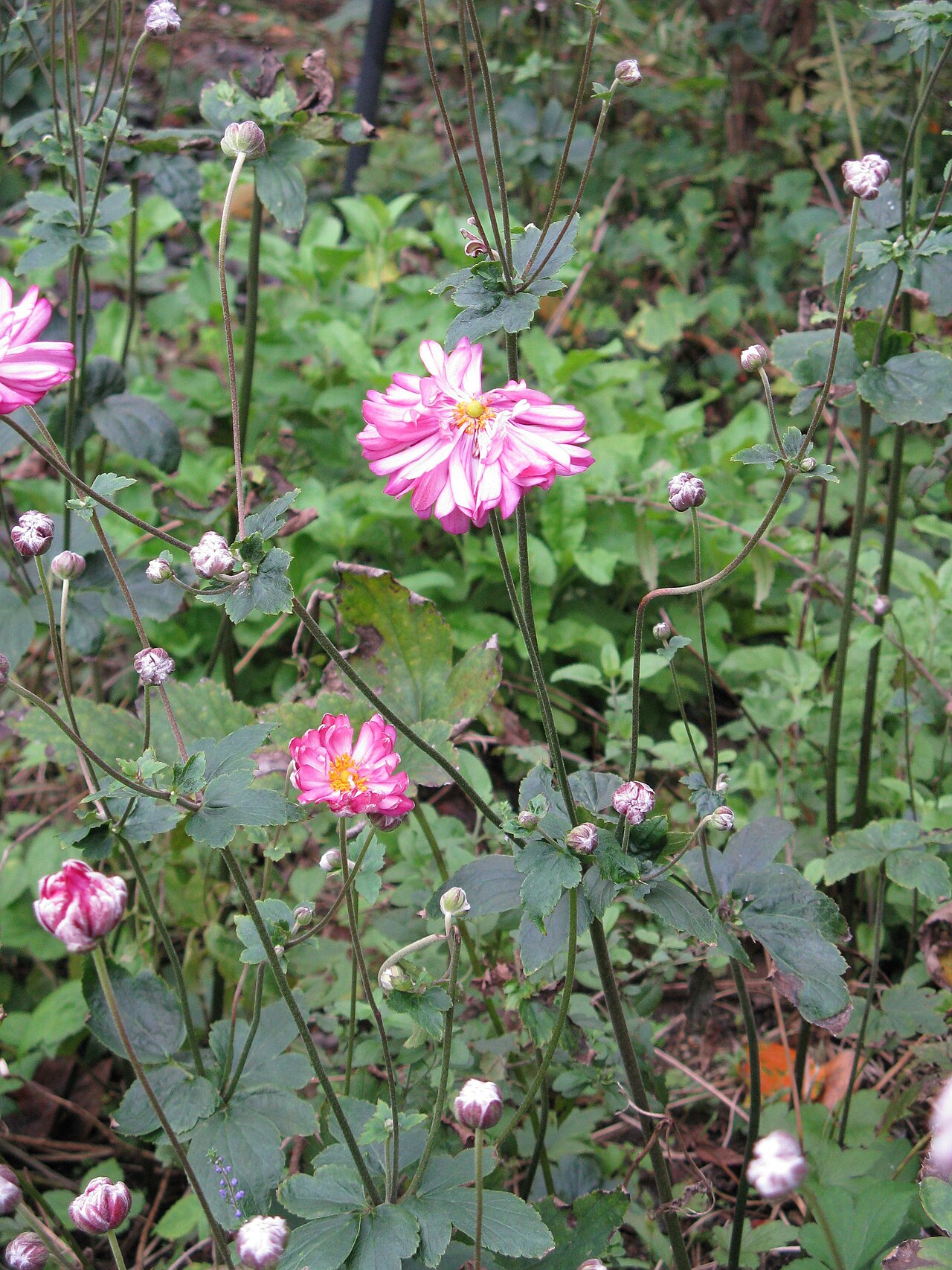
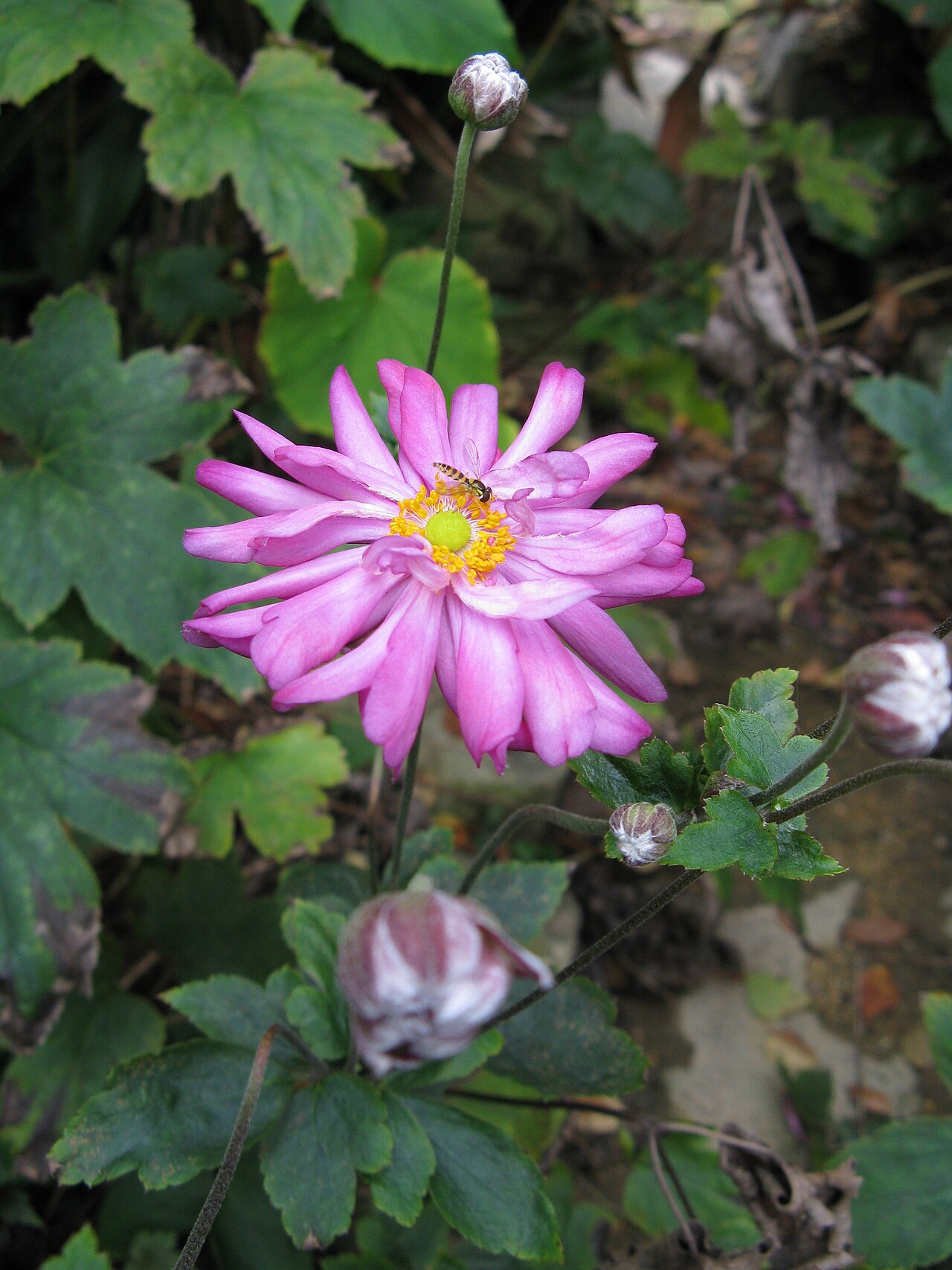
Plant in spring in rich, moist, well-drained soil in part shade — Japanese anemone flowers from late summer into fall, when few perennials are still going, with single or double pink and white flowers on tall, wiry stems. It spreads by underground runners and can be slow to establish (first-year plants may sulk), then vigorous — give it room and don’t be surprised when it colonizes a bed. In hot climates, afternoon shade and steady moisture are essential; in cold zones, mulch the first winter.
Water & feeding
Water consistently, especially in summer — anemones bloom poorly when drought-stressed. Mulch to hold moisture.
Common problems
- Slow establishment — patience the first year
- Vigorous spreading by runners in rich, moist soil (a feature or a flaw, depending on your bed)
- Slugs on young foliage in wet springs
Harvest
Deadhead to prolong bloom, or leave seed heads for winter interest. Cut back in early spring before new growth emerges.
Browse all plant & pest guides
Propagation
For this anemone — Japanese anemone (Anemone hupehensis and its hybrid A. × hybrida) — division beats seed, and it is not close. These are fibrous-rooted perennials that spread by underground runners, and they resent disturbance the way only a plant that sulked through its entire first year can. Seed propagation is possible, but it is slow and erratic: germination can drag on for weeks, seedlings take their time, and seed from hybrid plants will not come true, so the pink or white cloud you loved may return as something noticeably different. If your goal is more of the exact plant you already have, do not sow — divide.
Divide in spring, just as new growth resumes, or in fall once flowering is done. Dig generously around the clump — the roots run wider than you expect — and use a sharp spade or fork to split it into sections, each with healthy roots and at least one growing point, then replant immediately at the same depth and water well. Root cuttings taken in spring are another reliable route for these autumn-flowering types: short sections of root, laid in moist compost and kept shaded, will usually shoot. Either way, give divisions the same conditions the parent likes — rich, moist, well-drained soil and afternoon shade in hot climates — and do not panic if a new division sulks for a season; that is this plant’s signature move, and it usually forgives you by year two. One Florida note: Japanese anemone is a zones 4–8 plant, and Florida heat is already pushing its luck, so a division planted here wants the coolest, shadiest, most consistently moist corner you have, and seed sown outdoors in a Florida summer will mostly just cook.
Varieties
Every named variety of Anemone with its own growing guide:
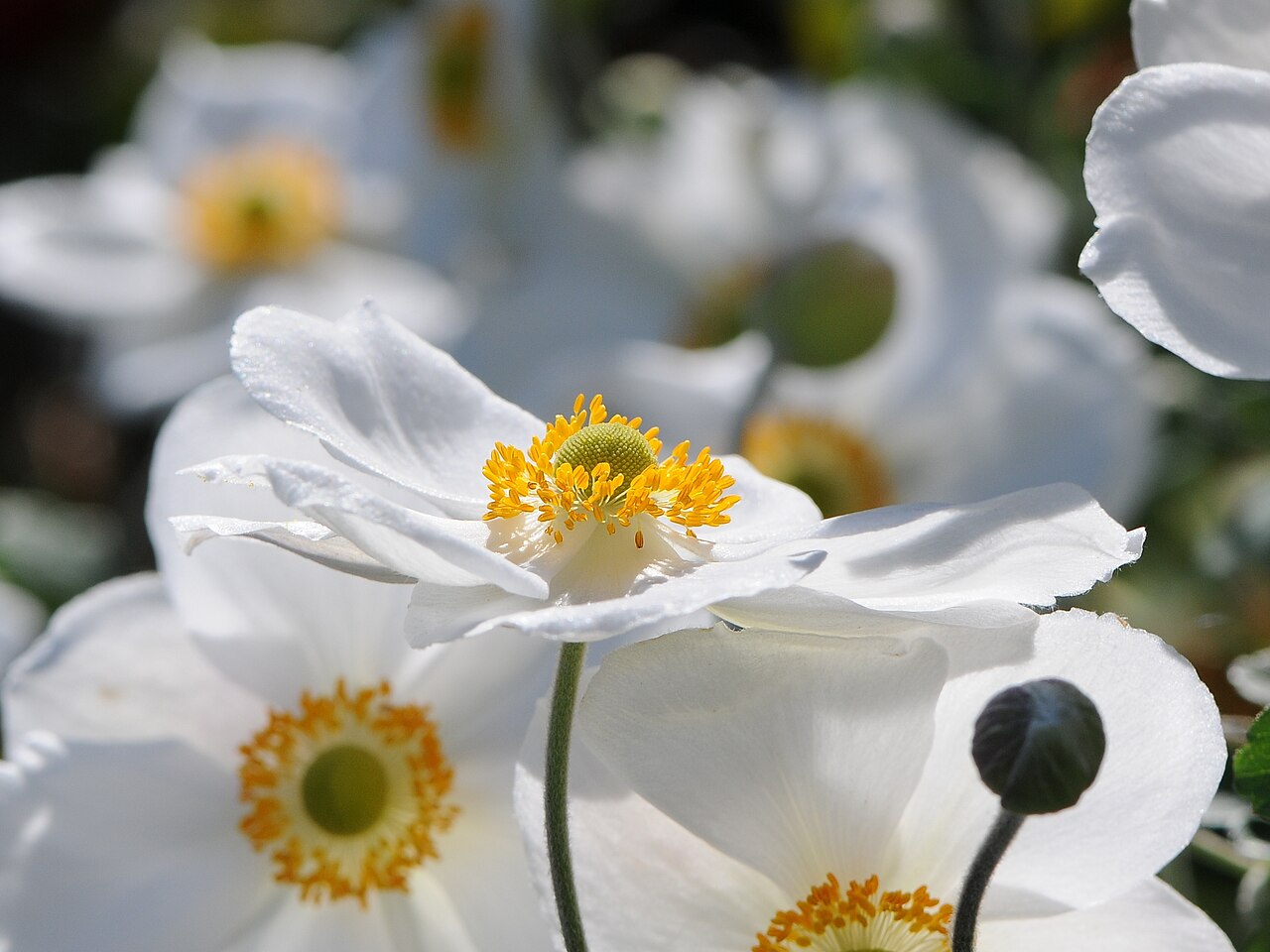
- Honorine Jobert Anemone — The white fall anemone: large, pristine single white flowers on 3- to 4-foot stems, the 2016 Perennial Plant of the Year and still the standard.
- September Charm Anemone — The silvery-pink fall anemone: single, shell-pink flowers on 3- to 4-foot stems, a little softer and a little more romantic than the white classics.
- Whirlwind Anemone — The semi-double white: ruffled, semi-double white flowers on tall stems — the white anemone for gardeners who want a little more froth.