
🍑 Apricot
What it looks like
How to grow
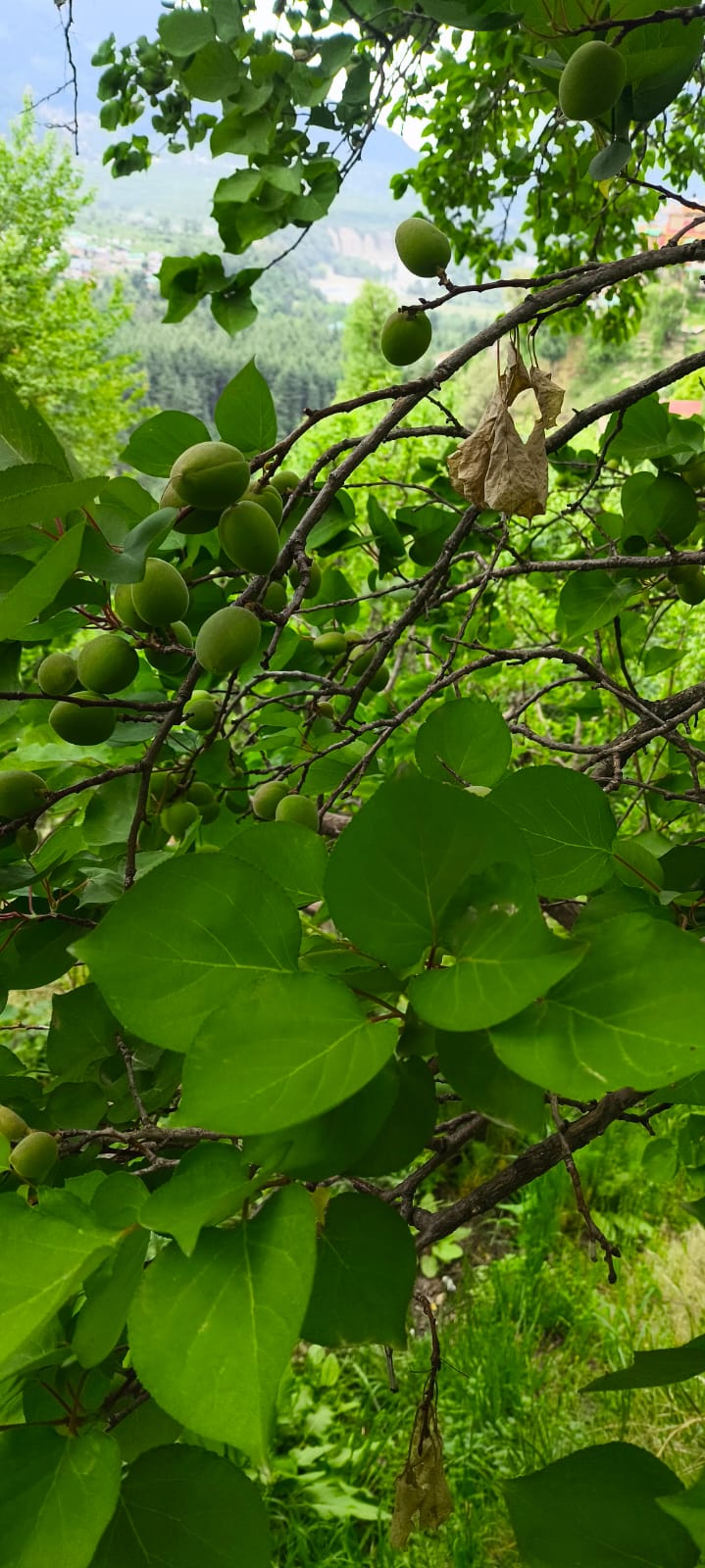
Apricots are the earliest bloomers in the stone-fruit family, and that is both their charm and their curse: a warm week in late winter can coax the blossoms out, and one hard freeze after that can take the whole crop. Plant on a north-facing slope or a spot that stays cool a little longer in spring if your site allows it — delaying bloom by even a few days can save a season. Buy a variety proven in your zone and chill range, not just one with a pretty catalog photo; in warm-winter areas, choose a low-chill type, and in cold areas, choose one bred for late bloom. Plant dormant bare-root trees in late winter or early spring, with the graft union a couple of inches above the soil line. Most apricots are self-fertile, so one tree can fruit alone, though a second variety nearby rarely hurts.
Water & feeding
Deep, infrequent watering while the tree establishes, then steady moisture through fruit sizing. Apricots hate wet feet, so well-drained soil matters more than frequent watering. A mulch ring kept off the trunk holds moisture and keeps the mower away from the bark. A top-dress of worm castings in spring is a gentle, low burn risk way to feed a fruiting tree without pushing a flush of soft growth.
Common problems
- Late spring frost killing blossoms — site selection and late-blooming varieties are the real defense, not blankets on a 15-foot tree
- Brown rot — fuzzy gray mold on ripening fruit; thin for airflow, pick promptly, and remove mummified fruit
- Plum curculio and other fruit-feeding insects scarring young fruit; clean up fallen fruit
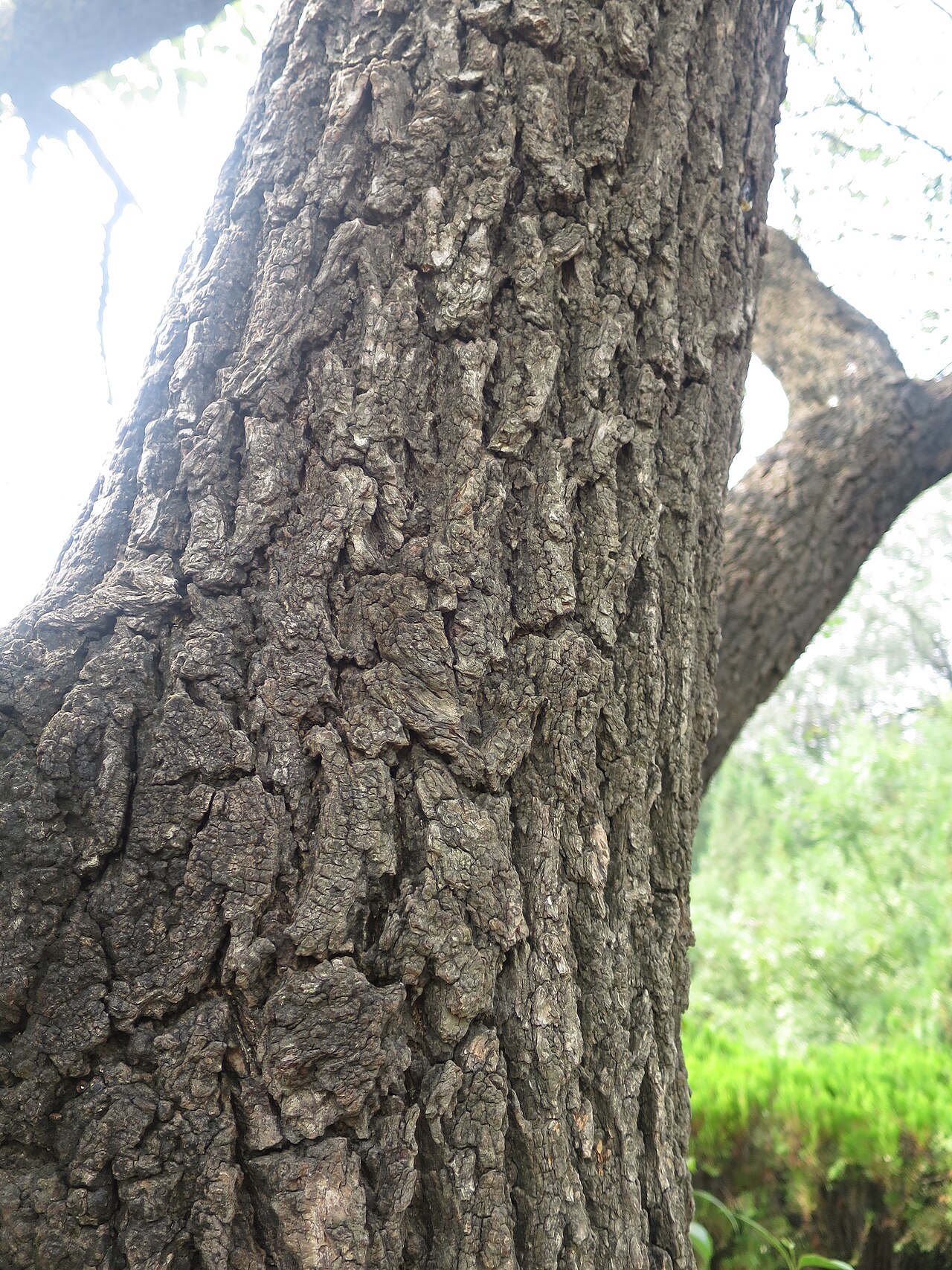
- Bacterial canker in wet, cool springs — prune in dry weather and avoid wounding bark
Harvest
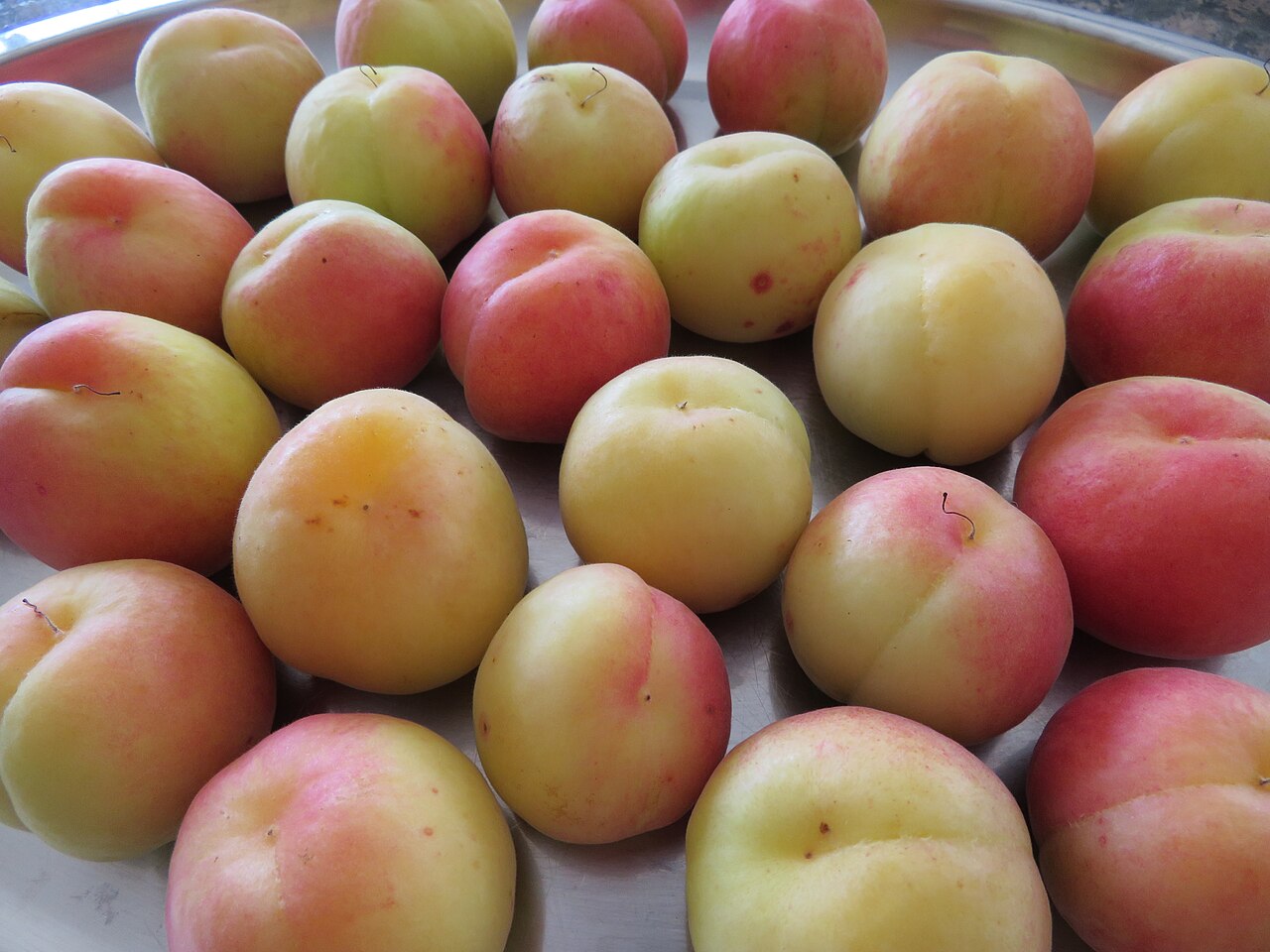
Pick when the fruit gives slightly and the background color has turned fully gold-orange — apricots picked hard and green never develop their perfume. They ripen over days, not weeks, so check the tree daily in season and eat, dry, or freeze the glut fast.
Browse all plant & pest guides
Saving seeds
An apricot pit is a promise wrapped in armor. Inside the hard shell sits a single almond-shaped seed, and that seed, given a proper winter, will happily become a tree. The catch is the same one that shadows every stone fruit: the tree it becomes will not necessarily make apricots like the one you ate. Seedlings shuffle their parents’ genes, so a pit from a superb apricot may give you a good tree, a mediocre tree, or a tree whose fruit makes you question your life choices. Named varieties are kept true by grafting, not by seed. Save seed for the adventure, for rootstocks, and for the chance of raising a tree that suits your own yard better than its parent did. If you want a guaranteed ‘Moorpark’ or any other named variety, buy a grafted tree.
Start with pits from fully ripe fruit, ideally from a local tree, since grocery fruit is often picked underripe and its pits may be immature. Eat the apricot, wash the pit clean of every trace of flesh, and let it dry for a day or two. Flesh left on the pit is an invitation to mold, and mold during the long cold sleep is the most common way this project fails. You may crack the shell gently with a nutcracker to free the kernel, which can speed germination, but it is optional, and a cracked kernel is a damaged kernel, so if you crack, do it carefully and discard any seed you nick. Whole pits work too; they simply take longer to wake up.
Then comes stratification, the artificial winter that breaks the seed’s dormancy. Tuck the pits or kernels into barely damp sand, peat, or a paper towel inside a sealed bag, and refrigerate them. Sources disagree on the duration, with recommendations running roughly one to three months, so plan on the longer end and check every week or so to keep the medium damp but never soggy. Warm spots in the fridge and sopping towels both cause uneven, disappointing germination. When roots appear, or when the chill period is done, sow about an inch deep in a deep pot of well-drained mix, root end down if you can tell which end that is, and keep the pot warm and bright. Germination can take several weeks, and a seedling may take several years to bear fruit, so this is a project measured in seasons, not weekends.
A safety note, stated plainly: apricot kernels contain amygdalin, the compound behind the bitter-almond taste, and bitter kernels in particular should not be eaten in quantity. The seed you stratify is for planting, not snacking. Keep pits and kernels away from children who might mistake them for almonds.
Florida note: apricots are already a marginal crop in much of Florida because most varieties need more winter chill than our winters reliably deliver, so a seedling is a double gamble, on both fruit quality and chill fit. Choose pits from a variety that already fruits well near you, dry any seed you store thoroughly, and keep it airtight with a desiccant packet in a cool, dark place. Florida humidity is the enemy of stored seed, and a damp-stored pit will rot in the bag long before it ever sees a fridge.
Varieties
Every named variety of Apricot with its own growing guide:
- Gold Kist Apricot — The low-chill apricot bred for mild winters: early, sweet-tart, and the apricot most likely to actually fruit where winters are short.
- Blenheim Apricot — The old California canning and drying classic: intensely flavored, fragrant, and the apricot other apricots get compared to.