
🫘 Aquadulce Fava Bean
What it looks like
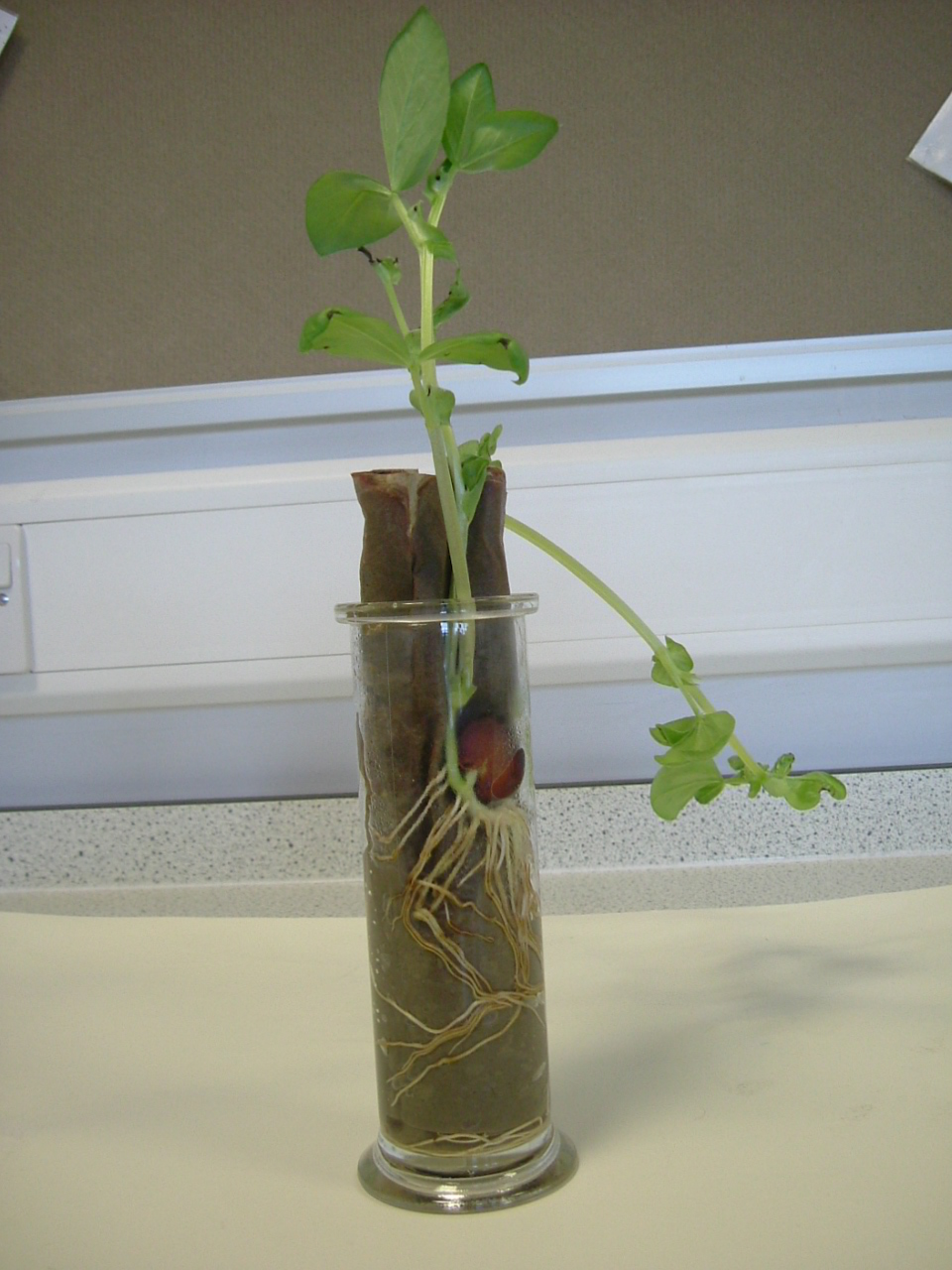
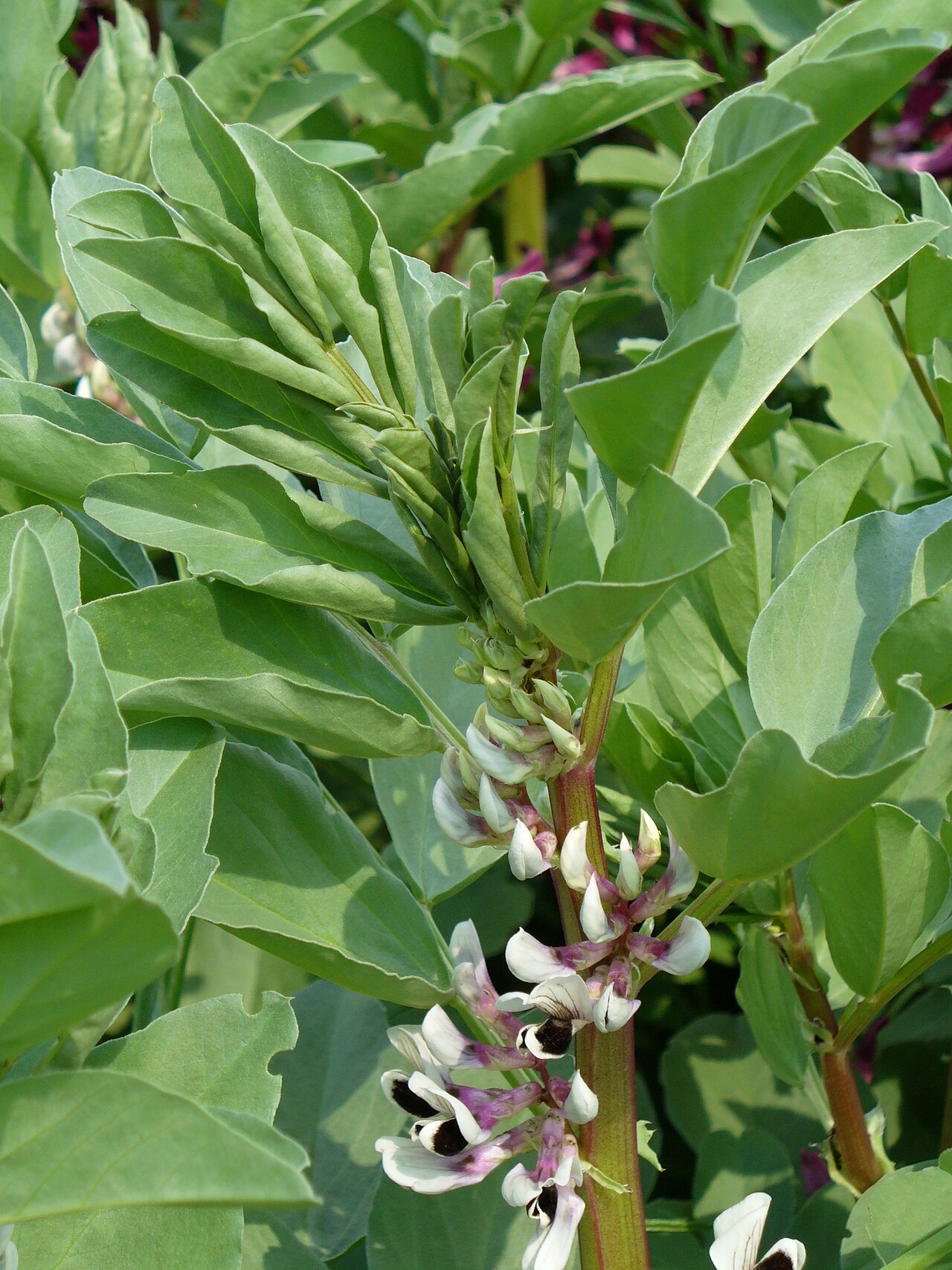
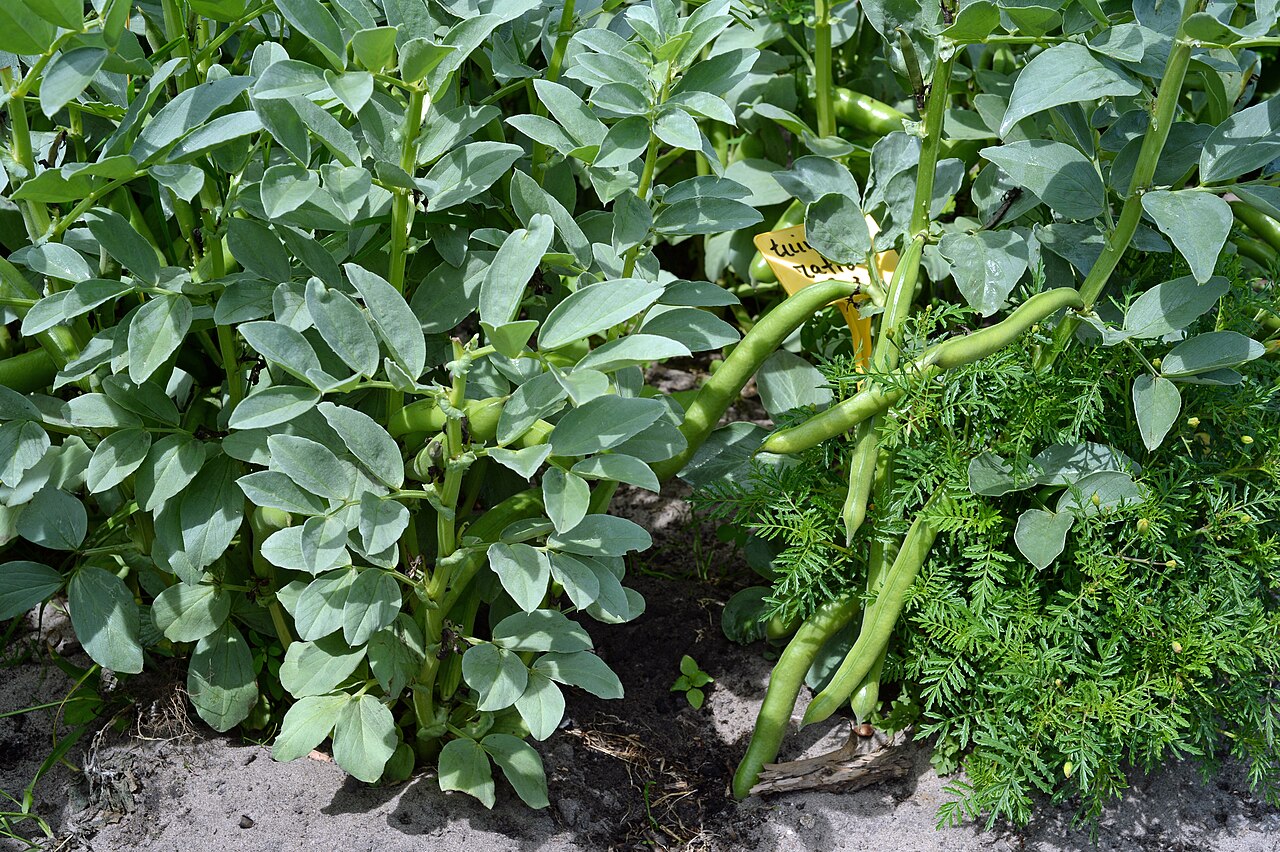
Uploaded by Vinayaraj, CC BY 2.0.
Why this variety
Aquadulce — also sold as Aquadulce Claudia — is the fava for gardeners who want to start earliest and worry least about cold: a Spanish heirloom prized for cold hardiness, productivity, and flavor, producing large, glossy green pods about nine inches long with seven to eight large seeds each. Seed houses list it at 70 to 85 days, and its reputation is built on surviving frosts that would end other favas and still giving a heavy harvest. Plants grow two to five feet tall, upright and vigorous, and the beans are tender, creamy, and excellent fresh, dried, or frozen.
The advantage is timing: Aquadulce can be sown earlier than most favas, which in a cool climate means an earlier harvest, and in a mild climate means a longer, more relaxed season. Its cold tolerance also makes it the fava to try if your winters are uncertain — it shrugs off frosts that make other varieties sulk, and it keeps growing when the weather turns. The flavor is classic fava, rich and nutty, with a tenderness that makes it superb eaten fresh, simply cooked with olive oil and herbs, where a tougher bean would need more help.
If you are new to choosing between cultivars, the Varieties Matter guide explains why the name after the plant matters as much as the plant itself. And if you want the whole clan at a glance, the broader Fava Bean guide covers fava beans generally.
How to grow
Fava beans in Florida are a winter crop, full stop, and that is actually good news: they are one of the few vegetables that genuinely enjoy the months when everything else is sulking. Sow in fall, once the worst heat has passed, and let plants grow slowly through winter, staking them if a windy spell threatens — favas are tall, upright plants, two to four feet, and a top-heavy plant in a winter storm is a fallen plant. They laugh at frost that would kill a tomato, they fix nitrogen all winter, and they flower early, feeding the first bees of spring. The catch is heat: if your favas are still standing when real summer arrives, they will stop setting pods and start complaining, so plan the harvest for late winter and spring, and treat any June pods as a bonus.
Sow in fall where winters are mild, or as early as soil can be worked in spring where they are not, seeds 1 to 2 inches deep and 6 to 8 inches apart in rows 24 inches apart, in full sun and fertile soil. Aquadulce tolerates cold better than most favas, but it still wants cool, not hot, weather — in Florida, fall sowing and a winter harvest are the plan. Stake tall plants, pinch tips once pods set to discourage aphids and encourage fill, water steadily, and mulch to keep roots cool and moist through dry winter spells.
Water & feeding
Favas want steady, even moisture — about an inch a week — and they show drought stress fast, dropping flowers and making tough, small beans. Work worm castings into the bed at sowing, water at soil level, and mulch to keep roots cool and moist through winter dry spells. Skip nitrogen fertilizer, because favas fix their own, and extra nitrogen makes rank, floppy growth that falls over. Once pods start to fill, keep water steady rather than feast-and-famine, because uneven watering is how you get beans of wildly different sizes in the same pod.
Common problems
Black bean aphids love fava tips, so pinch tips and wash aphids off early; chocolate spot and rust appear in wet weather, so air circulation and soil-level watering are the defenses. Heat ends pod set, so do not let a spring sowing run into summer expecting more pods — harvest what set and move on. Root rots follow waterlogged soil, so drainage matters, especially in a wet winter. And as with all favas, note favism: a rare genetic condition makes fava beans unsafe for a small number of people, worth knowing about, not a reason to skip the crop.
Harvest
Pick pods when plump and green, shell fresh beans, and blanch briefly to slip skins for the creamiest result, or leave pods to dry for dry beans that store a year or more. Aquadulce freezes beautifully, so a big spring harvest can be banked for winter soups and stews. Save seed from healthy plants; Aquadulce is open-pollinated, though favas cross easily, so give it space from other fava varieties if you want true seed.
Nerdy fact: Aquadulce’s name hints at its heritage — aqua dulce, sweet water — and old Spanish gardeners grew it precisely because it could be sown early, survive cold, and still give a sweet, tender bean: a variety bred by weather, not by marketing.
Saving seeds
Aquadulce is a Spanish heirloom, so it comes true from seed — save seed from your best pods and let them dry fully before storing. The full method is in the Saving seeds section of the Fava Bean guide.