
💛 Arnica
What it looks like
How to grow
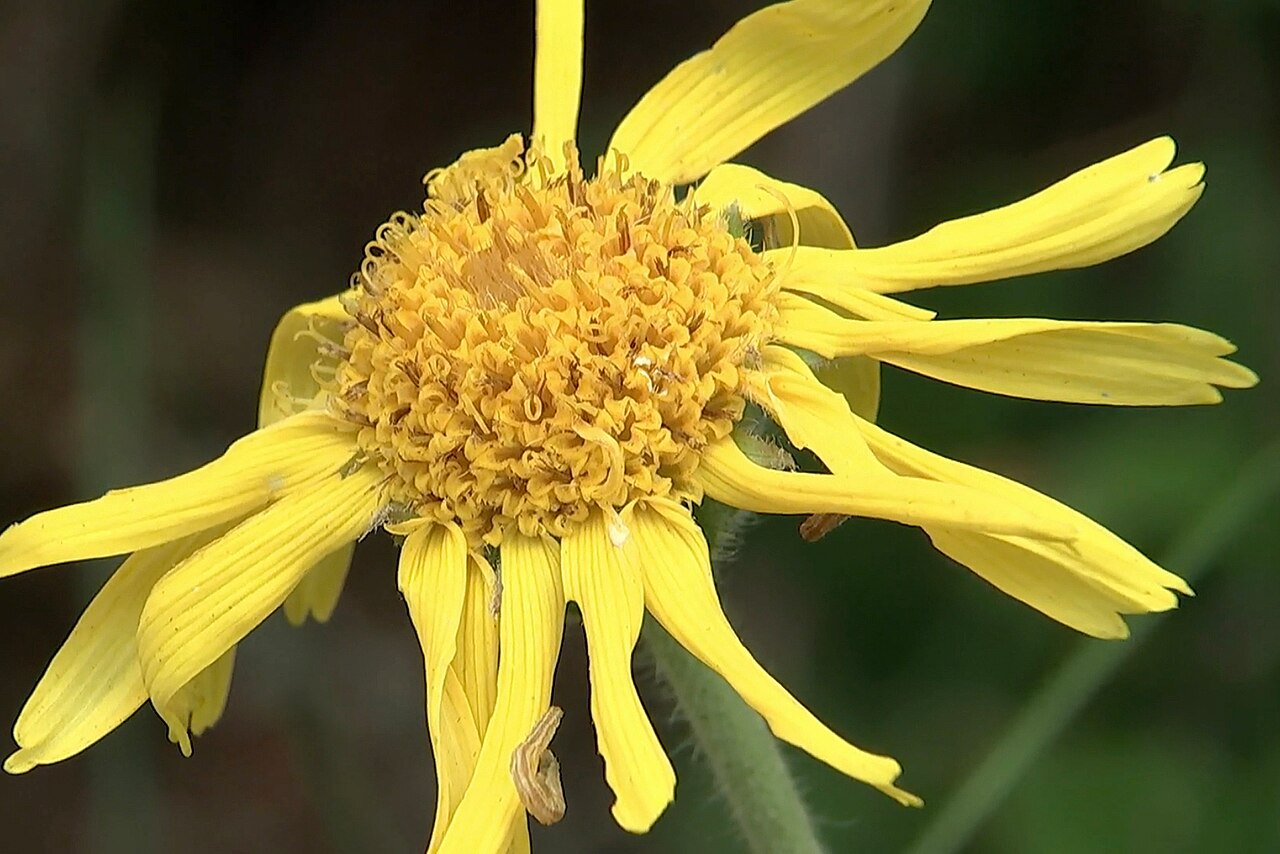
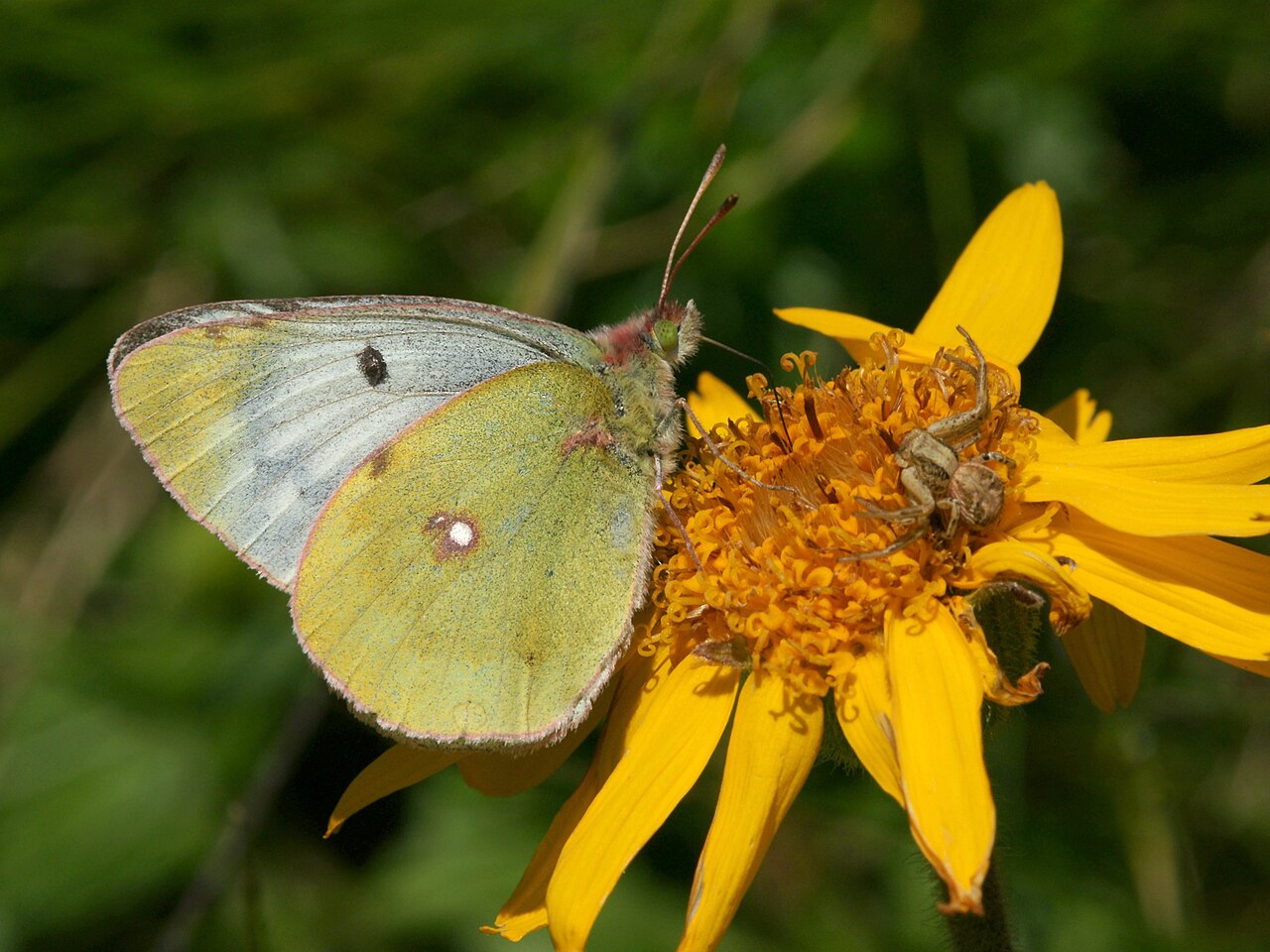
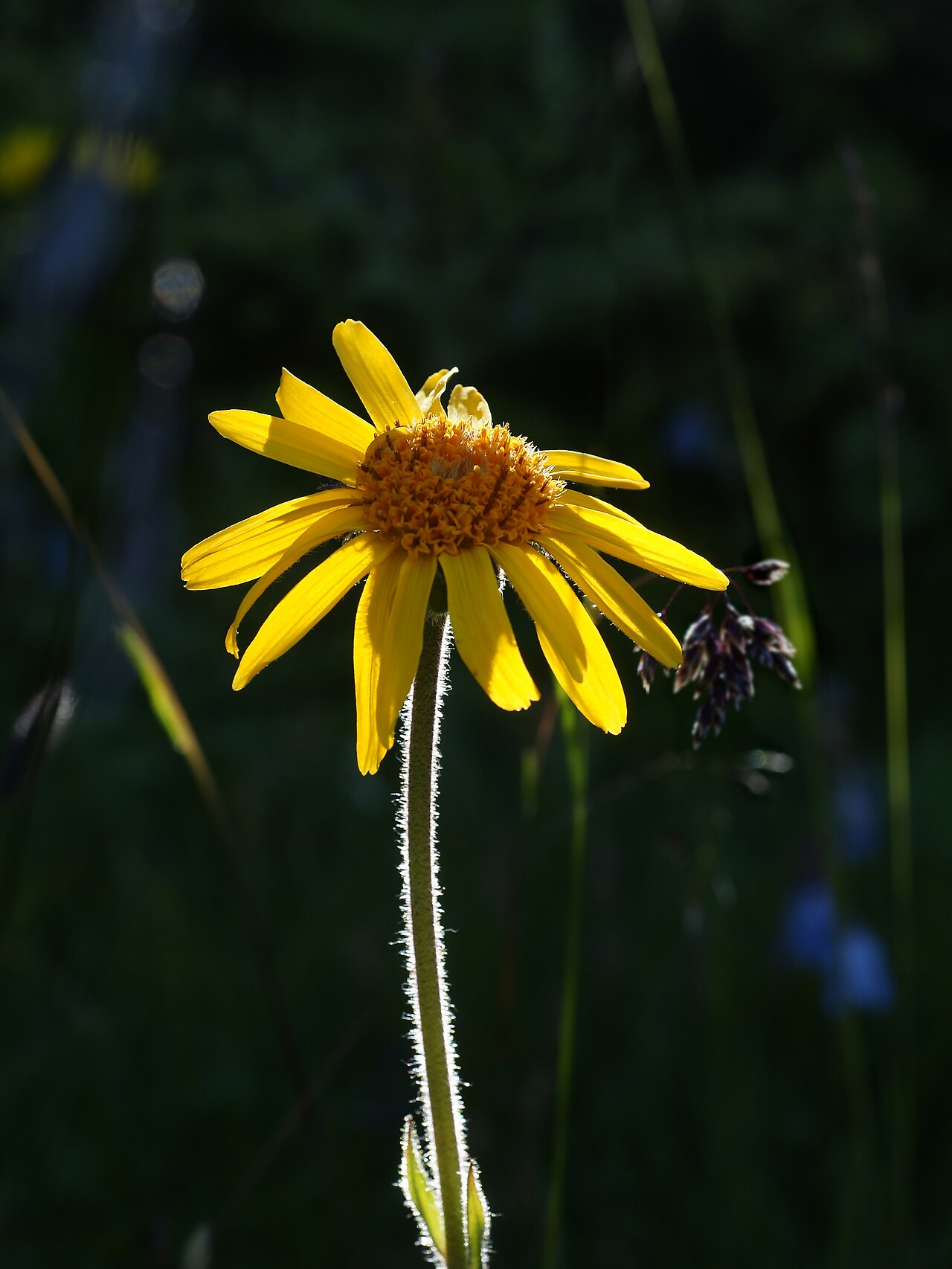
Arnica is a small alpine perennial, 8-20 inches tall, with pairs of oval leaves and bright yellow, daisy-like flowers in summer, native to mountain meadows in Europe. Start from seed indoors in late winter (seed benefits from a cold, moist period) or from divisions in spring, and plant in full sun to part shade in cool climates — arnica wants cool summers and struggles where summers are hot and humid — in gritty, well-drained, slightly acidic soil, like a rock garden or raised bed with gravelly mix. It needs sharp drainage above all else, and wet, heavy soil rots it fast. In the southern US and Florida, honest advice: arnica is a cool-climate experiment, best in a pot with gritty mix in bright shade, and most southern gardeners will have better luck with other daisy-family plants. Where summers are cool, it forms a tidy, slowly spreading patch that bees visit heavily.
Water & feeding
Water moderately until established, then water sparingly — arnica likes steady moisture in cool climates but hates wet feet, so water deeply and let the soil dry between waterings. Feed very lightly, if at all; compost at planting is plenty, and rich soil makes soft growth. Mulch with gravel to keep the crown dry, especially in wet winters.
Common problems
- Heat and humidity — the main limit. In hot climates, grow in bright shade with gritty mix, or skip it for a better-adapted plant.
- Root rot in wet soil — plant in raised beds or rock gardens with sharp drainage, and never let it sit in winter wet.
- Slow establishment — expect a year of modest growth before flowering; do not disturb the roots in the meantime.
- Slugs on young leaves in damp spots — hand-pick at dusk; established plants outgrow minor damage.
Harvest
Cut flowers as they open in summer, drying promptly in a dark, airy place if you want to keep them. Safety note, plainly: arnica is toxic if eaten and should never be taken internally, and it should not be applied to broken skin — its traditional use is as a topical preparation for bruises, and even that can irritate sensitive skin, so this guide is about growing the plant, not about making or using arnica preparations. In the garden, its value is as a bright, alpine daisy for cool, gritty beds, and a reminder that not every pretty flower is a safe remedy.
Browse all plant & pest guides
Saving seeds
First, the safety paragraph, plainly and briefly, because arnica (Arnica montana) demands it: this plant is toxic if eaten. It contains helenalin and related compounds, it should never be taken internally, and it should not be applied to broken skin. Handling the plant can cause contact dermatitis in sensitive people, so wear gloves when you work with it. This section is about saving its seed, not about making or using arnica preparations. Save the seed, admire the daisies, and leave the medicine-making to people qualified to do it.
With that said, arnica seed is a delight to save, if a slightly flaky one — literally. After the yellow daisy flowers fade, each flower head ripens into a dandelion-like puff of seeds, each wearing a tiny parachute of fluff. Wait until the heads are dry and the fluff starts to loosen, then snip them into a paper bag before the wind does your harvesting for you. Rub the heads gently to free the seed, winnow away the fluff, and you have next year’s arnica in a teaspoon.
Fresh seed is best, and arnica is a light germinator, which is a fancy way of saying it refuses to sprout in the dark. Press the seed onto the surface of moist, gritty, well-draining mix and do not bury it — a whisper of vermiculite on top is the most cover it will tolerate. A period of cold stratification helps break dormancy: mix the seed with a little damp sand or peat, seal it in a bag, and refrigerate it. Sources disagree on the exact chill — some say about a month to six weeks, others closer to two months — so a month or two in the fridge is a fair, honest range, and fresh seed sown outdoors as soon as it ripens in summer can skip the fridge entirely and let a real winter do the work. Keep the mix moist and bright but out of scorching direct sun.
Germination is the erratic part of this story. Some seed pops in a few weeks at cool temperatures; some takes its time, and reports of seed dragging on into a second season exist, so don’t throw the tray out in a fit of pique. Prick seedlings out into individual pots when they are big enough to handle, grow them on, and plant out the following spring. Established clumps can also be divided every few years, which is the reliable backup plan if your seed tray decides to be dramatic. Florida note: arnica is an alpine plant that likes cool, gritty beds, so in our heat and humidity, treat seed storage seriously — dry seed thoroughly, store it airtight with a desiccant packet somewhere cool and dark — and give seedlings the brightest, airiest, best-drained spot you have. A finicky alpine daisy in a subtropical garden is a gamble, but a saved seed is a free lottery ticket.