
🫐 Aronia
What it looks like
How to grow
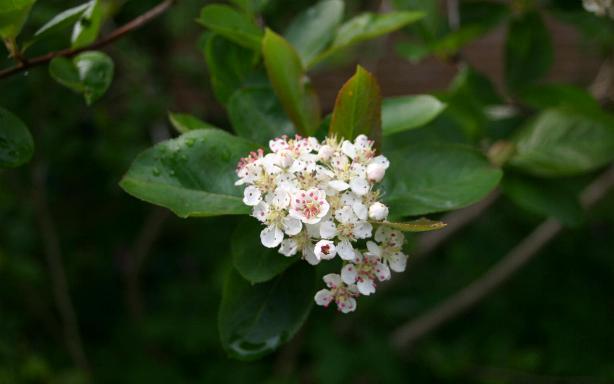
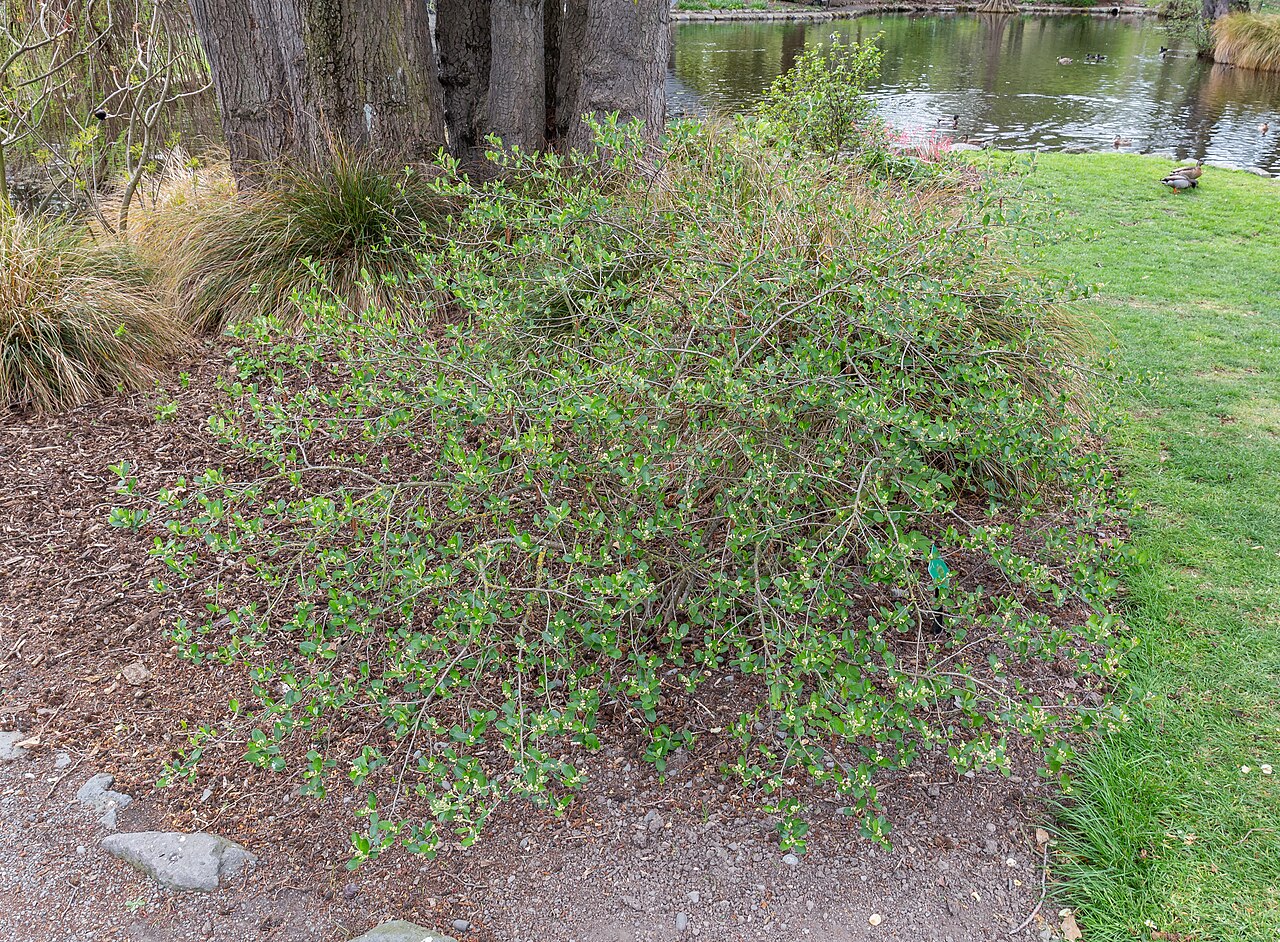
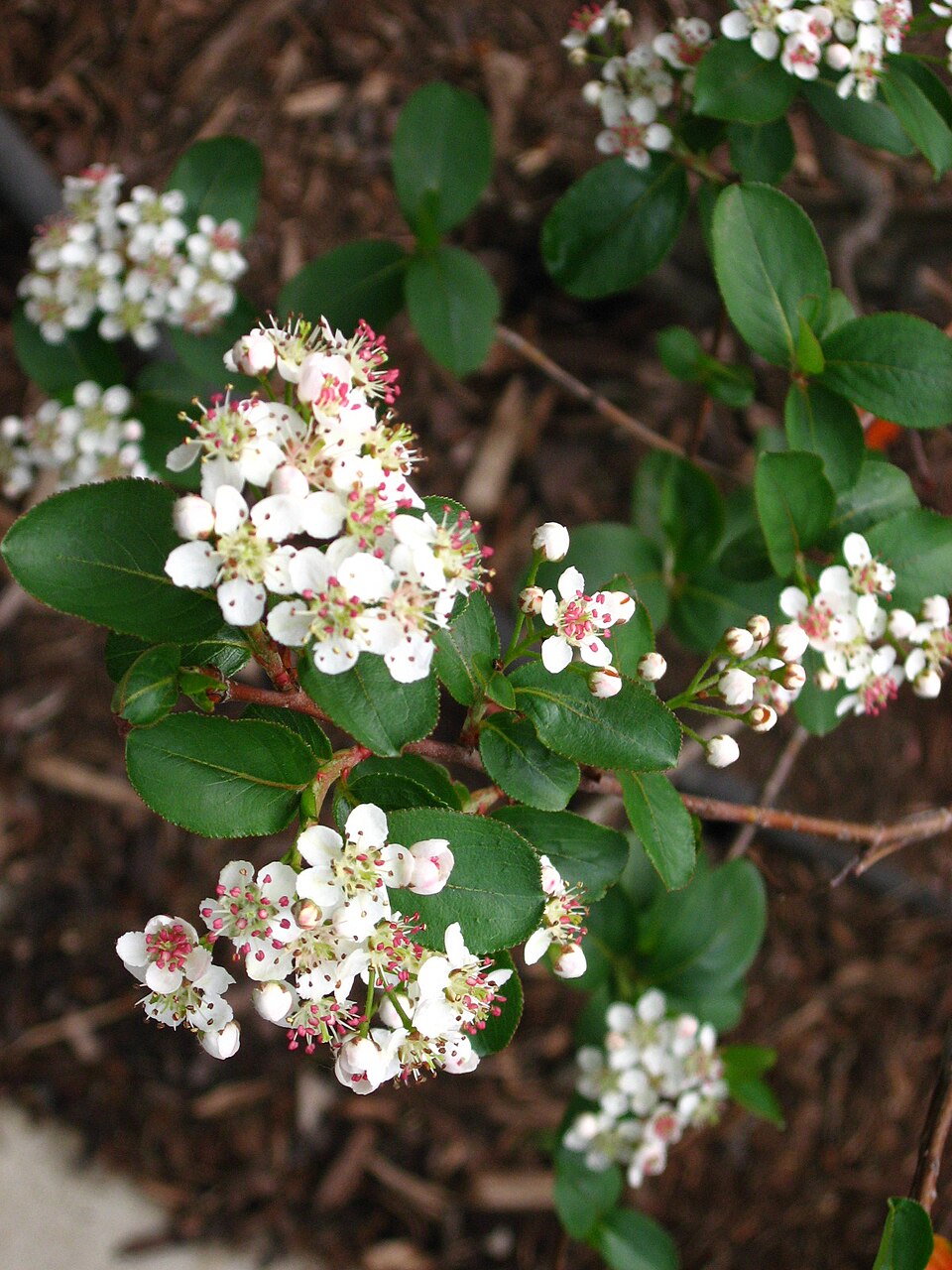
Aronia, sold as chokeberry, is the fruit shrub for gardeners who want a plant that asks for almost nothing: it tolerates wet soil, clay, cold, and neglect, it is self-fertile, and it fruits reliably without spraying. The catch is honest and upfront — the berries are fiercely astringent raw, puckering your mouth like an unripe persimmon’s grumpy cousin. Cooked, juiced, or dried, they are a different fruit entirely: deep, wine-dark, and rich. Plant named varieties (‘Viking’, ‘Nero’) for larger berries, in spring or fall, and prune only to remove dead wood and keep the shrub open. Aronia also doubles as an ornamental — white spring flowers, glossy summer leaves, and blazing fall color — so it earns its space even in a month when you are not harvesting.
Water & feeding
Water during establishment; mature plants tolerate both wet and moderately dry soil, a rare combination. Mulch to suppress weeds and hold moisture. Aronia needs little fertilizer — an annual compost mulch is plenty, and overfeeding produces leggy growth.
Common problems
- Astringency disappointment — nobody told the first-time grower not to eat them raw; cook or juice them
- Birds — less of a problem than with sweet berries, since birds also find them astringent, but they still take some
- Few serious pests or diseases — one of the lowest-maintenance fruit shrubs available
- Suckering — the shrub spreads slowly by suckers; remove them if you want a tidy form
Harvest
Pick when the berries are fully black and soft, usually late summer into fall — a taste test will confirm they are still astringent raw, and that is normal. Juice them, cook them into sauces and jams, dry them, or freeze for smoothies; heat and sugar are what unlock the flavor.
Browse all plant & pest guides
Saving seeds
Aronia (Aronia melanocarpa for black chokeberry, Aronia arbutifolia for red) is one of those shrubs that practically begs you to save its seed — it drops fruit, the fruit sprouts, and before long you have volunteers. But doing it deliberately is easy, and it starts with very ripe berries in late summer or autumn. Mash them in a bowl of water, or blitz them briefly with water and let the pulp ferment for a few days, stirring now and then. The good seed sinks while the pulp floats, so pour off the pulp, rinse the seed clean, and spread it out to dry thoroughly. Do not skip the drying: pulp left on the seed invites mold, and mold is the end of the story.
Then comes winter, real or simulated. Aronia seed has internal dormancy that only a long chill breaks. Mix the clean seed with damp peat or sand in a sealed bag and refrigerate it. Sources disagree on the exact sentence — some say about a month, others two to three months, others three to four — so plan on two to four months of cold, moist chilling and sow when spring arrives. Sow shallowly, no more than about a quarter inch deep, in a well-draining mix, keep it moist but not soggy, and expect germination to take weeks to a few months. Seedlings grow slowly at first; pot them up when they are big enough to handle and grow them on for a full season before planting out, and expect field-ready shrubs more like two-year-olds than one-year-olds. Patience is part of the chokeberry contract.
Here is aronia’s party trick, and it breaks the usual seed-saving rule in the best way. Open-pollinated seed generally grows true, while seed from F1 or hybrid varieties will not — but many named aronia cultivars, including Viking and Nero, reproduce largely true from seed anyway, thanks to apomixis, the plant’s habit of making seed without fertilization. That is why nursery growers can raise cultivar seedlings from seed with confidence. It is not a blanket guarantee — seedlings from a hybrid parent may still vary — but aronia is far more forgiving than most fruit shrubs. If you want an exact clone with zero suspense, though, take cuttings or dig a sucker: suckering is aronia’s other great talent, and a rooted sucker is the parent plant, full stop.
Florida note: our humidity is the enemy of stored seed, so dry aronia seed until it is truly dry, then store it airtight with a desiccant packet, cool and dark, until chilling time. And label the bag — tiny brown aronia seeds look exactly like every other tiny brown seed by February, and future you is counting on present you.
Varieties
Every named variety of Aronia with its own growing guide:
- Viking Aronia — The vigorous Swedish workhorse — big bushes, big crops, berries built for juice and jam.
- Nero Aronia — The compact Czech selection — Viking's crop on a smaller, garden-friendlier bush.
- McKenzie Aronia — The big conservation selection — taller, tougher, and bred for the long haul.