
🍒 Ashwagandha
What it looks like

How to grow
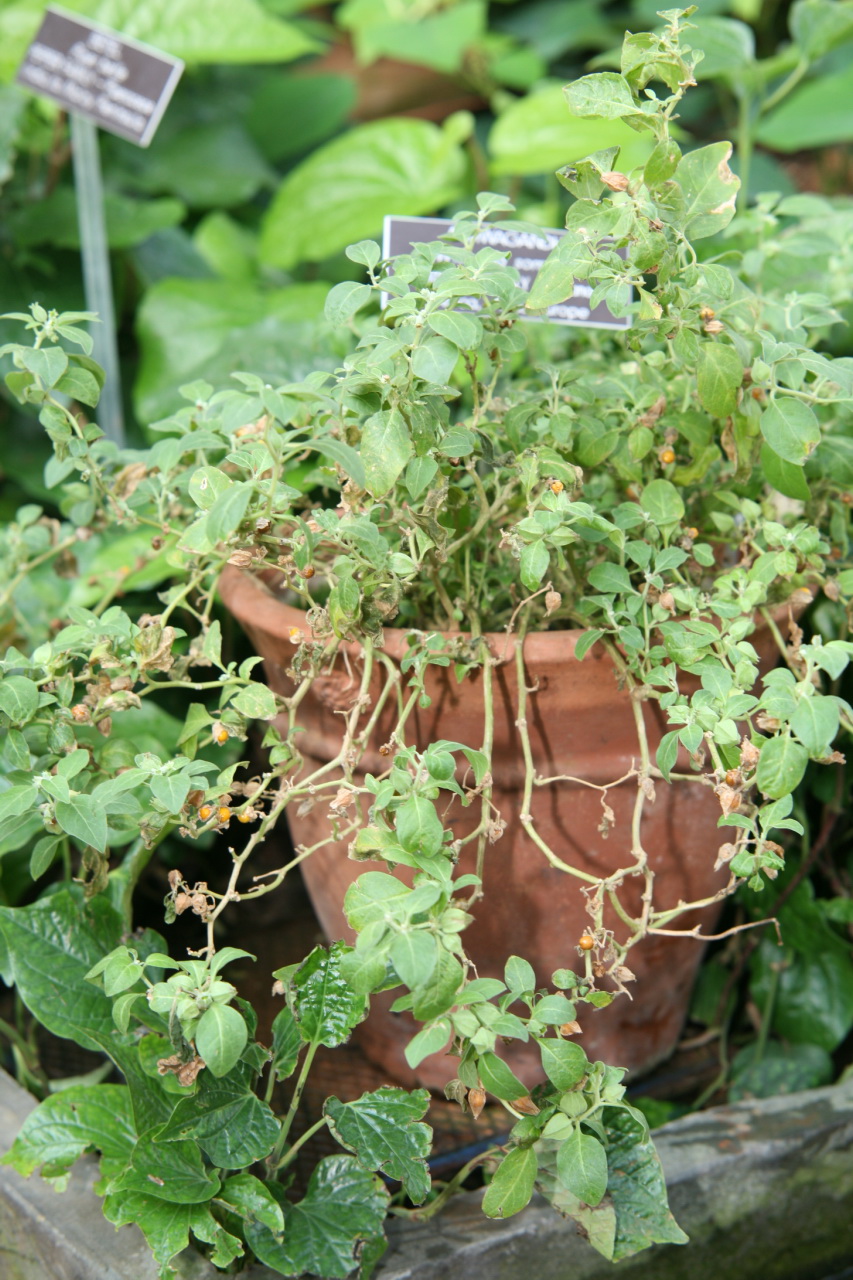
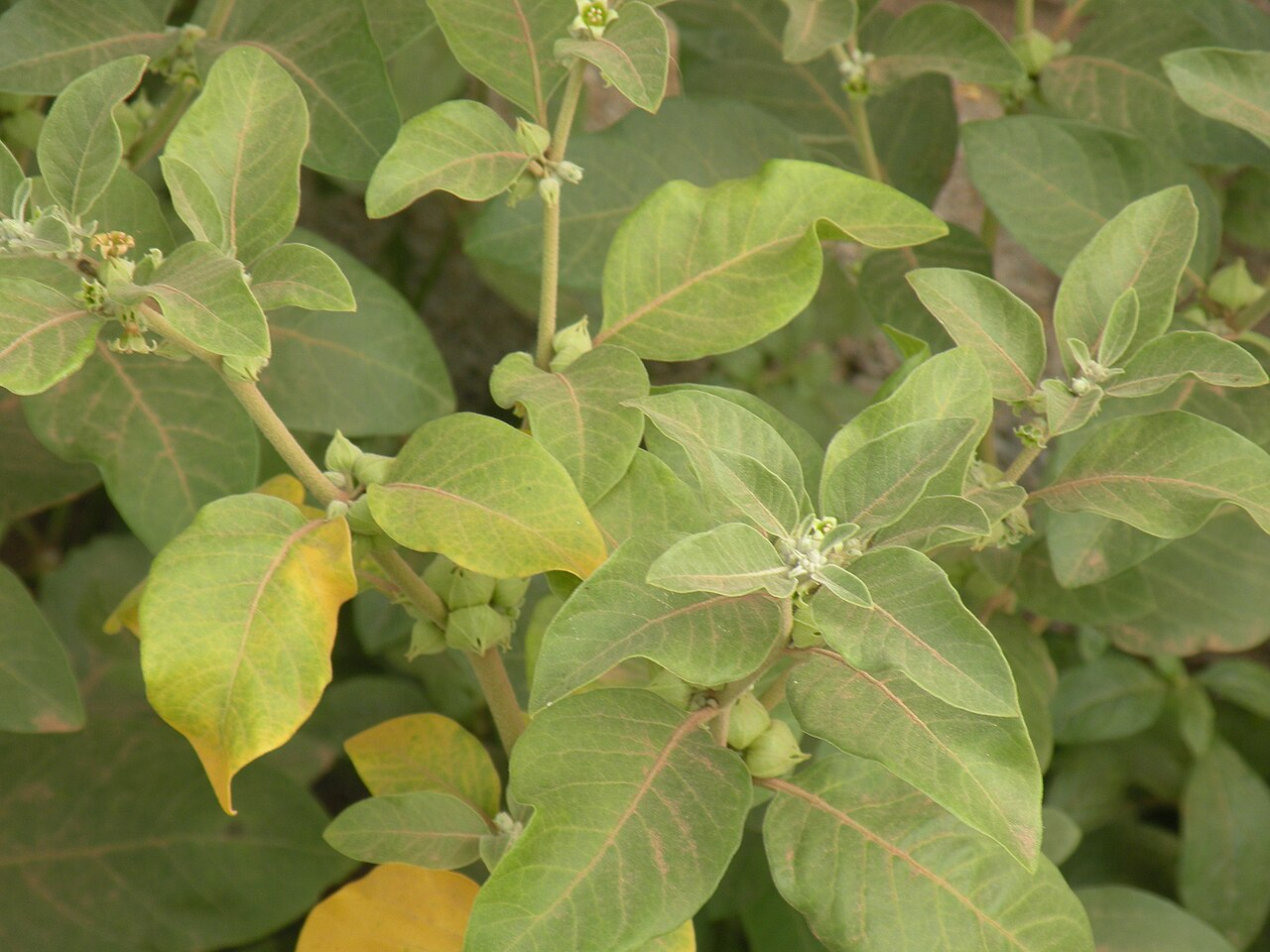
Ashwagandha is a low, branching shrub, 2-3 feet tall, with soft, velvety leaves, small greenish-yellow bell flowers, and bright orange-red berries in papery husks that look like tiny tomatillos — it is a nightshade cousin, after all. Start seed indoors 6-8 weeks before last frost and transplant only after nights stay reliably above 55-60°F; it does not tolerate frost at all. It wants full sun, warmth (best growth between about 70-90°F), and sandy or loamy soil that drains sharply — wet feet rot it fast. In zones 8-11 it can overwinter as a short-lived perennial; everywhere else, treat it as a summer annual and give it the hottest, sunniest spot you have, in the ground or in a large pot. It is drought-tolerant once established and actually resents pampering.
Water & feeding
Water moderately while establishing, then let the soil dry between waterings — ashwagandha prefers drier conditions to constant moisture, and overwatering is the fastest way to kill it. Feed very lightly, if at all; compost at planting is enough, and excess nitrogen gives leafy plants with poor roots. Mulch lightly to keep roots warm, but keep mulch off the stem, and stop watering as roots approach harvest so they dry down cleanly.
Common problems
- Frost — one cold night ends the season; start indoors, transplant late, and harvest before first frost in cold zones.
- Root rot in wet soil — plant in raised beds or pots with gritty, fast-draining mix and never let pots sit in saucers of water.
- Flea beetles and aphids — usually minor; row cover early in the season and a water blast handle most outbreaks.
- Short seasons — in cool climates, start early indoors and choose the sunniest microclimate; roots need a full hot summer to size up.
Harvest
Dig roots at the end of the season, after berries ripen and before frost, by loosening the whole plant with a fork and pulling it up. Wash roots, cut them into pieces, and dry thoroughly until brittle before storing. This guide covers growing only: ashwagandha is a potent traditional Ayurvedic herb, and because it can interact with thyroid, sedative, and other medicines, any medicinal use deserves a clinician’s input first — enjoy it as a garden plant and a conversation piece about nightshades. Save a few berries for seed, drying the red fruits and storing seed cool and dry.
Browse all plant & pest guides
Saving seeds
Ashwagandha (Withania somnifera) hides its seed inside a tiny red lantern show. After the small greenish flowers fade, each fruit swells into a pea-sized red-orange berry tucked inside a papery, lantern-like husk, much like its nightshade cousins. Wait until the berries are fully red and the husks have dried and turned papery — that drying husk is the plant’s own announcement that the seed is ready. Pick whole clusters, dry them a few more days in a shaded, airy spot, then crush the dried berries and rub the seed free, rinsing away the pulp and drying the seed thoroughly before storing.
One safety note, plainly: ashwagandha is in the nightshade family (Solanaceae), and those bright little berries are not snack food. Don’t eat them. This section is about growing the plant from its seed, not about eating or using any part of it, and the berries’ job in your garden is to become next year’s plants, not this year’s nibble.
Sowing is refreshingly undramatic — no stratification, no scarification, no winter simulation required. Sow shallowly, about a quarter to a half inch deep, in warm soil around 70°F, and keep the mix evenly moist but not waterlogged. Start indoors a couple of months before your last frost, or direct sow after all frost danger has passed. Germination is usually quick, roughly one to three weeks in warm conditions, though a cool spell can slow it down. Thin seedlings to give each plant room — these shrubs want space to bush out — and give them the hottest, sunniest, best-drained spot you have. Ashwagandha is a heat lover that sulks in wet feet, which makes it a natural fit for a Florida garden, where it is generally grown as an annual even though it is a perennial shrub in warmer, drier parts of the world.
Seed-saving honesty is simple here. Ashwagandha is typically grown from open-pollinated seed, and a single plant will usually set plenty of seed on its own, so you don’t need a crowd of plants or heroic isolation distances to get viable seed. Seed saved from open-pollinated plants grows true to type, while seed from any F1 or hybrid variety would not — so save from plants whose variety you know, or simply from a good, vigorous plant you liked. Dry the seed thoroughly before storing — Florida humidity will happily mold half-dried seed — and keep it airtight with a desiccant packet, cool and dark. One plant’s worth of berries gives you far more seed than one garden needs, which makes ashwagandha seed one of the nicest things to share: a pocketful of red lanterns, turned into a pocketful of next year’s shrubs.