
🌿 Chinese Violet
What it looks like
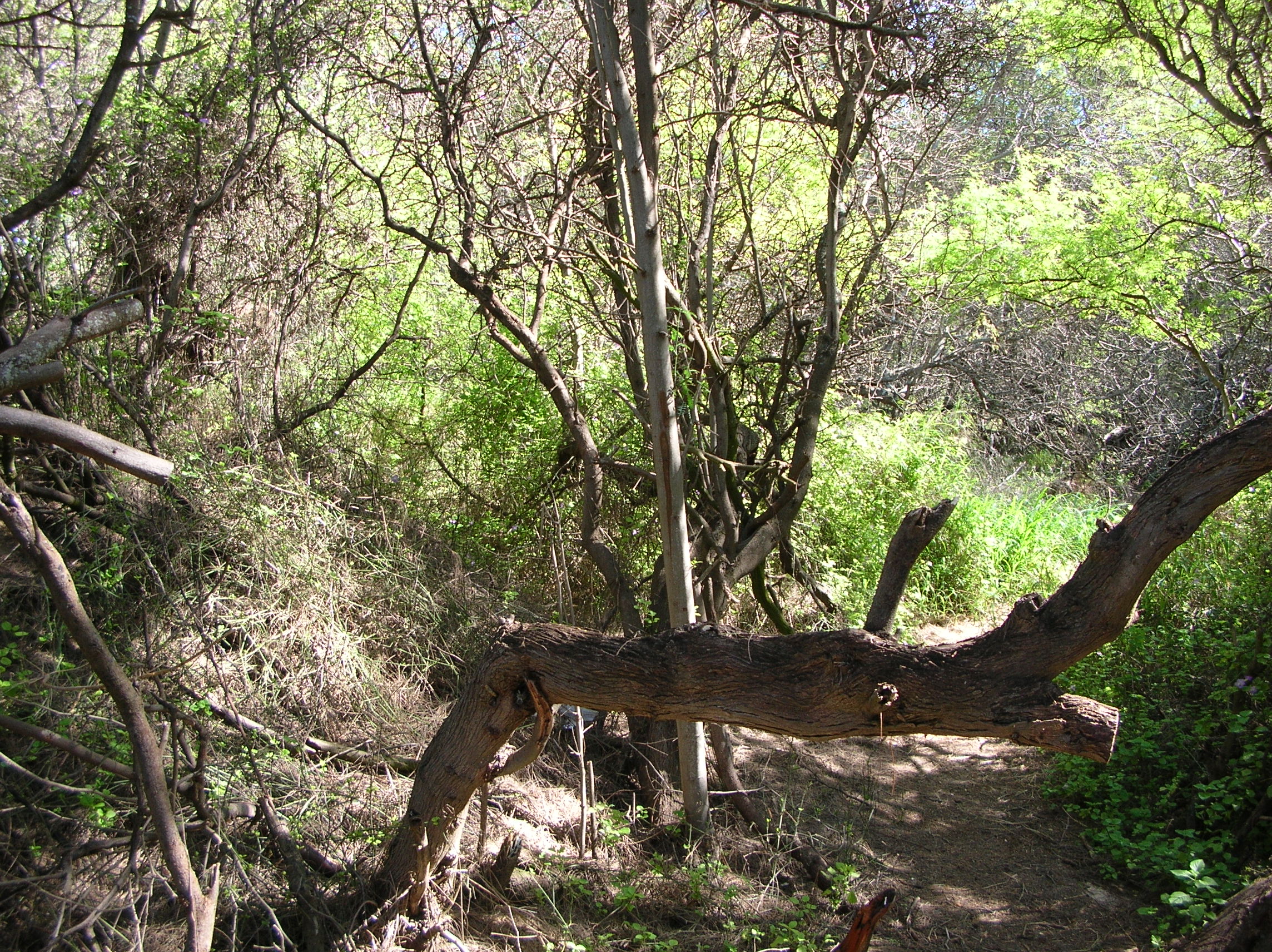
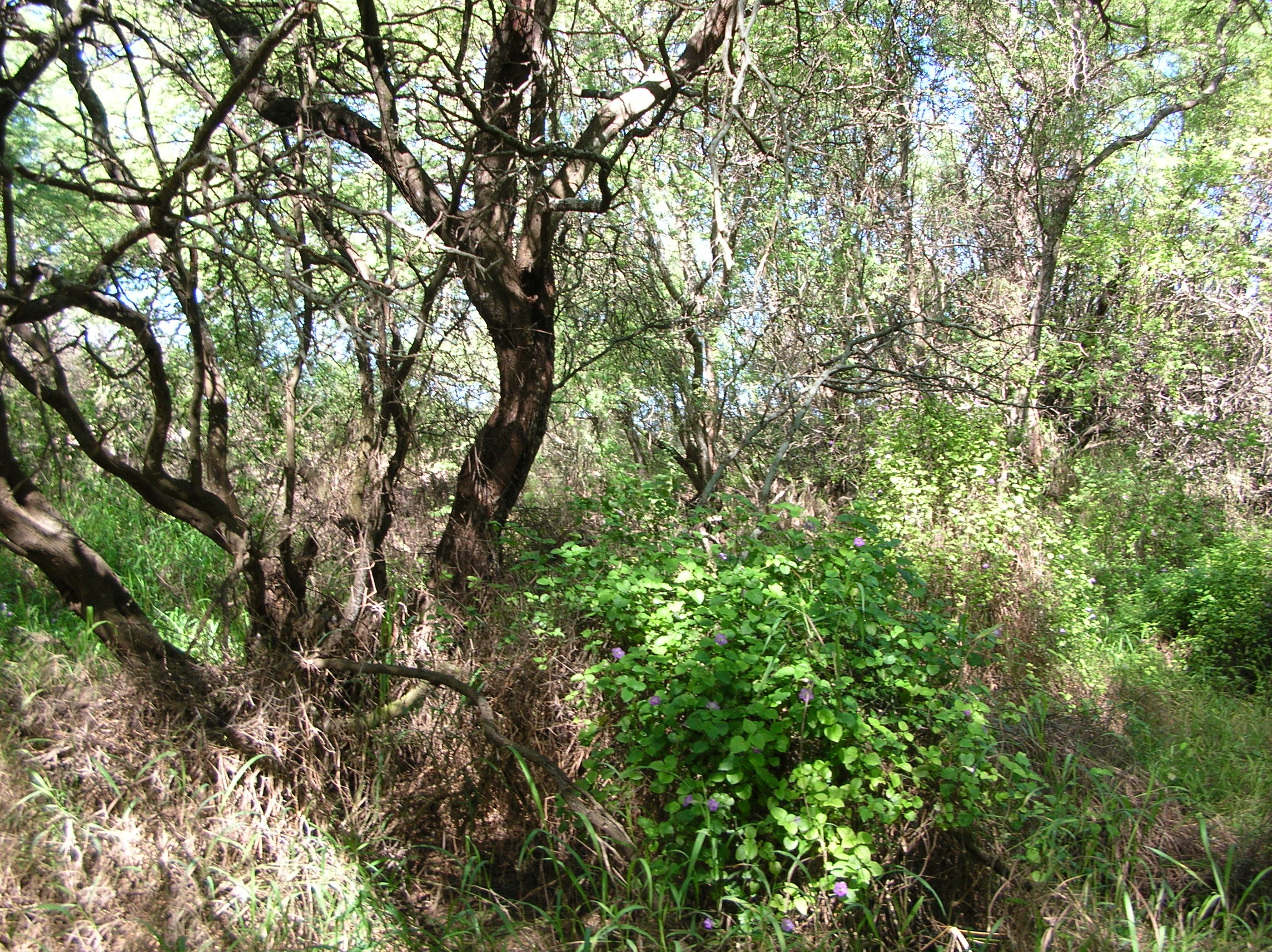
Chinese violet is not a violet. It is not a foxglove either, even though one of its common names is creeping foxglove, and it is not a primrose, even though another is Ganges primrose. It is an acanthus-family plant — Acanthaceae, the family of bear’s breeches, shrimp plants and justicia — and its real name, Asystasia gangetica, tells you more than any of its nicknames: Asystasia is the genus, a tropical genus of roughly 59 accepted species, and gangetica points to the Ganges, to the Indian subcontinent at the heart of its range. The other common names pile up around it — coromandel, after the Coromandel Coast of India, and in South Africa simply asystasia — and each one is a clue to how widely this plant has travelled, and how many people have had a reason to name it.
In habit it is a spreading herb or groundcover, reaching about 600 millimetres in height, or up to about 1 metre if supported, with weak, trailing or sprawling stems that run along the ground or scramble over surrounding vegetation — one account puts scrambling stems at up to 3 metres tall, which is the difference between a groundcover and a smothering vine, and it is a difference this plant crosses without asking permission. The leaves are green, opposite, and soft-looking, and the flowers are the reason anyone plants it on purpose: trumpet-shaped, white to bluish-purple, with dotted throats, in the larger-flowered subspecies gangetica about 30 to 40 millimetres long, blue or mauve, blooming from spring to fall. They do look a little like foxglove flowers, which is where creeping foxglove comes from, and they come in quantity — a healthy patch throws up trumpets by the dozen, which is why it photographs so well and why it is so easy to underestimate.
The fruit is the part that explains the weed problem. It is an explosive capsule, green at first, drying to brown after opening, and when it ripens it fires its seeds out via hooked retinacula — little spring-loaded hooks that fling the next generation away from the parent plant. A plant that flowers for months, sets seed constantly, and fires that seed away from itself is a plant that does not stay where you put it, and Chinese violet does not. It is native to tropical Africa, Arabia and tropical Asia, and it has been introduced and naturalised in many other tropical regions, where it is often a weed of disturbed ground, roadsides, riverbanks and plantation agriculture — and in Australia it is photographed smothering rainforest understory, which is the photograph that should sit next to every nursery listing for this plant.
The butterfly connection is the reason this guide exists. In the Mimic butterfly guide, the host-plants section says the caterpillars feed on a range of low tropical plants, including Asystasia gangetica and Asystasia lawiana, plus barleria, justicia, morning glory, abelmoschus, abutilon, hibiscus, sida and purslanes — mostly acanthus-family and mallow-family herbs and shrubs of disturbed tropical ground, roadsides and gardens. Chinese violet is therefore a named host of a tropical butterfly, and that is the context in which to understand it: a low tropical plant, feeding a tropical caterpillar, in ground that humans have already disturbed. In Florida, where the Mimic butterfly is only a stray, the plant’s role is different — it is present in the state as an introduced plant, photographed in Palm Beach County, and it is a plant to recognise and contain, not a plant to scatter hopefully in a butterfly garden.
How to grow
Start with the honest warning, because it comes before the planting advice and it changes the decision. Chinese violet is an aggressive tropical weed as well as a pretty groundcover, and in Florida and the wider tropics it should be treated as a plant that escapes, not a plant that stays. Do not plant it in the ground near natural areas, do not let it seed freely, and do not compost seed-bearing material where it can sprout. The responsible way to grow it, if you grow it at all, is contained: a pot, a hanging basket, or a bed you are prepared to police, with seed heads removed before the explosive capsules fire. If that sounds like more work than a groundcover should be, that is because it is — and a gardener who wants a purple-flowered tropical groundcover without the rap sheet has better options that do not smother rainforest understory.
Where Chinese violet is a sensible planting — a frost-free tropical garden, contained, with a gardener who will deadhead it — give it full sun to shade and ordinary, well-drained tropical soil. Nursery descriptions describe it as fast-growing, heat- and humidity-tolerant, blooming from spring to fall, about 1 foot tall and spreading 2 to 3 feet, and attracting butterflies. That matches the plant’s own biology: it is a tropical plant that wants warmth, moisture and light, and it will sulk or die back in cold. It is perennial only where frost does not reach it, and the zone 8 to 10 figure in nursery listings should be read as a nursery figure, not a flora figure — it means warm, and warmer still, and it does not mean a plant that will shrug off a real freeze.
Plant from cuttings or nursery stock in warm weather, after any risk of cold has passed, and water it in well. It establishes fast — that is the point, and also the problem — and once it is running it needs little encouragement. Do not fertilise heavily: a fast plant in rich soil with plenty of water is a plant that will outgrow its bounds in a season, and the goal with Chinese violet is restraint, not vigour. If you want it to fill a pot quickly, a light feed and regular water will do it; if you want it to stay in a bed, lean soil and a watchful eye will do more good than any fertilizer.
Propagation is almost too easy, which is another way of saying it is a weed. Stem cuttings root readily, and the plant layers itself where stems touch soil — which is how a groundcover becomes a patch, and a patch becomes a problem. If you propagate it, do it in a pot, and do not share rooted cuttings without telling the recipient what the plant does when it escapes. A plant that is honest about its habits is a plant a gardener can manage; a plant passed along as a pretty purple flower with no warning is how invasions start.
Water & feeding
Water Chinese violet the way the tropics water it: regular moisture, soil that drains, and never a swamp. Through the first season, water when the top of the soil has dried out, wetting the root zone thoroughly. Once established it tolerates heat and humidity well, and it will survive drier spells, but it looks its best — and flowers most — with steady moisture. In a pot, the rule is simpler: water when the pot feels light, and never let it sit in a saucer of water, because a tropical plant in standing water is a plant auditioning for root rot.
Feeding is light. Chinese violet grows in ordinary tropical soils without coddling, and heavy fertilizer produces exactly what you do not want: more growth, more flowers, more explosive seed capsules, more escape. A light, balanced feed in the growing season is plenty for a potted plant, and a plant in the ground needs little or none. If a plant looks hungry, check the water and the light first — a Chinese violet in shade with wet feet will look miserable no matter what you feed it, and the fix is sun and drainage, not fertilizer.
Pruning is the management tool, and with this plant it is not optional. Cut back sprawling stems before they layer and root, remove spent flowers before the capsules ripen and fire, and keep the patch inside its bounds. Do not put seed-bearing prunings in open compost: the capsules can still fire, and the seeds can still sprout. Bag them, bin them, or hot-compost them — and treat a patch you have stopped pruning as a patch you have released, because that is what it is.
Common problems
- Escape and invasion. The defining problem. Chinese violet naturalises aggressively in the tropics, smothers understory, and spreads by explosive seed capsules and layering stems. Grow it contained, deadhead before seed ripens, and never plant it near natural areas.
- Cold. It is a frost-free tropical plant. A real freeze will damage or kill it, and the zone 8 to 10 nursery figure is not a promise — in marginal zones, grow it in a pot you can shelter.
- Root rot in standing water. Tropical does not mean swampy. Saturated soil rots the roots; prevention is drainage, a pot with holes, and a site that never ponds.
- Mistaken identity. Chinese violet is not a violet (Viola), not a foxglove (Digitalis), and not a primrose (Primula), despite its common names. If a guide or a nursery tag calls it by one of those names, check the Latin: Asystasia gangetica.
- It is not the whole Asystasia host list. A scoping note: the Mimic guide also names Asystasia lawiana as a host, and that is a different species, not covered by this guide. Do not fold lawiana into gangetica because they share a genus and a butterfly.
- It is not a Florida garden recommendation. Chinese violet is present in Florida as an introduced plant, and the Mimic butterfly is only a stray in the state. Planting this species to attract a butterfly that barely visits Florida, at the cost of an escaping groundcover, is a bad trade, and this guide does not recommend it.
Harvest
The harvest from Chinese violet is leaves, in the places where it is a traditional food, and butterflies, in the sense that matters to this project. Across West Africa and Southeast Asia its leaves and young shoots are eaten as a cooked vegetable — a pot herb, often mixed with beans, groundnut or sesame paste, and sold in local markets during the rainy season — and it is also used widely as a traditional medicinal herb, sold in Chinese medicine shops in Southeast Asia. This guide reports those uses; it does not prescribe them, and it does not claim a medicinal effect for any condition, because a food tradition is not a prescription and a traditional use is not a tested dose.
The real harvest, for the reader of a butterfly project, is ecological and cautionary at once: Chinese violet feeds the caterpillars of the Mimic butterfly in the tropics, where it grows among the disturbed-ground herbs and shrubs that butterfly depends on — and it also feeds the lesson that a butterfly host is not automatically a good garden plant. A host in its native range, in a landscape it belongs to, is a gift; the same plant carried to a new tropics, where it smothers the understory, is a problem. The closed loop this project is about — plant, caterpillar, butterfly, soil — only works when the plant belongs where it is planted, and Chinese violet belongs in the tropics it came from, contained where it did not.
If you grow it, harvest the flowers for the vase and the leaves for the pot only where the plant is already established and contained, and harvest the seed heads most of all — before they fire. A basket of cut trumpets, a pot of cooked greens, and a patch that stayed where you put it: that is the honest harvest from a plant that will give you all three, and take a whole hillside if you let it.
Saving seeds
Here is the honest truth about saving seed from Chinese violet: the plant is already better at it than you are, and that is the problem. Asystasia gangetica is listed as a Category II invasive species in Florida and is not recommended by UF/IFAS for planting in home landscapes — it escaped cultivation here decades ago and now grows wild in natural areas. It flowers and sets seed astonishingly fast, sometimes within about six weeks of germinating, and each plant can produce hundreds of capsules. The capsules split explosively when ripe, flinging their four flattened seeds a meter or two from the parent, and every stem node that touches moist soil can root and start a new patch. Saving its seed is easy. Keeping it where you put it is the actual skill.
If you already grow it and want seed for your own contained use, watch the capsules, not the flowers. They start green and elongated, then turn brown and dry — that color change is your narrow window. Bag the capsules before they pop: slip a small paper bag or fine mesh bag over the stem, or snip whole stems just as the capsules brown and finish drying them indoors in a closed paper bag, where the explosive dehiscence happens safely inside the bag instead of across your garden. Four seeds per capsule is the usual count, and they are small, flat, and cream to brownish-black. Dry them thoroughly — Florida humidity will happily mold a half-dried seed lot — then store them cool, dark, and airtight with a desiccant packet. Sow shallowly in warm, moist mix; germination is generally quick in warm weather, which should surprise nobody given how fast this plant volunteers.
Now the part that matters more than the technique. Do not scatter this seed, do not share it casually with neighbors, and never dump trimmings, pulled plants, or spent stems where they can root — stem fragments root at the nodes, so careless disposal is how new infestations start. Bag all garden waste from this plant and trash it rather than composting it. Deadhead relentlessly if you want to enjoy the flowers without feeding the seed bank, because every capsule you let ripen is a small act of landscaping vandalism against the nearest natural area. If containment sounds like more trouble than the flowers are worth, that is a reasonable conclusion, and replacing it with a well-behaved native groundcover is the move a responsible Florida gardener makes. Seed saved from your own plants will generally resemble the parent, since this is a species rather than a hybrid, but resemblance is beside the point when the plant itself is the issue.
Species and lookalikes
Chinese violet — Asystasia gangetica — The plant of this guide: a spreading tropical herb or groundcover of the acanthus family, with white to bluish-purple trumpet flowers and explosive seed capsules. The larger-flowered subspecies gangetica has blue or mauve flowers about 30 to 40 millimetres long. Common names recorded in the sources checked: Chinese violet, coromandel, creeping foxglove, Ganges primrose, and in South Africa simply asystasia. No named garden varieties of this species were verified in the sources checked.
Asystasia lawiana — A different Asystasia species, also named as a Mimic host in the same guide. Not covered by this guide, and not to be folded into gangetica because they share a genus and a butterfly.
Barleria cristata — Philippine violet, another acanthus-family host named in the Mimic guide. A different genus and species, and a shrub rather than a sprawling groundcover.
Justicia betonica — Another acanthus-family host named in the Mimic guide. A different genus, and the reminder that the Mimic’s host list is mostly an acanthus-family list, not a single-plant list.
True violets — Viola species — Not related. Chinese violet is Acanthaceae; true violets are Violaceae. The shared name is a colour and a flower shape, not a family.
Foxglove — Digitalis purpurea — Not related. Creeping foxglove is a nickname for the trumpet shape, not a family tie; true foxgloves are Plantaginaceae, and they are toxic in ways Chinese violet is not described as being.
Note: this guide covers Asystasia gangetica only, in both its mention forms — the common form “asystasia gangetica” and the Latin form “Asystasia gangetica” in the Mimic guide are the same species, and both point here. If a butterfly guide says Asystasia gangetica, it means this plant.