
🟡 Aunt Molly’s Ground Cherry
What it looks like

Why this variety
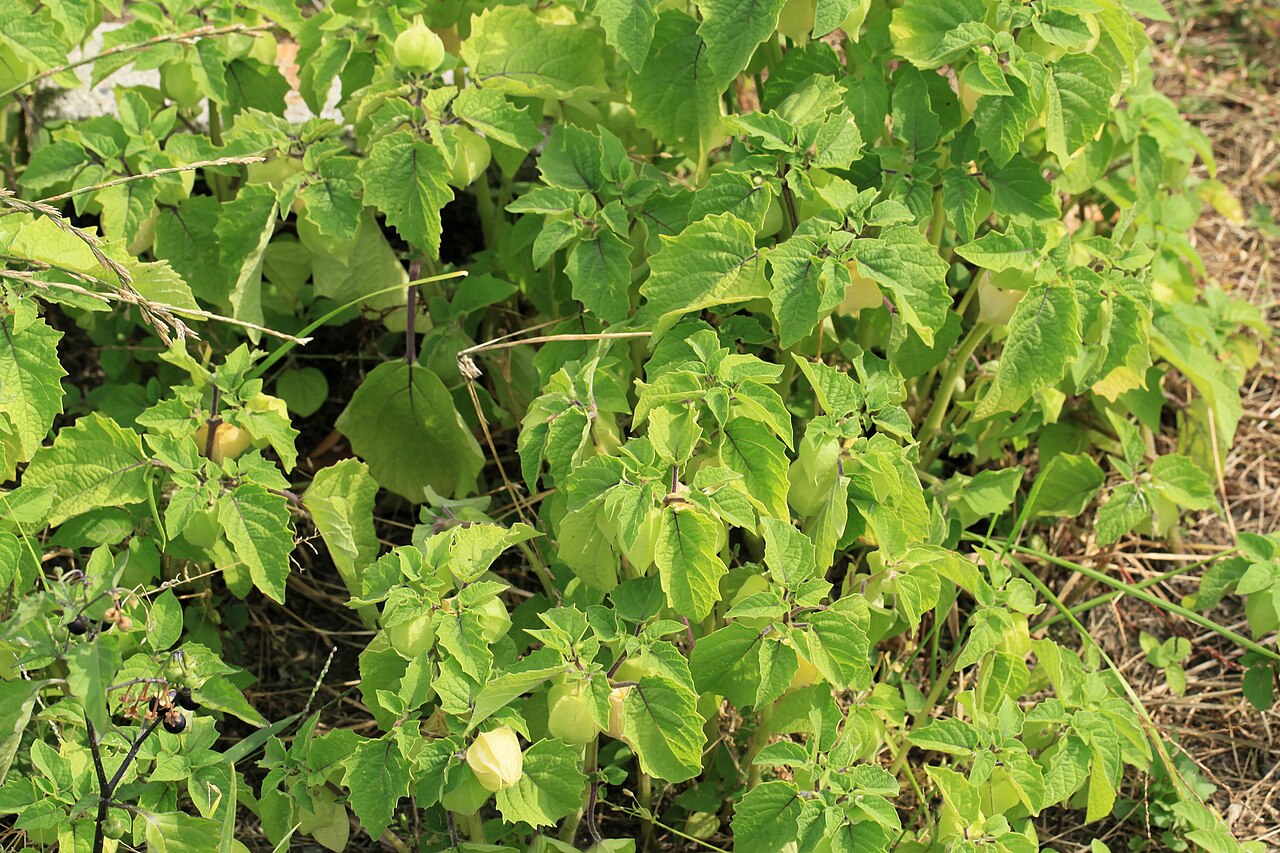
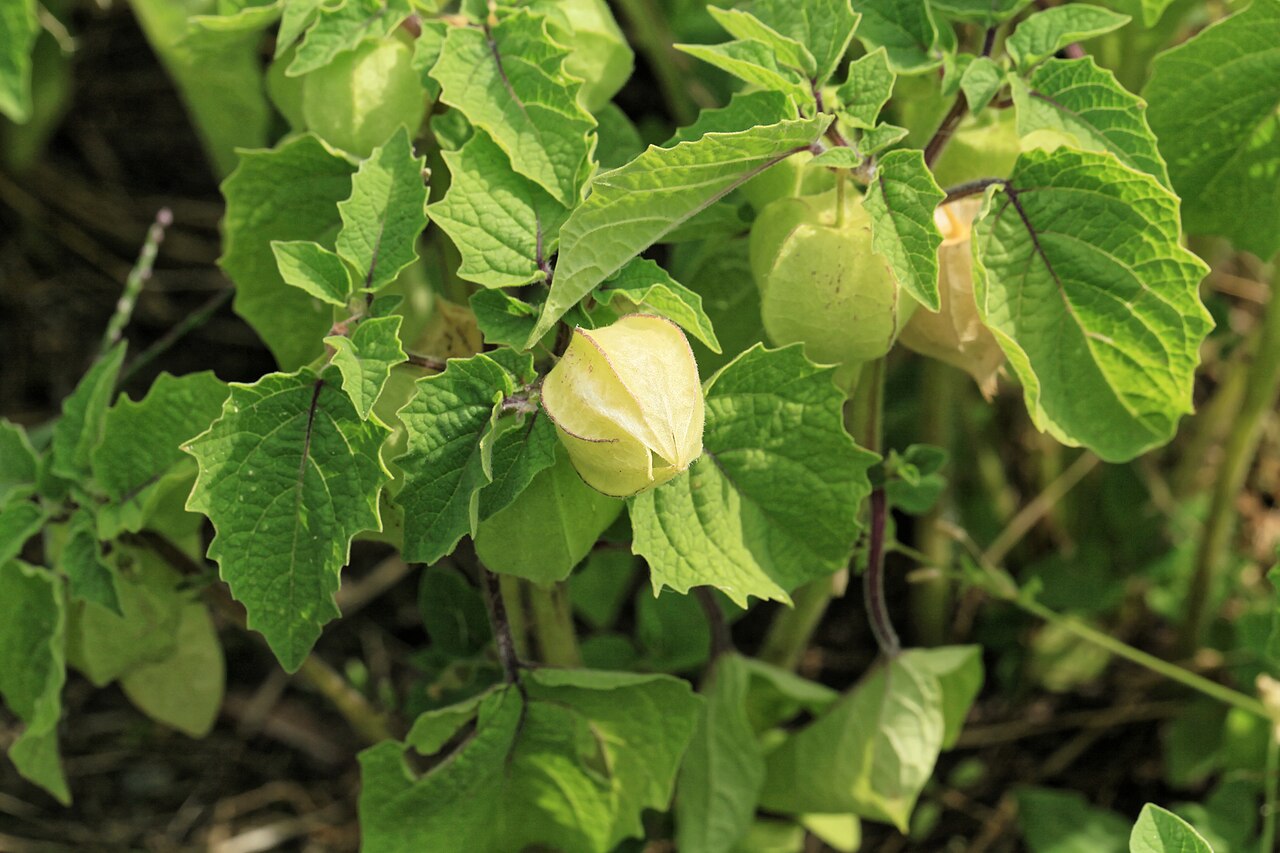
Aunt Molly’s is the ground cherry most gardeners grow first, and most grow again. It is a Polish heirloom of Physalis pruinosa, producing half-inch golden-yellow fruits inside papery husks, with a sweet-tart flavor people describe as pineapple, strawberry, and tomato all at once — and the description is not hype, it is just hard to describe a fruit that tastes like three other fruits. It fruits in about 70–75 days from transplant, which makes it one of the earliest ground cherries and a safe bet even where seasons are short.
The plant is compact and sprawling, about 1–3 feet tall, and wildly productive: a few plants can drop a cup or more of fruit a day at peak season, and the fruit keeps in its husk for weeks, which means the harvest does not punish you for going away for a weekend. It is also the ground cherry most often recommended for pies, preserves, and jams, because the flavor holds up to cooking instead of disappearing into generic sweetness.
How to grow
Here is the honest Florida part first: ground cherry is a Florida-friendly annual, full stop. Sow it for spring and again for fall, give it sun and drainage, and it will drop its husked fruit all over the bed — which is the harvest method, not a mess to apologize for. Summer humidity brings leaf diseases, so successions and airflow matter more here than they do in drier climates.
Start seed indoors 6–8 weeks before the last frost, or direct-sow in warm Florida soil, transplanting into full sun and well-drained soil after frost danger. Space 2–3 feet apart and let plants sprawl, or cage them lightly to keep fruit off bare soil. In Florida, plant for spring and again in late summer for fall; midsummer plantings struggle with humidity and pests, so successions timed around the heat are the winning strategy.
Water & feeding
Water about an inch a week, at soil level, and feed lightly — worm castings at planting and a light side-dress once fruiting starts. Ground cherry tolerates dry spells, but drought causes fruit to drop prematurely, so steady water during fruiting is the difference between a carpet of ripe husks and a carpet of green ones. Mulch to keep soil moisture even and fruit clean.
Common problems
- Flea beetles chew small holes in leaves early on but seldom hurt yield; whiteflies and aphids appear in hot weather.
- The serious warning is botanical, not pest-related: the plant and unripe fruit are toxic, as with all Physalis, so eat only fully ripe, golden fruit that has dropped or slips easily from the husk.
- In Florida, watch for bacterial wilt and root-knot nematodes in sandy soil — rotate beds and do not follow ground cherry with tomatoes, peppers, or eggplant.
Harvest
Harvest by gathering fallen husks from the ground (or from a cloth spread beneath plants), plus any ripe fruit that slips easily from the plant. A ripe Aunt Molly’s is golden-yellow inside a tan, papery husk; green fruit goes back, not in the basket. Store in the husk in the refrigerator for two weeks or more, and use fresh, in pies, or as jam — or eat them standing in the garden, which is where most of the crop actually disappears.
Browse all plant & pest guides
Saving seeds
Aunt Molly’s is a Polish heirloom, so it comes true from seed — save seed from your best fruit. The full method is in the Saving seeds section of the Ground Cherry guide.