
🎨 Aurora Joseph’s Coat
What it looks like
Why this variety
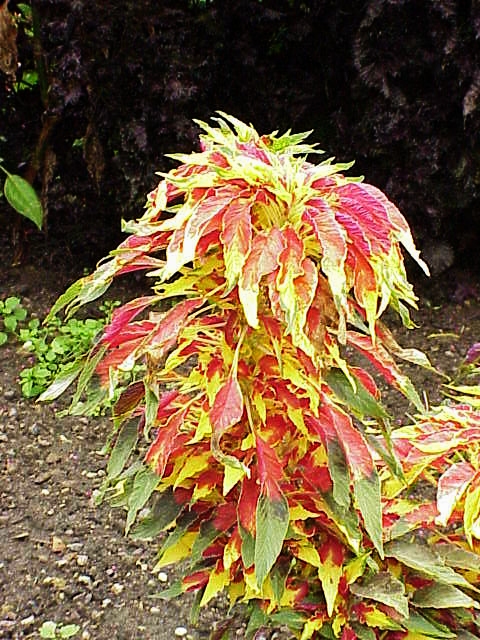
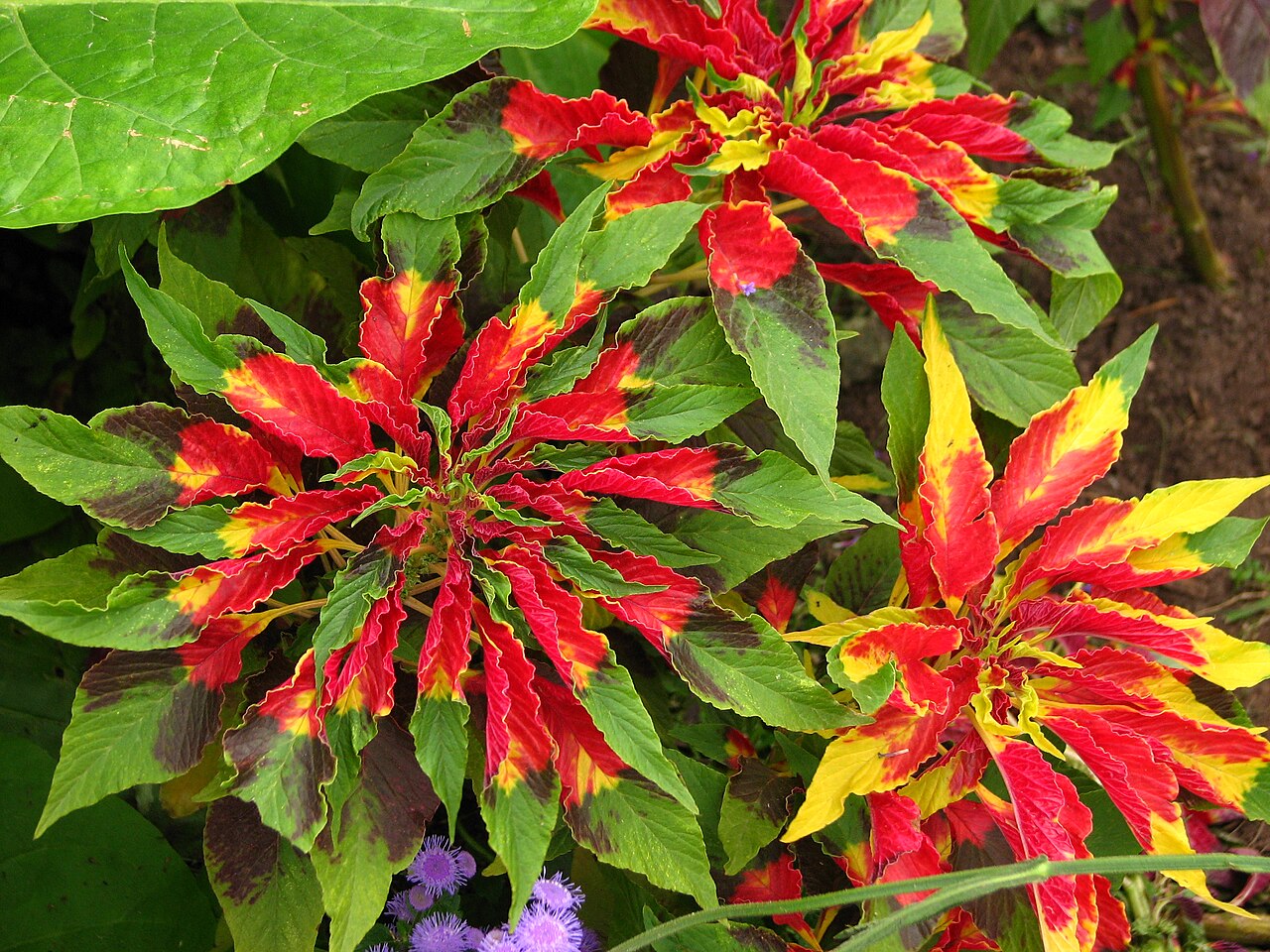
Aurora is the Joseph’s coat for gardeners who flinch at Molten Fire: where its siblings shout in red and pink, Aurora glows in yellow and gold, the modern cultivar that carries the species’ yellow side on its own. Fine Gardening’s old-fashioned-annuals roundup names Aurora alongside Molten Fire as the two modern directions Joseph’s coat took — yellow on one hand, maroon-shaded on the other — while the species itself still offers the showiest mixed foliage. Aurora will not give you a rainbow on one plant; it will give you a steady golden glow that makes green neighbors look greener and dark flowers look darker, which is a quieter job and, in a crowded border, sometimes the smarter one.
In Florida, Aurora is as easy as the rest of the family: a warm-season annual that loves heat and humidity, colors best in full sun, and grows fast from tiny seed once the soil is warm. Yellow foliage shows scorch and stress sooner than red — a sun-scorched yellow leaf looks tired in a way a red leaf hides — so give Aurora afternoon protection only if your site is brutally hot and dry, and otherwise let it glow. Feed lightly, water steadily, and let the gold do the talking.
If you are new to choosing between cultivars, the Varieties Matter guide explains why the name after the plant matters as much as the plant itself. Aurora is a perfect example: it is not just a Joseph’s coat in the abstract, it is a Joseph’s coat with a specific job, a specific history, and specific strengths. And if you want the eating side of this species, see the Vegetable Amaranth guide — same species, different job.
How to grow
Start seed indoors a few weeks before the last frost in North Florida, or sow directly after frost danger in warm soil — sow shallowly, barely covered, and keep moist until germination. In Central and South Florida, sow in spring for a long summer show and again in late summer for a fall round. Set plants 12 to 18 inches apart in full sun and average, well-drained soil, work worm castings into the bed at planting, and pinch young plants once for branching. Site Aurora where its gold can contrast — against dark green foliage, purple flowers, or a fence — rather than lost among other yellows.
Water & feeding
Water to establish, then water moderately — amaranth is heat- and drought-tolerant once established and sulks in waterlogged soil. Water at the soil line, mulch to hold moisture, and feed lightly: castings at planting are usually enough, because rich soil makes leggy plants with washed-out color. In a drought, occasional deep watering keeps Aurora glowing; in a wet summer, drainage is the care program.
Common problems
- Enthusiastic self-seeding — volunteers appear freely, and yellow seedlings may vary; deadhead if you do not want them.
- Leggy growth in shade or rich soil — lean soil and full sun make sturdier, brighter plants.
- Scorch on yellow foliage in brutal sun and drought — water deeply and mulch; a little afternoon shade helps in the hottest sites.
- Flea beetles and caterpillars on foliage — row cover early, hand-pick, and let the plant outgrow minor damage.
- Frost — a warm-season annual dies at the first cold snap.
Harvest
The harvest is light: golden stems for bouquets from summer to frost, and a garden plant that reads as sunshine even on a cloudy day. Cut stems when fully colored, leave a few plants for seed if you want golden volunteers, and pull annual plants after frost and compost them.
Saving seeds
Aurora is a yellow-leaf cultivar, so seed saved from it comes true only if it is kept away from other amaranths — they cross freely. The Saving seeds section of the Vegetable Amaranth guide covers the method.