
🌿 Basil Mint
What it looks like
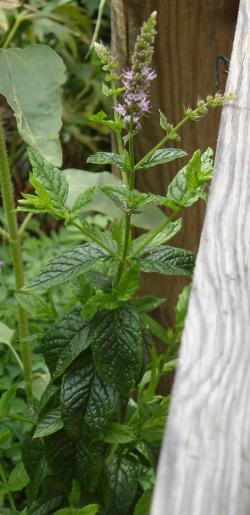
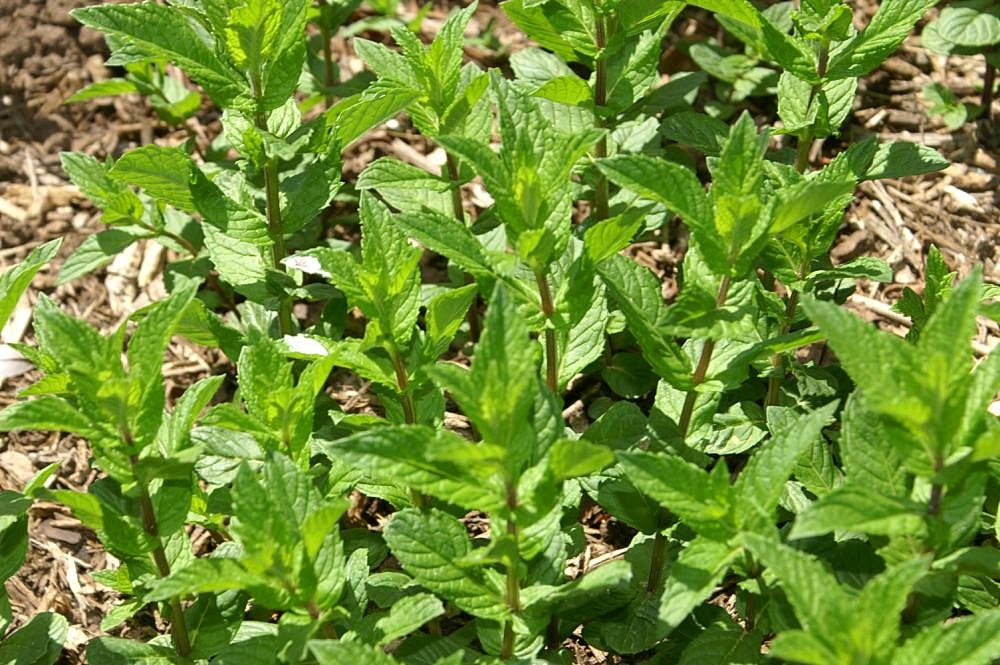
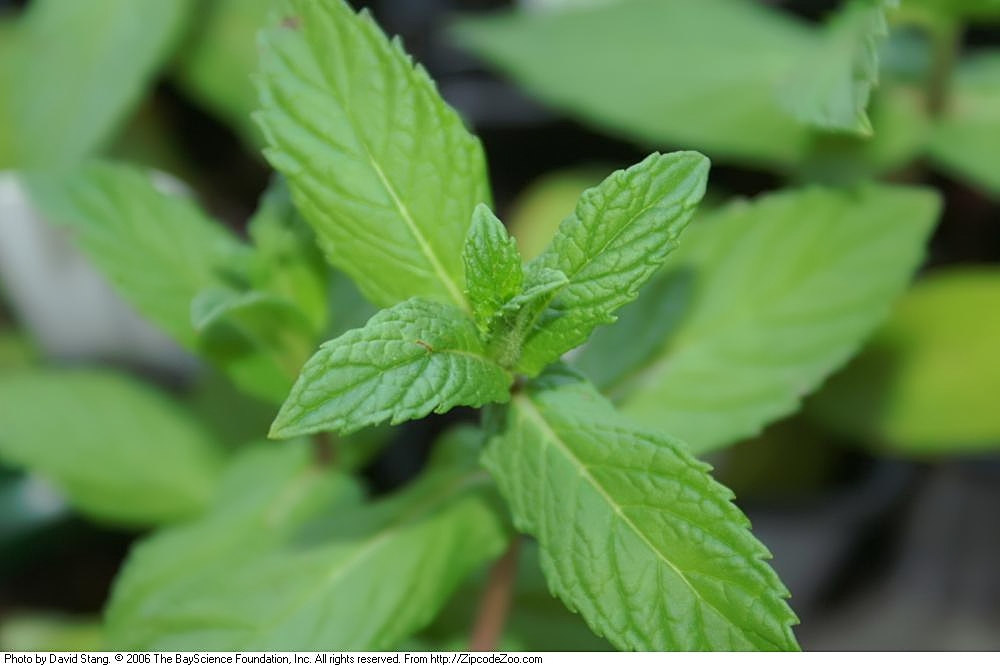
Why this variety
Basil Mint is the mint for cooks who stand in the herb bed unable to decide. It is a peppermint-form citrus mint (Mentha × piperita f. citrata ‘Basil’) selected for a basil-like scent — sweet, warm, and herbal, with mint’s cool backbone underneath. It will not replace basil in pesto (mint’s menthol always announces itself), but it is superb where the two flavors already meet: summer drinks, fruit salads, tomato dishes, and anything where a cook might reach for both herbs and wonder which one to pick.
Filed here under Mint following the Orange Mint precedent — Orange is also a piperita citrata form in this index — Basil Mint grows like any mint: its own container, even moisture, afternoon shade in heat, and a hard cutback after flowering. The basil note is strongest in young, morning-picked leaves, so harvest tips for drinks and desserts and let older leaves handle cooking, where the mint side is an asset rather than a surprise.
For the species as a whole, see the Mint growing guide.
How to grow
Mint is a perennial that grows like it has somewhere to be, which is why it gets its own container and never, ever shares a bed with polite herbs. Plant in a pot at least 12 inches deep with rich, moisture-retentive soil, or sink the pot into the bed with the rim above soil level if you insist on planting it out. Mint spreads by runners that laugh at edging, so the container is not a suggestion, it is the whole management plan.
Florida note: mint loves Florida’s long warm season and grows nearly year-round, but it wilts fast in dry heat and sulks in soggy, airless soil. Give it morning sun and afternoon shade in brutal heat, water before it wilts, and cut it back hard after flowering to force a flush of tender new growth. It is perennial in warm winters; a hard freeze may knock it back, but the roots usually return.
Water & feeding
Evenly moist soil, always: mint wants a drink before it wilts, not a rescue after. Water deeply, mulch to hold moisture, and feed lightly with worm castings in spring; overfed mint is leggy and bland. In Florida, containers dry out fast in summer, so check pots daily in heat and never let a pot sit in a saucer of standing water, which rots roots while the top looks thirsty.
Common problems
- Escape artists — runners slip over pot rims and through drainage holes. Prune runners, repot yearly, and never compost mint trimmings where they can root.
- Mint rust — orange pustules on leaves in humid weather. Remove affected leaves, improve airflow, and avoid overhead watering; do not compost diseased material.
- Aphids and spider mites — blast with water, encourage ladybugs, and cut back hard-hit stems; mint regrows fast.
- Root rot in soggy soil — the one thing that kills mint faster than neglect. Drainage first, water second, always.
Harvest
Snip sprigs as needed once plants are established, taking no more than a third of the plant at once, and harvest in the morning when oils are strongest. Regular cutting keeps mint bushy and tender; let it flower and the leaves turn coarser. For tea and drinks, pick the youngest tips; for cooking, the mature leaves carry more punch.
Browse all plant & pest guides
Saving seeds
Basil is a selected form of a hybrid mint, so seed saved from it won’t come true — propagate it from runners instead. The Saving seeds section of the Mint guide covers seed for the straight species.