
💚 Bells of Ireland
What it looks like
How to grow
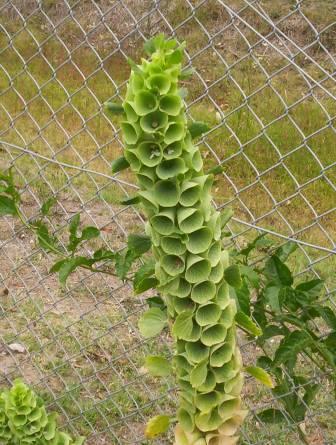
Bells of Ireland is an annual, 2–3 feet tall, with a tall spike of large, bell-shaped green calyces — the tiny white flowers inside are almost an afterthought — that looks striking in the garden and even better in a vase, where a stem lasts for weeks fresh or dries beautifully. It is a florist’s favorite that is easy to grow at home: sow seed indoors 6–8 weeks before last frost (seed needs light to germinate, so barely cover it, and chilling seed in the fridge for a few days improves germination) or direct-sow after frost, spacing 12–18 inches apart, in full sun and average, well-drained soil. Stake taller plants in windy spots. Despite the name, bells of Ireland is native to the Mediterranean and western Asia, not Ireland — the name is a florist’s invention, and a good one.
Water & feeding
Water regularly; bells of Ireland likes even moisture and wilts in drought. Mulch to hold moisture. Feed lightly with compost at planting; heavy fertilizer makes tall, weak stems.
Common problems
- Flopping — stake in windy spots or plant in a sheltered place.
- Poor germination — seed needs light and benefits from chilling; do not bury it.
- Short stems — usually too much shade; give full sun.
- Few pests — generally trouble-free.
Harvest
Cut stems for bouquets when the bells are well developed along most of the stem — they last 2–3 weeks in water. For drying, cut at peak and hang upside down in a dry place; the green bells hold their color well. Leave some stems to self-seed if you want volunteers next year.
Saving seeds
Bells of Ireland is one of those plants where the seed saving is hidden inside the ornament. Those tall green bells are not petals at all — they are the calyx, the leafy cup that normally sits behind a flower, grown large and showy — and the actual seed sits tucked away at the base of each bell, in a small cone-shaped pod holding just a few dark, triangular seeds. Save seed, and you are essentially harvesting the packaging.
The catch is that you cannot have it both ways with the same stem. A stem cut young for a vase will never set seed, so mark a few of your best plants early and leave those stems alone to finish. Let them stand until the bells have turned brown and papery and the whole spike looks thoroughly done — green bells mean unripe seed, and unripe seed is a disappointment in a packet. Cut the dry spikes, carry them upright like a bouquet that must not be tipped, and hold each bell over a bowl or bag, squeezing gently at the base to shake the seeds free. A paper bag is your friend here: dry spikes shatter, and a bag catches what your fingers miss.
Spread the seed on a screen or tray and finish drying it under cover for a week or two. In Florida this step is not optional garnish — summer humidity will happily return half-dried seed to a mouldy mess, so dry until the seed feels hard and snaps cleanly, then store it in a small airtight jar with a desiccant packet, cool and dark, labelled with the year. Properly stored, bells of Ireland seed generally stays viable for about three years, though some sources stretch that further; sow your oldest seed first and do not bet the whole spring on a five-year-old packet.
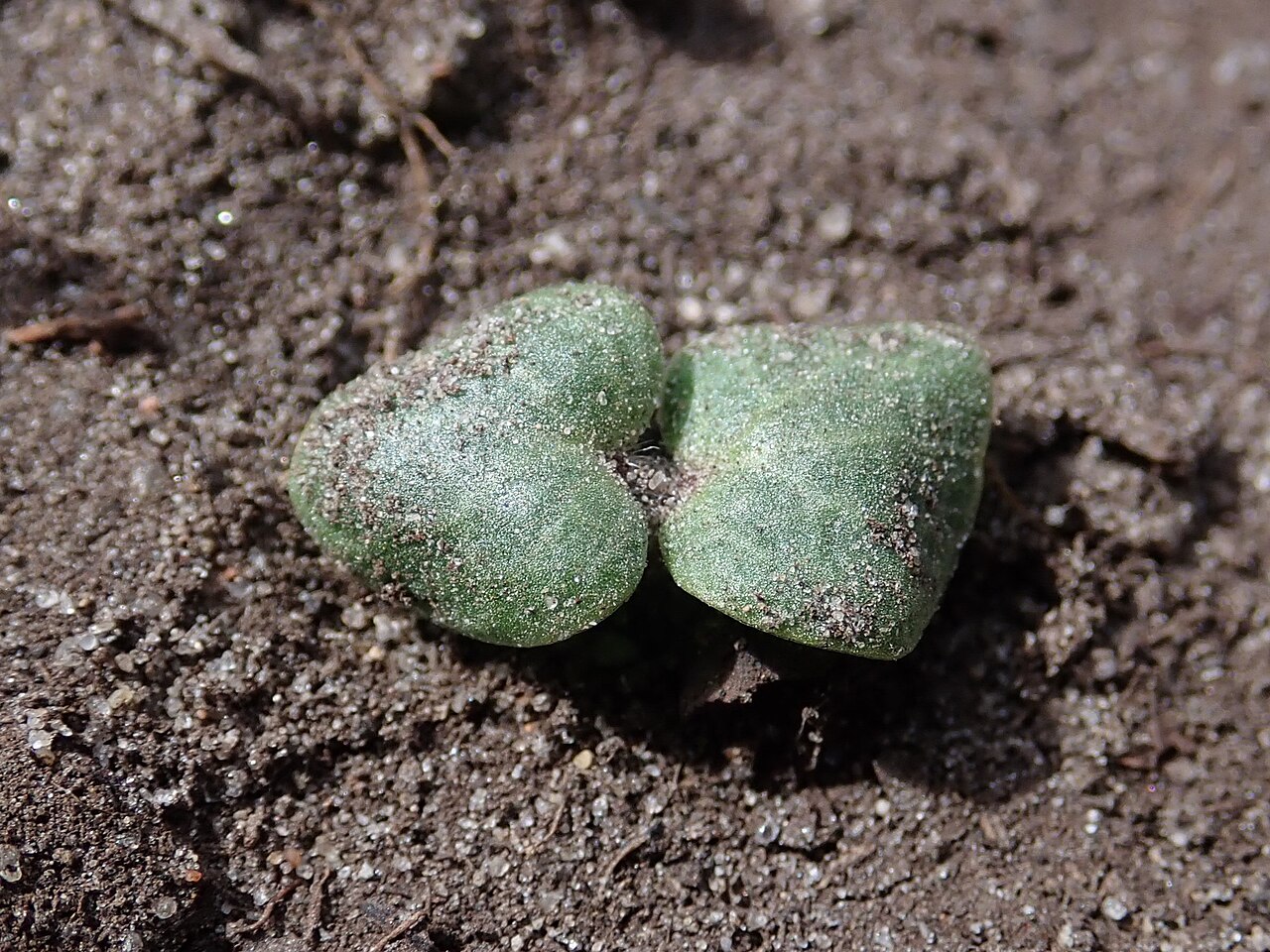
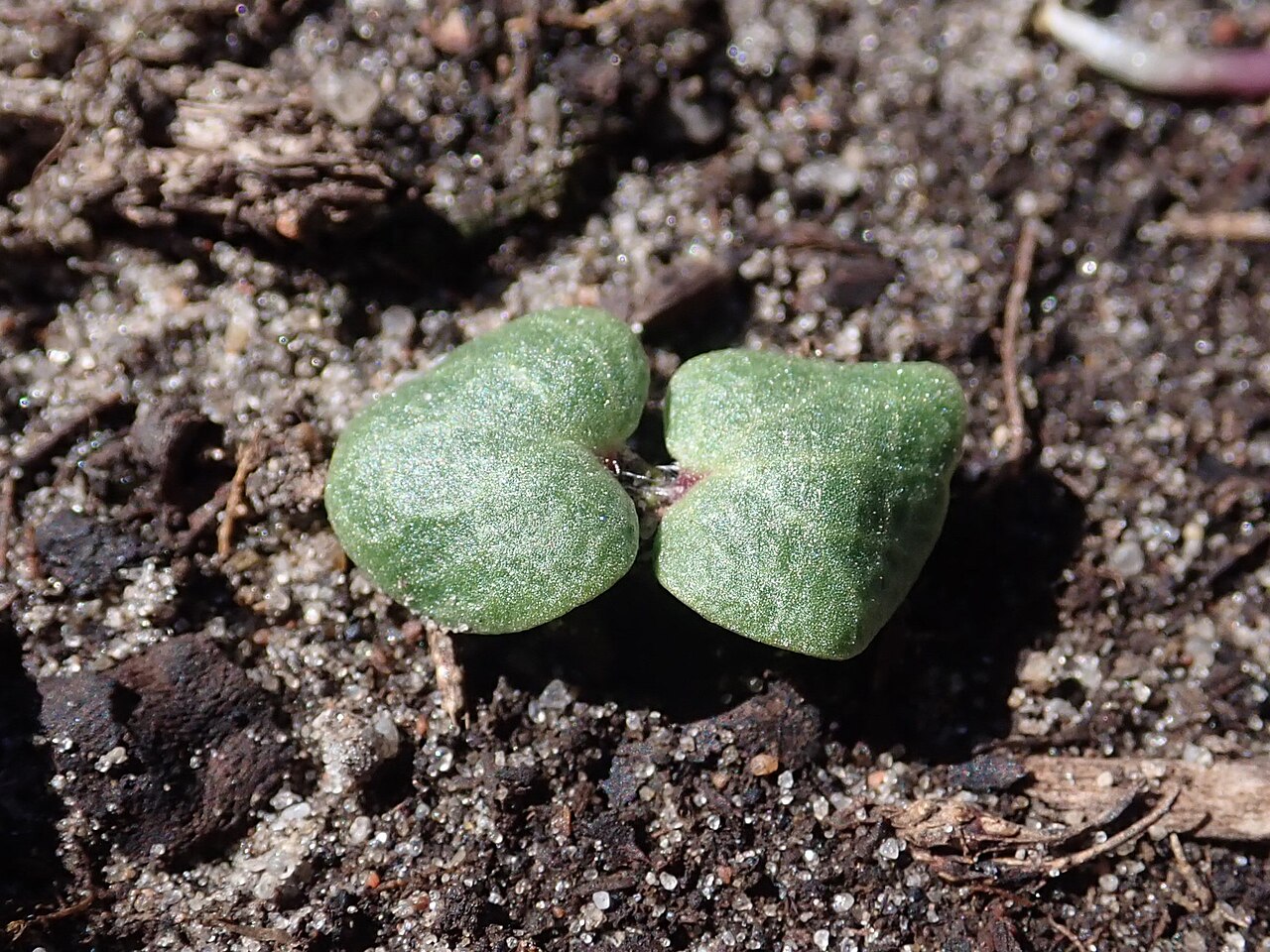
Germination is the plant’s famously awkward second act: slow, spotty, and fond of keeping you waiting. A short chill often helps — a week or two in the fridge on a damp paper towel in a sealed bag before sowing — and the seed wants light, so sow on the surface or barely covered, keep it moist, and give it up to a month before you declare failure. If you leave a few spikes standing in the garden, the plant will often self-sow for you, which is the laziest and most reliable method of all. One Florida caveat: bells of Ireland sulk in hot, humid summers, so treat it as a cool-season plant here, save seed from the plants that thrived rather than merely survived, and you will slowly select a strain that likes your garden better than the catalogue promised.