
🌼 Bidens
What it looks like
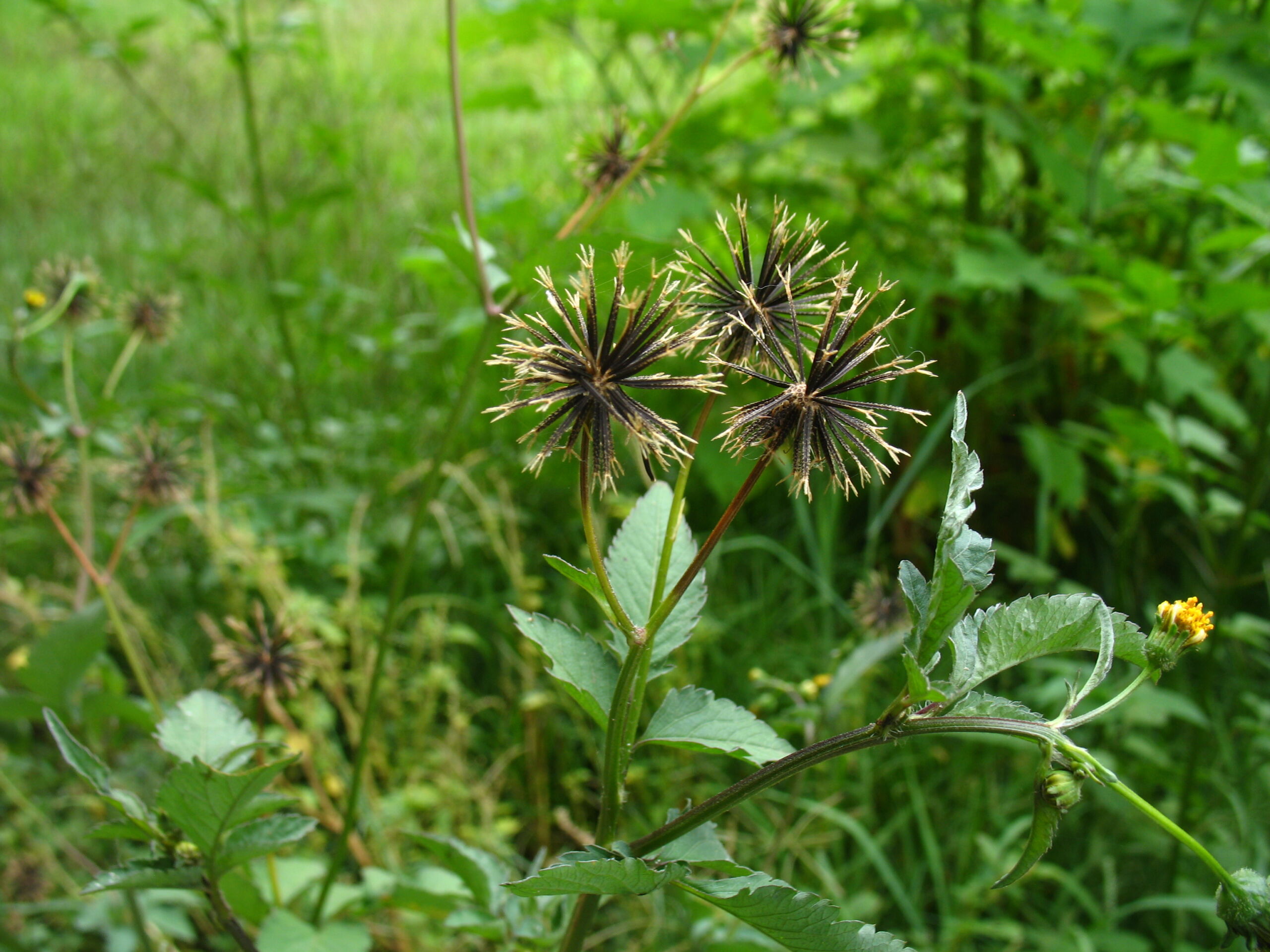
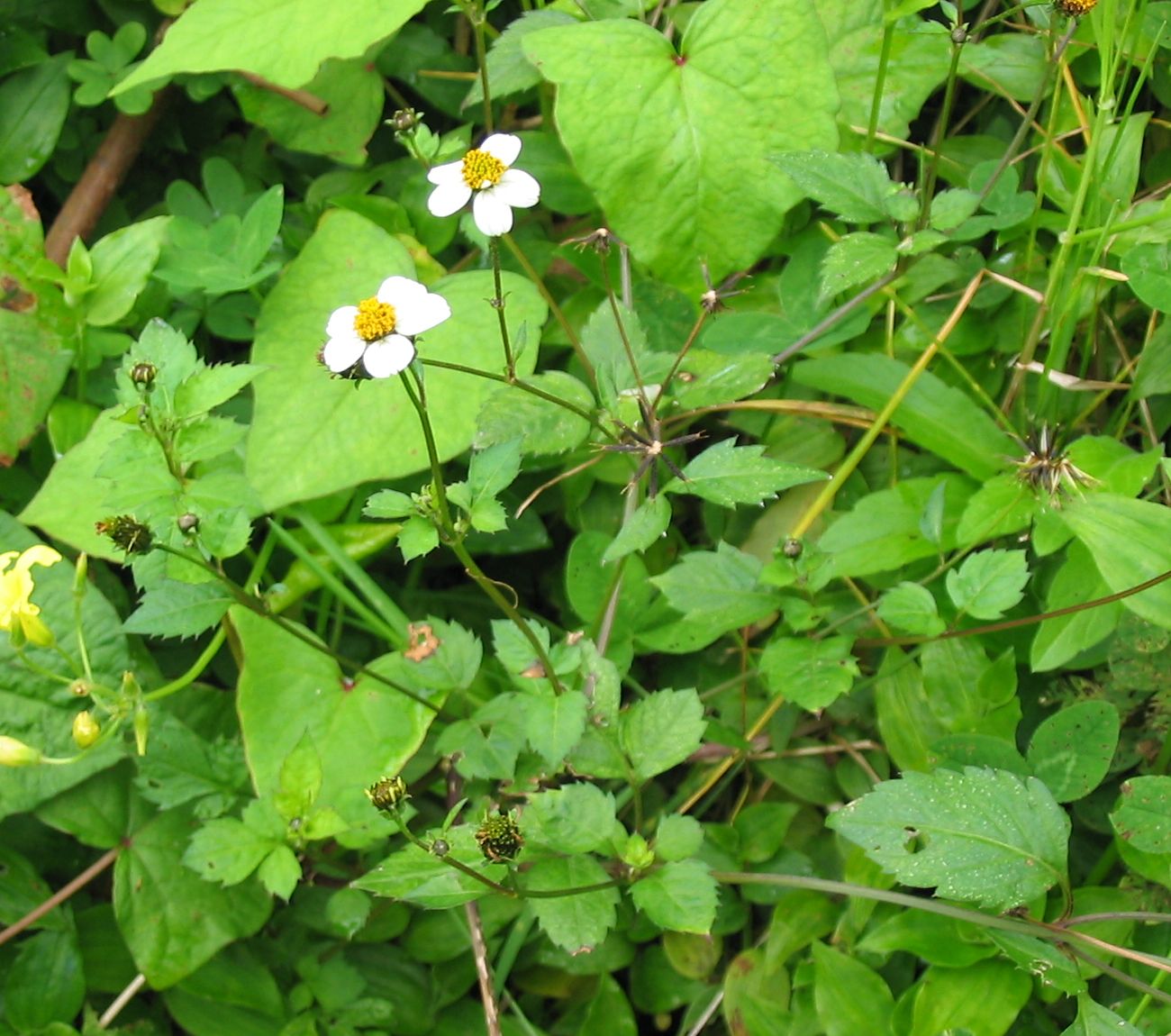
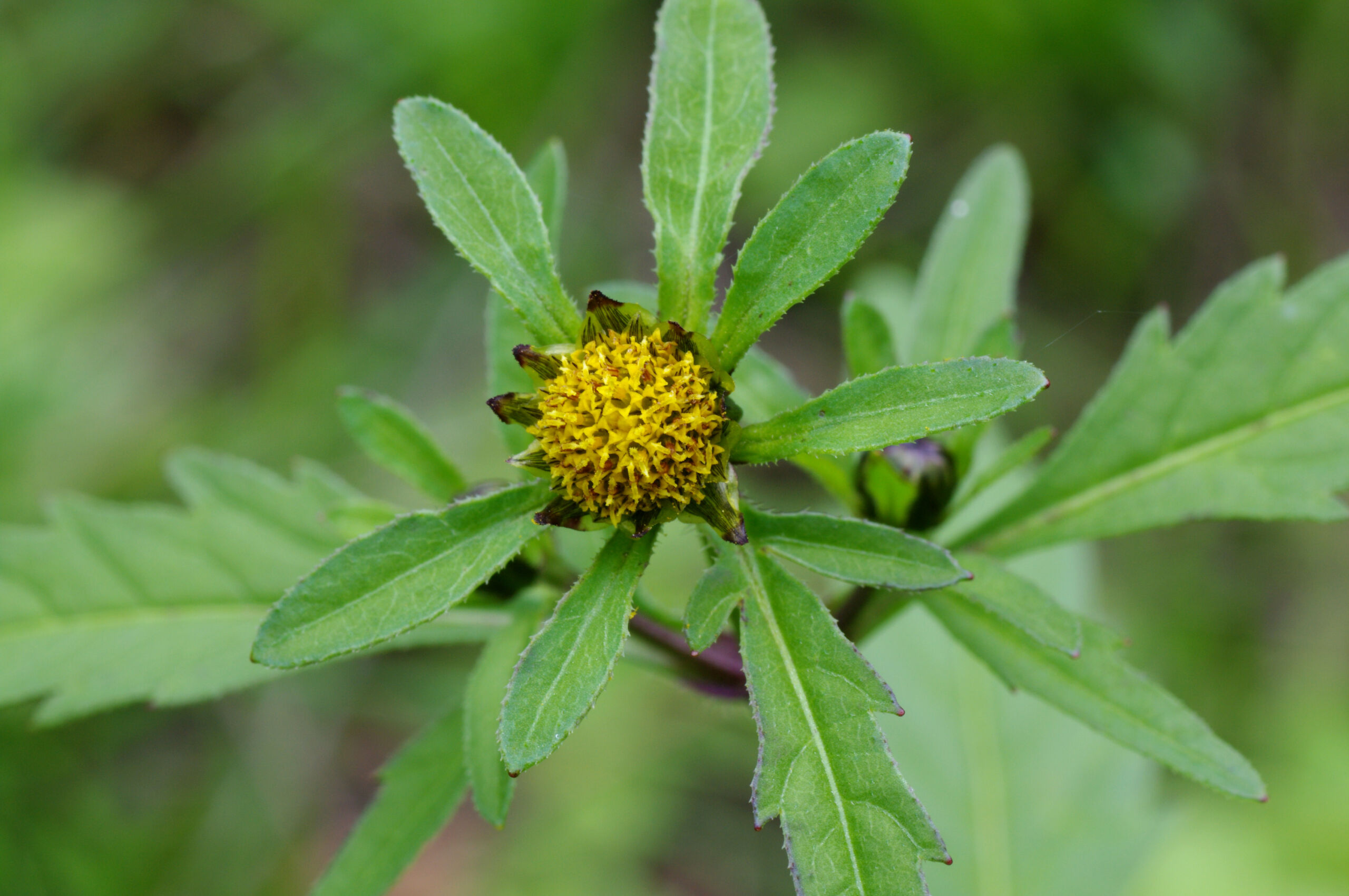
Bidens is a genus of roughly 200 to 230 species in the aster family, Asteraceae, and it contains multitudes: garden-center trailing annuals, roadside weeds, wetland wildflowers, and at least one plant that half of Florida steps over every day without knowing its name. The name most gardeners meet is Bidens ferulifolia, the Apache beggarticks or fern-leaved beggarticks, a low, mounding, sometimes trailing plant with finely divided, ferny leaves and a fountain of small golden-yellow daisies, each about 1 to 2 inches across, with five or so ray florets around a golden disk. It blooms from late spring to frost, and in frost-free places it barely stops at all. The flowers carry a light honey fragrance, which is one reason pollinators work them so hard — bees, butterflies, and assorted small flying things queue up at a bidens basket the way people queue up at a food truck.
The rest of the genus is less polite. Bidens alba, Spanish needles, is a white-rayed wildflower with a dark-centered disk that volunteers along Florida roadsides, fields, and garden edges; Bidens pilosa, hairy beggarticks, is its close cousin and a worldwide weed of warm places. Both are perfectly good butterfly and bee plants and perfectly enthusiastic self-seeders. Then there is the genus’s signature party trick, the one that gave it half its common names — beggarticks, stickseeds, Spanish needles, cobbler’s pegs. The fruits are achenes tipped with two (sometimes more) barbed bristles that catch on fur, socks, shoelaces, and anything else that brushes past. The plant is not being rude. It is hitchhiking. Every seed that rides your sock to the far end of the garden is a seed that found itself a new neighborhood, and bidens is very, very good at this.
Florida note: In Florida, know which bidens you are looking at. The garden bidens sold in pots is usually Bidens ferulifolia, a tender perennial that can overwinter in zones 9–11 but is grown as a warm-season annual in colder places. The wild bidens already growing in your yard is almost certainly Bidens alba, Spanish needles, a Florida native wildflower and a genuine pollinator magnet — just one that will seed itself everywhere if you let it. Both belong to the same genus, but only one of them did you plant on purpose.
How to grow
Give bidens sun and drainage and then mostly get out of its way. Full sun gives the heaviest bloom; part shade is tolerated but flowering thins out, and in deep shade you get leaves and apologies. Plant after the last frost in spring, spacing plants 12 to 18 inches apart in beds, or one plant per hanging basket or container if you want the trailing types to spill properly. Soil should be humus-rich and well-drained; bidens is not fussy about soil type — garden references list it as happy in chalk, clay, loam, and sand — but it hates standing water, and soggy roots will rot faster than neglect ever could.
Garden bidens grows 7 to 24 inches tall and about 24 inches wide depending on the cultivar, with most modern bedding types settling into a mound 10 to 14 inches tall and a little wider, trailing a bit at the edges. That makes it a natural for the front of a border, the edge of a raised bed, a window box, or a hanging basket, where its ferny foliage softens the rim and its flowers spill over like spilled sunlight. In frost-free zones it behaves as a short-lived perennial; everywhere colder, treat it as an annual and replant in spring. Do not mourn it in November. It gave you six months of flowers for almost no work, which is a better deal than most annuals offer.
Propagation is straightforward for the wild species: seed, sown where it is to grow or started indoors, germinates readily, and self-sown seedlings appear with enthusiasm. Garden cultivars are usually bought as plants, which is the honest route — you get exactly the flower color you paid for, and you skip the part where seedlings revert to something plain. If you grow the wild species on purpose, give them a wilder corner: a meadow strip, a pollinator patch, a back-of-the-border drift where their self-seeding is a feature rather than a complaint.
Water & feeding
Water regularly while plants establish, then water moderately. Bidens is heat-tolerant and handles short dry spells once established, but bloom is heaviest with consistent moisture — plants that dry out repeatedly will keep living and stop flowering, which defeats the purpose. In containers and hanging baskets, check daily in summer heat; a basket that dries to a crisp will drop buds and take weeks to forgive you. Water the soil, not the flowers, and let the top of the mix dry slightly between waterings rather than keeping it permanently soggy.
Feed lightly. A balanced liquid feed every few weeks through summer keeps container plants blooming hard; in-ground plants in decent soil need far less, and overfeeding produces lush leaves at the expense of flowers. This is a general bidens rule worth taping to the watering can: lean soil, plenty of sun, and regular water makes flowers; rich soil, heavy fertilizer, and shade makes leaves. If your bidens looks gorgeous and green and flowerless, it is probably too comfortable. Stress it a little — more sun, less nitrogen — and it will get back to work.
Common problems
- It seeds everywhere: The wild species, especially Bidens alba and Bidens pilosa, self-seed with abandon, and their barbed seeds stick to everything. Deadhead before seed sets if you want to limit spread, or accept the volunteers and pull the ones in the wrong place. This is the genus’s main vice, and it is also its survival strategy — respect it, plan for it.
- Legginess: Bidens can get straggly by late summer, especially in shade or after a dry spell. Shear plants back by a third and they usually flush out with fresh growth and a new round of bloom. Container plants benefit from a midseason haircut too.
- Root rot in wet soil: The one thing bidens truly cannot abide is standing water. Plant in well-drained soil or mix, make sure containers drain freely, and never let a pot sit in a saucer of water.
- Frost: Garden bidens is frost-tender. The first hard frost ends the show in cold climates; in marginal zones, a sheltered spot or a move indoors can buy time, but this is an annual for most of the country and should be budgeted as one.
- Lookalikes and confusion: Not every yellow daisy is a bidens, and not every bidens is the one you planted. Spanish needles (Bidens alba) has white rays and a dark disk; garden bidens (Bidens ferulifolia) has golden-yellow rays and ferny leaves. Learn the difference before you weed — or before you brag about your native wildflower patch.
Harvest
Bidens is not a vegetable, but it has a harvest rhythm all the same. For flowers, cut stems through the season for small bouquets — the daisies are short-stemmed but cheerful in a jam jar, and cutting encourages more bloom. For seed, wait until the seed heads dry and the barbed achenes come away easily, then strip them into a paper bag (not a cloth one, unless you enjoy picking seeds out of fabric for a week). For the wild species grown as pollinator plants, the real harvest is the one you do not take: leave some plants standing into fall so butterflies and bees can work the last flowers, and leave some seed heads for birds. And for the gardener’s own harvest — the harvest of lessons — bidens teaches a useful one: the difference between a weed and a wildflower is often just whether you planted it on purpose.
Saving seeds
Bidens does not need your help to make seed. It needs your help to stop. The genus Bidens — garden bidens, mostly bred from Bidens ferulifolia, and the wild beggarticks like Bidens alba — produces masses of small, barbed achenes, the famous beggarticks that hitch rides on socks, sleeves, and dog fur. Saving seed is therefore less a skill than a decision: which flowers do you let finish, and how many hitchhikers are you willing to host?
The method itself could hardly be simpler, which is why deadheading matters so much with this genus. If you deadhead everything, you get more flowers and no seed; if you want seed, mark a few of your best plants and let their flowers run to dry, brown heads. When the heads are thoroughly dry and the achenes come away with a rub, cut them into a paper bag — wear gloves and old clothes, because the barbs do exactly what their reputation promises — and finish drying the heads under cover before rubbing out the seed and shaking off the chaff. Dry the seed hard before storage, especially in Florida humidity, then seal it in a labelled jar with a desiccant packet, cool and dark. Saved bidens seed is not fussy about storage and will generally carry you into the next season or two without complaint, though, as always, sow your oldest seed first.
To grow it, sow warm: bidens is a heat-lover, so start indoors a few weeks before your last frost or sow outdoors once the soil has genuinely warmed, pressing the seed shallowly into moist mix — surface-sown or barely covered — and keeping it damp. Germination is usually quick in warm conditions, often within one to three weeks, and seedlings are vigorous enough that thinning is the main chore.
Now the caveats, because this genus has two faces. First, the garden face: many modern garden bidens are named series and hybrids, some of them bred to set little seed at all, and seed from a named cultivar will not reliably repeat it. If a particular basket variety is the love of your gardening life, take stem cuttings from it in late summer instead — bidens roots readily from cuttings, and a cutting is a clone. Seed saving suits open-pollinated types and species plants, which generally come fairly true. Second, the wild face: wild beggarticks self-sows aggressively and is weedy by nature, and in Florida Bidens alba is a common native that can take over a bed if you let it. Enjoy it, by all means — pollinators adore it — but deadhead wild types before they scatter if you garden near natural areas, and do not deliberately sow wild beggarticks seed where it can run wild. The sock test is diagnostic: if your seed wants to travel, make sure you approve of the destination.
Species in this group
- Apache beggarticks — Bidens ferulifolia: The garden bidens. A tender perennial from Mexico and the southwestern United States, usually grown as an annual, with ferny, deeply divided leaves and golden-yellow daisies 1 to 2 inches across. Cultivars include ‘Golden Goddess’ (2-inch flowers), ‘Goldilocks Rocks’ (mounded, about 14 inches tall and wide, self-cleaning), ‘Golden Eye’ (mounded, 10 to 12 inches tall), ‘Bee Bold’ (red and gold bicolor daisies), ‘Blazing Fire’ (yellow daisies with scarlet overtones), and ‘Pretty in Pink’ (pink daisies with gold eyes).
- Spanish needles — Bidens alba: The Florida wildflower. White rays, dark-centered disk, enthusiastic self-seeder, beloved by butterflies and bees, and the bidens most Floridians already have whether they planted it or not.
- Hairy beggarticks — Bidens pilosa: A worldwide warm-climate weed and wildflower, similar to Spanish needles, with small white-rayed flower heads and the same barbed, hitchhiking seeds.
- Three-lobe beggarticks — Bidens tripartita: A wetland species of damp ground and ditch edges, with yellow flower heads that are often disk-only or short-rayed, and three-lobed leaves.
- Burr marigold — Bidens laevis: A smooth, wetland beggarticks of pond edges and marshes, with showy yellow daisies on tall stems.
- Lemmon’s beggarticks — Bidens lemmonii: A southwestern species, the caterpillar host plant behind some butterfly guides’ beggarticks mentions, and a reminder that “bidens” in a butterfly guide can mean a particular wild species, not the garden annual.
- Bidens aurea and Bidens grandiflora: Two more wild species in the genus — Arizona beggarticks and large-flowered beggarticks — rounding out a genus where the garden plant is the exception and the weed is the rule.