
🔴 Big Red Mayhaw
What it looks like
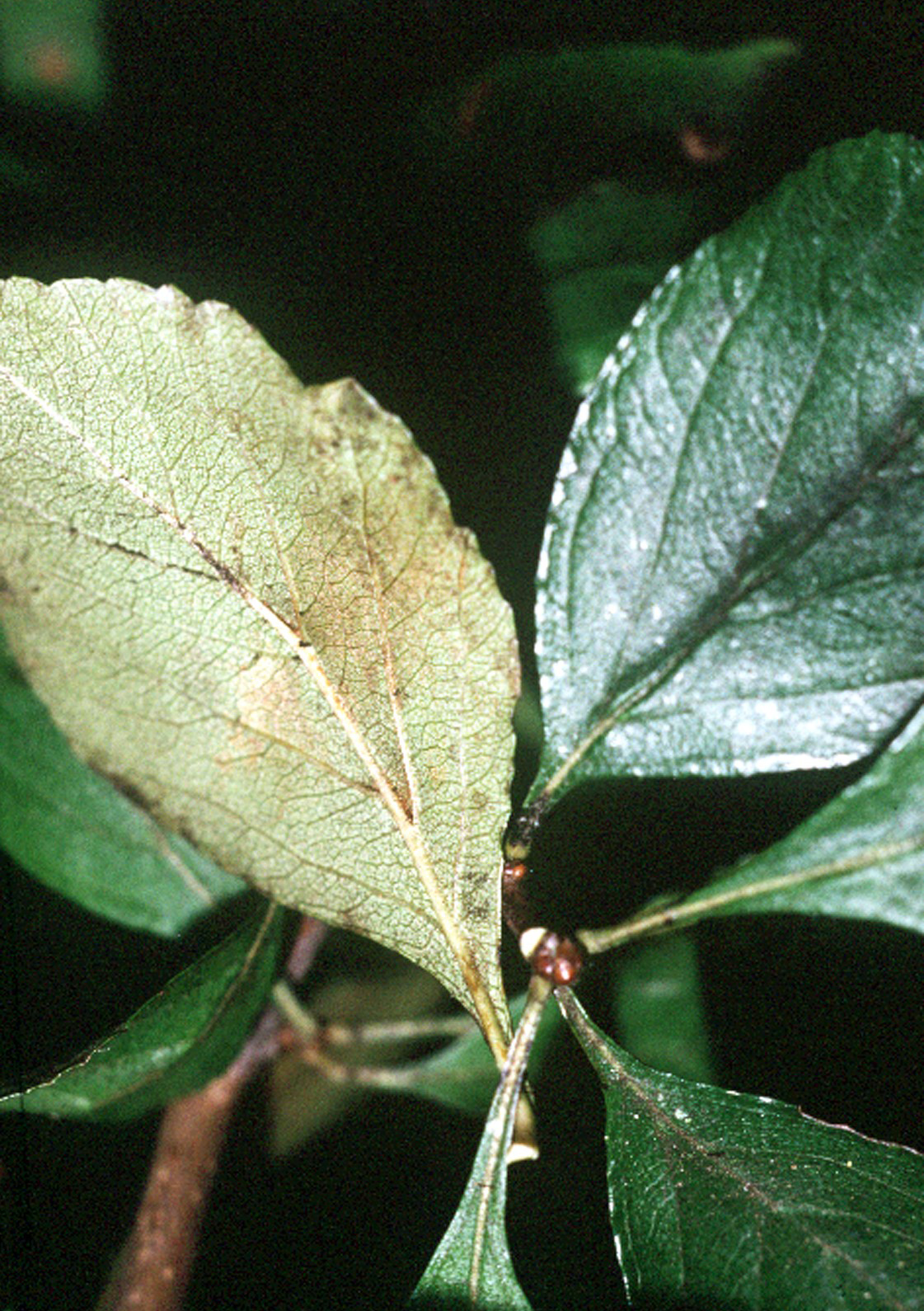
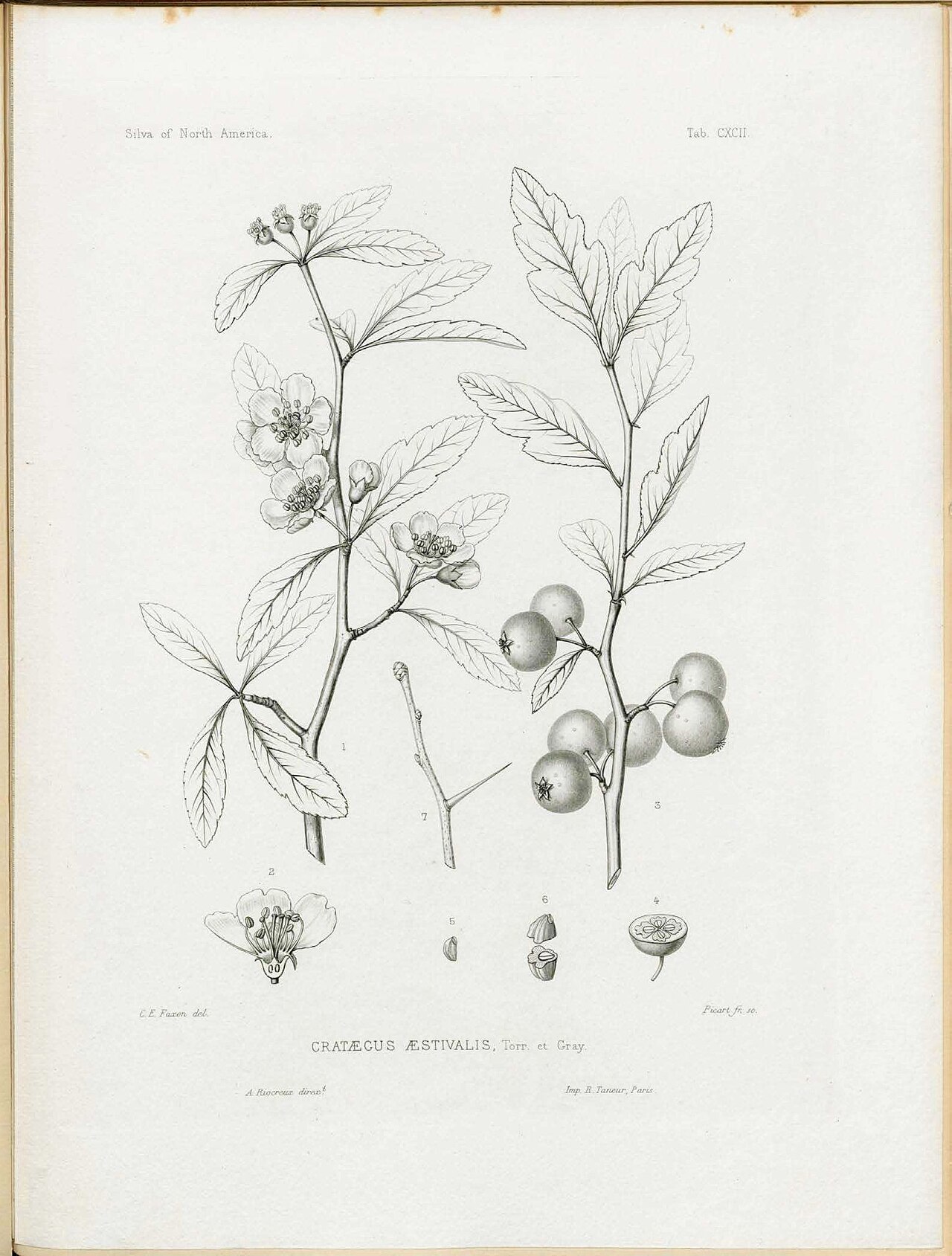
Why this variety
Big Red is the mayhaw that stretches the season. It blooms later than most mayhaws and ripens later — often into early June — with large red fruit and pink flesh, and it is described as a heavy producer, which in mayhaw terms means the kind of tree that fills buckets while earlier varieties are already made into jelly. That lateness is a strategic virtue: a late bloomer dodges some of the freezes that catch early varieties, and a late ripener extends fresh fruit into summer.
The fruit is, again, a processing berry first: tart, fragrant, and pectin-rich, ideal for jelly, syrup, and juice. Big Red’s size makes it efficient to pick and process, and its heavy production means one tree can supply a household’s jelly for a year — with enough left to share, which is the correct way to handle a mayhaw surplus, since fresh fruit does not keep long.
How to grow
Here is the honest Florida part first: mayhaw is a southern native, and the eastern mayhaw’s range reaches into the Florida Panhandle, so north Florida is its true home in this state. It wants wet feet, or at least reliably moist soil, and it wants another mayhaw nearby for cross-pollination. Central Florida is a trial; south Florida is too warm and too dry in the wrong seasons. Plant it where the ground stays damp and the spring flowers will not meet a late freeze unprotected.
Plant in fall or winter in full sun to part shade, in moist soil, 15–20 feet apart, with another mayhaw variety nearby for cross-pollination. Big Red’s later bloom makes it a good partner for early varieties: it can pollinate them and be pollinated by them, and its flowers are less likely to meet a freeze. Water through establishment and in dry springs, mulch widely, and prune lightly.
Water & feeding
Feed lightly with castings or compost in spring, water during fruit set, and skip heavy nitrogen. As with all mayhaws, damp ground is an advantage, not a problem — plant Big Red where the soil stays moist, and it will repay you with a crop that dry-site trees cannot match.
Common problems
- Fire blight remains the disease to watch, along with cedar-apple rust; prune out blighted wood promptly in dry weather and disinfect tools.
- Big Red’s later bloom reduces freeze risk compared with early varieties, but it does not eliminate disease risk, so inspection in spring is still part of the routine.
- No mayhaw is rust-resistant, so rust on leaves is something to manage, not something to panic about.
Harvest
Harvest when fruit is large, fully red, and slightly soft, typically May into early June, shaking onto sheets or picking by hand, and process promptly or freeze pulp. Big Red’s late harvest means your jelly-making can happen after the early varieties are done, which spreads the work — a small mercy during a season when everything else in the garden also needs attention.
Browse all plant & pest guides
Saving seeds
Big Red is a named variety, so seed saved from it won’t come true — plant a grafted tree instead. The Saving seeds section of the Mayhaw guide covers seed for the straight species.