
🌿 Black Cumin
What it looks like
How to grow
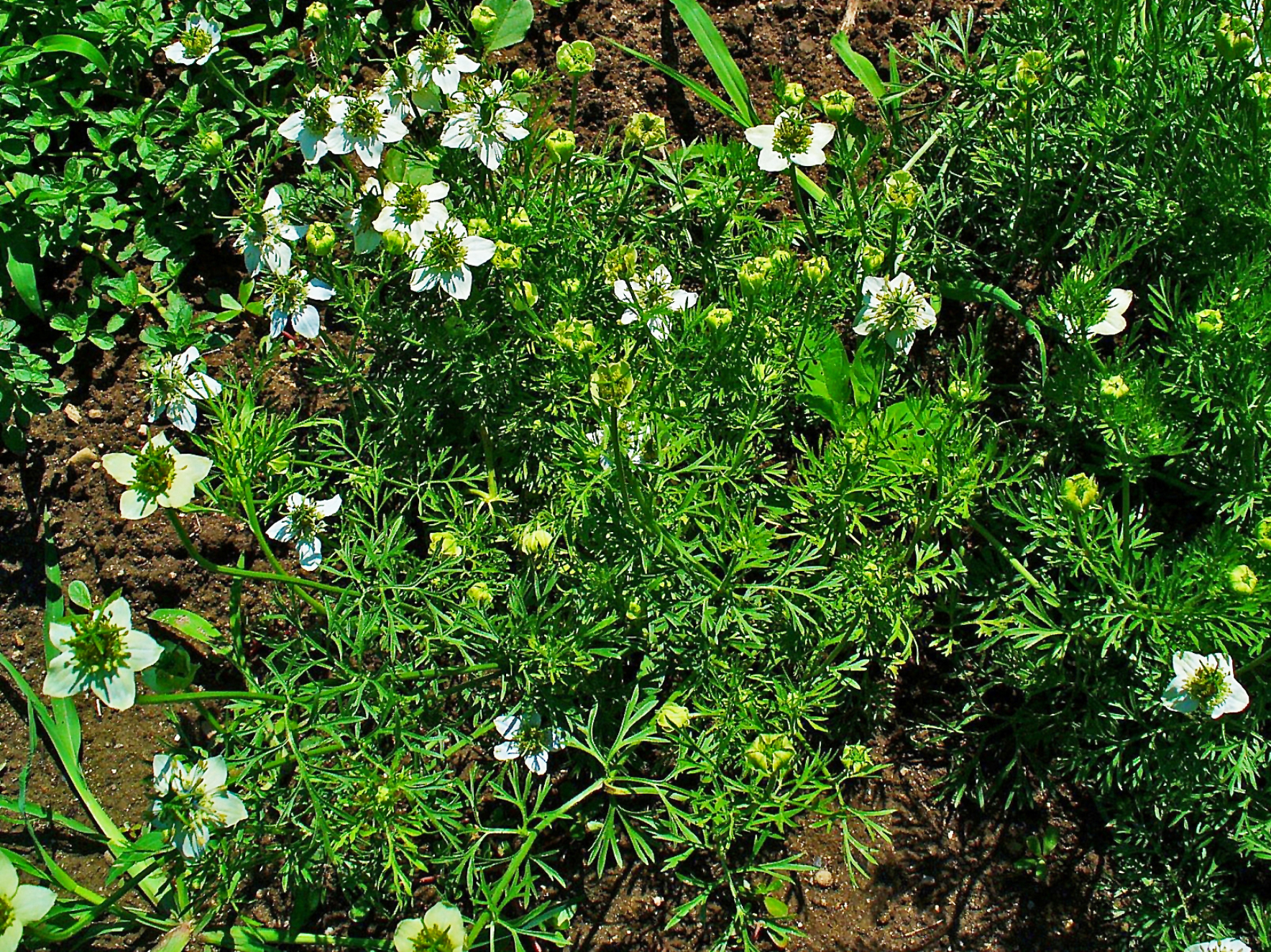
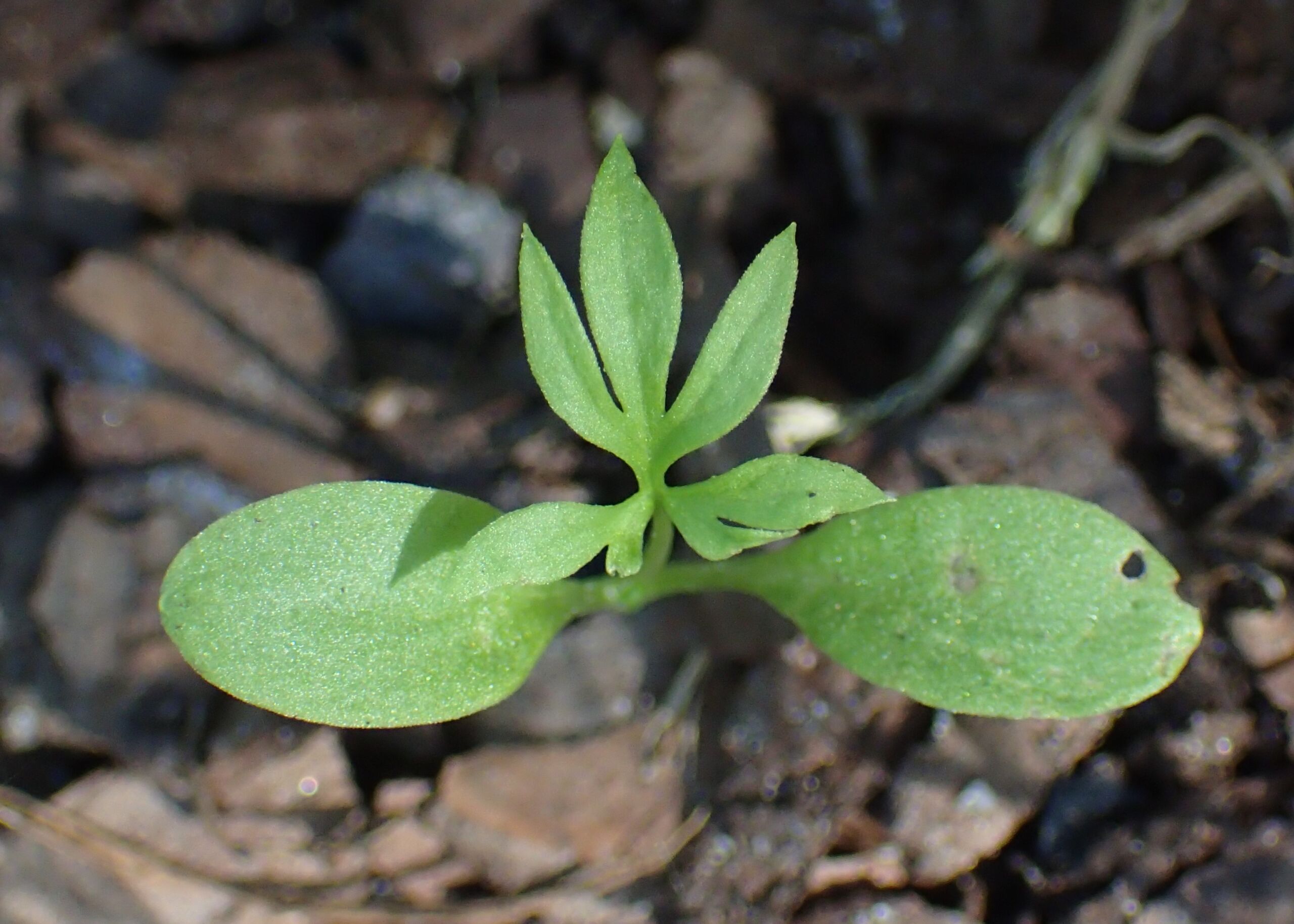
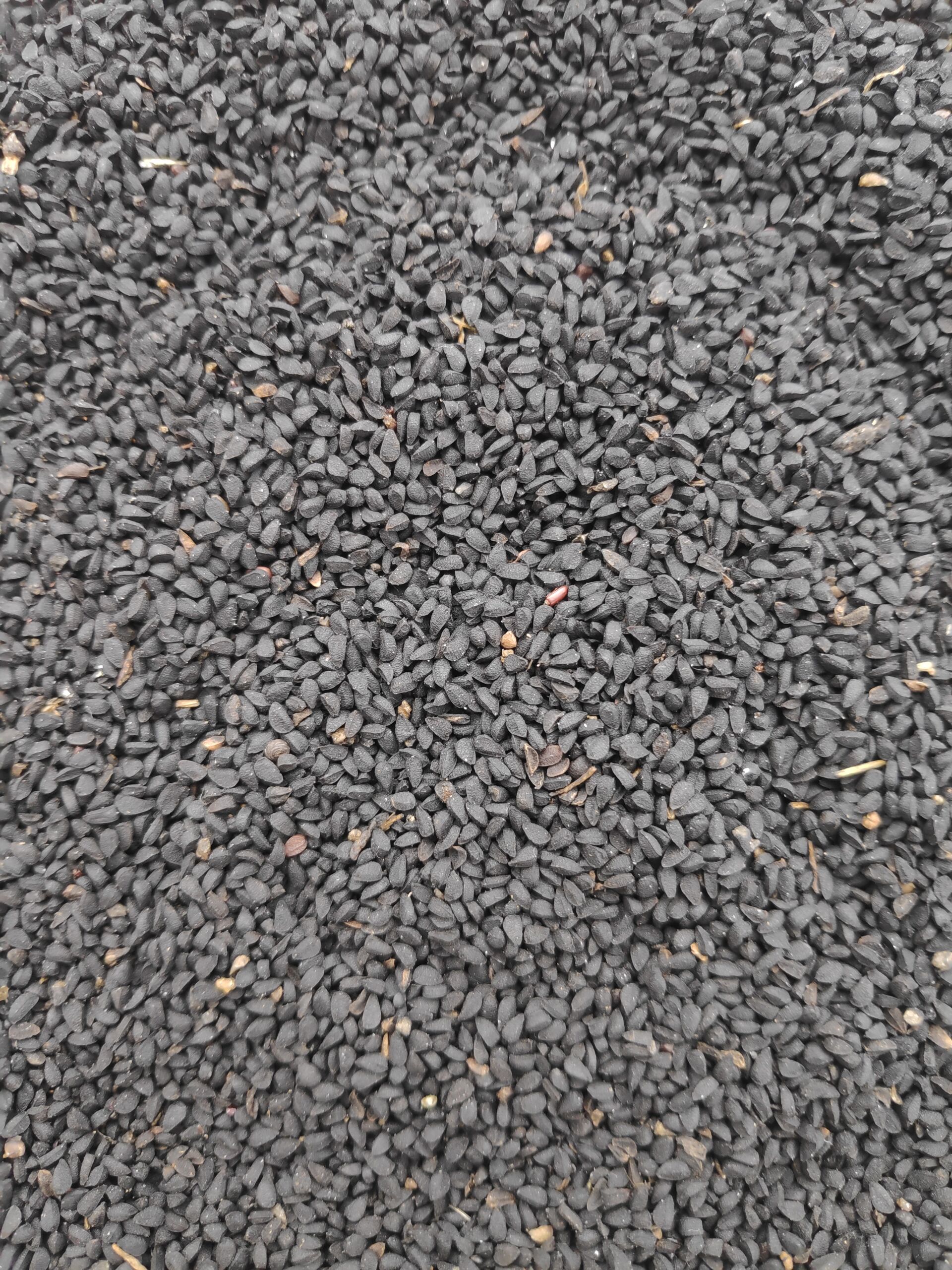
Black cumin — kalonji, black seed — is Nigella sativa, an annual in the buttercup family, and it is not cumin at all: true cumin is Cuminum cyminum in the carrot family. The confusion is only a name. Black cumin grows 12 to 24 inches tall, with finely divided foliage, delicate blue or white five-petaled flowers, and inflated seed pods holding matte-black, triangular seed with a peppery, slightly onion-like flavor.
Direct-sow where it will grow, about 1/4 inch deep, at the hero spacing, or start indoors 4 to 6 weeks before the last frost and transplant out. In Florida, sow in fall for a winter-to-spring crop — warmer areas can sow in fall for a winter crop — or in early spring, and give it full sun and well-drained soil. Do not confuse it with love-in-a-mist (Nigella damascena), its ornamental cousin already on this site: damascena is grown for flowers, sativa for seed.
Black cumin self-seeds freely if you let pods split, which is either a gift or a weed problem depending on your bed. Deadhead most plants and leave one or two to reseed, and you will rarely buy seed again.
USDA zones
Black cumin is grown as an annual in all zones; sources place it hardy in zones 3 to 10, with best growth between about 59 and 86 degrees Fahrenheit. It tolerates light frost but not prolonged cold, and in Florida it should be a fall-through-spring crop that ripens seed in dry weather — summer rain on drying pods is the enemy.
Water & feeding
Water evenly until germination — 7 to 14 days — then water at the base and let the soil dry between waterings. Black cumin wants well-drained, loamy or sandy soil and rots in wet feet; it is drought-tolerant once established, which suits Florida’s dry season.
Feed lightly with compost at planting. Black cumin is not a heavy feeder, and it performs well in moderately fertile soil; heavy nitrogen grows lush foliage at the seed’s expense.
Common problems
- Root rot — wet, heavy soil; raised beds and drainage are essential
- Mold on ripening pods — summer rain on drying seed heads; fall sowing that finishes dry is the defense
- Shattering — pods split when fully dry; harvest when pods brown and rattle, before they split open
- Aphids — cluster on flower heads; blast off with water
Harvest
Harvest when seed pods turn brown and papery and rattle when shaken, usually 90 to 120 days after planting. Cut entire stems when about 70 percent of pods have browned but before they split, and dry them upside down in a paper bag in a warm, airy spot for two to three weeks.
Crush the dry pods to release the seed, winnow out the chaff, and store whole in an airtight jar away from light and moisture. Use black cumin seed whole on breads and naan, in curries and vegetable dishes, or lightly toasted — it keeps its peppery note best when stored whole and used whole.
Saving seeds
Black cumin (Nigella sativa) is the rare seed-saving story with almost no catch: the plant you grow for seed is the seed crop. This annual flowers, sets inflated pods, and hands you the next generation in the same little black triangles you would otherwise sprinkle on bread. Save seed from your best plants and you are simultaneously saving dinner and next year’s sowing — a two-for-one that the plant never charges extra for.
Wait until the pods turn brown and papery and rattle when you shake the stem. That rattle is the whole test; green pods are not ready, and pods left too long split and scatter their contents with the enthusiasm of a plant that has no interest in your labelling system. Cut whole stems on a dry day, drop them head-first into a paper bag, and hang the bag somewhere airy for a week or two until everything is crisp. Then crush and rub the pods between your hands over a bowl, and winnow away the light chaff with a gentle puff or a kitchen sieve. What falls out is a pile of matte-black, angular seeds that look nothing like true cumin — because they are not related to it. True cumin is Cuminum cyminum, a member of the carrot family; black cumin sits in the buttercup family, alongside love-in-a-mist and delphiniums. The spice rack groups them by flavour. Botany does not.
There is one labelling trap worth dodging. Ornamental love-in-a-mist (Nigella damascena) is a close cousin with its own pretty seed heads, and its seed is not the kitchen spice. If you grow both, label jars at harvest time, not at sowing time next spring when every jar of small black seed looks identical and your memory has gone on holiday. And within black cumin itself, the genetics are friendly: it is an open-pollinated species, not a hybrid, so seed saved from your plants grows true to type. There is no F1 surprise waiting in the packet — no packet of mystery plants where your black cumin used to be — provided you actually saved Nigella sativa and not its ornamental cousin.
Sowing saved seed needs no stratification, no scarification, no ritual at all: sow direct where it is to grow, or start indoors and transplant, in the cool season, and expect sprouts within a couple of weeks in warm soil. On storage, sources disagree about exactly how long viability lasts — roughly one to three years is the spread — so the safe habit is to save fresh seed every year and treat older jars as backup, not as the plan. Keep a small jar for the kitchen and a labelled jar for the garden, and do not mix them up after toasting.
Florida note: humidity is the enemy of stored seed here, so dry your harvest bone-dry before it goes anywhere near a lid — seed that feels dry on a humid afternoon may not be dry at all. Finish drying indoors, then store airtight with a desiccant packet, cool and dark. A jar that lives in a hot shed through a Florida summer is a jar of compost with good intentions.